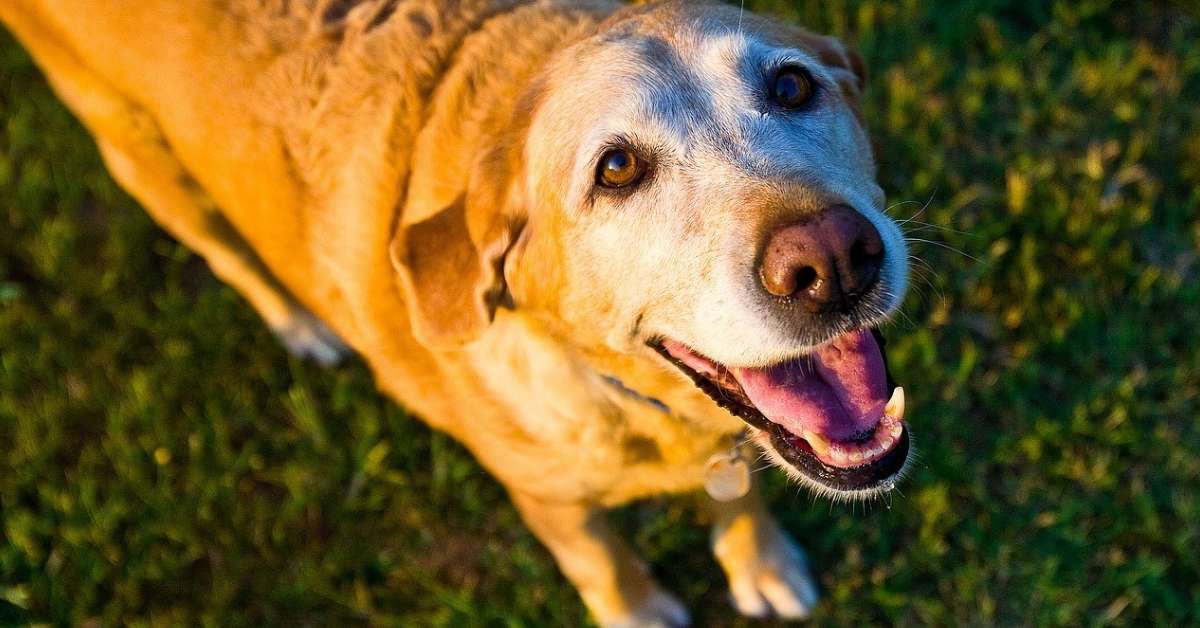
Since it began in 2018, the Dog Aging Project has gathered data on more than 50,000 dogs in the effort to better understand how quickly they age and, potentially, prolong their lives.
In the study, researchers made a distinction between a dog’s life span — the total number of years lived — and a dog’s healthspan — the total number of years lived in good health. Their goal was to maximize the quality of a dog’s health, not just simply extend their lifespan.
The research, which is still ongoing, could also serve as a promising model for humans, too.
“Given that dogs share the human environment and have a sophisticated health care system but are much shorter-lived than people, they offer a unique opportunity to identify the genetic, environmental and lifestyle factors associated with healthy lifespan,” Dr. Daniel Promislow, a principal researcher for the National Institute on Aging grant that funds the project, told Vet Med.
The project’s headline trial continues to examine whether the compound rapamycin — which has been known to extend the lifespan of mice — could be used to benefit dogs as well.
“My team has done two previous smaller, shorter studies to make sure that the dogs would tolerate it, we didn’t see side effects, and that we could design it,” lead researcher Kate Creevy told the American Animal Hospital Association.

“TRIAD now is a nationwide study with a plan to enroll 580 dogs. The dogs go into specific clinical trial sites, [and] there are about 20 of [the sites] right now around the country.”
Scientists have been testing the viability of rapamycin, commonly known as sirolimus, in people for years, and have found evidence that the medication can improve the immune, cardiovascular, and integumentary (skin, hair, and nails) systems of people with age-related diseases.
“Aging is an immensely complicated and complex biological process, and we still have far to go before we can claim to understand aging at either a molecular or biochemical level,” observed Creevy’s colleague, Matt Kaeberlein.
“Despite this, great strides have been made, and we now have multiple interventions that could significantly delay aging and age-related disease in both dogs and people.”
A version of this article originally appeared in the 2025 Dogs Edition of the Goodnewspaper.
Header image via Needpix (Public Domain)