The picturesque canals of Amsterdam are a sight to behold. The historic network of waterways, first built in the 17th-century Golden Age, is a UNESCO World Heritage site that attracts millions of tourists every year.
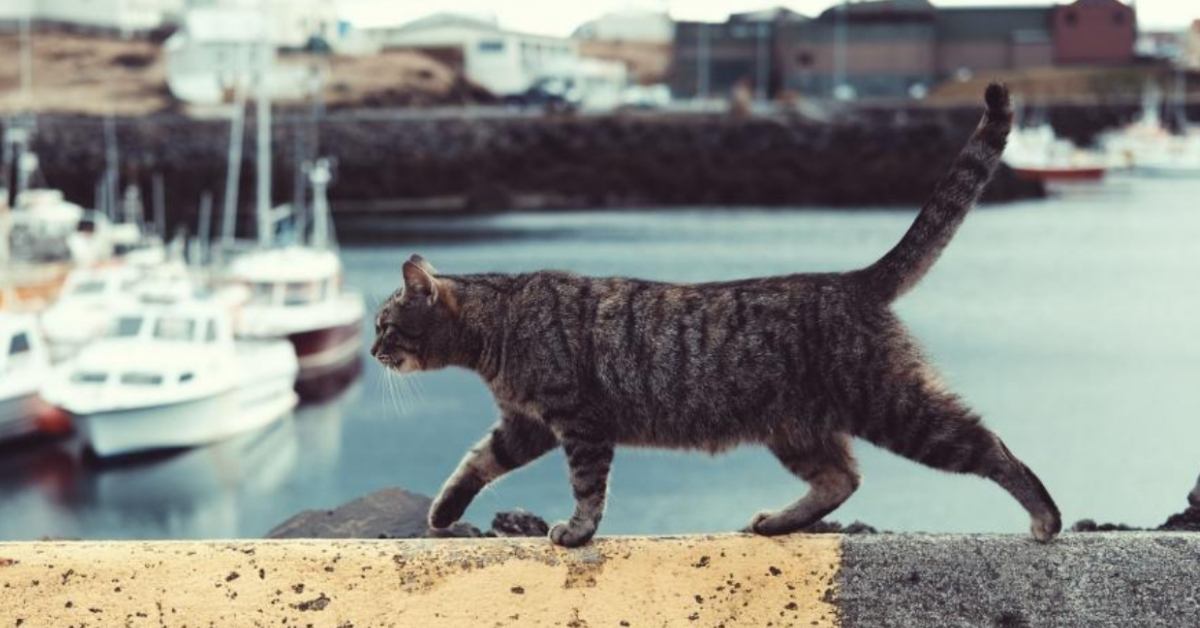
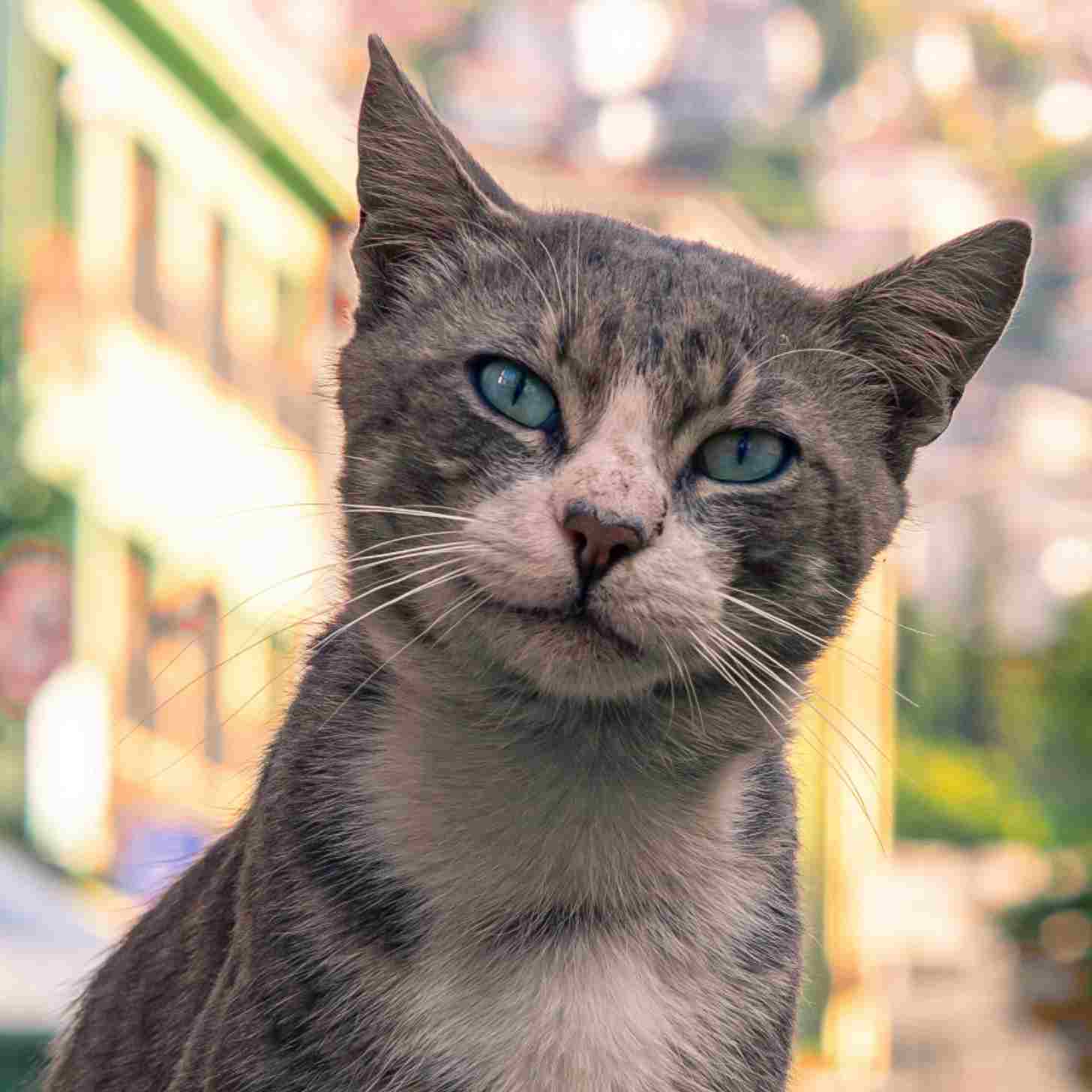
But they have also proved to be a dangerous place to traverse when it comes to Amsterdam’s beloved stray cat population, with 19 cats drowning in the first six months of 2025.
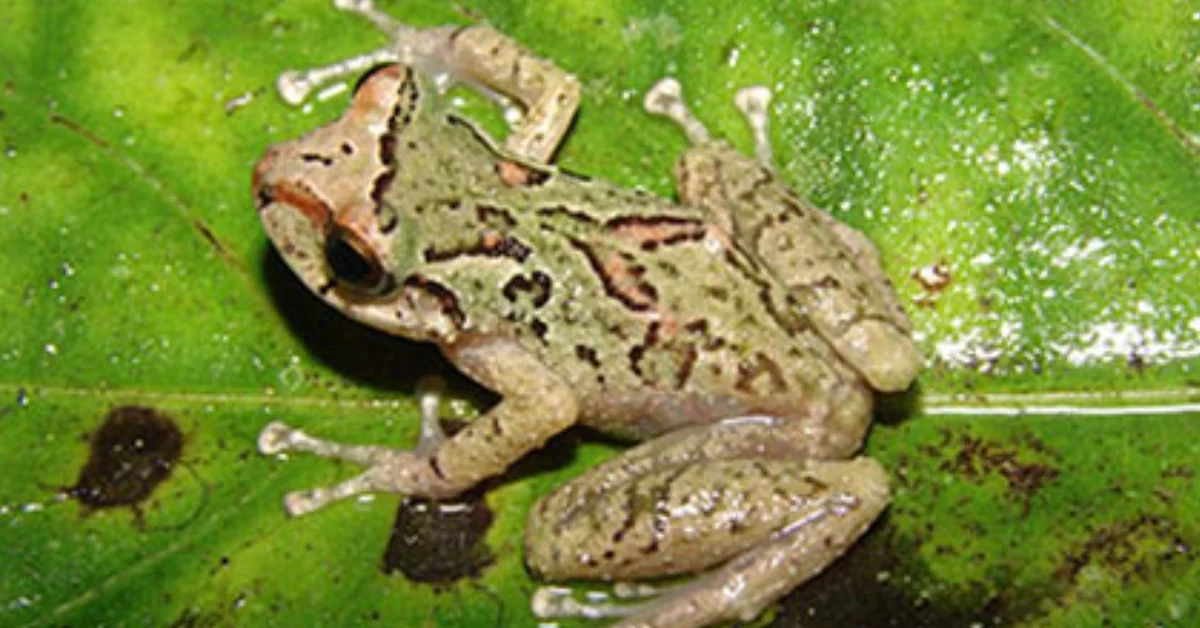
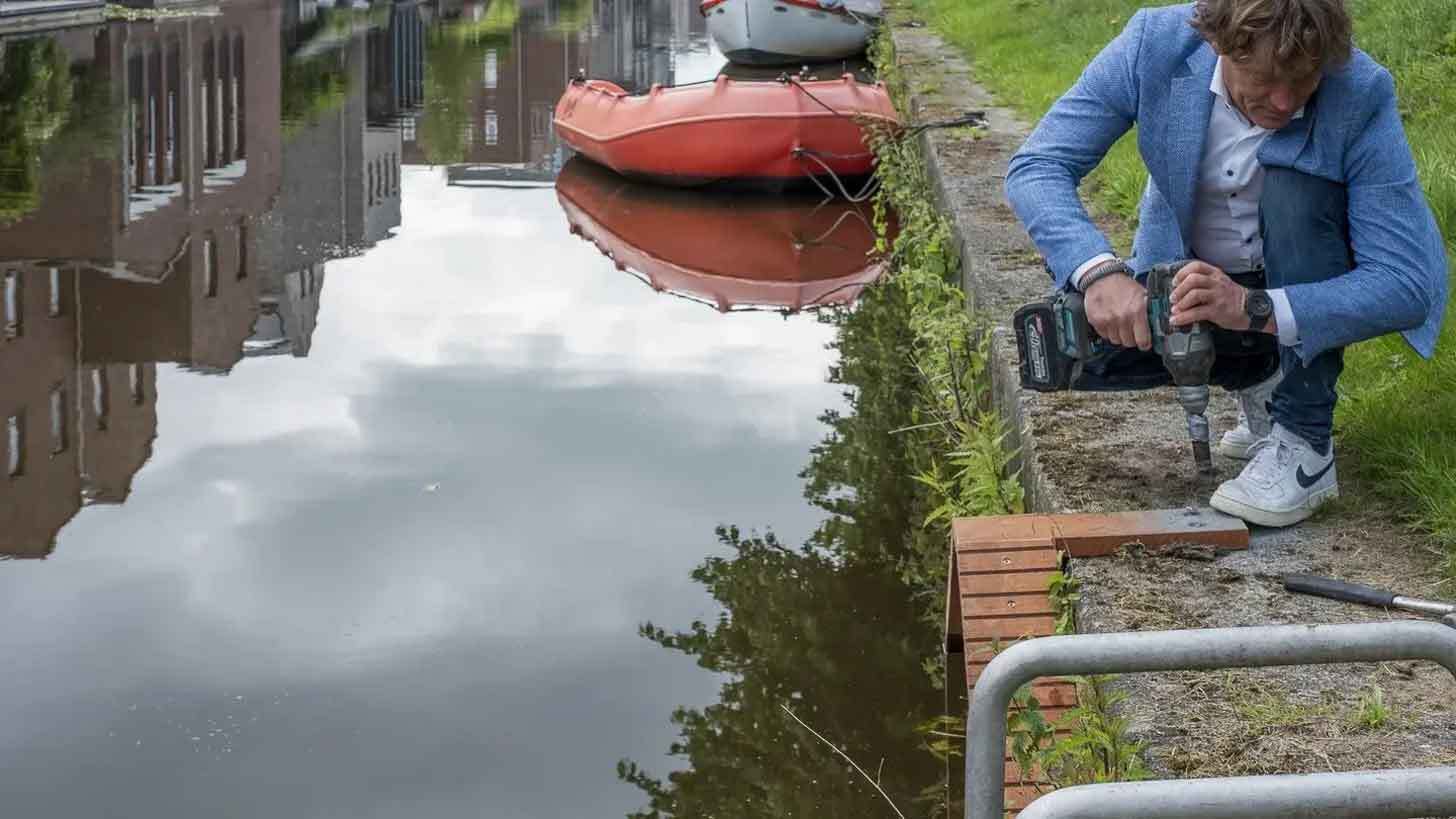
That’s when Dutch councillor Judith Krom, of the Party for the Animals, proposed a plan to install “fauna exit points” — tiny wooden staircases — along the canal walls, not just for cats, but for stray hedgehogs, frogs, and birds as well.
This came after Amersfoort, in the neighboring province of Utrecht, announced it was installing 300 “wildlife exit ladders” along its own waterways.
According to the Dutch outlet de Volkskrant, alderman Zita Pels had been intrigued by Krom’s proposal at first, but conceded that there was no budget for it.
That’s when Krom took a second look at the municipal budget — and found 100,000 euros ($116,994.50 USD) in unused funds. Funds that will now be directed towards building tiny staircases along the canals, thanks to approval from Amsterdam’s city council in July.
According to Eelco Miedema, operational manager of Animal Ambulance Amsterdam, they are already keeping track of where the most animal incidents occur to focus installation efforts in high-risk areas.
However, the flowing water means that a cat is often found far away from where it originally fell.
“[It’s] quite a puzzle,” he said, adding that he is in full support of the staircase proposal. “Every cat that can be saved by this is one less cat [lost].”
Maggie Ruitenberg, a behavior and welfare specialist at Katten Kenniscentrum, the Dutch Cat Knowledge Center, told de Volkskrant that cats typically end up in the water by accident.
“It often happens due to a startle reaction,” she says. “A cat is sitting on the edge of the quay, gets startled by a dog or a person, jumps backward, and falls into the water.”
And sometimes the incidents are tied to malicious intent.
"Unfortunately, some people find it funny to throw a cat into the water,” she chastised.
Although cats are adept at swimming, they can get exhausted quickly if their fur is weighed down by water.
“A cat ladder can then truly be life-saving, provided they are placed every few meters,” Ruitenberg explained.
“To stay afloat, an animal must have a body structure that allows it to simultaneously keep its head above water and form a horizontal line with its body, with its paws underneath,” she said. “Basically, just like a dog.”
So far, the locations have been determined based on reports from Animal Ambulance, eyewitness help from residents, and additional input from local ecologists.
Ruitenberg has also lent her advice on where staircases would be most effective.
“In a panic, a cat will instinctively swim to the darkest, most sheltered spot, for example, under a bridge,” she said. “That feels safer for them than being in the middle of the open canal.”
Ruitenberg has been pushing for “floating platforms” as well.
“That significantly increases their chances of survival,” she said.
[Author’s note: Google Translate was used to translate original quotes from Dutch to English.]
You may also like: North America's 'largest wildlife overpass' is finally complete. It's expected to reduce wildlife-vehicle crashes by 90%
Header image via Unsplash (CC0)