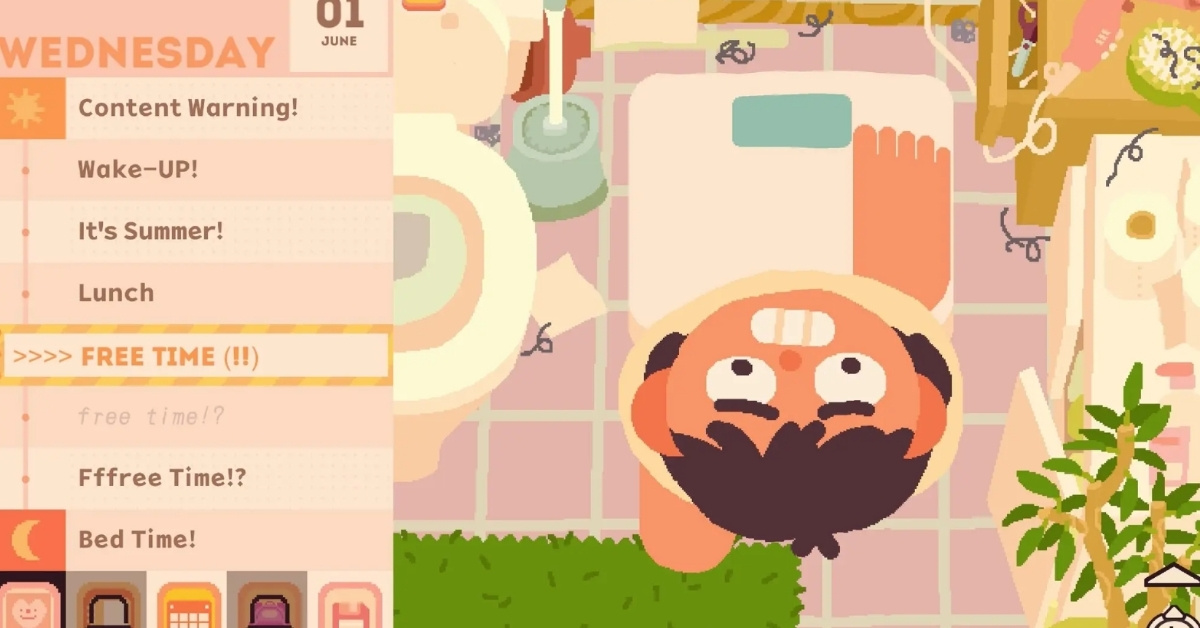
In the semi-autobiographical video game “Consume Me,” players step into the shoes of a cartoon heroine named Jenny.
But in this game, there is no dragon to slay or enemy to shoot. As players juggle schoolwork and chores, a more troubling challenge presents itself in the form of obsessive calorie counting.
The game was born from creator Jiao Hsia’s difficult transition from pre-med studies to game design at NYU, and her struggles with restrictive eating as a young teen.
Too often in media storylines, Hsia said, disordered eating is shown only in extremes. She hopes to detangle those myths and show the reality behind the situation.
“I feel eating disorders should not only be depicted in that degree of severity,” Jiao Hsia said. “Our aim was to depict how it’s not black and white. You don’t have to end up being rail thin to qualify as having an eating disorder.”
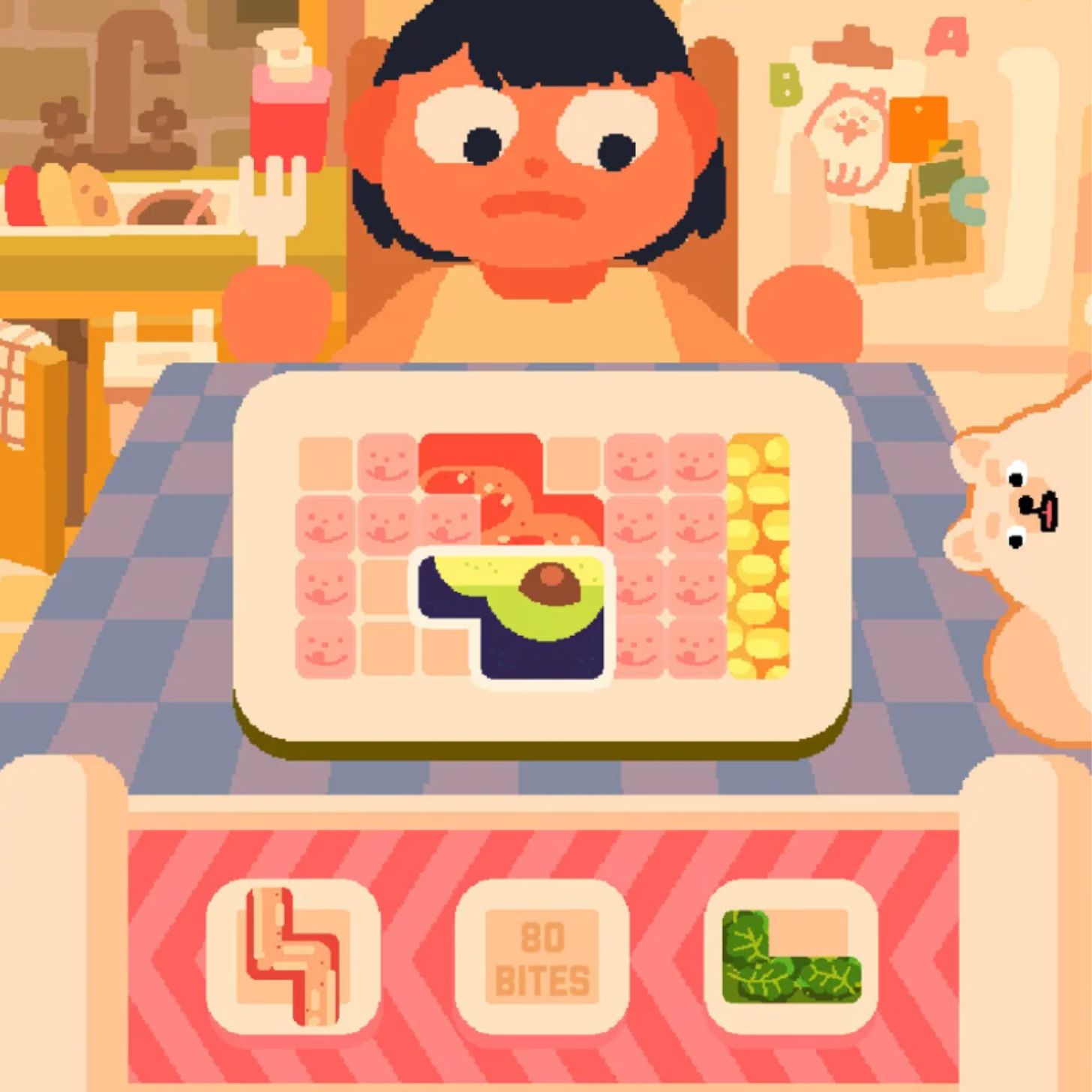
Due to its playful appearance, Hsia says the game is often dismissed because some assume a soft aesthetic translates to shallow gameplay, adding that it’s a meaningful game that mimics real life and brings trauma-informed interventions for users who may be struggling with disordered eating alongside its gameplay.
Instead of romanticizing dieting in a “cutesy” way, Consume Me highlights how these dangerous habits can quietly shape a young person’s daily life — and informs players on how they can seek care.
Kishonna Gray, a University of Michigan professor of technology, said that the game speaks to a struggle that many people might find hard to vocalize.
“We feel seen and connected when we play games like this,” Gray said. “No, we aren’t shooting anyone. It’s actually a part of the healing arsenal, and this is where games like this add so much value to human life.”
A version of this article originally appeared in the 2026 Mental Health Edition of the Goodnewspaper.
Header image via Jenny Jiao Hsia