In 2024, scientists finally pinpointed the deadly virus that has been infecting fungal genomes — and killing countless frogs and toads — for decades.
But that discovery was just the tip of the iceberg when it comes to curing chytridiomycosis, a disease that led to the extinction of 90 amphibian species entirely and infected 500 more.
Like many herpetologists, Australian biologist Dr. Anthony Waddle was eager to join the fight in protecting frogs and toads from the deadly chytrid fungus.
As a rising student at Macquarie University's Applied BioSciences in the Faculty of Science and Engineering, Waddle devised a unique way of protecting local frogs from the fungal disease.
“In the 25 years since chytridiomycosis was identified as a major cause of the global collapse of amphibian populations, our results are the first to provide a simple, inexpensive and widely applicable strategy to buffer frogs against this disease,” Waddle told the Lighthouse, Macquarie University's news journal.
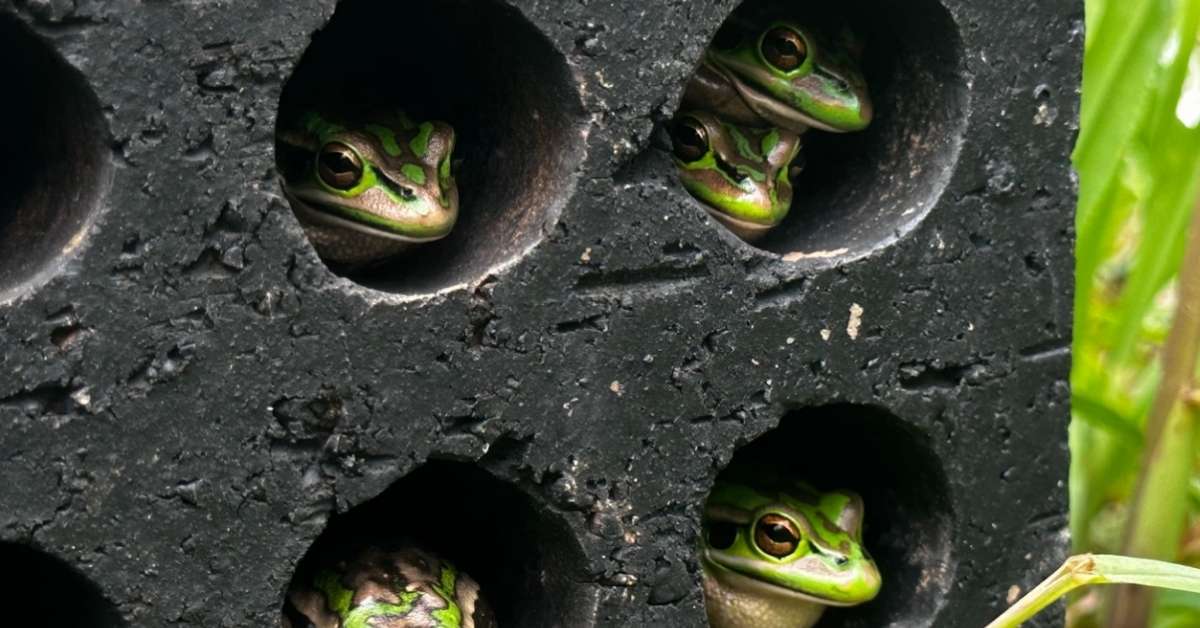
So he built them masonry bricks with frog-sized holes and prescribed them a “spa treatment.”
“The whole thing is like a mini med spa for frogs,” Waddle said. “In these simple little hotspots, frogs can go and heat up their bodies to a temperature that destroys the infections.”
“As with many human diseases, such as influenza, chytridiomycosis is seasonal,” he explained. “Winter is a particularly vulnerable time for frogs, given there are few opportunities to heat themselves up.”
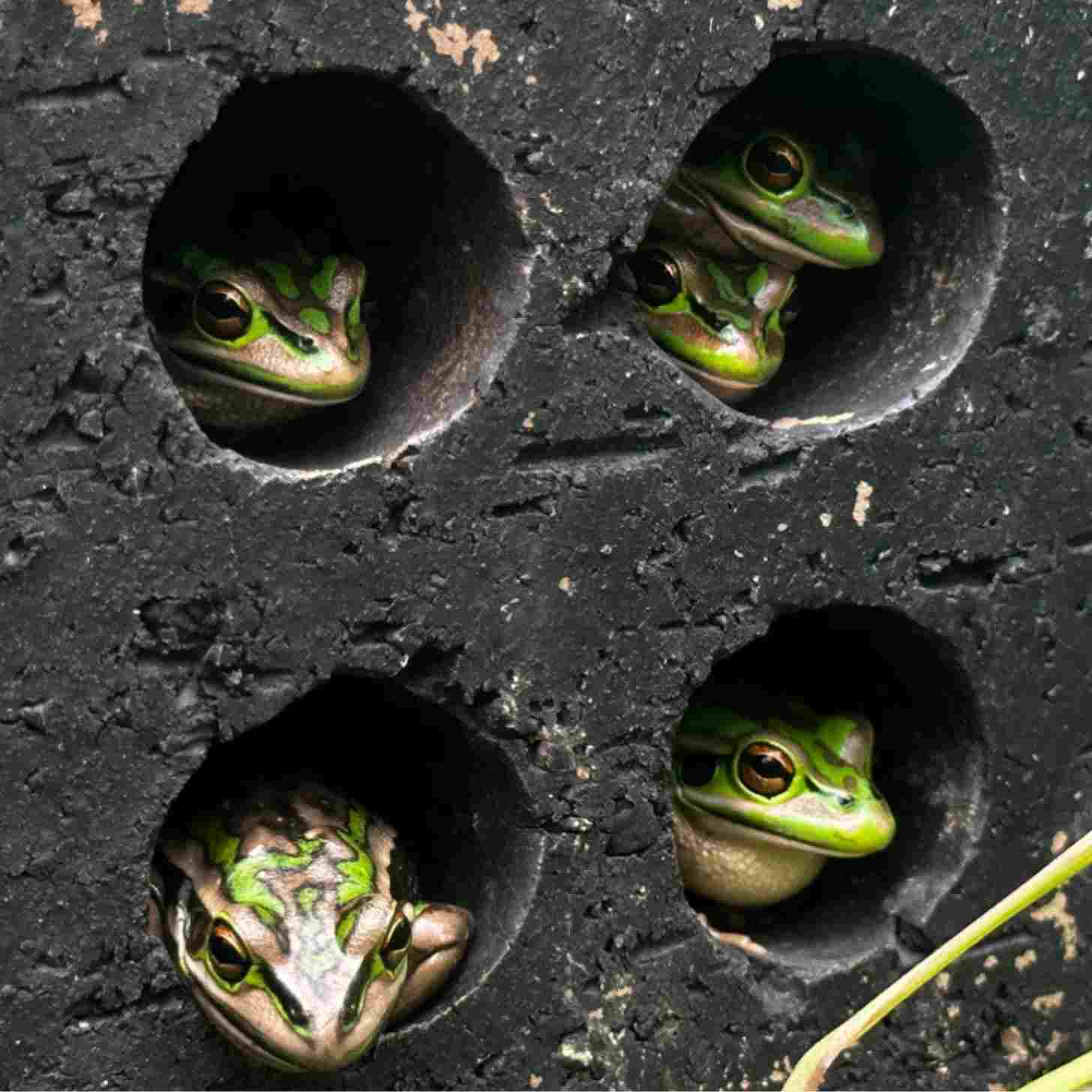
In addition to brick-and-mortar “saunas” which naturally draw heat from the sun, Waddle also constructed small greenhouses out of PVC.
“By making hot spots available to frogs in winter, we empower them to cure their infections, or not even get sick at all,” he said.
Waddles’ central focus of conservation is the green and golden bell frog, an endangered species that has lost more than 90% of its native range since the disease was introduced to the region in 1978.
“[They] used to be very common across eastern Australia,” he said. “They lived in letterboxes and backyards and really adapted to human settlements, before chytridiomycosis came and hammered the population.”
Fortunately, his frog saunas helped the endangered species turn a corner.
Not only were they hot enough to elevate frogs’ body temperatures and help them clear infections, but frogs that recovered in the saunas became resistant to chytridiomycosis and remained resistant, even as temperatures dropped for the winter.
“Our results provide a simple, inexpensive, and widely applicable strategy to buffer frogs against chytridiomycosis in nature,” Waddle and his peers wrote in their study, which was published in the scientific journal Nature.
“Habitat protection alone cannot protect species that are affected by invasive diseases, but simple manipulations to microhabitat structure could spell the difference between the extinction and the persistence of endangered amphibians.”
Acknowledging that frog saunas alone wouldn’t cut it, Waddle has also expanded his research to include immunization and synthetic biology.
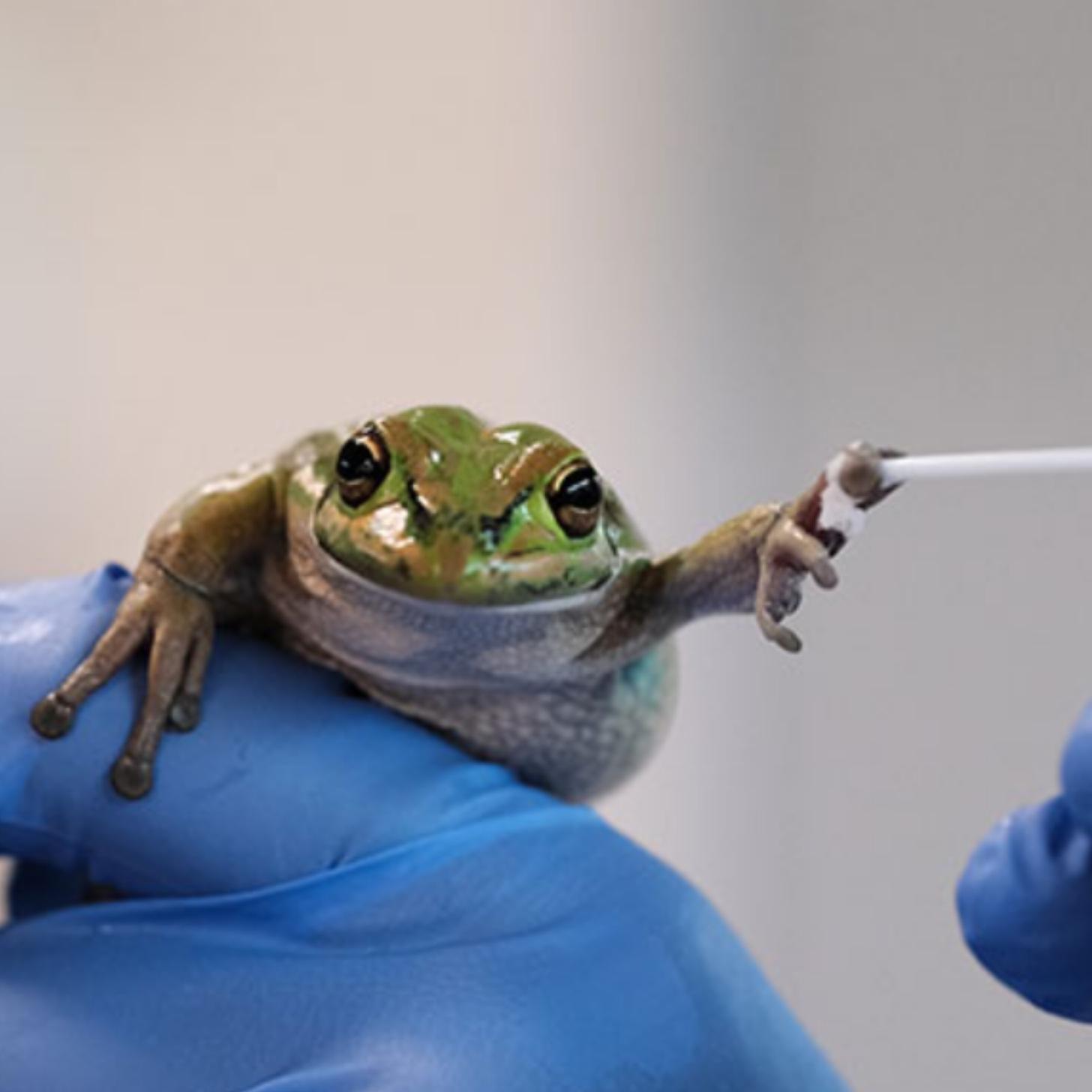
In addition to leading gene replacement trials, Waddle has spent the past year raising and vaccinating hundreds of green and golden bell frogs.
Waddle told the Guardian that when they are released, it will be “probably the largest input of frogs in that population in a decade.”
Last summer, Waddle was rewarded for his conservation efforts with the 2025 Future for Nature award.
With the prize money, Waddle opened two “frog hospitals” in Greater Sydney so that vulnerable frogs awaiting vaccination could stay there ahead of winter chytrid outbreaks.
He’s also delivering vaccinations across the east coast of Australia and working long hours in the lab to “unravel the genetic mechanisms that could be key to providing permanent solutions to the challenge of chytrid.”
“We need to future proof our conservation efforts and genetic resistance will be key,” he told Future for Nature.
You may also like: Tiny 'underwater hotels' for sea creatures help scientists collect 20 new species in ocean's twilight zone
Header image via Macquarie University