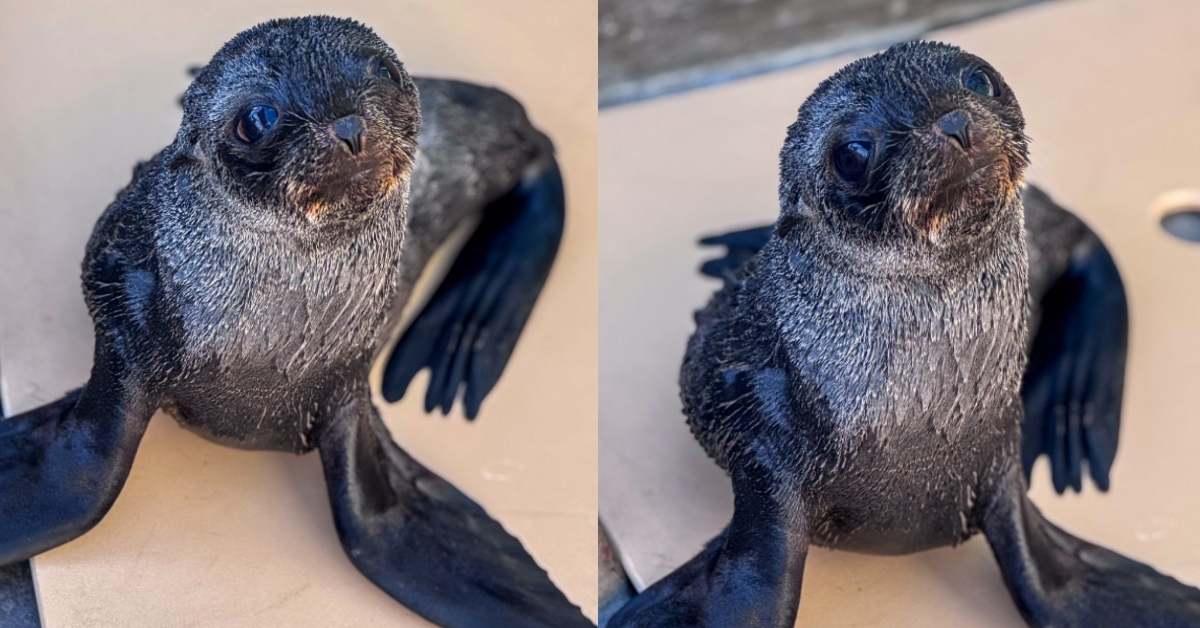
Guadalupe fur seals are largely found living on Guadalupe Island, off the Pacific coast of Mexico, and the islands of the San Benito Archipelago.
But more and more, a small number of Guadalupe fur seals have been found stranded off the coast of California.
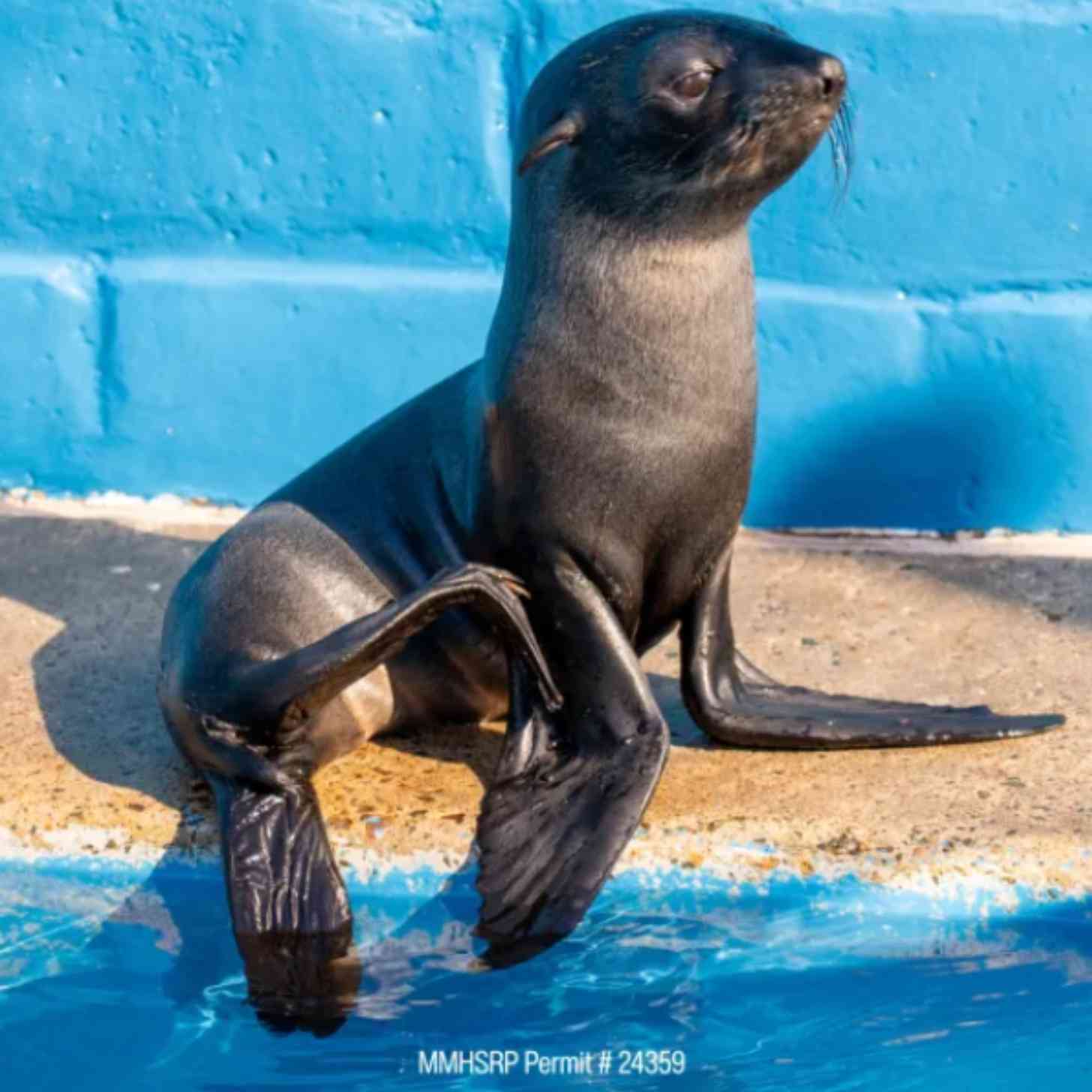
And in early January, SeaWorld rescued not one, but two.
“Say hello to the first AND second rescues of the year,” SeaWorld San Diego wrote in a Facebook announcement. “On January 3, the SeaWorld Rescue Team responded to a call at Silver Strand Beach and discovered a young female Guadalupe fur seal in critical condition.”
“Lethargic, dehydrated, and severely underweight, she was transported to our Rescue Center, where she is now receiving multiple daily feedings and round‑the‑clock monitoring in a safe environment to rest, swim, and regain her strength.”
Then, on January 12, another call came in “second female Guadalupe fur seal of a similar age.”
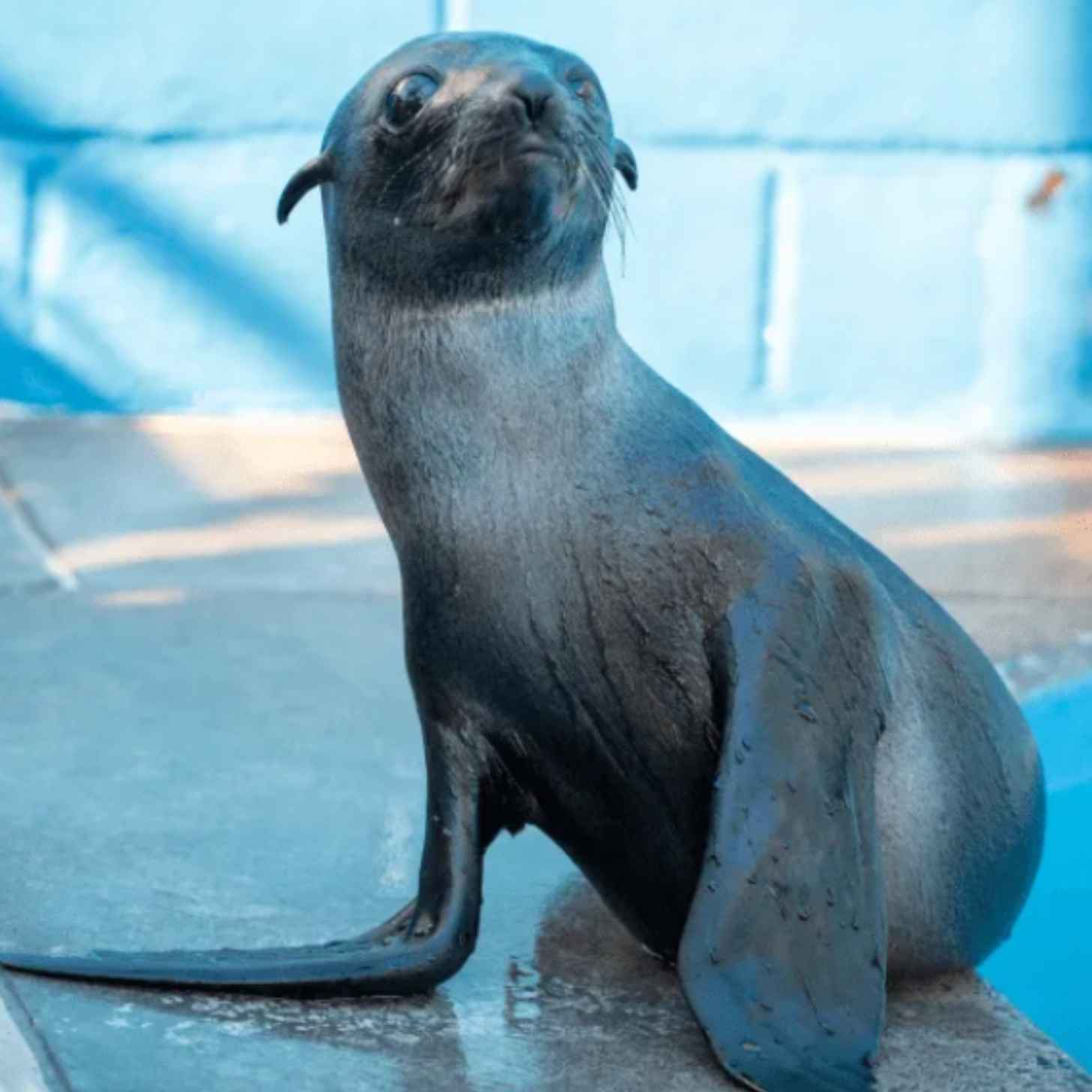
“Both animals are now receiving care together at SeaWorld Rescue,” the organization said, showing the remarkable before-and-after photos of the seal pups’ recovery. “As a threatened species, SeaWorld San Diego is one of two facilities that can provide rehabilitation to Guadalupe fur seals.”
In 2025, SeaWorld conservationists reported that they had rehabilitated a total of 567 animals, including 408 birds, 129 California sea lions, three Guadalupe fur seals, two sea turtles, and more.
The SeaWorld rescue comes just a few short months after two other Guadalupe fur seal pups, named Campanelli and Orecchiette, were rescued off the coast of Washington.
The pasta-named pups — one boy and one girl — were barely a year old when they were found, and like the pups found in San Diego, they were severely malnourished.
They were soon taken to the Des Moines-based marine wildlife hospital SR3: Sealife Response + Rehab + Research.
“They came in extremely emaciated and just very sick,” Casey Mclean, the executive director of SR3, told ABC News. “They had no energy and were just kind of lifeless. And it took a while and some pretty intensive care at first to get them back up to where they were gaining weight and acting like normal fur seals.”
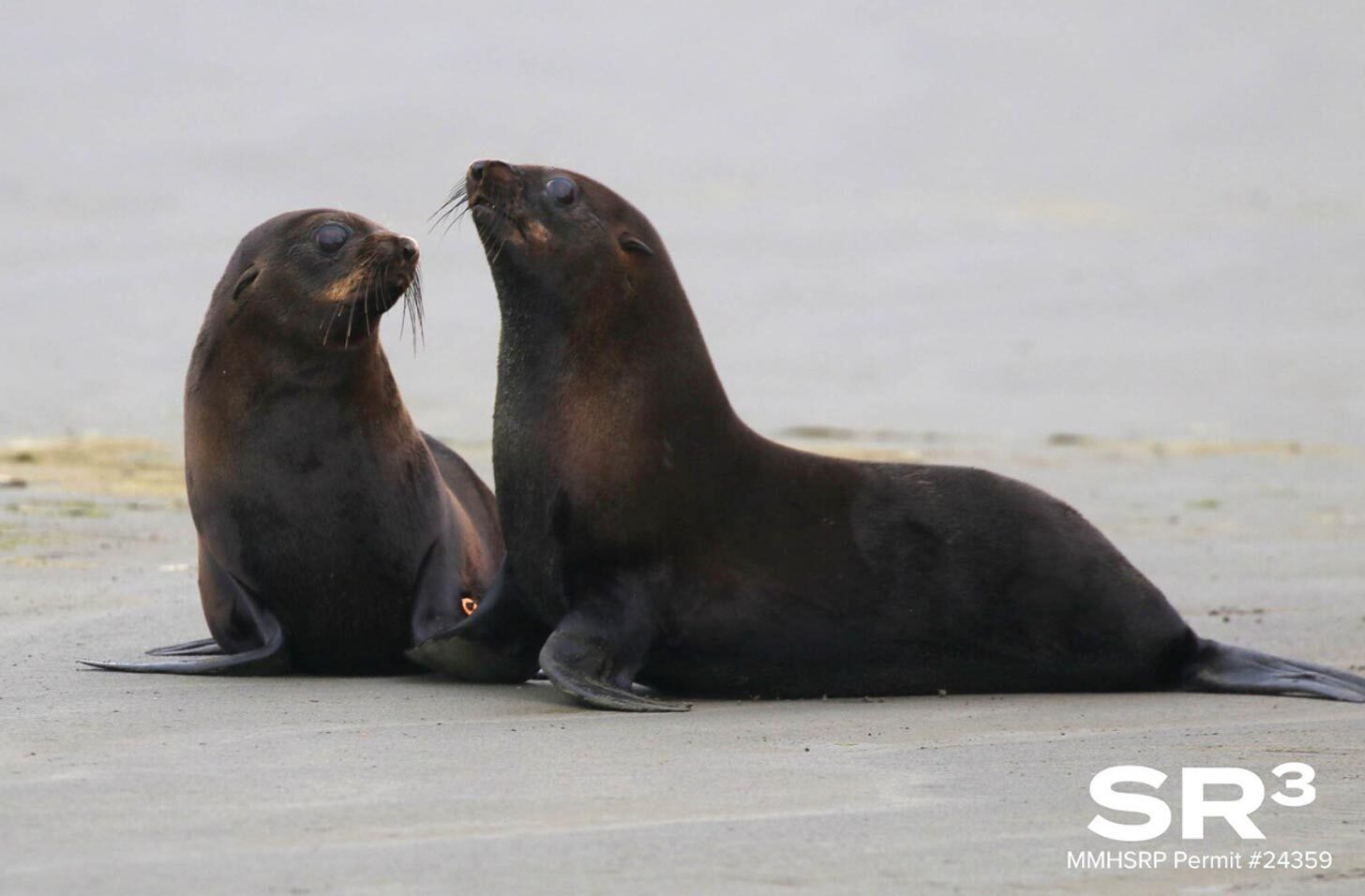
Mclean said their transformation was remarkable. When they were finally released back to the ocean, the whole staff was cheering them on.
“That's the best part of what we do … being able to watch them run free and just run back out into those waves, and they start jumping and diving,” Maclean said.
“It’s heartwarming to watch them go back out and be part of that ecosystem that we all really value.”
You may also like: A Kemp’s ridley sea turtle found stranded in the Netherlands is finally returning home
Header image via SeaWorld San Diego