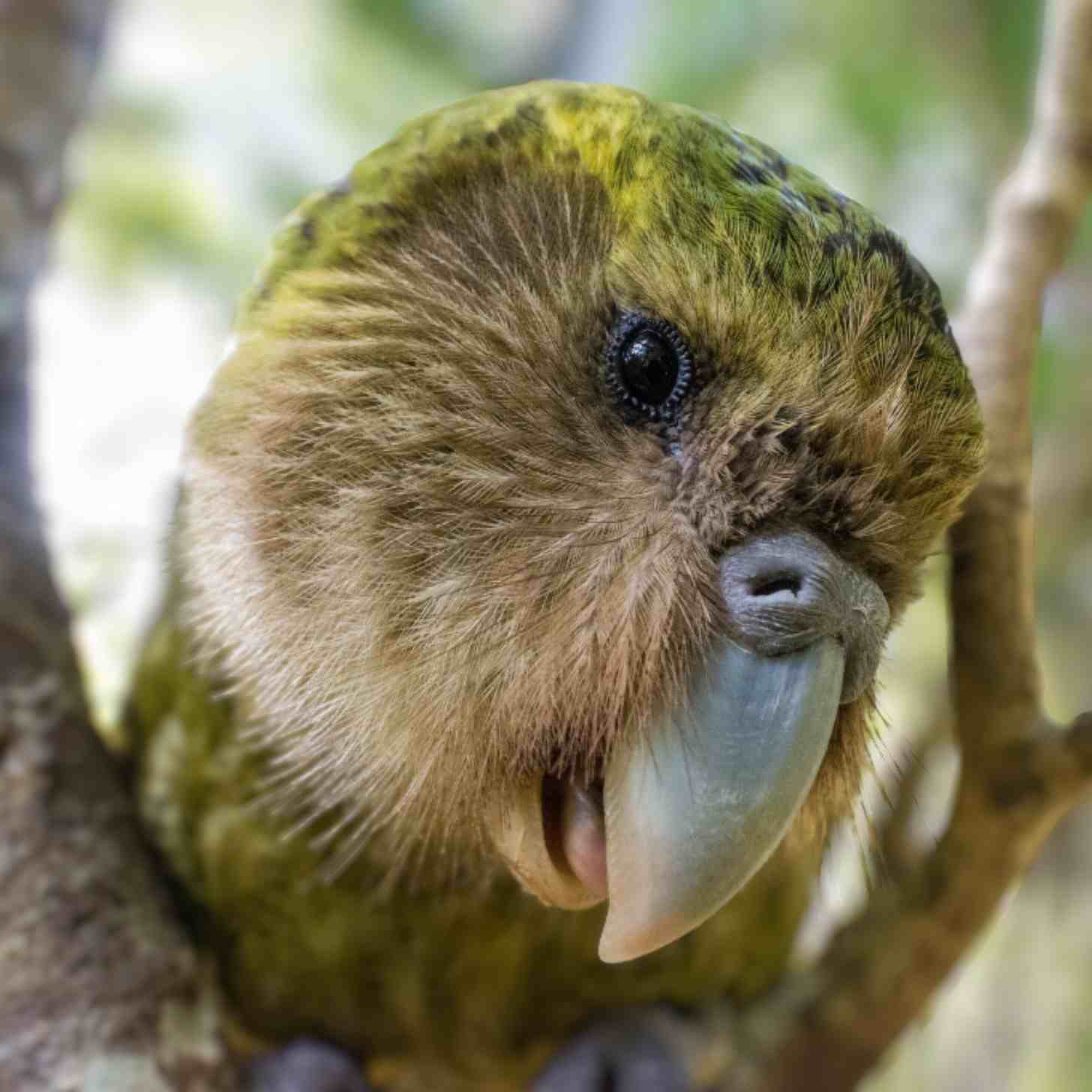
The kākāpō is an oddity in the animal kingdom. It is both the world’s only flightless parrot and the world’s heaviest parrot — and it’s reasonable to add “the world’s clumsiest parrot” to that list.
In the book “Last Chance To See,” British author Douglas Adams aptly described the species’ buffoonery.
“Its wings are just about good for waggling a bit if it thinks it’s about to trip over something — but flying is out of the question. Sadly, however, it seems that not only has the kākāpō forgotten how to fly, but it has forgotten that it has forgotten how to fly,” Adams quipped.
“Apparently,” he continued, “a seriously worried kākāpō will sometimes run up a tree and jump out of it, whereupon it flies like a brick and lands in a graceless heap on the ground.”
The parrot — which is roughly the size of a house cat — has been a subject of concern for New Zealanders for some time. By 1974, kākāpōs were thought to be extinct. In 1995, only 51 kākāpōs existed in the wild.
Today, that number is at 236.
Their continued conservation is thanks to joint efforts from Kiwi scientists and the native Ngāi Tahu tribespeople.
In the last decade, as scientists administered “doctor’s visits” and released hand-reared chicks to the wild, the Ngāi Tahu removed invasive predators and restored the “mauri,” or life force, of the habitat.
“It’s a taonga species, a treasure to us,” Tāne Davis, Ngāi Tahu’s representative of kākāpō conservation, told Scientific American.
Deidre Vercoe, the operations manager for the Department of Conservation’s kākāpō program, said that they’ve also had to play matchmaker when it comes to the bird’s romantic entanglements.
“We do what we can to make sure we don’t lose any further genetic diversity,” Vercoe told the Associated Press. “We manage that carefully through having the best matches possible on each island.”

That means that kākāpō “superbreeders” are discreetly moved to a neighboring island — cheekily called “Bachelor Island” — out of fears that they’ll flood the gene pool. That includes male kākāpō like Blades, who has fathered 22 chicks since 1982.
“He was a victim of his own success,” said Andrew Digby, science adviser for the kākāpō team at the New Zealand Department of Conservation. “He was too popular.”
To the chagrin of Ngāi Tahu tribespeople and local conservationists, the critically endangered birds largely take a “relaxed approach” to mating.
They typically only “get in the mood” when the rimu tree — an evergreen tree that can reach up to 190 feet tall — produces an abundant harvest of bright red rimu berries.
And this year has been a banner year for the rimu berries, leading to a certified kākāpō baby boom.
According to Digby, nearly all reproductive-age female kākāpōs have bred this year, laying an impressive 240 eggs so far. Roughly half are expected to be fertile, with progressively fewer hatching and surviving to fledge.
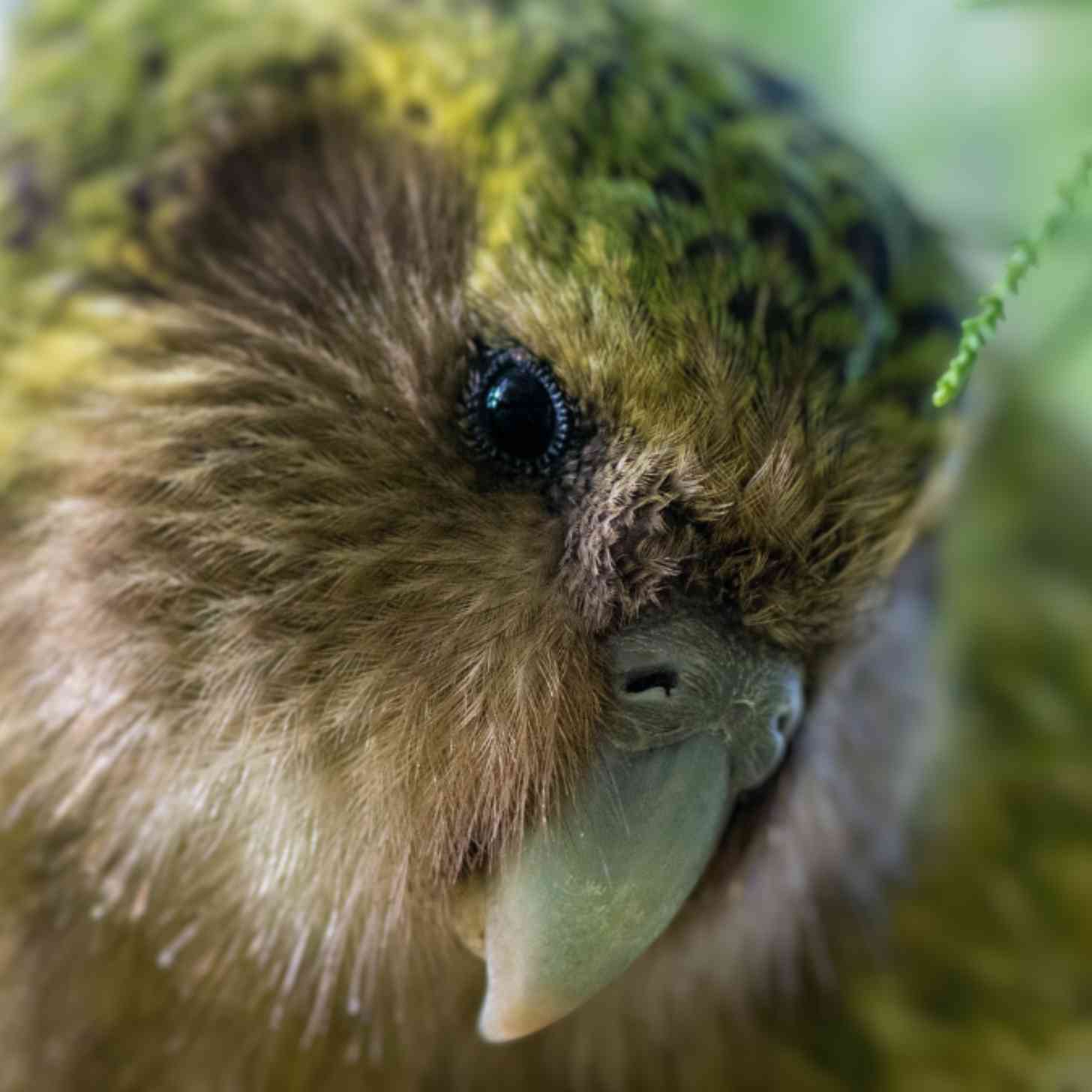
As of March 3, scientists have recorded 26 living chicks. Right now, most of them are balls of fluff, but within a few weeks, Digby says they’ll become “weird little dinosaurs with these huge, oversized feet.”
For New Zealanders like Vercoe, the parrot is not just a beautiful species worth saving — it’s a national symbol of resilience.
“We don’t have the Eiffel Tower or the pyramids, but we do have kākāpō and kiwi,” Vercoe said. “It’s a real New Zealand duty to save these birds.”
You may also like: Bandicoot 'baby boom' gives conservationists hope for endangered species after 150-year absence
Header image via Jake Osborne / Flickr (CC BY-NC-SA 2.0)