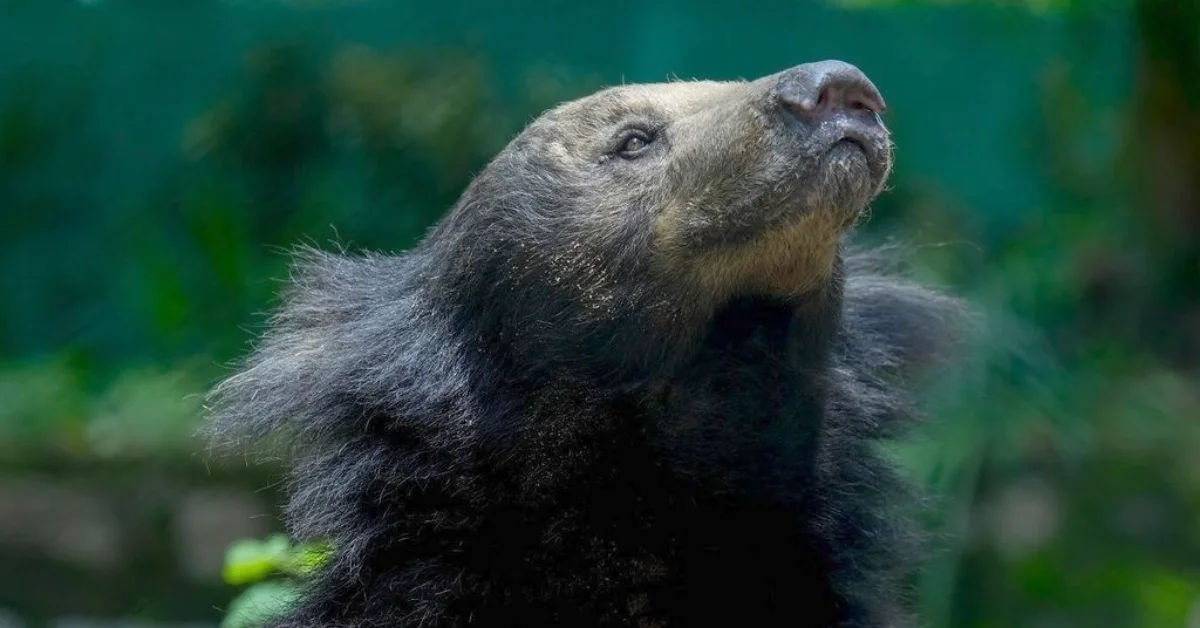
Same-sex sexual behavior is not just for humans.
In fact, as of today, scientists have documented more than 1,500 species that engage in same-sex sexual activities, including whales, penguins, fish, and sheep.
And a new study, published in the journal Nature Ecology & Evolution, scientists have shared the most comprehensive review of same-sex behavior in primates in scientific history.
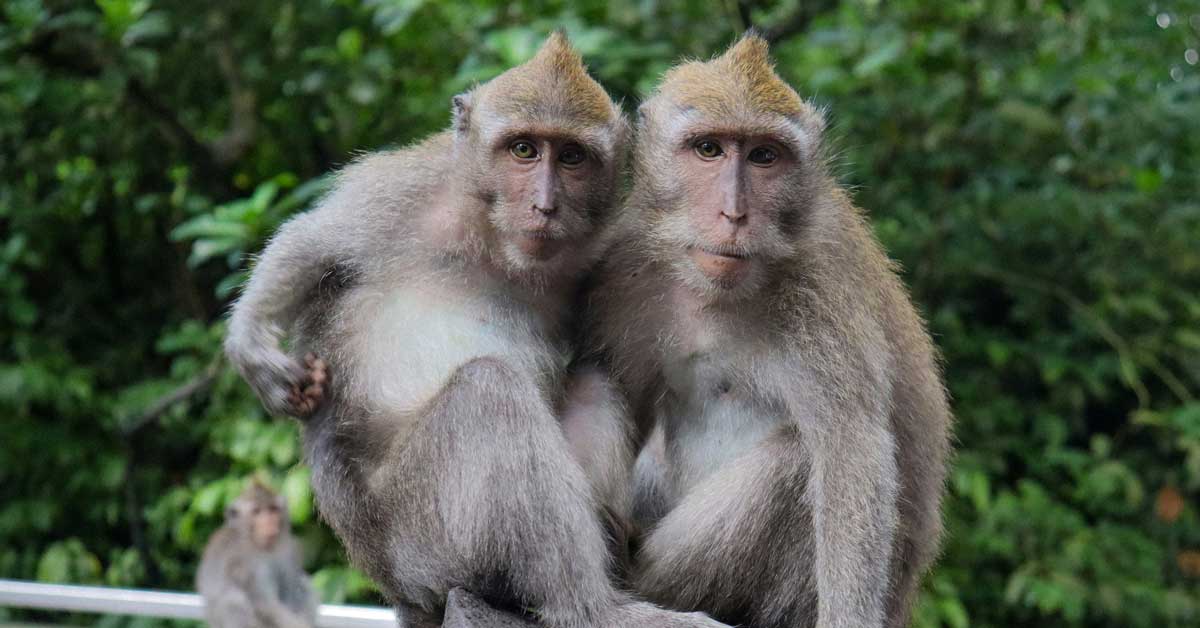
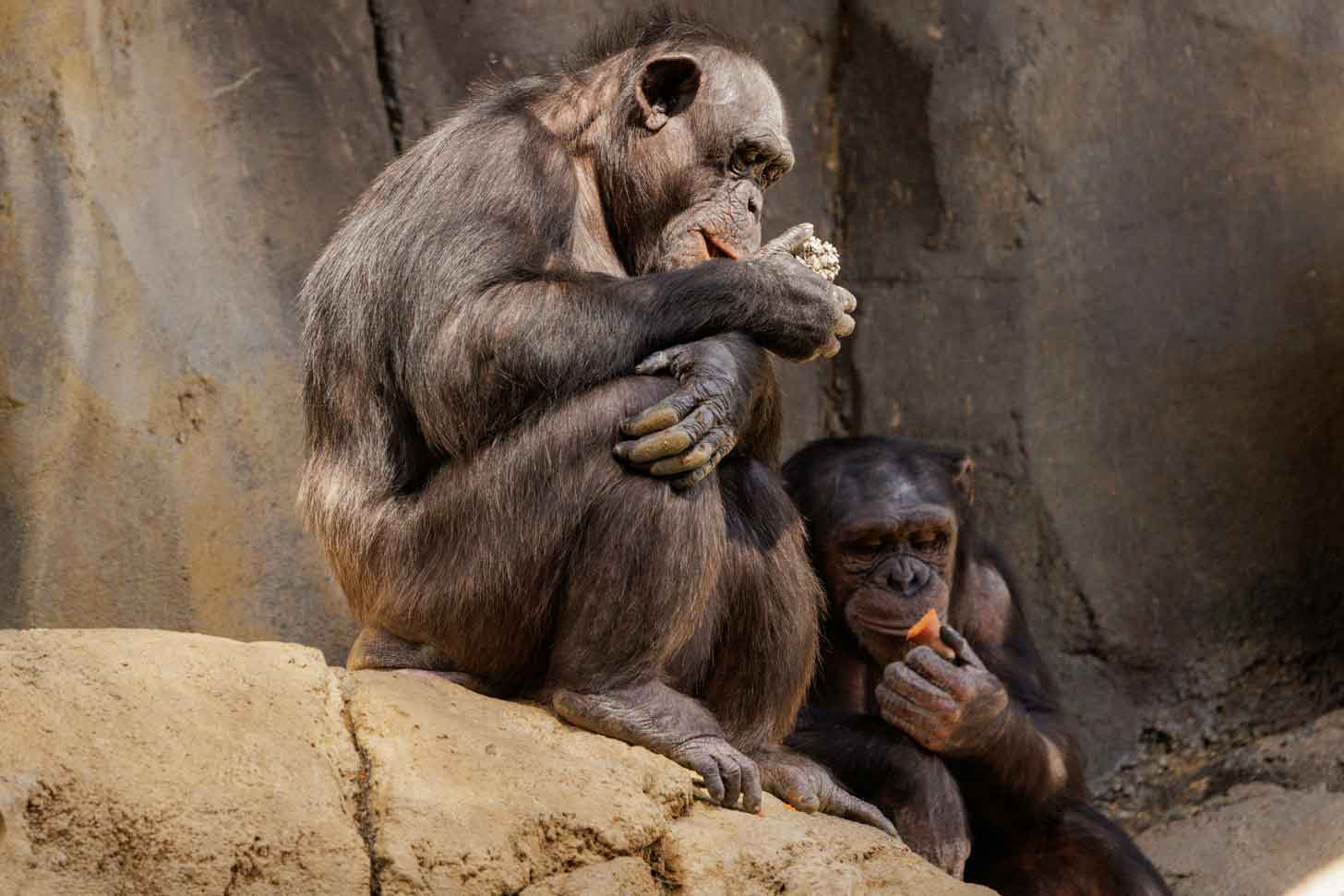
The research analyzed data from 491 non-human primate species, including chimpanzees and macaques. Of those 491 species, they documented same-sex behavior in 59 and declared it “common” among 23.
They also explored the links between same-sex behavior and ecological conditions and social structures among apes and monkeys.
“Same-sex sexual behavior is widespread across non-human primates, but we see different patterns of social behaviors and interactions across the different species,” lead author Chloe Coxshall, of Imperial College London’s Georgina Mace Centre for the Living Planet, said.
“Our study shows how these patterns are influenced by environmental factors, as well as by the social systems that the primates live in.”

Past research has documented that macaques, bonobos, and chimps engage in same-sex behavior, but this new research provides a comprehensive review of these behaviors across various species and investigates what purpose they might serve.
The researcher’s finding suggests that same-sex behavior in primates developed through evolution as a way to allow the animals to reduce conflict and build bonds in complex social groups.
The behaviors were present in both male-male and female-female relationships, but they were more likely in species living in drier climates, with scarce food resources, or under greater pressure from predators.
Species with noticeable differences between males and females, longer lifespans, or complex social lives were also more likely to engage in same-sex behavior.
As a result, the researchers concluded that same-sex behavior may be helpful in forming alliances and maintaining cohesion within groups, even managing conflict and easing tension. It can therefore be seen as an evolutionary advantage, given that these behaviors likely stemmed from the need to navigate complex societies.
Vincent Savolainen, director of the Georgina Mace Centre for the Living Planet, said same-sex behavior can also act as a “currency” for some primates and is used to increase opportunities and share resources.
“What we found shows that same-sex is not like something bizarre, aberrant, or rare,” Savolainen said. “It’s everywhere, it’s very useful, it’s very important.”
Previous research of rhesus macaques has indicated that same-sex behavior could be heritable. Savolainen’s study concludes that although genetic predispositions may exist, the behaviors are strongly influenced by ecological and social pressures.
That said, the findings shouldn’t be translated onto LGBTQ+ humans.
“In humans, it may not be food scarcity or rigid social hierarchies that drive these patterns, but rather the pressures of modern social living,” the researchers wrote in the study.
But that doesn’t mean humans are completely unrelated.
“It would be interesting to explore further how different environmental and social factors have influenced how these behaviors have evolved in human societies as well in nonhuman primates,” Savolainen said in a statement for Imperial College London.
For now, in a field of study still seeking to understand the behaviors of our primate counterparts, the new study sure is illuminating.
“There was a time where people would think this is only happening when you put two baboons in a zoo that can’t do anything else,” Savolainen told Scientific American. “So, yeah, things are changing.”
You may also like: New study reveals that 1,300 new species have been added to the global mammal count
Header image by Nicole Arango Lang via Unsplash