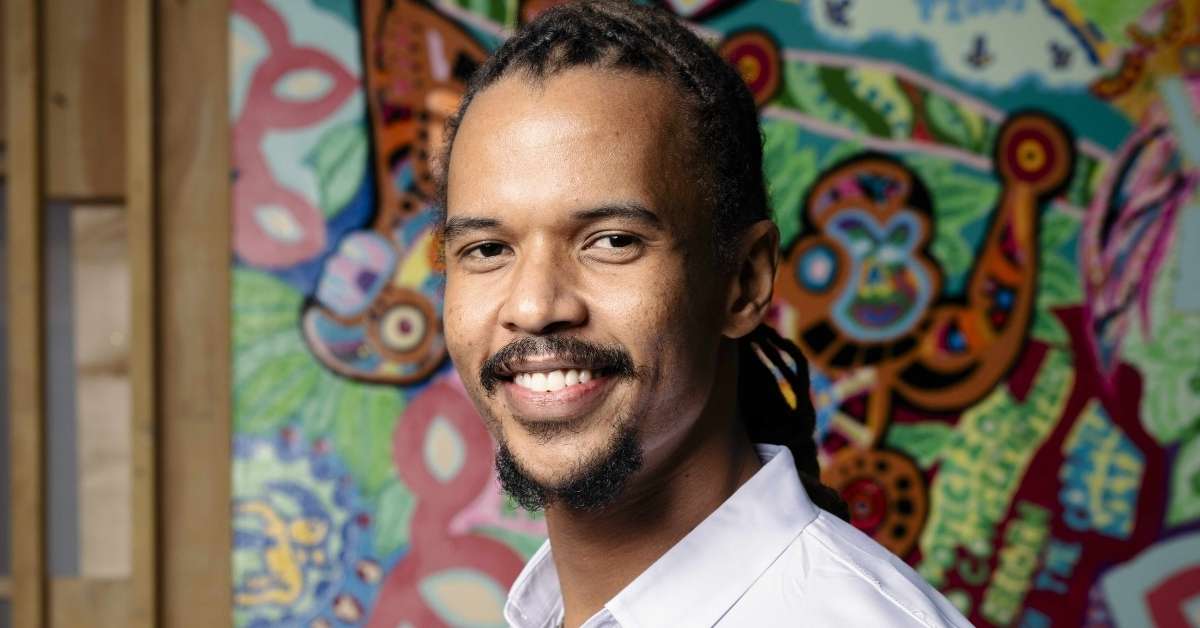
- Mongabay met Merlin Van Lawick, grandson of conservation icon Jane Goodall, in Paris during the ChangeNOW 2026 environmental forum.
- Van Lawick is involved in the communication science and communications teams at the Jane Goodall Institute, from his hometown in Dar es Salaam, Tanzania.
- In this interview with Mongabay, he talks about his relationship with his grandmother, how he developed a strong interest in storytelling, and new ways of thinking to scale up impact in a quickly changing world.
- The forum was also an occasion for him to share the challenges and hopes of the Jane Goodall Institute.
Five months after the passing of conservation icon Jane Goodall in 2025, Mongabay met her grandson, Merlin Van Lawick, at the ChangeNOW 2026 environmental forum in Paris. It was a first trip to the French capital for Van Lawick, who was born, raised and lives today in Dar es Salaam, Tanzania.
He has been connected to the Jane Goodall Institute (JGI), the conservation organization founded by his grandmother, for “as long as he can remember,” he says. Now, working for the institute’s conservation science and communications team, Van Lawick’s involvement has grown over the last several years. That’s even more so now that his grandmother has passed, he tells Mongabay.
Before starting his MBA at Arden University in the U.K., he spent a lot of time “learning through doing” in the field in Tanzania, connecting with communities and seeing firsthand the complexity of conservation work.
In this interview with Mongabay’s Juliette Chapalain, Van Lawick talks about his relationship with his grandmother, how he developed a strong interest in storytelling, and new ways of thinking to scale up impact in a quickly changing world, whether the obstacles are biodiversity loss or the difficulty NGOs face in obtaining funding. He also spoke of the challenges and hope of the JGI in engaging more communities and people in the “environmental mission.”
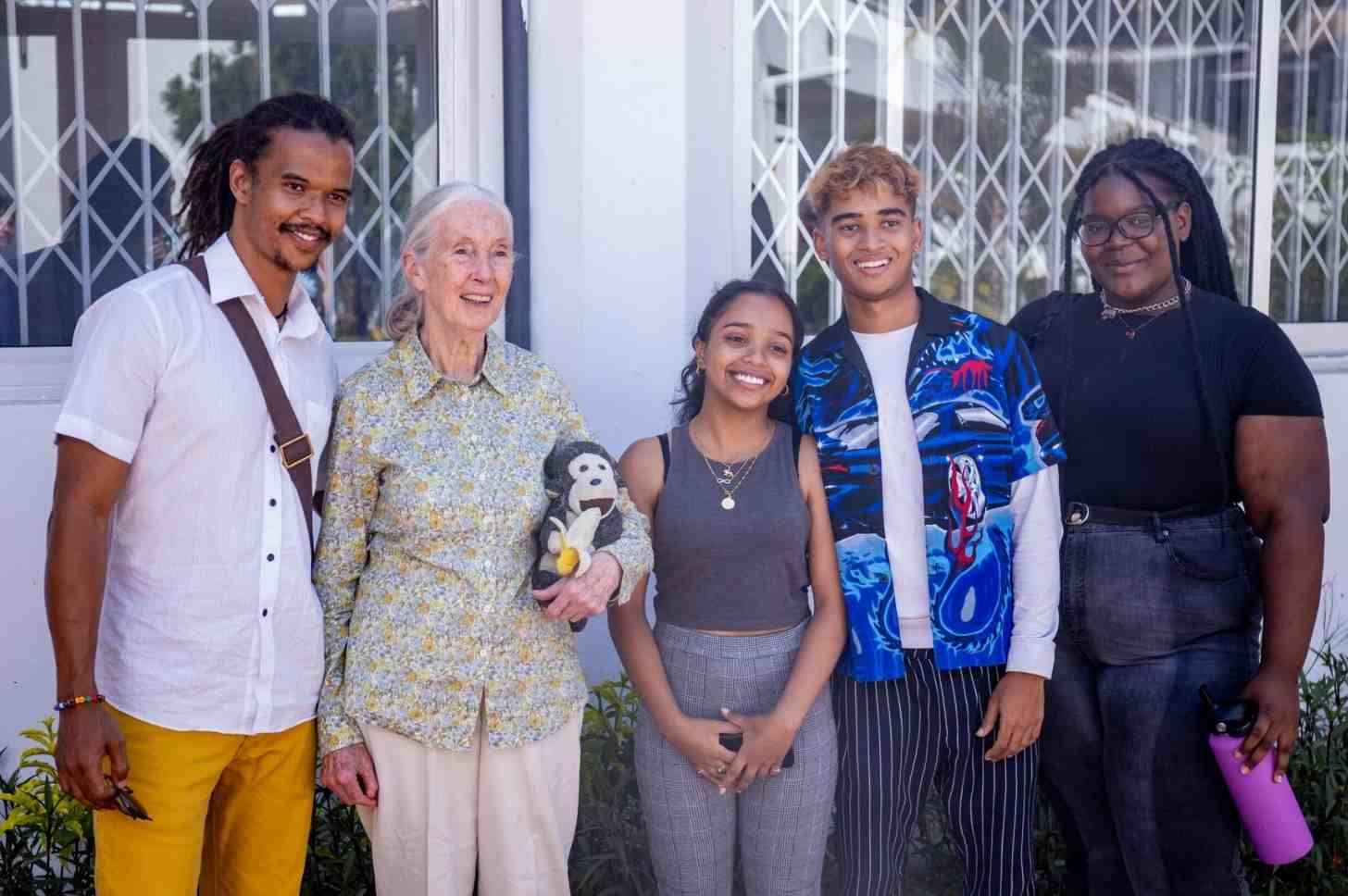
“Jane used to talk about a way to conceptualize hope. She would say: Imagine you’re in a tunnel, a dark tunnel. And at the end of the tunnel, there were these lights. This light symbolizes hope. It’s no good sitting there and just hoping that the light is going to come closer to you,” he says.
“What you have to do is start crawling towards that light. You have to get over obstacles, under obstacles, push against them. Do what you can to get to that light at the end of the tunnel. Hence, hope is rooted in action.”
The following interview has been edited for length and clarity.
A conversation with Jane Goodall's grandson, Merlin Van Lawick
Mongabay: First of all, Merlin, we would like to ask you: how do you feel?
Merlin Van Lawick: I think it’s been a very difficult year for my family and me, especially after losing our grandmother late last year. If you had honestly asked me to do this interview just two months ago, I wasn’t able to.
I’m doing a lot better now … taking it one day at a time. The world has to go on. We still have a lot to do with the mission, and we’re not going to give up.
We have to make this world a better place, and we all have to do our part. I’m going to do mine.
Mongabay: What gives you the strength to be here today at the environmental ChangeNOW forum in Paris, for the first time, and participate in diverse panels and conferences in the name of the Jane Goodall Institute?

Merlin Van Lawick: I believe a lot in the lessons that I learned from my grandmother. She always used to say that we all make a difference every day, and that we have to decide what sort of difference it’s going to be for us. She told me that if I decide to do something, I have to do it well, I have to do it to the best of my abilities.
I feel that I can’t just sit back and let things unfold the way they are. I understand that there is so much that one person can do, but I also realize that there are so many people out there who care for our world, our future, as much as I do.
And that gives me inspiration. That gives me hope. Knowing that our efforts, together, combined, can create a bigger impact.
We just need a critical number of people to change how they react to everything, to change their decisions, the way they affect one another.
And I think we have a chance. The window is small, but the opportunity is still there.
Mongabay: Is that why you’re stepping into the spotlight now?
Merlin Van Lawick: Yes, more than ever, I feel that I do have to. But one thing I want many people to understand is: no one can fill the gap that Jane has left. Jane was very special. No one is ever going to be her.
We were lucky to have a soul like hers. And we were lucky that she decided to invest her life the way she did. But I’m doing what I can because I feel there’s a part of me that can contribute to the mission.
But I’m not going to replace who she was.
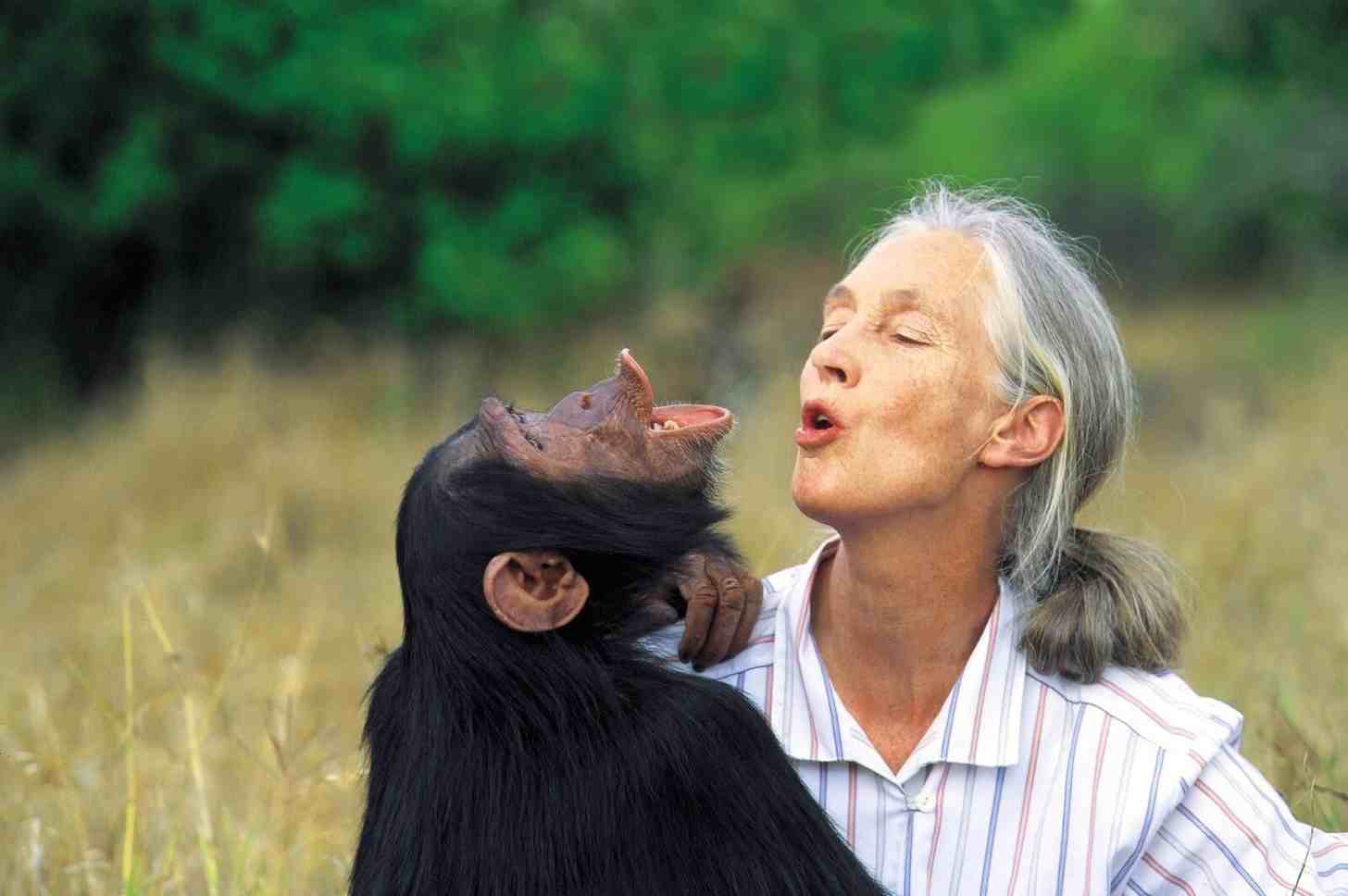
Mongabay: How does it feel to see that so many people also miss her around the world?
Merlin Van Lawick: I’m very thankful for the amount of love and support that has been pouring in from all over the world. It’s just letters of condolences. People are telling us that they’re with us through this difficult time. And in the beginning, I couldn’t respond to everyone. But if anyone here is listening out there, then I just want to say thank you — my family and I really appreciated this.
She was so special to so many people. We miss her every day.
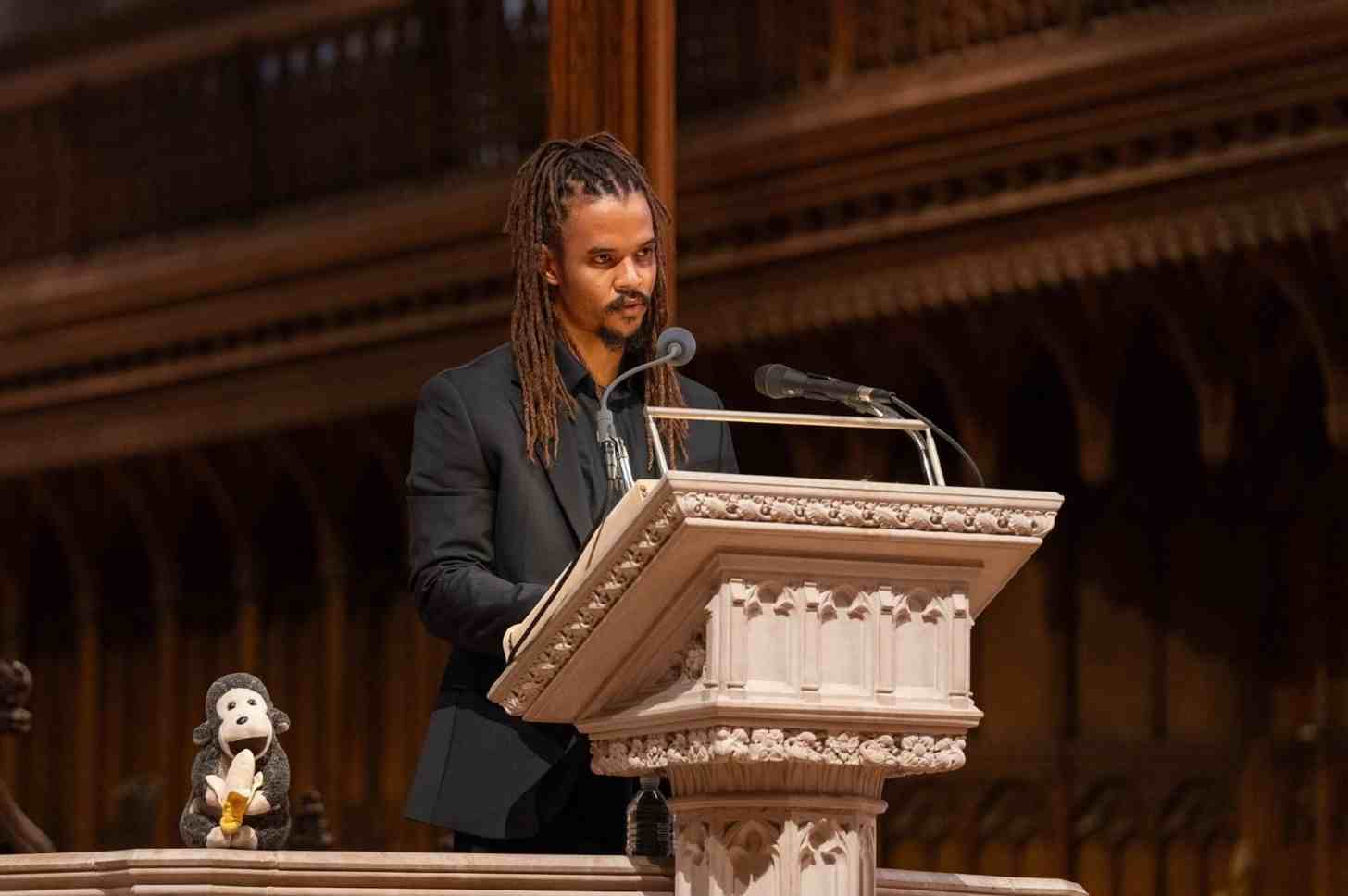
Mongabay: What’s the biggest lesson you’ve learned from her?
Merlin Van Lawick: I think one of the biggest lessons I learned was that I make an impact on the world around me every day and I get to decide what sort of impact that’s going to have on me. I think about everything I do, literally no matter how small.
It’s the way I treat a person that I meet on the streets. You know, someone needs help. Someone needs advice. An animal that’s hungry, thirsty. I may not be able to change the world, but I might be able to change the world for that individual.
Mongabay: What was Jane Goodall like as a grandmother and how did it influence the person you are today?
Merlin Van Lawick: Something that was very unique about my grandmother, and that is also very present in the programs that the institute does, the way the institute is structured, is that she never told people what to do.
She would always make you aware of the consequences of the decisions you make, of the issues around that are happening, but it was always up to you to decide what you wanted to do.
It was the same with us growing up. It was never obligated, it was never pushed.
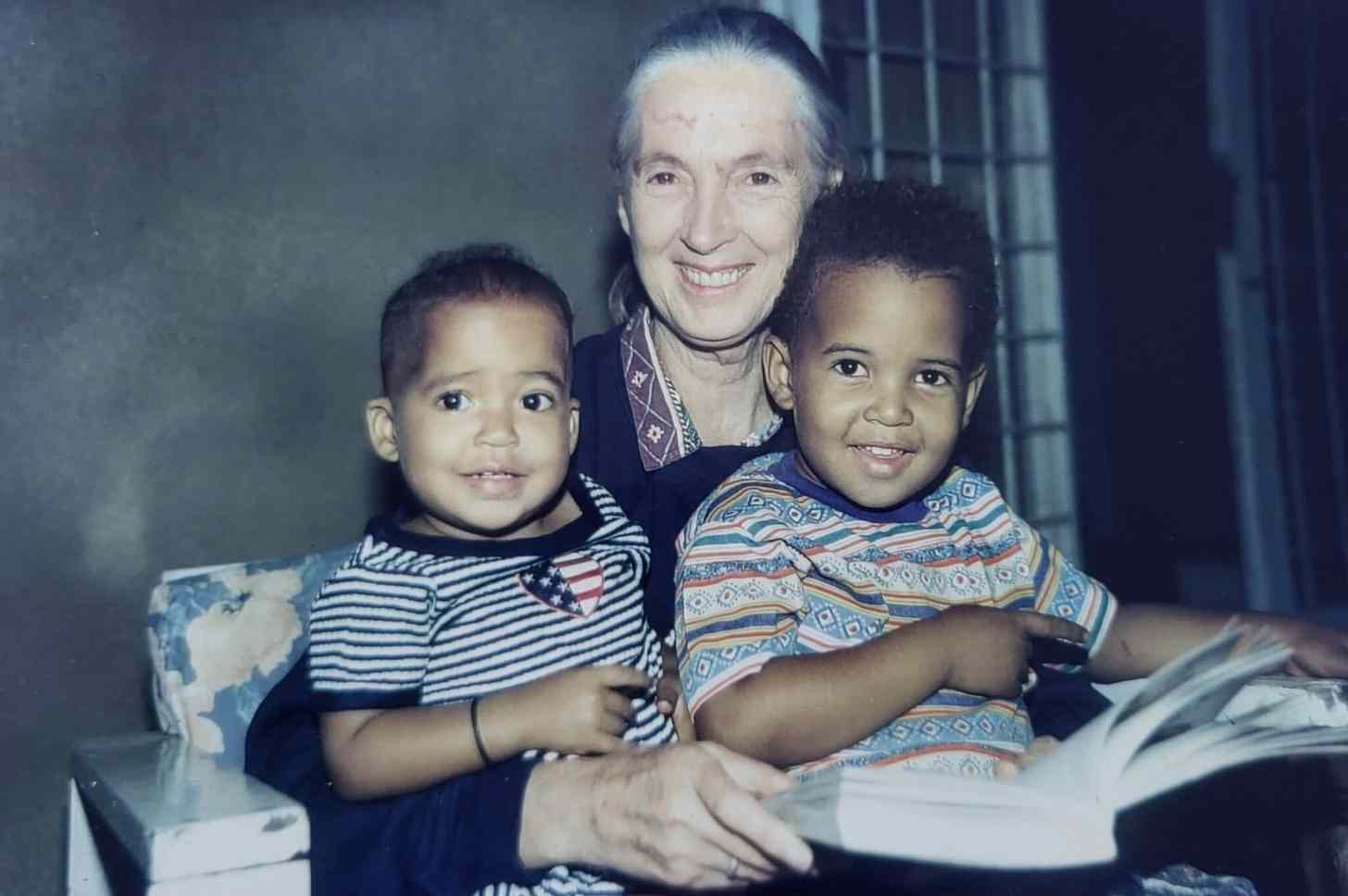
Growing up as her grandson — and it’s the same with my siblings — I started off in a very different direction, actually, to be honest. As a young kid, I wanted to become a football player, like every other kid on the block, you know.
And my grandmother once looked at me and she said: “Merlin, I know you’re going to become a conservationist when you grow up. You don’t know it yet, but I know it.”
She never pushed it. But somehow … she was right. She saw something in me, maybe. Or maybe she just wanted to plant a little seed, without making it obvious, I don’t know. But she was right.
Mongabay: Do you have the feeling to pursue her legacy today?
Merlin Van Lawick: Yes, yes, … she was like my role model. I used to spend as much time as I could around her. I was like a sponge. I would just observe, listen. See how you deal with people. See the way she reacts. See how she comes up with solutions when issues arise. And I try and be half the person that she was.
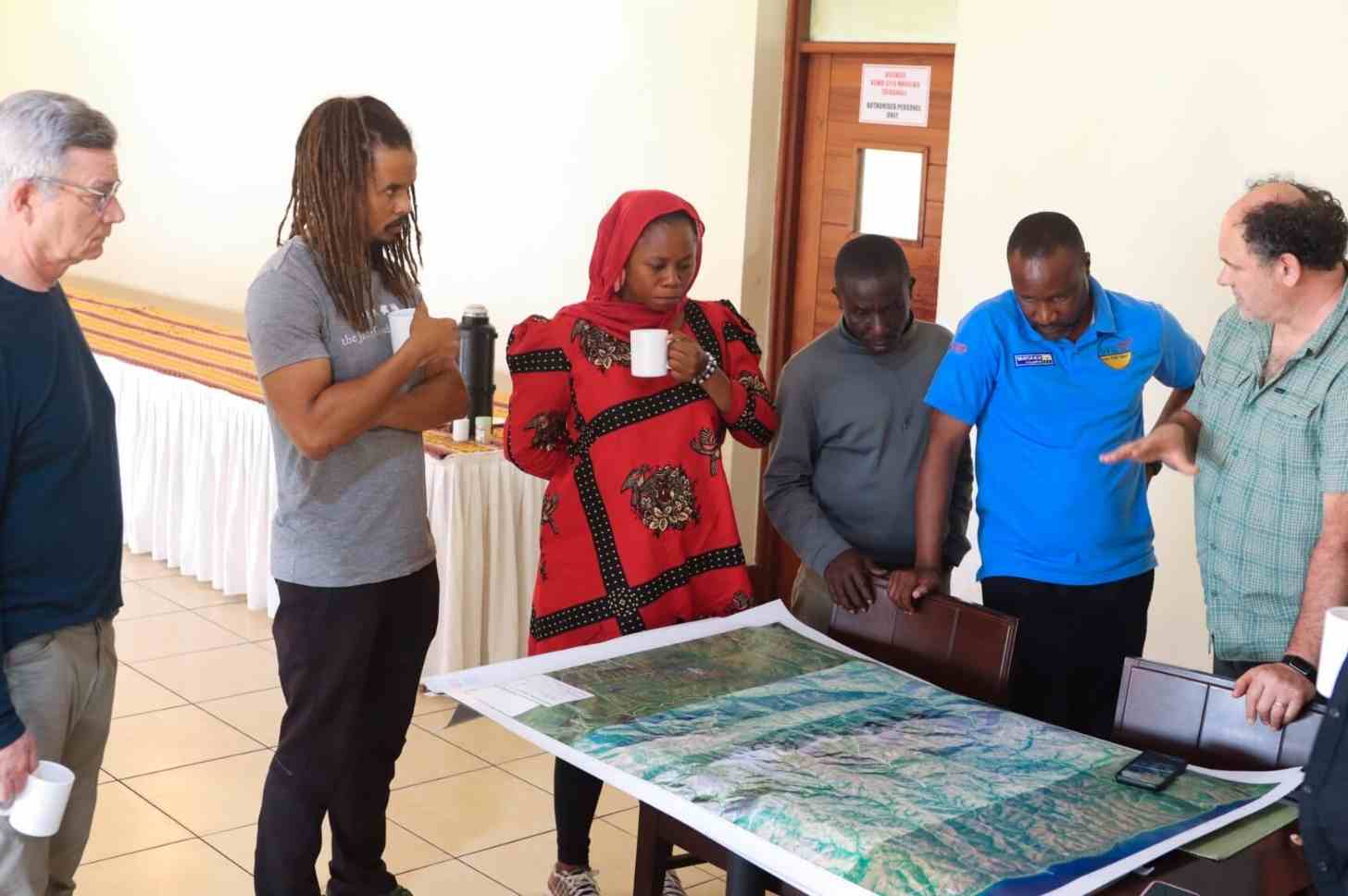
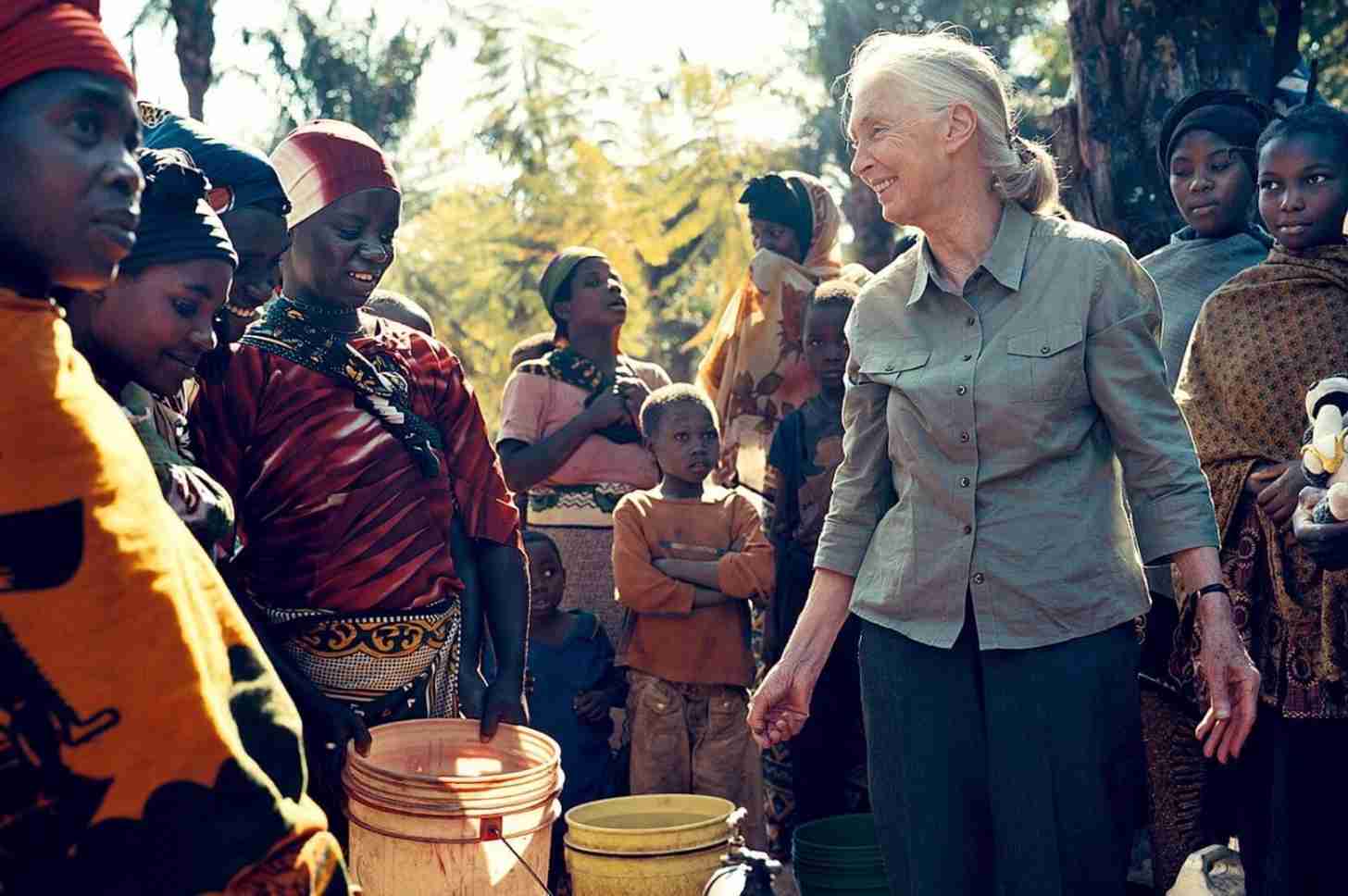
Because for me, she was known for all the right things. She invested her life and things that really mattered. Her goals, I think, should be all of our own goals: the future of this planet and raising the next generation to be a better steward than we are.
Mongabay: Could you tell us more about your connection with nature during your childhood in Tanzania?
Merlin Van Lawick: My childhood was filled with being outdoors. Because back then, we didn’t really have mobile phones with all the applications that you have right now. We did have a PlayStation and I did play a little bit of video games, but I preferred being outside.
I was lucky enough that we had the ocean right next to where our house was. I spent a lot of time in the ocean, on the beach, and the forest was not too far away too because of my grandmother’s work. I knew a lot of people who were going back and forth to the forest that I would join. I had a lot of time being out in nature, appreciating nature.
And I also developed a love for animals from a very young age.
Something similar that my grandmother used to do as a child — she used to bring worms, one day to bed and then she was trying to figure out how they walk without legs — and her mother was like, “You know, Jane, they belong outside, if you keep them here, they’re gonna die.” So she took them back outside.
I also brought all sorts of things to the house.
Mongabay: What is your role at the Jane Goodall Institute today?
Merlin Van Lawick: I am currently working for the conservation sciences team. My time is [divied] into different departments within the organization. I spend part of the time in the conservation sciences team, part of my time in the communications team, and then also the youth-led program Roots & Shoots.
Conservation science is all about the application of technology to help with conservation. And this is everything from the use of satellite images to monitor forests’ health, to mobile technology to empower communities, to taking care of their forests when they record new wildlife sightings that they’ve never seen, or what’s happening in the forest that they would like to report and record.
This is all in a dashboard that decision-makers in the government use to make important decisions about the village forests, etc.
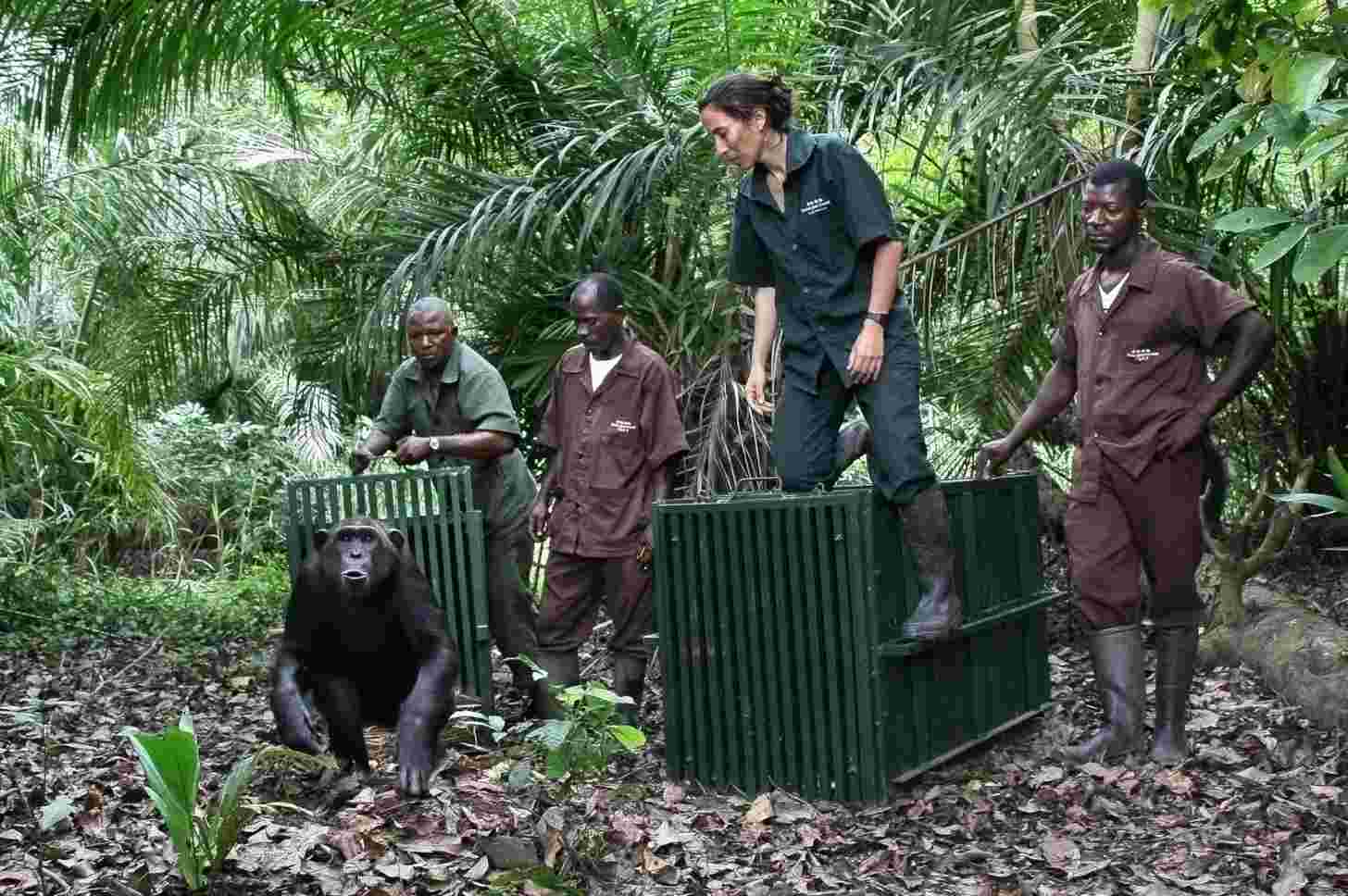
It also includes the use of more innovative or more emerging technology, which is something controversial to you. We’re looking into AI to help with a database of 60 years of research; so instead of going through it manually to search for a specific chimpanzee that was alive at a certain time, and figure out what they did, and who their relationship was within the chimpanzee community, you can have a chatbot that you can communicate with, and they will provide this information. We haven’t really implemented that, but we’re looking into it.
In communications, I promote advocacy efforts to journalists, do public speaking, and coordinate between our global bureaus.
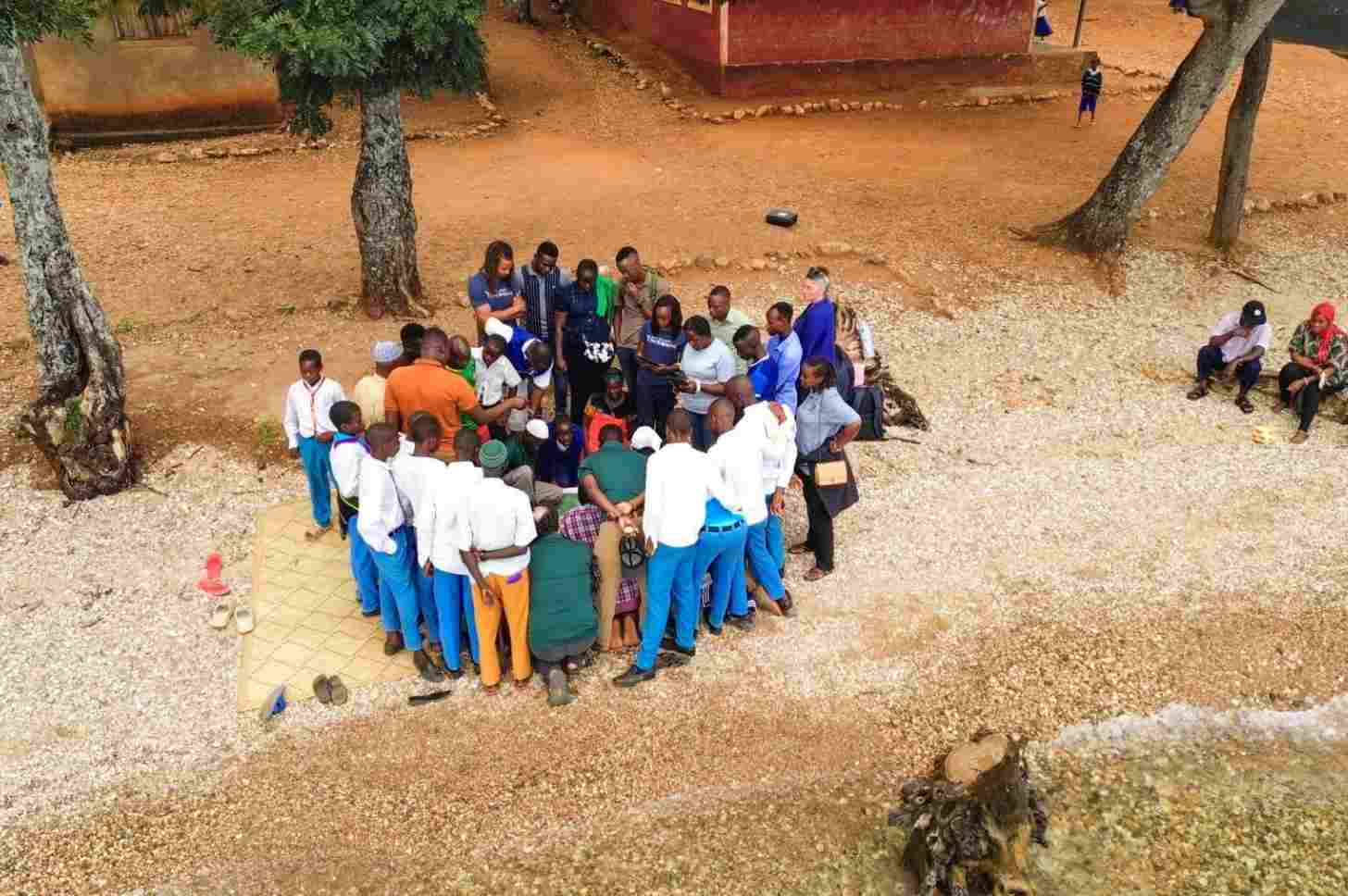
And in Roots & Shoots, I work very closely with my sister there. We work with young people. We go into schools, talk to the students about the program and ask who is interested, and let them identify issues in their communities and come up with their solutions. We create the space for them to be organized.
It’s youth-led. We don’t tell them what to do. They choose their issues and design their own solutions. They just need to complete three types of projects: one helping people, one helping animals, and one helping the environment. And then they get creative.
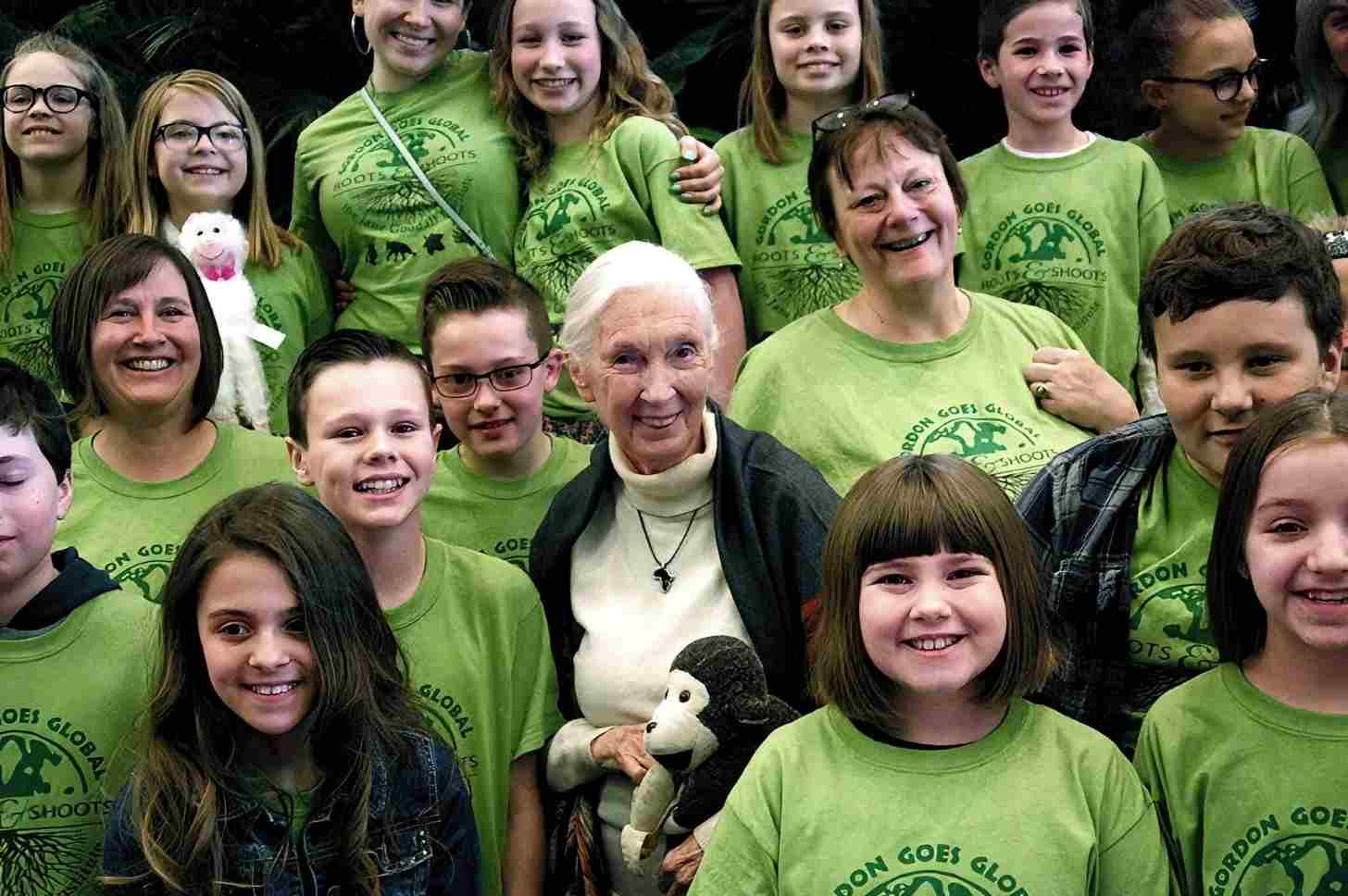
We have about 4,000 clubs across Tanzania (from what we have recorded).
Mongabay: What are the main issues you are facing today?
Merlin Van Lawick: Last year, we had the USAID cuts while the JGI had actually won a grant for $30 million for the next five years. And we weren’t even done with the first year when USAID got cut. So we have a $30 million gap in our funding for projects that we had planned. And where we are right now is scrambling to fill that gap. Though we have an amazing chapter network that did step in, and a lot of other organizations have helped.
The Irish Embassy in Tanzania stepped in to help out, which was great. But we had to let go of 60-plus staff members who were critical to the mission. So what we’re trying to do right now is just maintain our presence on the ground, although it’s stretched.
I think we’re scrambling to make it work. Definitely, funding and resources have been a huge challenge, especially in the last two years. And I suppose it’s going to be even more of a challenge now without Jane in the picture, because she was our biggest fundraiser. We could go and walk into any door when she was there … everybody would listen to us. We had Jane, Jane Goodall, on our side, and now we don’t.
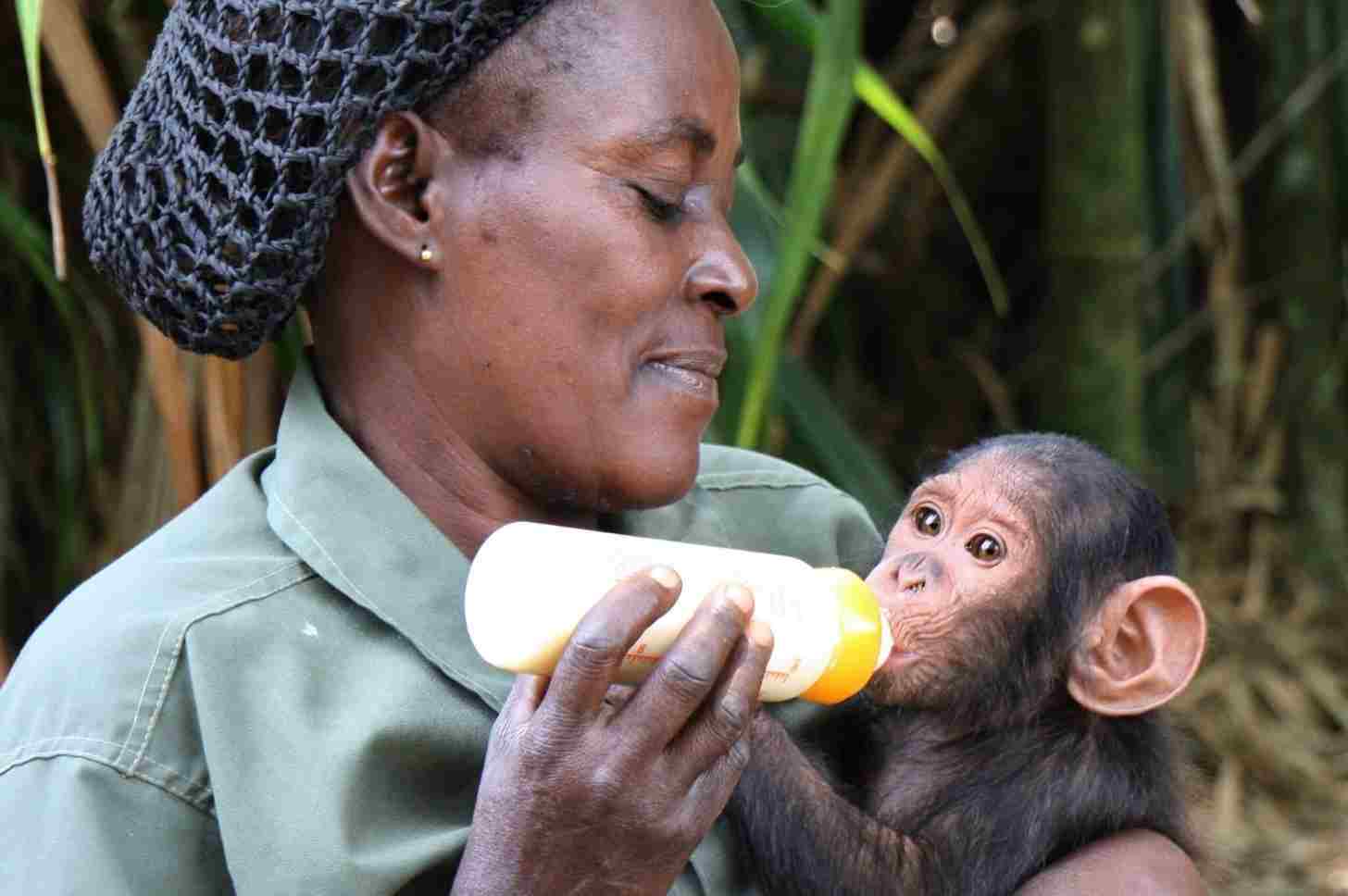
We are also trying to strategize differently now: breaking down the programs that we had in the past into smaller pieces that could be funded separately and diversifying our donors. Whereas before we’ll go for big agencies, now we’re working to find even smaller funding through corporate organizations that we believe are … not harming the environment, that we go through and check that are in line with what we want.
We don’t take money from [just] anyone. That’s very important for us. Diversifying our donor portfolio is one of the strategies I’ve been doing, trying to go for smaller funds, which is also hard, especially in Tanzania.
When you go and try to walk into these smaller funding doors, they’ll look at you, see that you’re from JGI, and say: “You’re supposed to be a big organization … this is not for you”. And we’re like, “No, we’re not. I mean, we are. But times have changed.”
Mongabay: What do you see in the future despite the challenges?
Merlin Van Lawick: Maybe some people might have heard this from Jane before. Jane used to talk about a way to conceptualize hope. She would say: Imagine you’re in a tunnel, a dark tunnel. And at the end of the tunnel, there were these lights. This light symbolizes hope. It’s no good sitting there and just hoping that the light is going to come closer to you.
What you have to do is start crawling towards that light. You have to get over obstacles, under obstacles, push against them. Do what you can to get to that light at the end of the tunnel. Hence, hope is rooted in action. So I don’t just believe that hope alone is enough … we have to do something about it. And that’s what she stood for.
This article was originally published on Mongabay.
Banner image: Merlin Van Lawick at the Change Now conference in Paris to celebrate Dr. Jane Goodall’s lifetime achievements and bring together figures closely connected to her work and life. Image by Mary Lou Mauricio / Hans Lucas.