According to the United Nations Environment Programme, approximately 60% of all materials used by the fashion industry are made from plastic. Those polyester stretchy pants you love so much?
They can take up to 200 years to naturally decompose — the same as a plastic straw.
But science is embracing new technologies to make our clothes from materials that are biodegradable and less taxing on the environment from start to finish.
One such example is Keel Labs.
The startup was founded by Aleks Gosiewski and Tessa Callaghan while they were studying at the Fashion Institute of Technology.
The two bonded over their shared frustration with textile waste and began the search for a substance that met their criteria: It had to be able to be turned into a fiber, be an abundant and naturally occurring resource, and have existing supply chains.
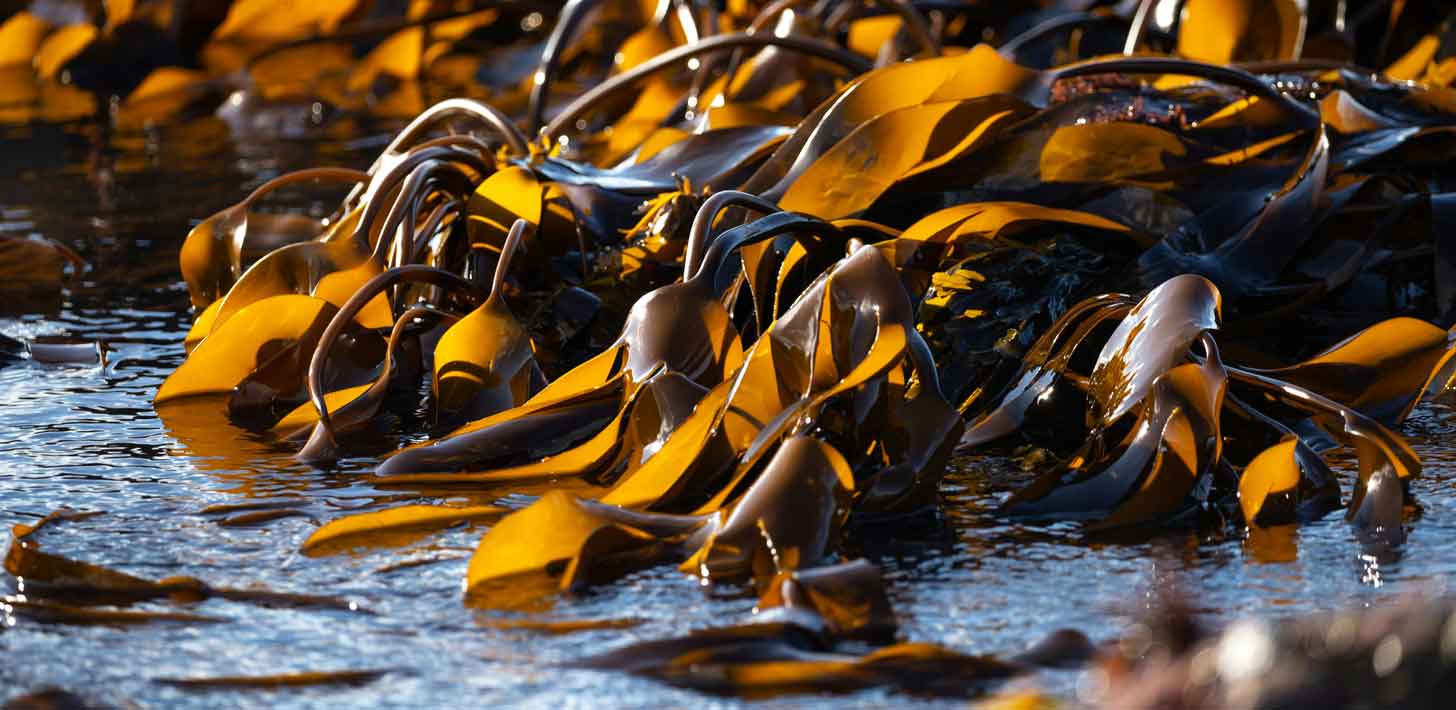
Eventually, they turned to the ocean, and that’s where they found their match in kelp.
“Seaweed is one of the most regenerative organisms on our planet and absorbs carbon dioxide in the ocean, similar to trees on land,” Keel Labs explains on its website.
“We combine this with our proprietary formulation to create Kelsun, a bio-based fiber that can be used across non-wovens and traditional textiles industries.”
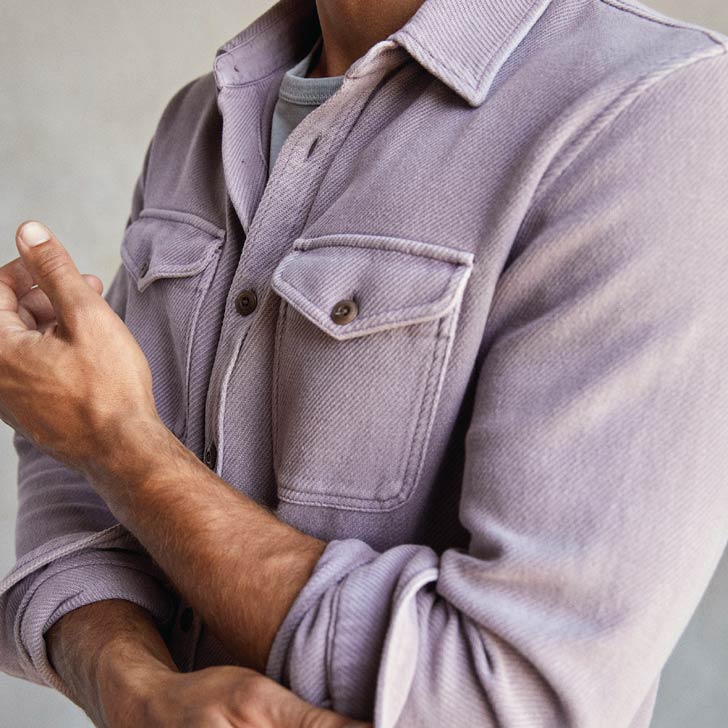
Kelsun is an all-natural, biodegradable material that is turned into yarns and non-woven textiles like felt. It is naturally flame-resistant and does not contain or create microplastics.
Keel Labs has begun working with brands like Stella McCartney and Outerknown and have released other items like T-shirts and vests, all made from the Kelsun material.
“We need to get creative and innovative with alternatives, moving beyond the limited materials that the industry has been working with traditionally,” McCartney said at COP28.
“If we can work collaboratively with these goals, we can actually begin doing business in a way that regenerates our planet instead of only taking from it.”
You may also like: Woman transforms clothing waste into building materials to solve 'global south housing crisis'
A version of this article was originally published in The 2025 Fashion Edition of the Goodnewspaper.
Header image courtesy of Chris Stenger on Unsplash and Keel Labs