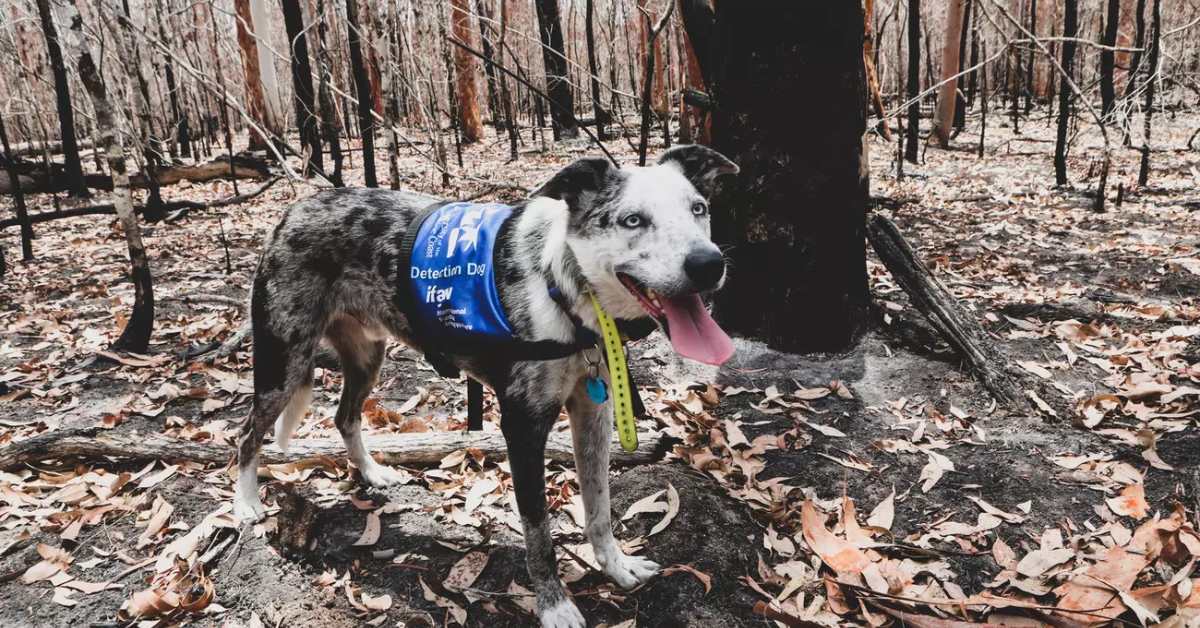
When catastrophic bushfires wreaked havoc on Australia in 2019 and 2020, one hero stood out for his life-saving work to protect koalas from the worst of the fires.
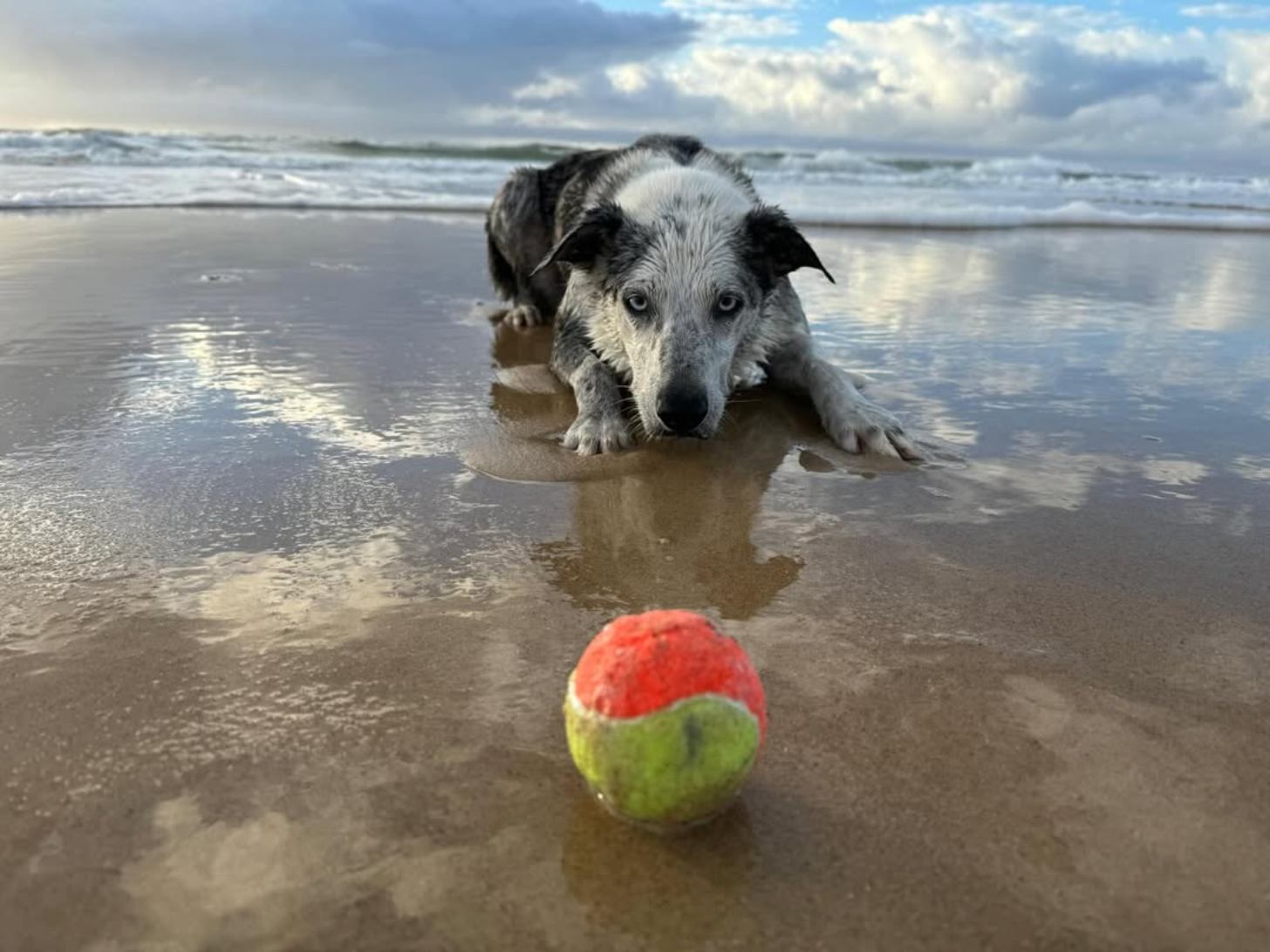
He is a dog, and his name is Bear.
After a decade of service, the 11-year-old pup has retired, but his work has been so instrumental to conservation efforts that the search for his successor has already begun.
About 10 years ago, Bear was recruited to sniff out koalas and other wildlife in need of rescue, working with IFAW and the University of the Sunshine Coast’s Detection Dogs for Conservation.
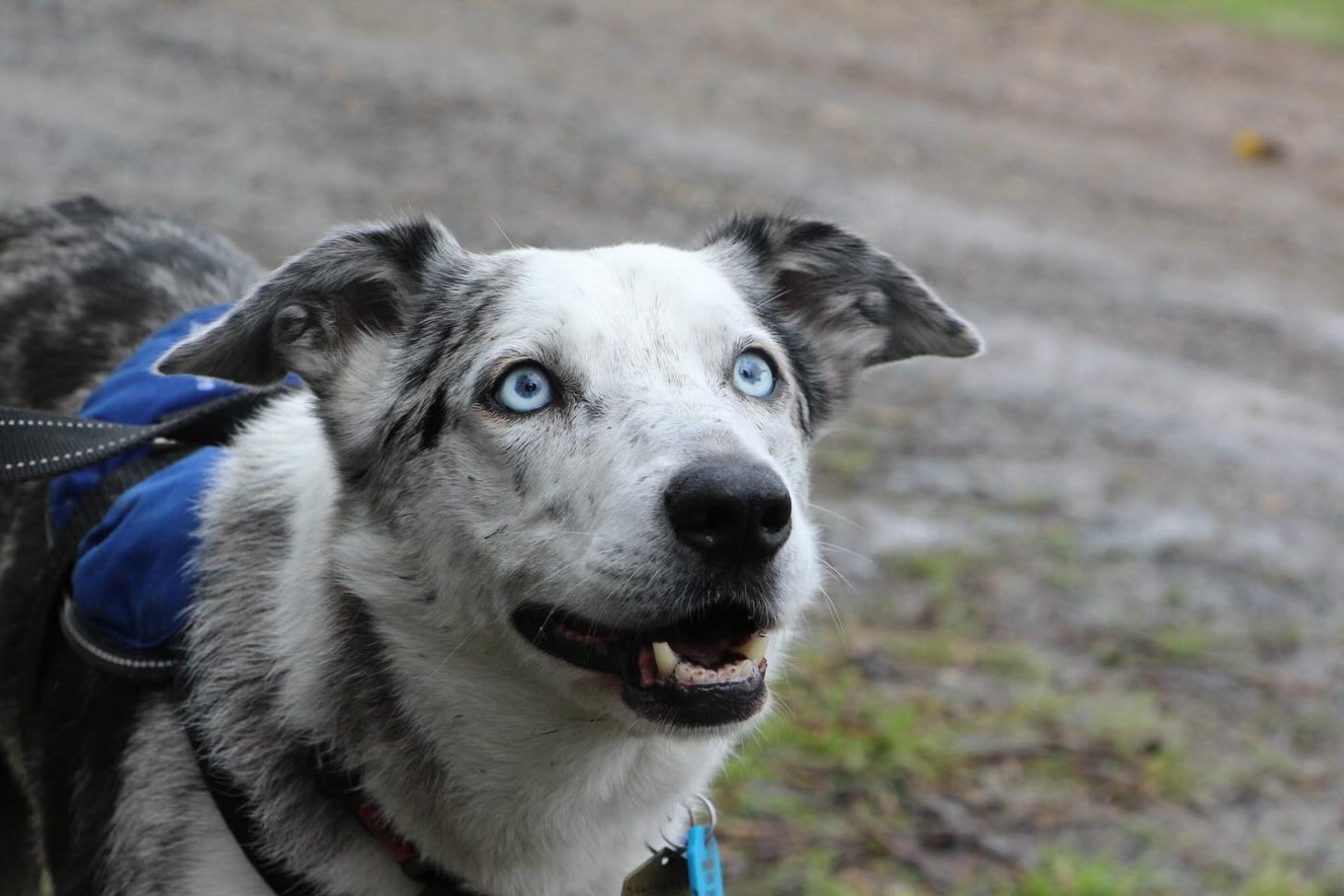
He was one of the first dogs in Australia to be trained on the scent of fur of live koalas, learning how to drop to the ground at the base of a tree when he finds a koala in need of saving.
And his payment? Time playing with his ball.
“Bear has been a huge part of our lives, and a tireless ambassador for koalas for a decade, and I can’t believe we won’t walk the bush in search of koalas together anymore,” University of the Sunshine Coast conservation ecologist and associate professor Romane Cristescu said in a statement.
Cristescu is one of Bear’s former handlers.
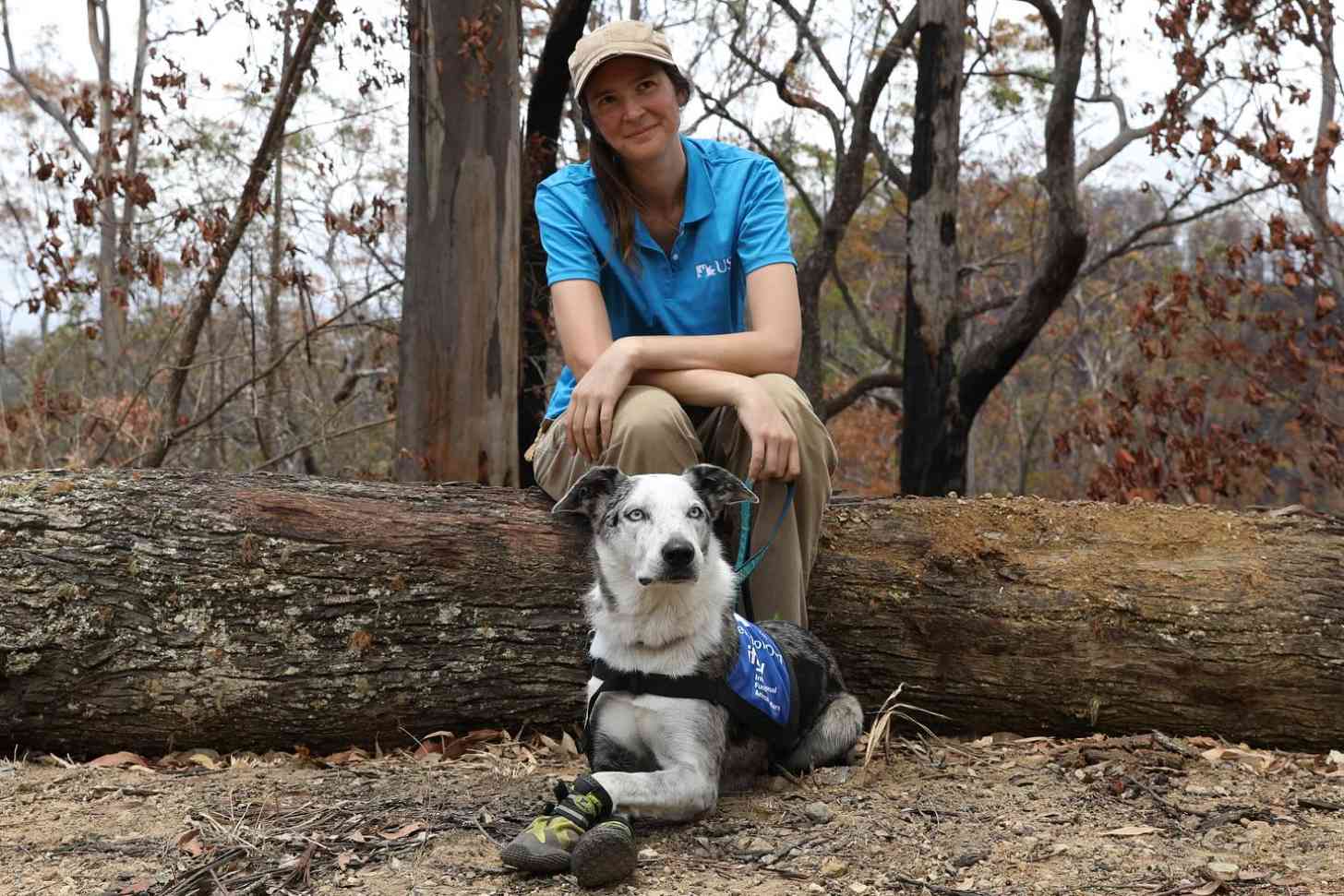
“He melted hearts all around the world, and opened many doors so we could have critical and difficult conversations about climate change and its impacts on the threatened koalas, as well as so many other species,” she added.
Thousands of koalas were impacted by the Black Summer fires, but Bear helped recover more than 100 koalas across the scorched bush in need of veterinary care.
“The moment Bear stepped onto that fireground, we had no idea what he’d be capable of, until he exceeded every expectation,” IFAW head of programs Josey Sharrad said.
“That’s when we realized we weren’t just working with a dog, but a true hero.”
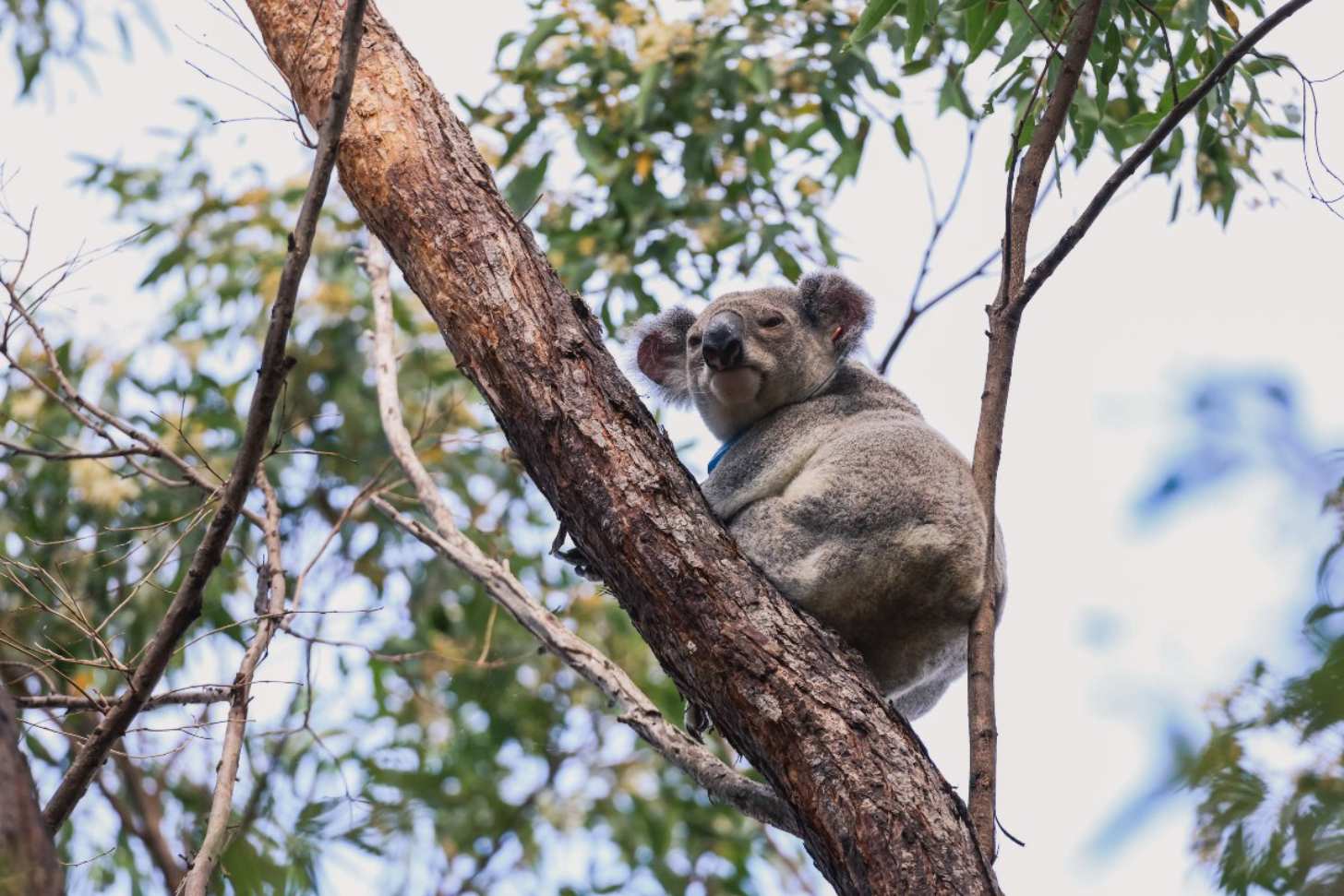
Bear was not exactly destined to be a family pet, Sharrad said. He had boundless energy and needed to be put to work.
“The worst pets often make the best detection dogs, and Bear is a classic example of this. His energetic nature and ball obsession made him the perfect candidate,” Sharrad said. “He literally went from chewing the walls of a Gold Coast apartment to roaming through the Aussie bush on a mission to save our most iconic species.”
Now, as Bear finally finds the capacity to rest, conservation groups are working with the Detection Dogs for Conservation team, along with a French canine expert, to find the next great koala detection dog.
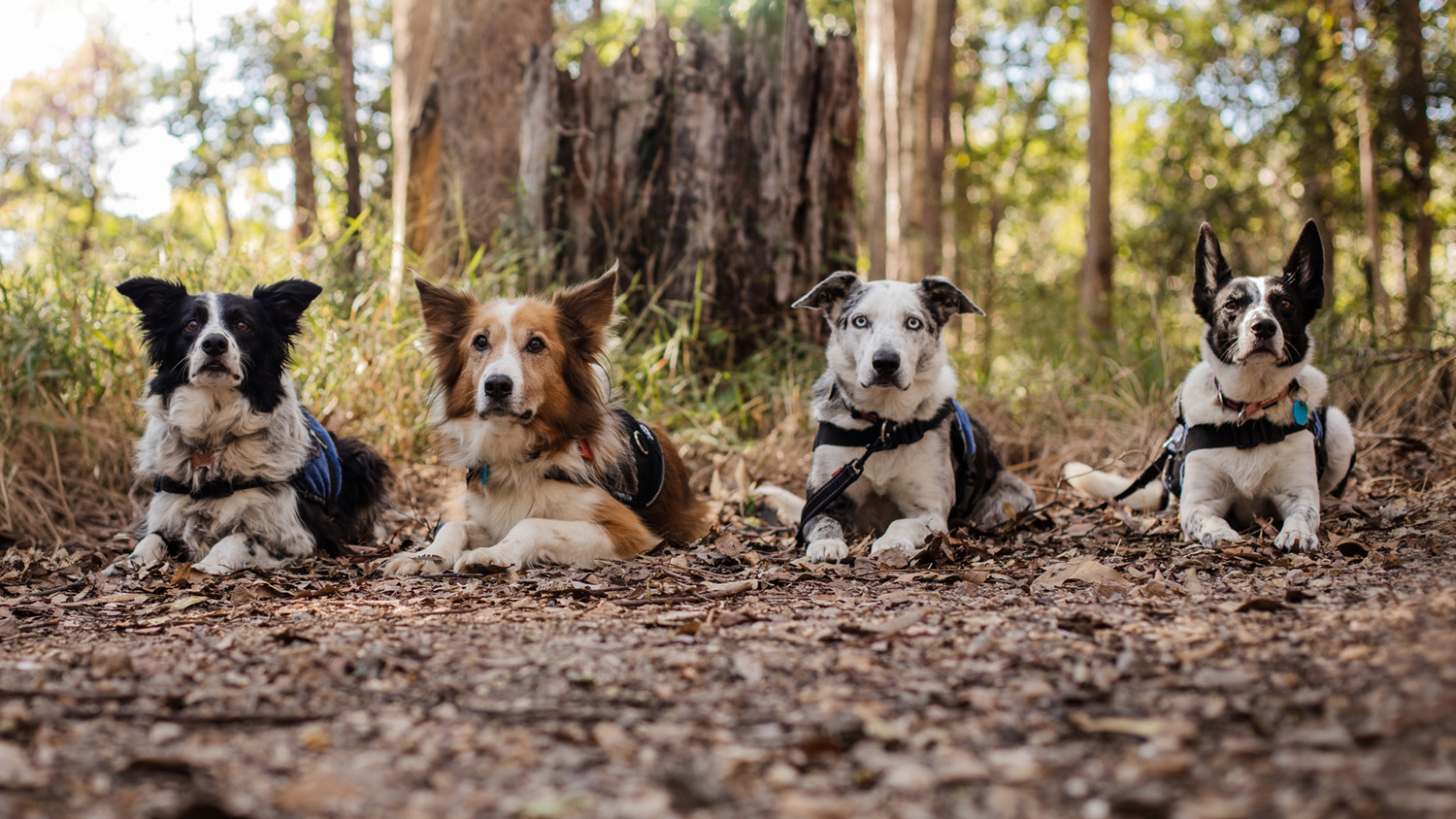
Other detection dogs with the group, Maya, Baxter, and Billie-Jean, also support conservation efforts, but many of them are trained to sniff out droppings — not injured koalas. So, Bear’s replacement will have to be the perfect fit.
“They can smell what we can’t see,” Sharrad told The Guardian.
The new recruit will likely be medium-sized and younger than two years old — and most importantly, comfortable charging through dense bush.
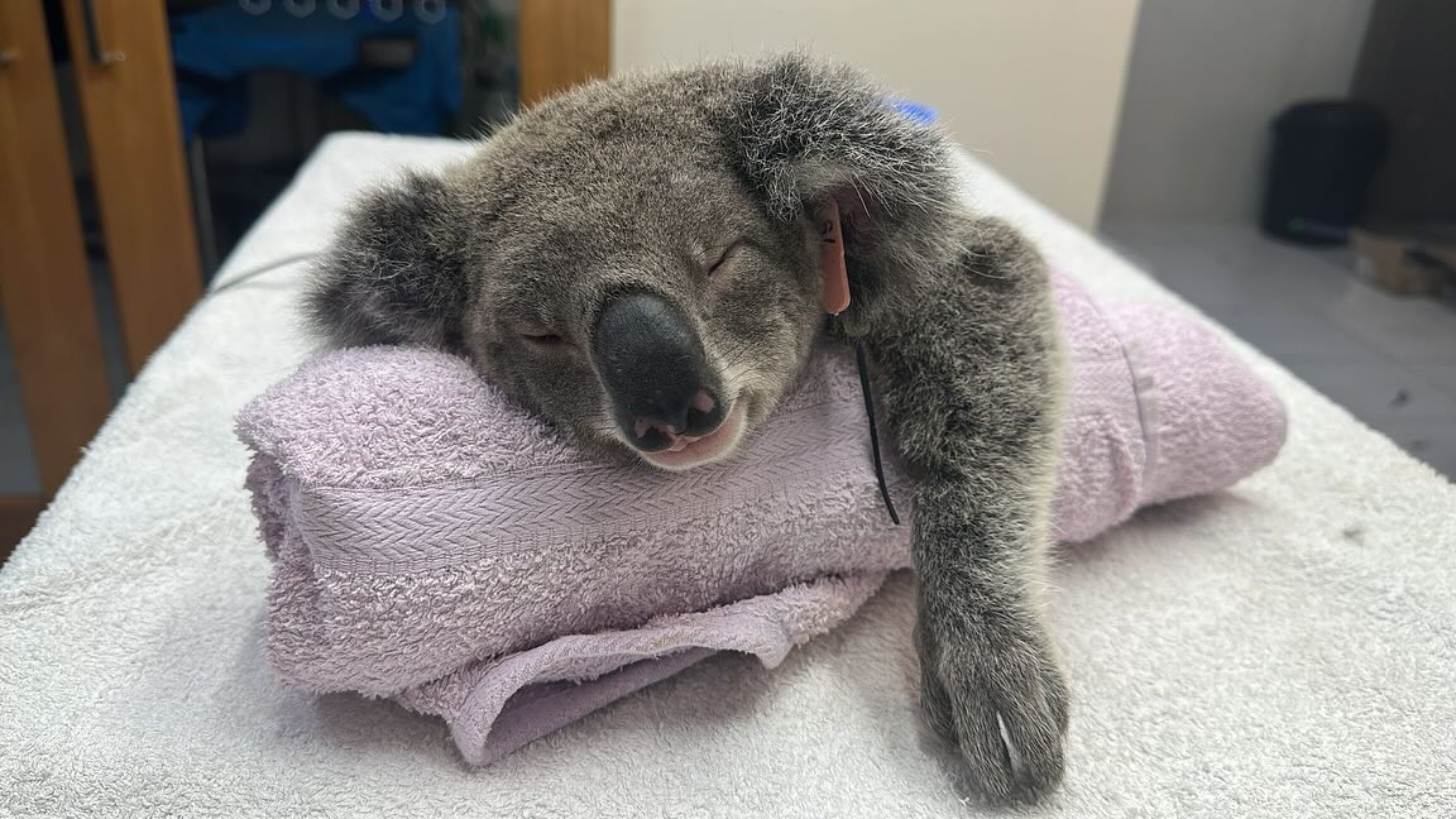
This dog will do work similar to Bear’s, sniffing alongside drones and human spotters, especially in the wake of bushfires, floods, and cyclones.
“[Bear] found his life’s true purpose and never stopped surprising us with his koality skills,” Sharrad said. “His legacy will continue through the next generation of detection dogs who will follow in his famous pawprints.”
As his canine colleagues continue their work to help conduct surveys for wildlife and habitat conservation research, Bear will be at home, with his human and one of his former handlers, playing fetch.
“By his personality, which is both joyful and goofy, he was able to bring light to the most dire moments of many people’s lives,” Cristescu, Bear’s handler, said.
“We are incredibly grateful and lucky to have had Bear as a companion in our lives and to fight for koala conservation.”
You may also like: 'Dog-sniffing dog' helps volunteers rescue lost pets: 'A game-changer'
Header image by Jimmy Malecki / IFAW