It’s been less than a week since devastating flash floods struck five districts in Nepal.
Since August 26, tens of thousands of people have been reeling from the deadly floods, with homes destroyed, roads and bridges collapsed, and communities cut off from any support.
As of September 3, the death toll has climbed to 1,252, with an additional 4,216 people believed to still be missing, ABC News reported.
The event was initially reported as an earthquake of magnitude 4.4. But then, the United States Geological Survey later determined the tremor was caused by glacial rock and ice collapsing, registering a magnitude of 5.2.
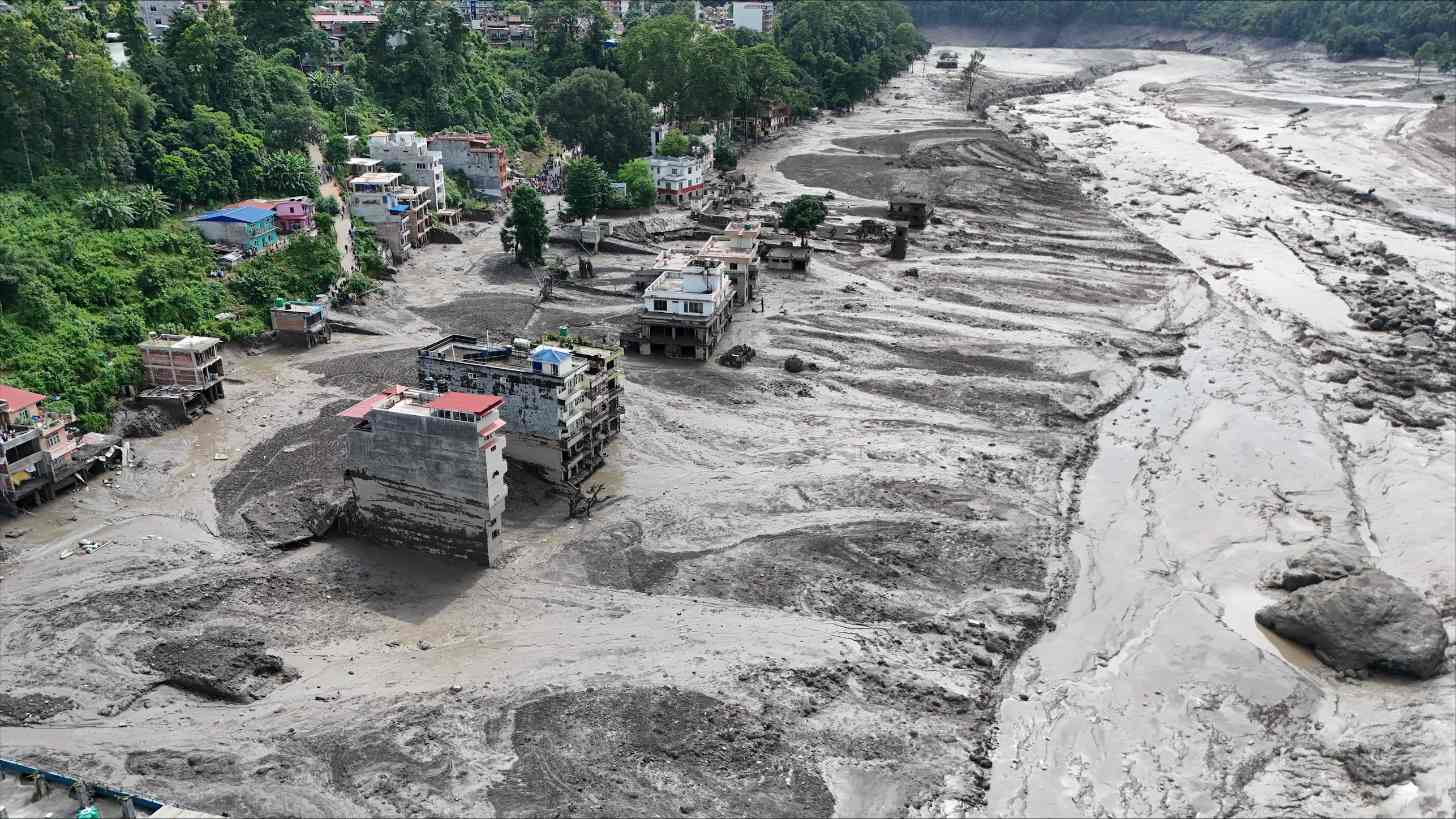
This glacial collapse then triggered a massive release of water, mud, rock, and ice that careened down valleys and overtook four area rivers.
Along with local on-the-ground fundraisers verified by GoFundMe, Nepalese locals have been supported by a swath of international aid organizations. They include: UNICEF USA, All Hands & Hearts, Americares, Binaytara, DirectRelief, Mercy Corps, GEM, Oxfam, Save the Children, One Heart Worldwide, World Central Kitchen, and Wine to Water, among others.
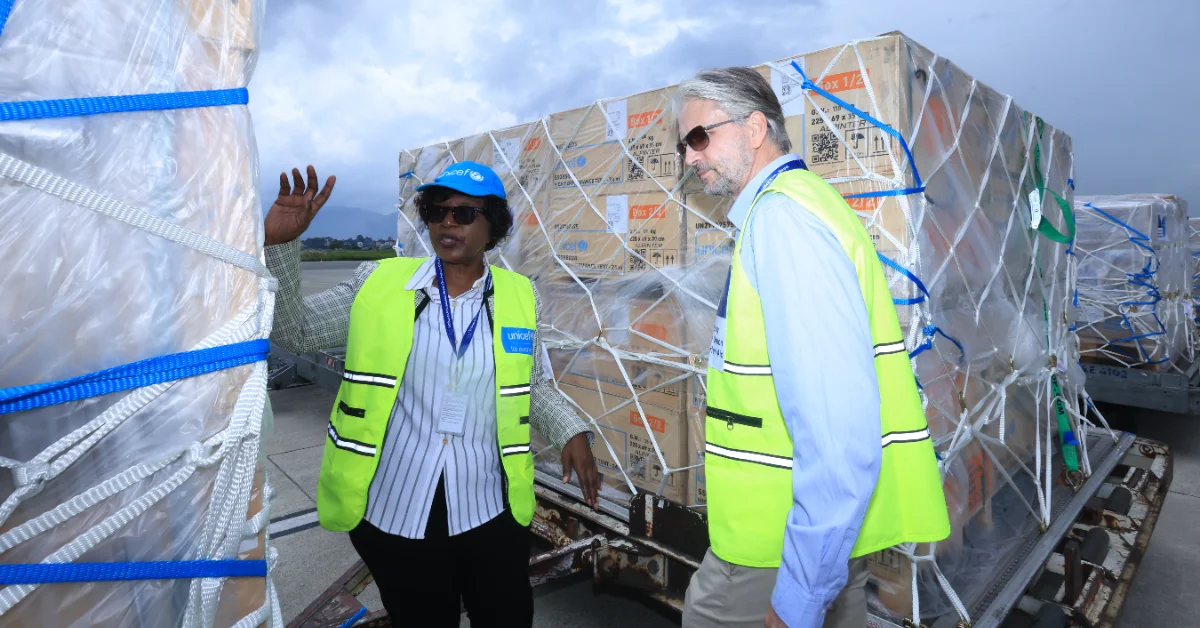
On the morning of September 4, UNICEF USA announced that a flight carrying 84 metric tons of critical humanitarian supplies landed in Kathmandu, coordinated between UNICEF and European Union Humanitarian Aid.
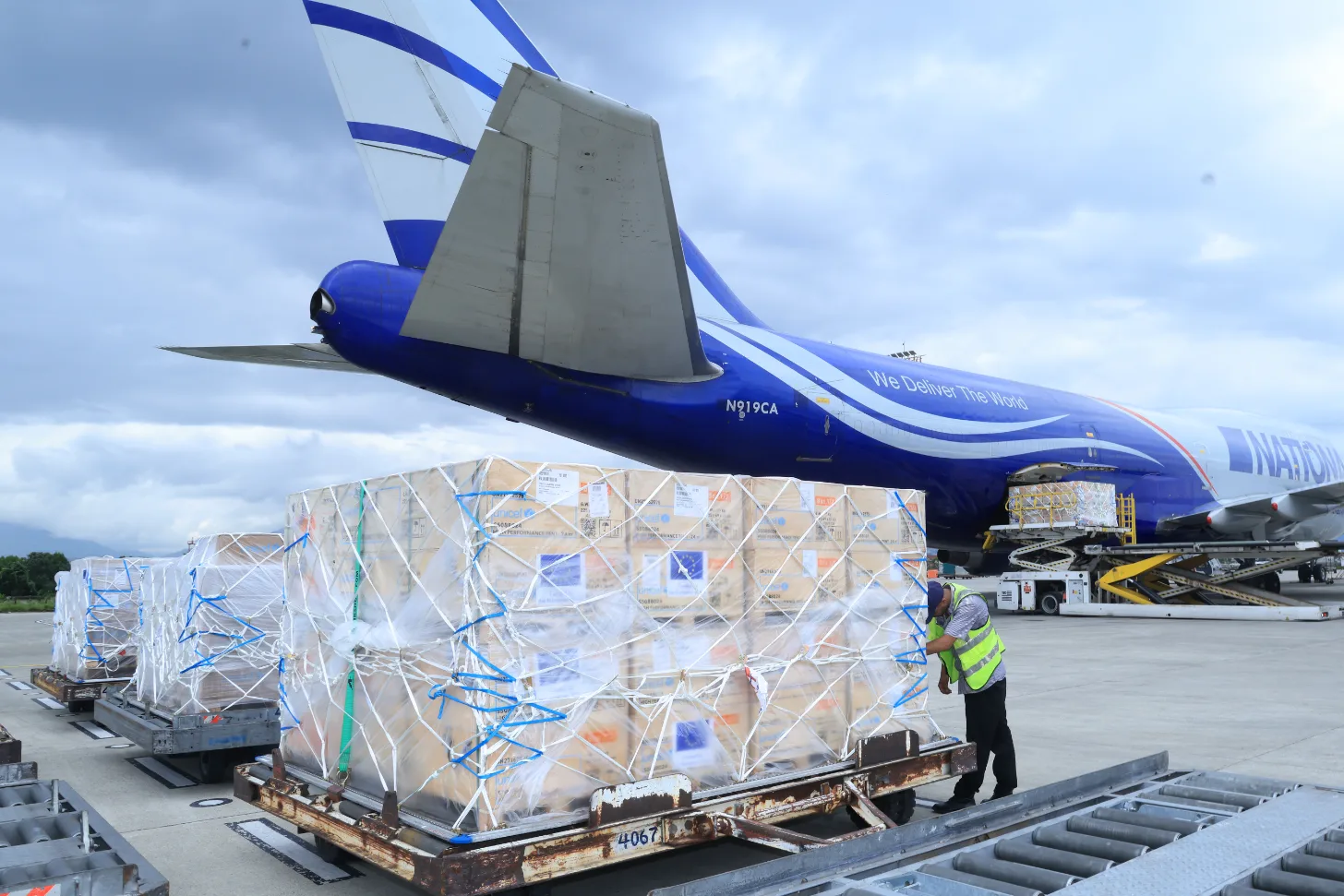
The flight, which departed from Copenhagen, carried emergency supplies to support hundreds of thousands of people, including: acute watery diarrhea kits and diagnostic equipment; water tanks, hygiene kits and water treatment supplies; tents; winter clothing kits for infants and children; and learning materials.
“These supplies are arriving at a critical moment for children and families affected by the floods,” Alice Akunga, UNICEF representative in Nepal, said in a statement.
“Thousands of children have seen their lives turned upside down in a matter of minutes. Many have lost their homes, their classrooms, and their sense of normalcy. This shipment will help us deliver urgently needed support and reach children and families with services that protect their health, wellbeing, and future.”
Since landing, dozens of trucks have mobilized to transport relief items to some of the hardest-hit communities in Rasuwa, Nuwakot, and Dhading districts in Nepal. In the days immediately following the floods, UNICEF has been working with national and local authorities to deliver emergency relief with materials they already had on hand.
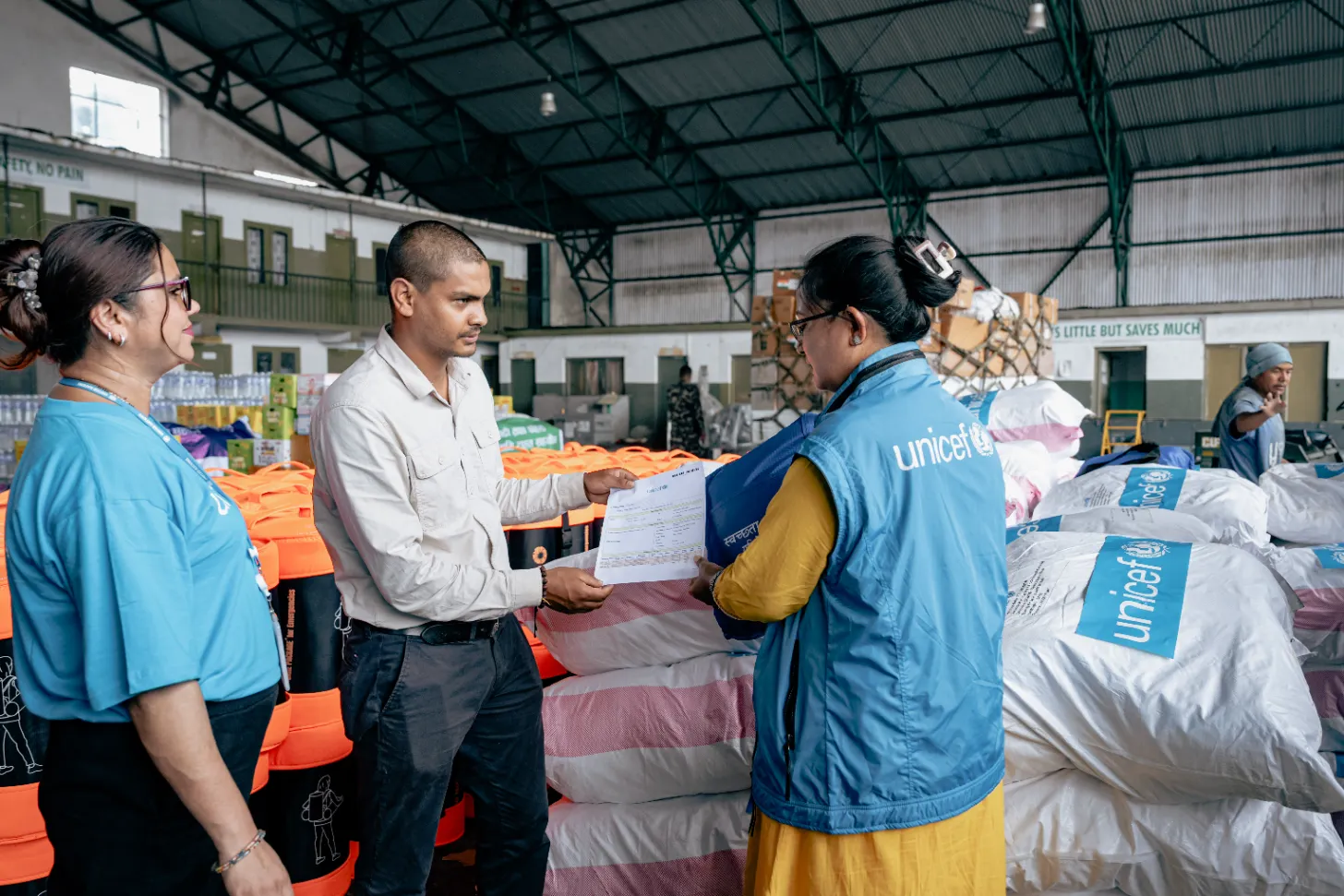
Now, they will be able to provide even more support, as the aid aims to help families access safe water, strengthen disease prevention, support children's learning, and give frontline health and nutrition workers the tools they need to care for local mothers and children.
“The generosity of our partners, including the European Union Humanitarian Aid, is helping us move quickly when children need support most,” Akunga added. “Continued support is essential to help children recover, stay healthy, return to learning, and rebuild their lives in the weeks and months ahead. As the scale of the disaster is enormous, and the needs remain significant, every day matters.”
Other organizations have mobilized on the ground quickly.
World Central Kitchen announced on September 1 that it had one operational community kitchen, with two others about to come online.
“Our early focus was Nuwakot Province, where evacuees were being airlifted to a makeshift airfield in Bidur. Families waited at the gates, straining for a familiar face,” an update from WCK reads.
“The moment survivors landed, WCK and our partners were waiting with a hot meal. Through the first few days of the response, WCK has served thousands of meals — including local staples like samosas and momos.”
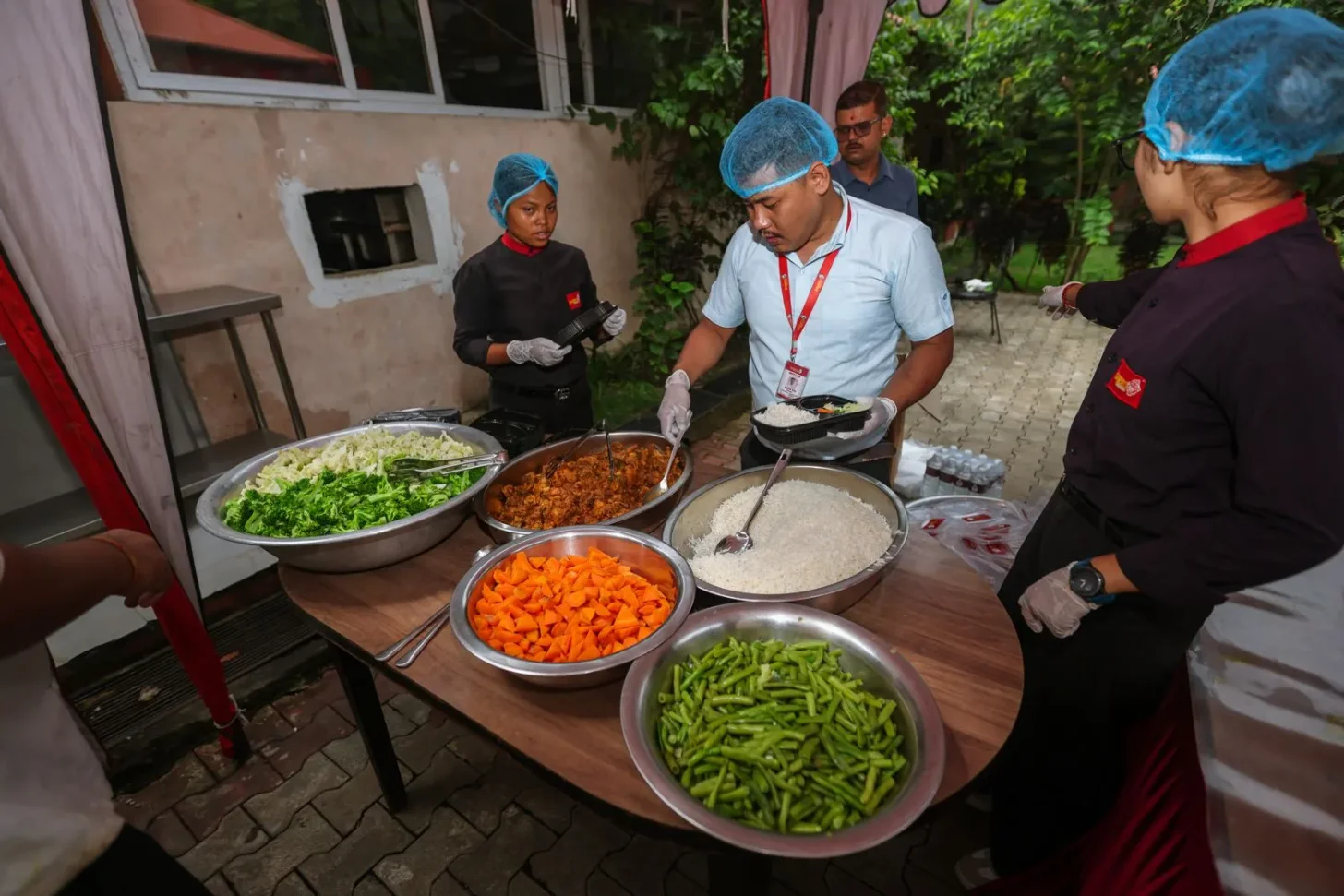
Traveling to get to people in need proved difficult for WCK teams, as advancing just seven miles took over five hours due to damaged infrastructure. The organization said local knowledge of Nepal Scouts helped them get to where they needed to be.
“As road conditions north of Bidur improve, we are mobilizing more equipment to ensure kitchen teams have everything they need to cook at scale,” WCK concluded.
The humanitarian response to a crisis of this scale requires all hands on deck, with aid organizations from across the world convening to help the people of Nepal.
“The E.U. stands with the people of Nepal in the aftermath of these devastating floods,” Thomas Millar, Chargé d’Affaires a.i. at the EU Delegation to Nepal, said in a statement.
“As climate change increases the risks of floods, landslides, and other disasters, we are supporting communities with essential humanitarian assistance when disaster strikes, while strengthening preparedness, early warning systems, and local response capacities to help save lives and build resilience for the future.”
You may also like: GoFundMe launches hub of verified Nepal flooding relief fundraisers
Featured Image: Laxmi Prasad Ngakhusi/UNICEF