Three years ago, a team of researchers from Flora & Fauna, a global conservation charity, set out to explore the Battambang Province of western Cambodia and get a head count on the animals that lived there.
Before they set out, the researchers were hoping to spot threatened species like the Sunda pangolin, the Indochinese silvered langur, and the green peafowl, all of which are known to live amongst the region’s 60 karst caves (rock formations made from limestone, dolomite, and rain).
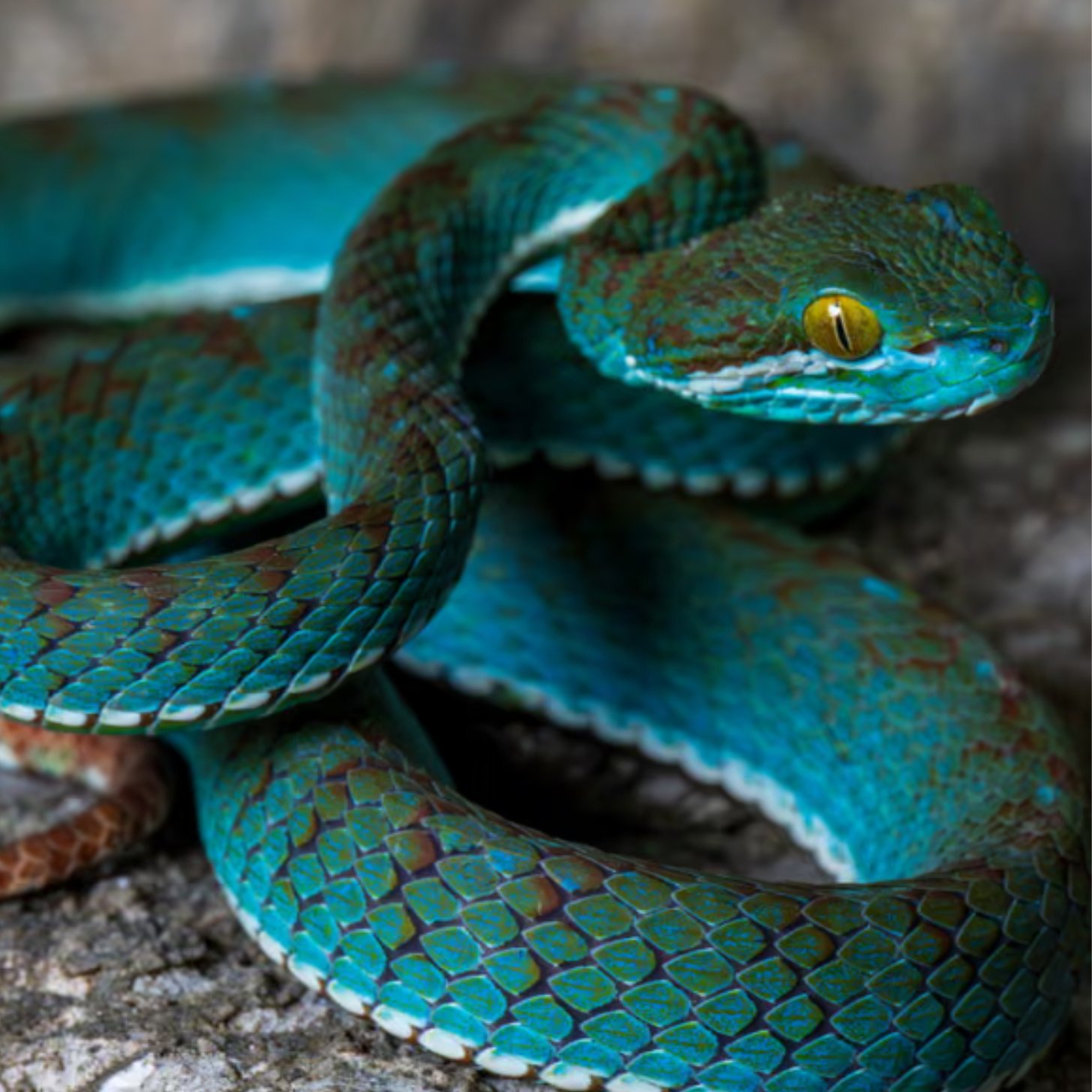
But nothing could have prepared them for what they were about to discover: A “treasure trove” of 11 new species, including three new gecko species, two species of millipedes, two micro-snails, and a stunning turquoise pit viper.
The researchers conducted their animal survey from November 2023 through July 2025, using cameras throughout the cave systems to collect images and information on an array of bird, mammal, and reptile species.
Seven species — including some of the geckos, millipedes, and snails — have already been formally described. As for the striking blue-and-green pit viper? It’s still undergoing the process of being officially recognized as a new species.
While its scientific name awaits consideration, the term “pit” refers to the heat-sensitive organ on its head that it uses to detect prey.
Despite the survey’s success, the researchers were excited to learn more in the coming years.
“Cambodia’s karst areas are a treasure trove of scientific secrets waiting to be uncovered,” Sothearen Thi, the Karst Biodiversity Coordinator, told IFLScience. “From undiscovered reptiles and snails, to hidden caves — there is still so much we do not know about these unique ecosystems and the diversity of creatures living within them.”
Although the new species discoveries are exciting, they are also critical to adjusting conservation strategies and efforts around the globe.
And according to evolutionary biologist Lee Grismer, who supported the survey team, they are still unpacking what they’ve learned.
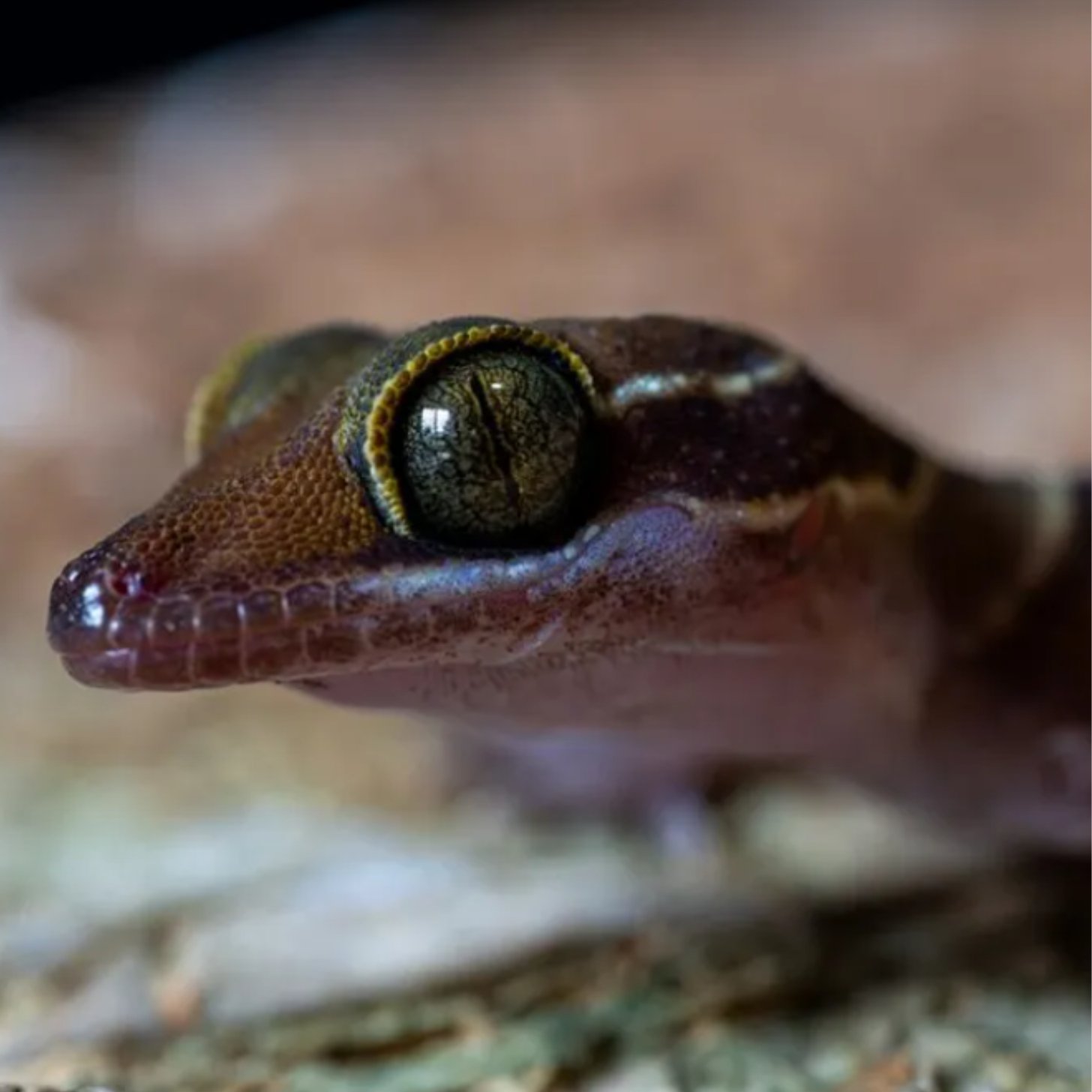
After Flora & Fauna researchers identified a striped Kamping Poi bent-toed gecko species (Cyrtodactylus kampingpoiensis) in 2024, they soon realized that the region’s four distinct populations appeared to be evolving along different paths.
“If we are truly going to conserve the biodiversity on this planet, we need to understand what is there,” Grismer said in a statement. “We can’t protect something if we don’t know it exists.”
You may also like: Divers shared photos of an 'underwater panda.' It turned out to be a new species
Header image via Tan Danh/Pexels