For years, National Geographic’s Explorer Classroom has allowed students from all over the world to join Zoom calls with the globe’s leading scientists and adventurers.
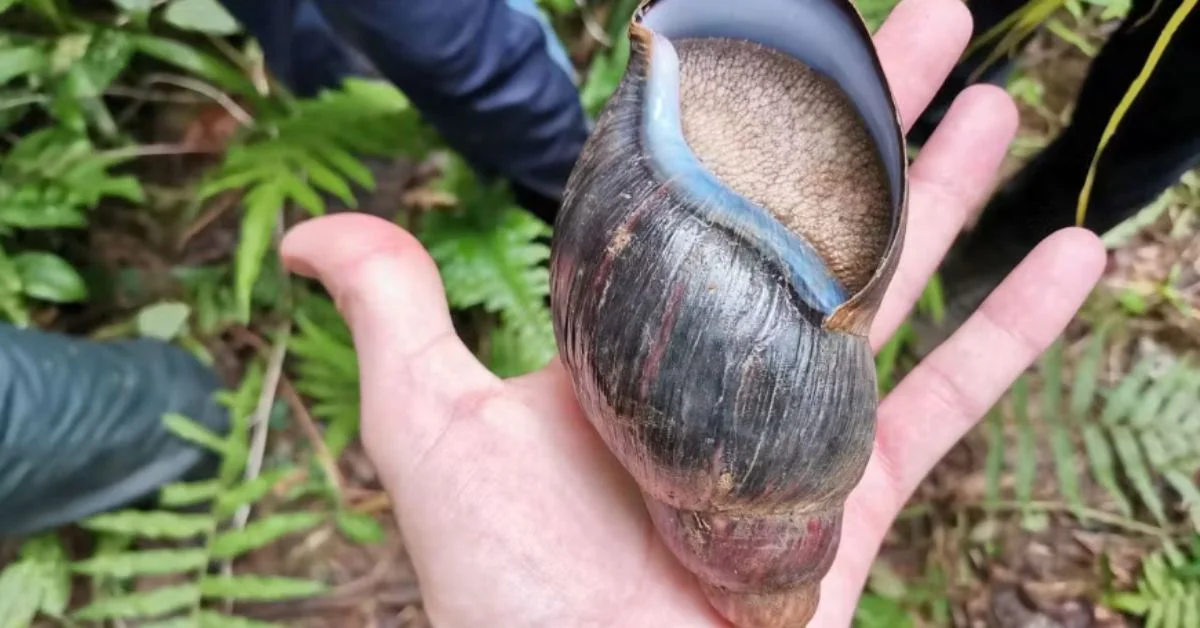
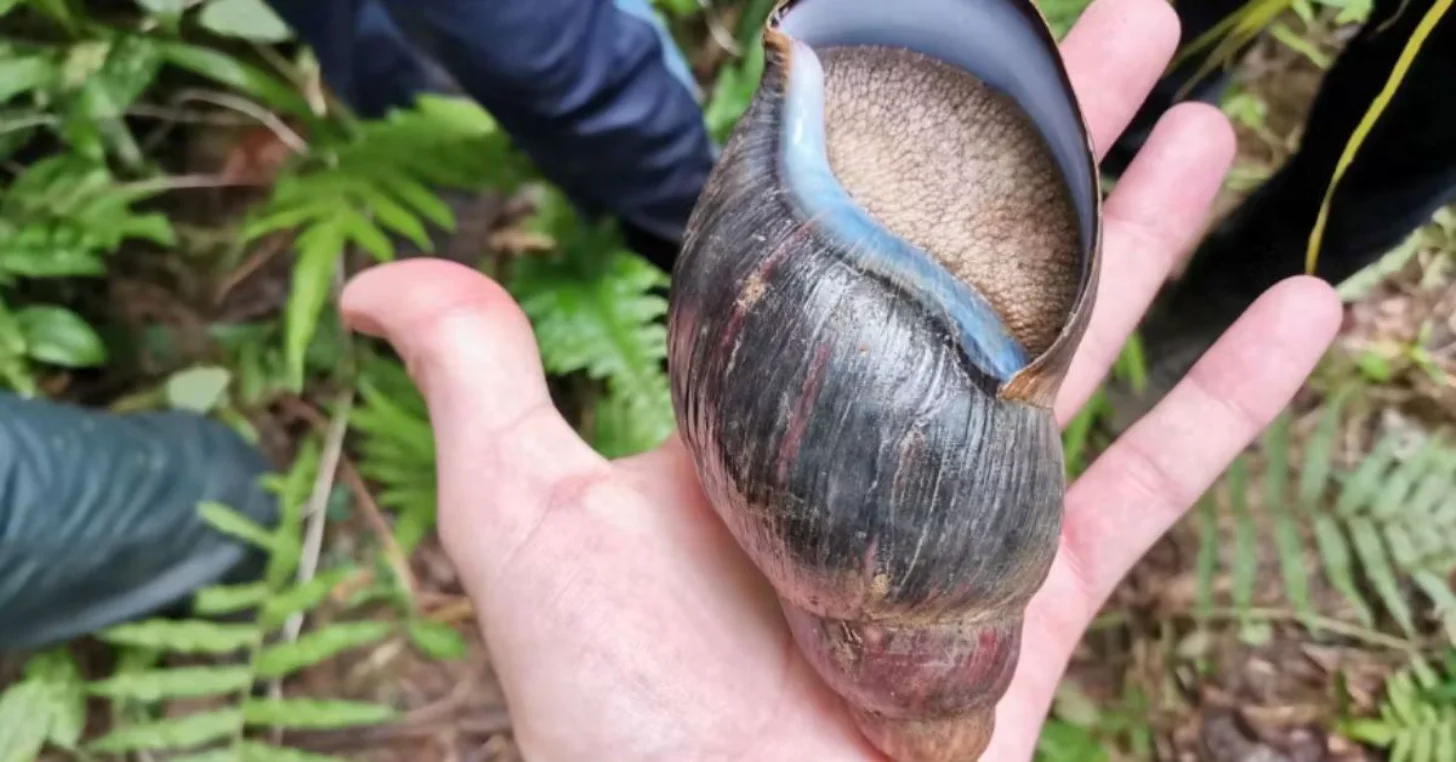
In April, students aged 8-14 learned about snails and spiders with biologist Martina Panisi, joining her virtually as she stood in the middle of a tropical forest in Central Africa, surrounded by towering trees. In her hand, she held a giant, croissant-sized snail as though it were a precious gem.
“The Obô giant snail,” Panisi said, cradling it carefully with gloved hands. “It’s my favorite species in the world. So, every time I find it, I’m like, ‘Whoa, they are still here. They’re still among us!”
The snails can grow up to 6.16 inches in length, but the one in Panisi’s grasp is a teenager.
“We cannot know if it’s a male or a female because they are hermaphrodites. It means they are both male and female,” she explains. “So they can both produce eggs, and the eggs are as big as an olive, and they are yellow.”
“They are very special,” she emphasized. “They produce only three to six eggs per year, and that’s why they’re also endangered because their reproduction is very slow — and they grow very slow.”
“That’s why we are here,” she added. “We [have been] trying to protect them for many years now. And every time we find one of them is a big surprise, and we are very happy to have them.”
Panisi has dedicated over six years to the conservation of these snails, which are endemic only to the tropical forests of the islands of São Tomé and Príncipe in Central Africa.
At one point, the Obô giant snail was one of the most abundant species on the islands. But over the decades, the snail species has faced threats on all sides from habitat degradation, overharvesting, the spread of an unknown disease, and predation from non-native animals like wild pigs, rats, cats, dogs, genets, and monkeys.
As the population has declined, there’s been a marginal impact on the island forests’ health.
“These snails, together with other living beings in the forest, help by eating the litter,” Panisi said in the Explorer’s Classroom video. “They help decompose [them] and then the nutrients go back inside the ground, and the trees can use the nutrients again to grow healthy and strong.”
“So we need to thank these guys for keeping this forest healthy.”
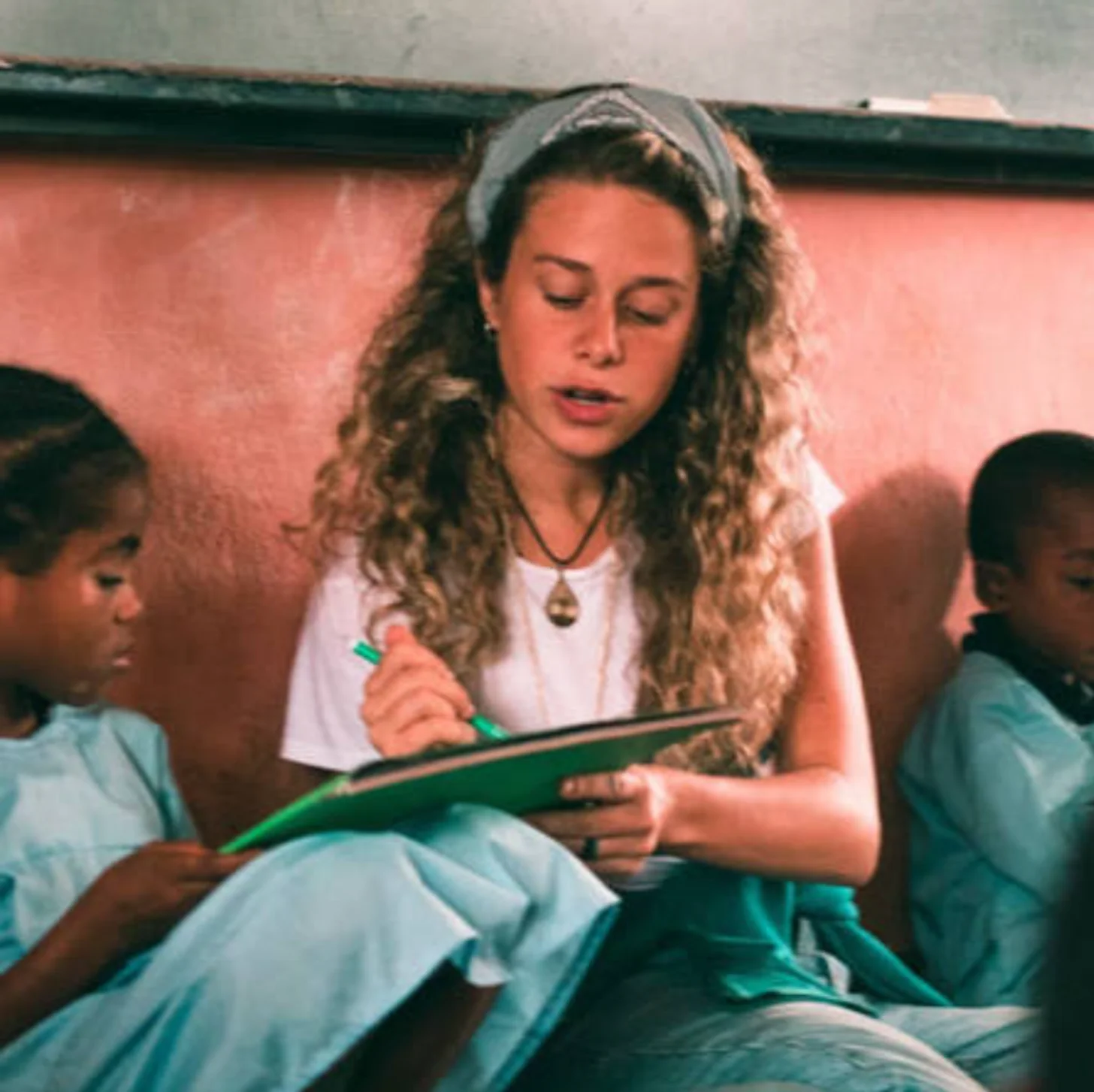
Panisi has joined local conservationists in raising awareness of the species and safeguarding their future at the giant snail conservation center at Jardim Botânico do Bom Sucesso on São Tomé Island.
Mossy Earth, a social enterprise based in the United Kingdom, has been working in the region with local conservationists like Panisi to restore the snail’s population. In addition to the conservation center, they also facilitate forest surveys to curtail the threats of deforestation activities, snail harvesting, and the presence of invasive species.
Through Mossy Earth, Panisi has also gathered and processed genetic information.
“By processing this data, we hope to obtain a better understanding of the migration history of the Obô giant snail across the two islands,” Mossy Earth said on its website.
“As is often done with other species, these insights can then be used to establish conservation priorities,” the website continued. “This information may, for example, help us understand how best to preserve genetic diversity, which is important for ensuring the species can continue thriving as its environment changes.”
Flora & Fauna, a nonprofit backed by Sir David Attenborough, has also had an increased presence on the islands in recent years, leading additional efforts to save the Obô giant snail and the region at large.
“After 30 million years of isolation, life here has evolved into something truly extraordinary. Many of the species found in these forests exist nowhere else on the planet,” Flora & Fauna wrote on its website.
The organization describes São Tomé and Príncipe as the “Galapagos of Africa.”
“Stepping beneath the canopy is like stepping into another world,” Flora & Fauna continue. “Enchanting scops owls swoop silently through the canopy, while oceanic tree frogs cling to the intertwining branches with delicate limbs. On the forest floor, giant Obô snails leave their slimy trails, and timid Príncipe shrews dart between bushes, seeking shelter.”
“If we don’t act now to protect what’s left of these precious native forests, entire species will be wiped out.”
Watch Panisi's full Explorer Classroom lesson here:
You may also like: Watch an orangutan swing over a busy road via canopy bridge: 'We have watched and waited for this moment'
Featured image: Mossy Earth