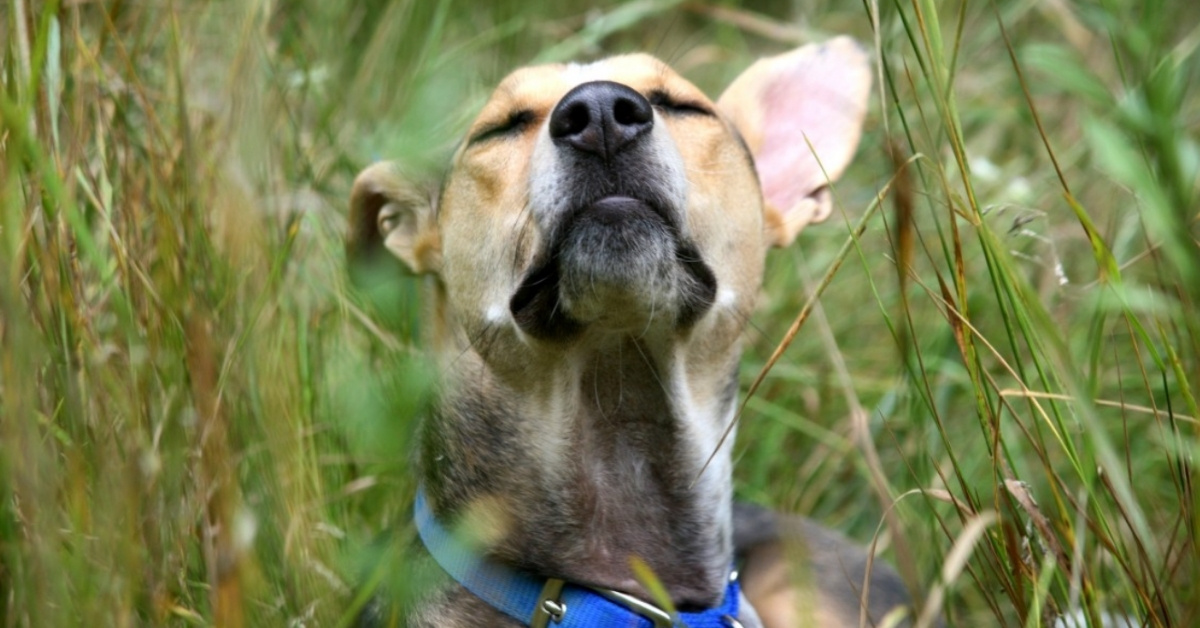
Recently, the Universities of Bristol and Manchester enlisted the help of a golden retriever, Bumper, and a black Labrador, Peanut, for an important task: detecting Parkinson’s disease by smell.
The canines, which were trained by the nonprofit Medical Detection Dogs, participated in a double blind trial where they sniffed cheek swabs from people with and without Parkinson's disease.
In the lab, Bumper and Peanut correctly identified Parkinson's in 70% and 80% of patients, and were over 90% accurate in ruling out healthy individuals.
“Sensitivity levels of 70% and 80% are well above chance, and I believe that dogs could help us to develop a quick, non-invasive, and cost-effective method to identify patients with Parkinson's disease,” said Nicola Rooney, an associate professor at Bristol Veterinary School who led the study.
This isn't the first time researchers have tested dogs' ability to sniff out diseases. They've also been found to accurately detect a group of bacteria that can trigger urinary tract infections, pneumonia, blood poisoning, and even some cancers.

“We are extremely proud to say that once again, dogs can very accurately detect disease,” Medical Detection Dogs CEO Claire Guest said in July, when the results of the latest trial were published in The Journal of Parkinson's Disease.
“There is currently no early test for Parkinson's disease, and symptoms may start up to 20 years before they become visible and persistent, leading to a confirmed diagnosis,” she added. “Timely diagnosis is key as subsequent treatment could slow down the progression of the disease and reduce the intensity of symptoms.”
A version of this article originally appeared in the 2025 Dogs Edition of the Goodnewspaper.
Header image via Public Domain