
Psychosis is a symptom shared by a number of mental health diagnoses, including schizophrenia, stroke, bipolar disorder, and depression. Psychosis causes people to experience hallucinations and hear voices — and oftentimes, those imagined voices are highly abusive.
But burgeoning technology from the Institute of Psychiatry, Psychology & Neuroscience at King’s College London is helping patients confront those voices in a digital landscape.
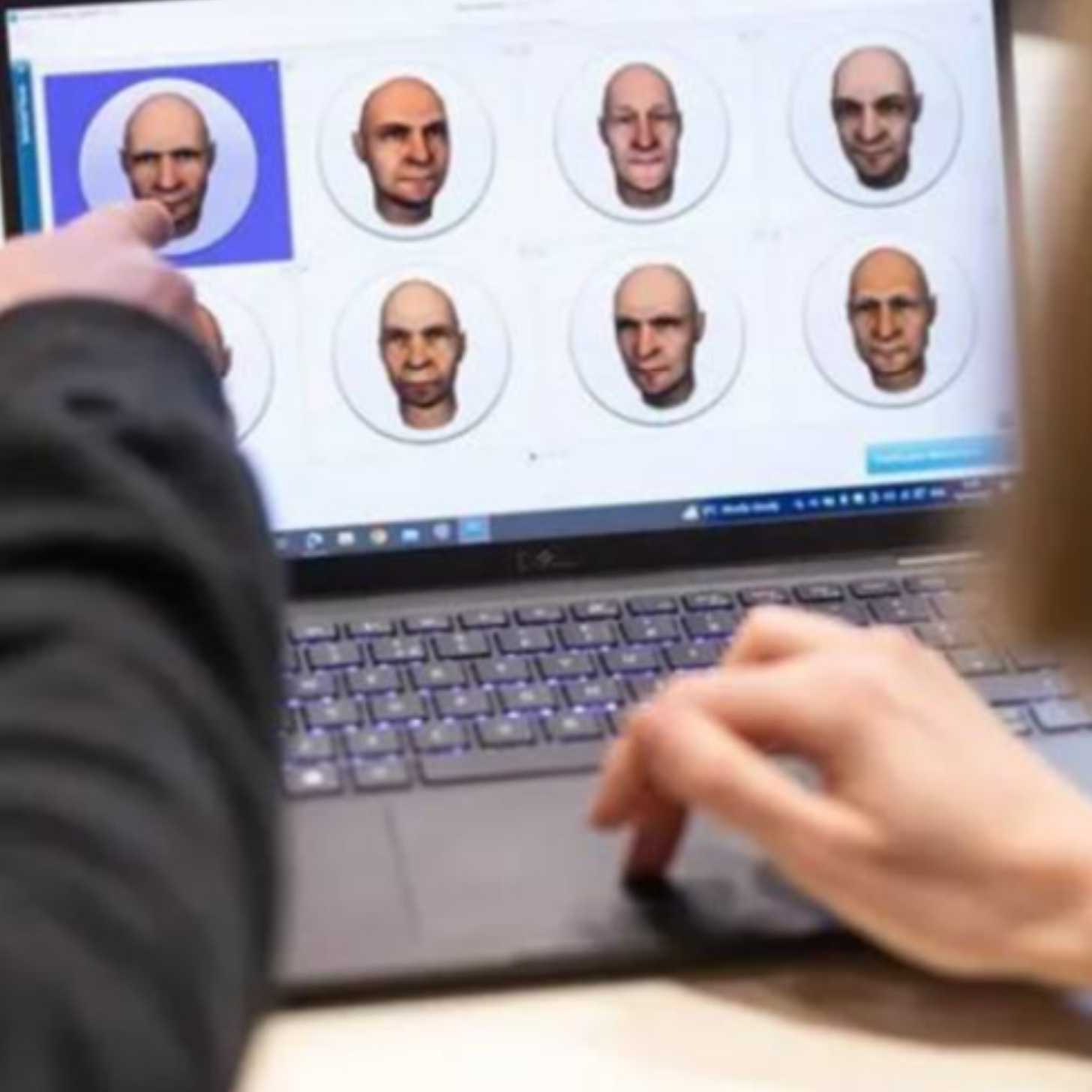
Built on more than a decade of research, the technology is a three-way conversation between the patient, their therapist, and a digital avatar on screen.
After the patient provides a likeness and voice description to the trial, an avatar is rendered and the therapist takes on a dual role, speaking as themselves and voicing the avatar through voice conversion software.
Then, the patient is able to talk back to those voices on their terms and reclaim their power.
“To our knowledge, this is the first therapeutic intervention that has a direct and sustained impact upon the frequency with which people hear voices,” Philippa Garety, a clinical psychology professor at IoPPN told The Guardian.
“This is an extremely important finding, as it is a clear priority for voice-hearers, and hearing fewer voices, less often, or voices going away altogether can have a hugely positive impact on their day-to-day lives.”
Nick, a patient from the study, said that he was hearing up to 30 or 40 abusive voices a day before he sought help through the trial in 2015.
“It brought it down to about four or five,” Nick said. “I felt like I was taking back control of my life again.”
A version of this article originally appeared in the 2025 Mental Health Edition of the Goodnewspaper
Header image via Timur Weber