
On Mother’s Day, Americans go all out with gift-buying and dining out to honor the women in their lives. In fact, according to some estimates, consumer spending in the United States on this day is around $34 billion.
This consumerist emphasis has long been criticized — including by the holiday’s founder, Anna Jarvis. She started the celebration in 1908 to honor her own mother, Civil War-era activist Ann Jarvis, who founded Mothers’ Day Work Clubs in her native West Virginia.
These clubs were associations of local mothers who came together for collective workdays during which they provided education and assistance to families. When the Civil War broke out, the clubs pivoted to promoting peace and reconciliation and offered food and medical assistance to both Union and Confederate soldiers. These mothers viewed peace as the only way to preserve their communities and to ensure the health and well-being of all.
As a scholar of Greek and Roman antiquity, I’m aware that honoring motherhood goes far beyond women’s work in the domestic sphere. In fact, for millennia the role of mothers has included not only childbearing and education but also protection over the community as a whole, especially through advocacy for peace.
Texts dating as far back as the fifth century B.C.E. show mothers promoting peace. In Aristophanes’ comedy “Lysistrata,” the women of Athens unite to end the Peloponnesian War. The leader of the peace movement argues that women suffer twice as much as men in war — bearing children only to send them off to die as soldiers.
Mothers and ancient goddesses
In the ancient world, motherhood itself guaranteed a woman’s power within her family and community, especially if the baby was male. The birth provided an heir for the family and ensured that the woman was not going to be rejected by her husband for childlessness.
In fact, as classical scholar Florencia Foxley explains, motherhood elevated a woman to the rank of protectress and sustainer of the city because she provided a new generation of citizens and soldiers for the community.
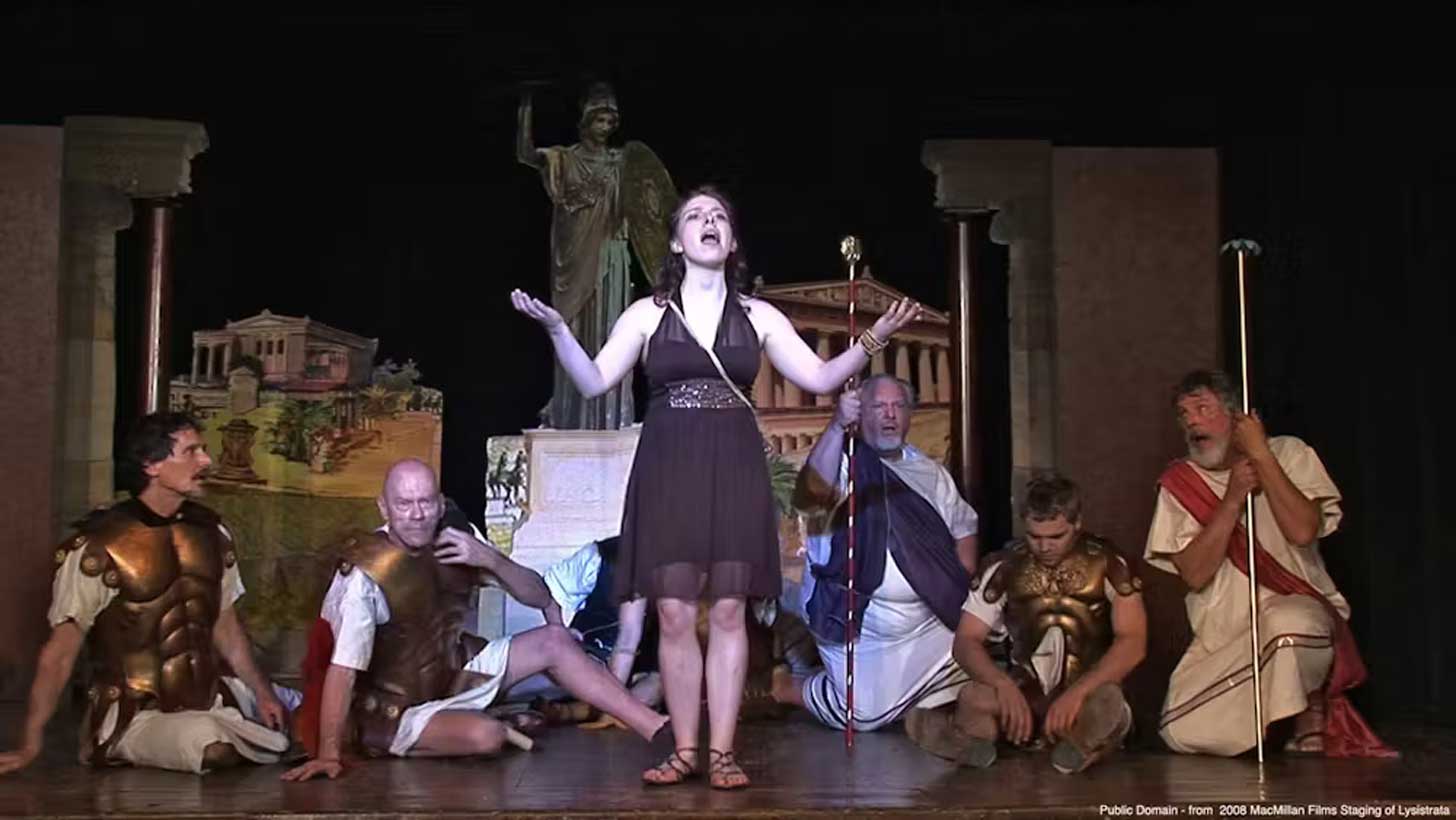
The birth of children also gave the woman unofficial power and influence over the political decisions made by her husband and sons, as dramatized in the play “Lysistrata.”
The cult of the Greek goddess Hera, the wife of Zeus and queen of the gods, reflects this dual function of mothers as protectors of children and of communities in the ancient world.
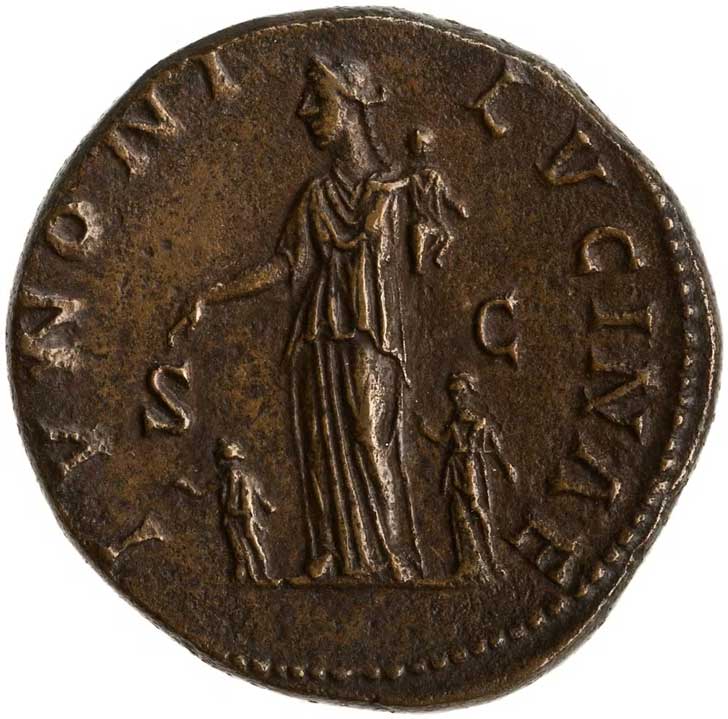
Hera was worshipped in wedding rituals, and she presided over childbirth in the figure of her daughter Eileithyia, the midwife goddess. Beyond the domestic sphere, Hera was also the divine protectress of the ancient city of Argos.
In Rome, under her Latin name Juno, she was worshipped with the epithets of Pronuba as the goddess of marriage, and Lucina as the goddess of childbirth. Nonetheless, Juno was also an integral part of the Capitoline Triad with Jupiter and Minerva, the trio of deities that protected the city. In fact, Juno was credited with saving Rome from an attack by the Gauls in 390 B.C.E. when her sacred geese warned the Romans of the approaching enemy army.
Contemporary practices
The tremendous power of women as peace advocates and protectors of communities continues today.
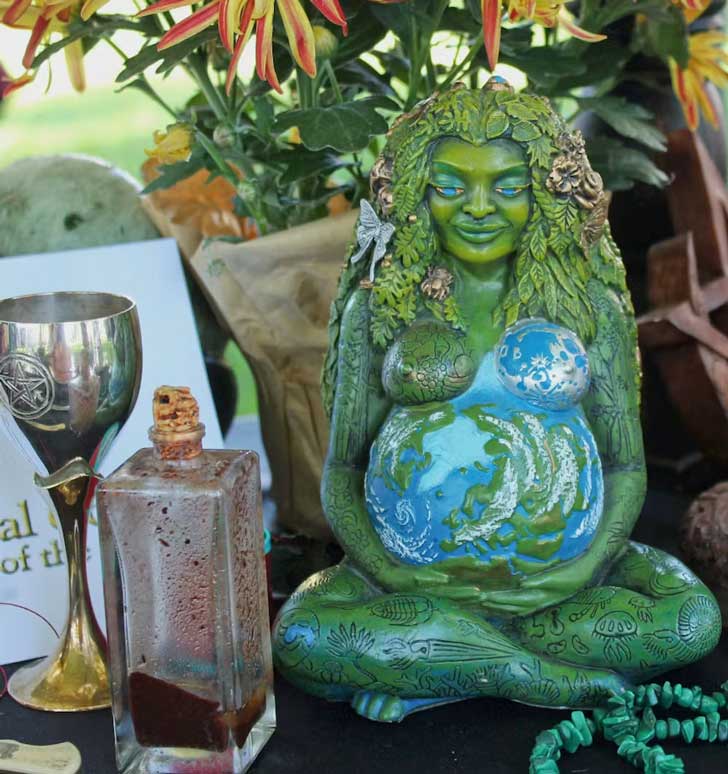
As journalist Margot Adler has shown, some neo-pagans believe that ancient societies that worshipped mother deities were more peaceful than cultures with patriarchal religious traditions. Today, these worshippers seek to revive the cults of mother deities in order to return to this harmonious way of life. They invoke mother goddesses to promote the political power of women, demilitarization, and harmony with the natural world, as well as world peace.
Similarly, “Lysistrata” continues to inspire women’s advocacy for peace worldwide. In 2003, for instance, peace activists Kathryn Blume and Sharron Bower advocated against the Iraq War by coordinating over 1,000 readings of “Lysistrata” worldwide in a single day.
Admittedly, the play presents female characters in ridiculous ways and, as classical scholar Mary Beard has pointed out, the ending of the play makes it clear that women’s political power is only a fantasy. Yet the play acknowledges that women suffered disproportionately from the consequences of war in ancient times, just as they do today.
The play also acknowledges, albeit in a humorous way, that women wield tremendous power for peace, which is borne out today as well. In fact, according to a study by King’s College London, “states where women hold more political power are less likely to go to war and less likely to commit human rights abuses.”
In a different context, Catholics around the world honor Mary as a mother figure associated with peace and justice. One of her manifestations, Our Lady of Guadalupe, is a popular figure of veneration in Mexico and Latin America, particularly among people of Indigenous descent.
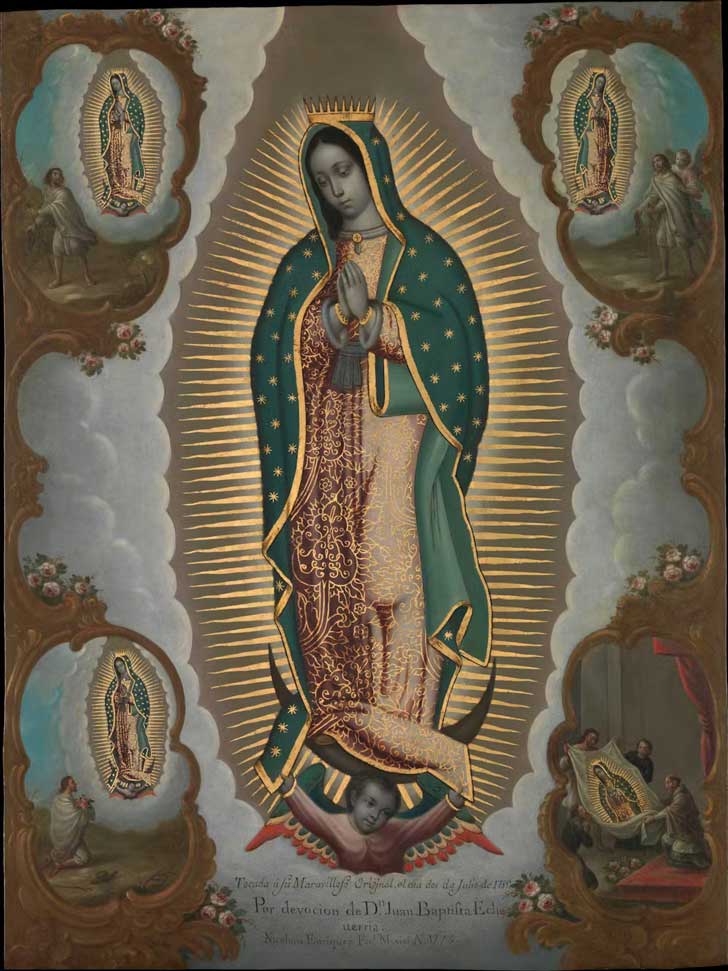
Our Lady of Guadalupe is represented pregnant and venerated by devotees seeking protection and peace. Pope John Paul II, in a public prayer to Our Lady of Guadalupe in 1979, asked her to “grant peace, justice, and prosperity to our peoples.”
The way Mother’s Day is celebrated in the U.S. today conspicuously omits the tremendous power that women wield beyond the domestic sphere.
While women’s work raising children and supporting their families is important and should always be honored, Anna Jarvis envisioned this day as more expansive — a day that honors women as political and moral actors, especially as agents of peace globally.
This article was written by Marie-Claire Beaulieu from Tufts University and was originally published on The Conversation.
Header image by Anastasia Shuraeva via Pexels