Kawuneeche Valley, located in the western part of Rocky Mountain National Park, has seen better days.
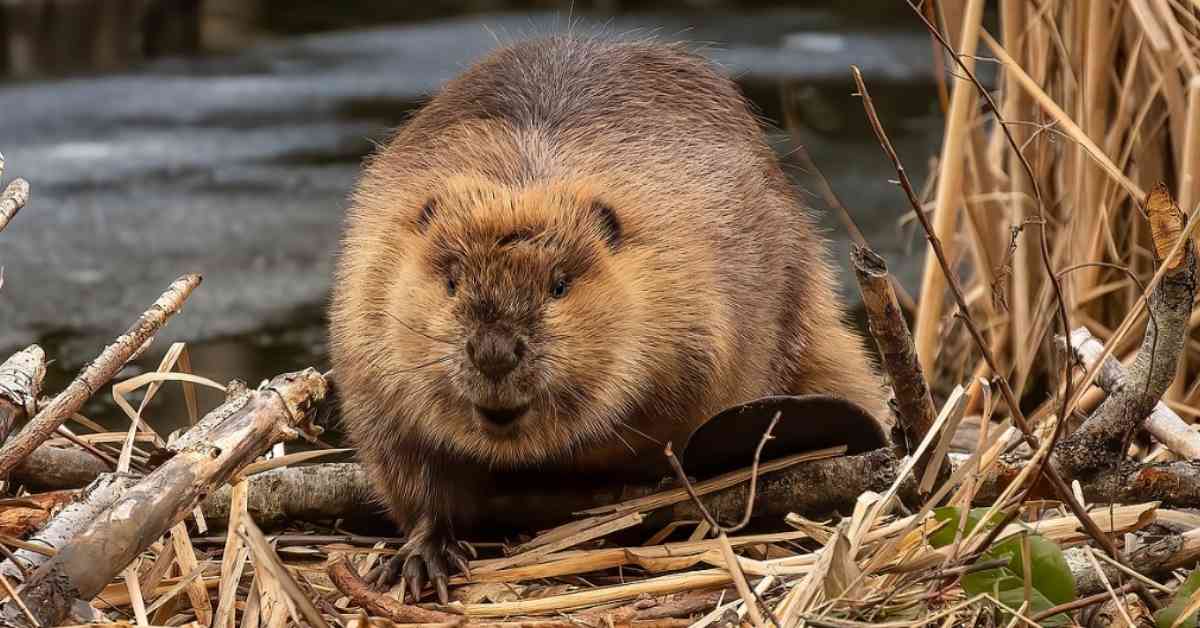
An overpopulation of overgrazing moose has forced beavers out of their natural habitat, and the loss of natural beaver-built water systems has led to extensive degradation.
Jeremy Shaw, a research scientist at Colorado State University, told the National Parks Conservation Association that the region is “too far gone” for beavers to bounce back on their own.
That’s why he’s leading a team of “human beavers” to create 29 man-made dams that mimic beaver behavior.
“We’re trying to jump-start it,” Shaw said. “Our play here is to give them the best habitat we can, and then hopefully they build up their population.”
Beaver-based restoration techniques first popped up in the early 2000s, when scientists in Oregon created 100 “beaver dam analogs,” which in turn inspired local beavers to build dams of their own.
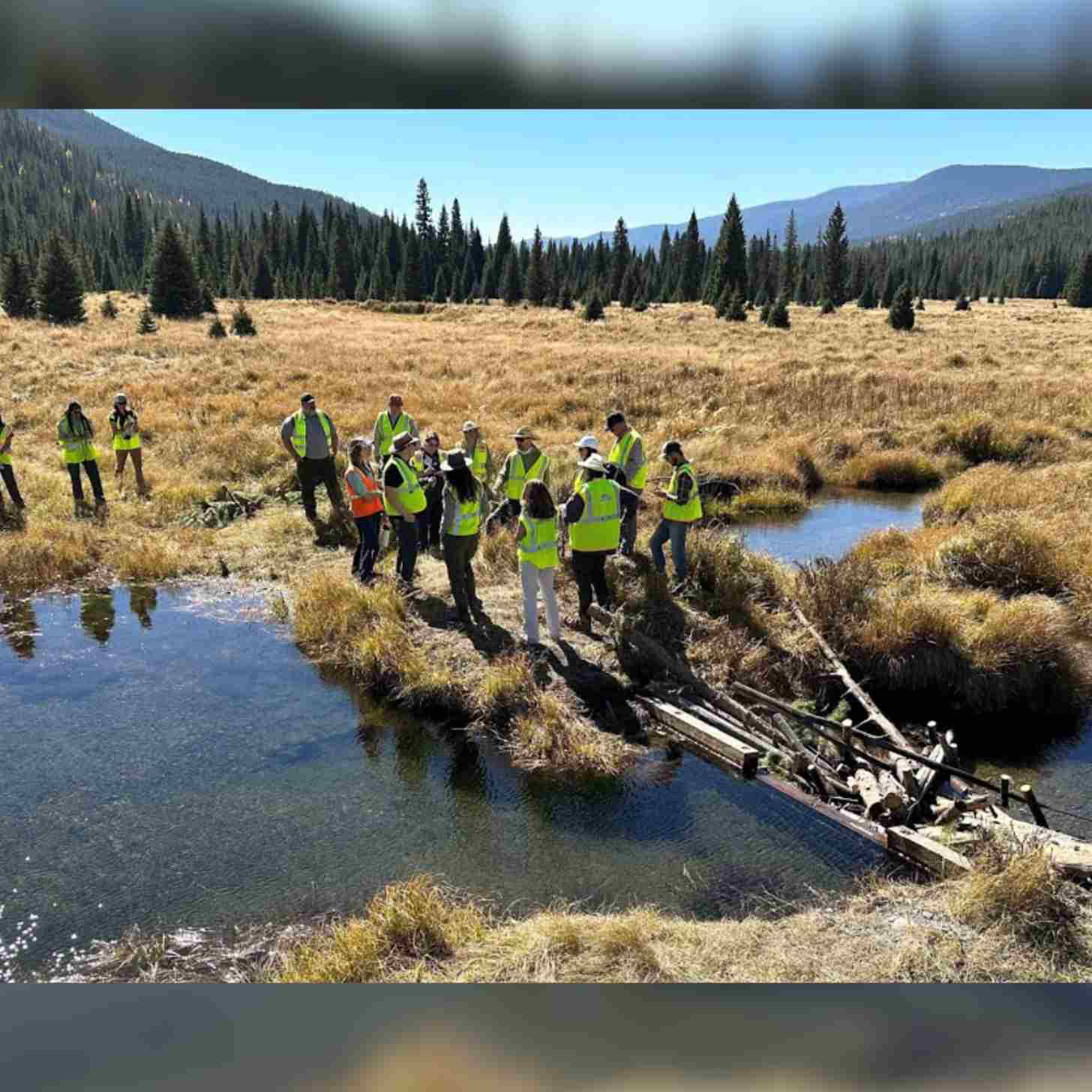
Rangers implemented a similar program in Great Basin National Park to great success — the BDAs kept erosion at bay, protected local cutthroat trout species, and helped native beavers bounce back.
In addition to protecting the flora and fauna of Rocky Mountain National Park, Kimberly Tekavec, a source water protection specialist in Colorado, said that beaver restoration techniques help humans, too. She estimates that the efforts will also safeguard clean drinking water for more than 1 million Coloradans.
“There are so many benefits that this project serves,” Tekavec said.
A version of this article originally appeared in the 2025 National Park Edition of the Goodnewspaper.
Header image via Deborah Freeman (CC BY-SA 2.0)