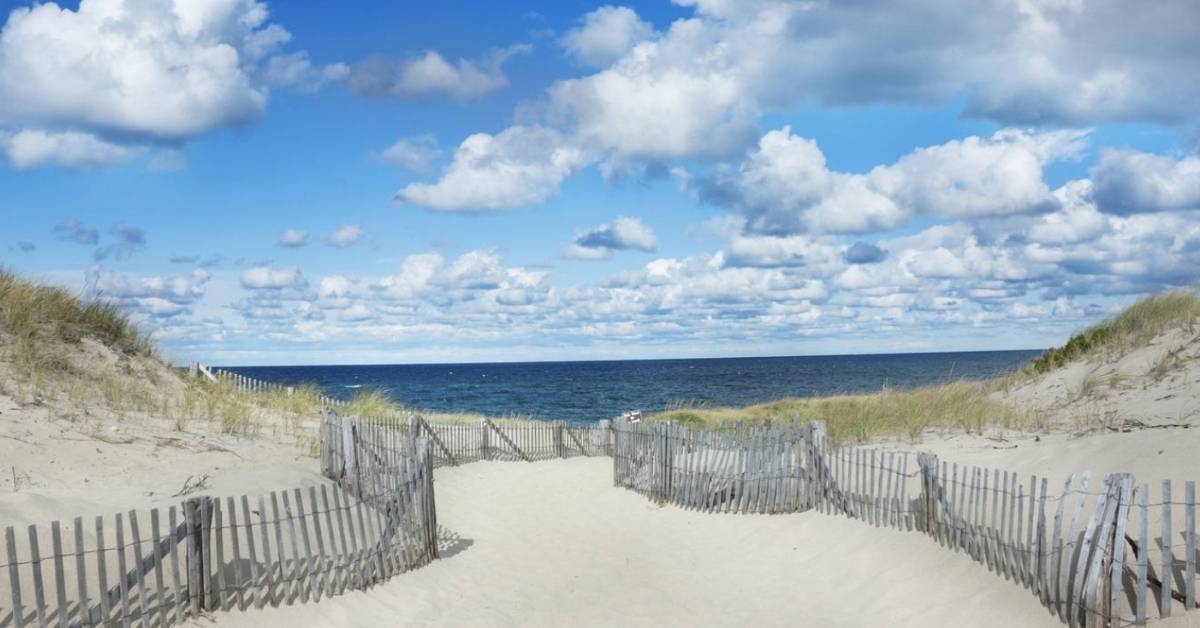
When it comes to iconic animals that call the 63 national parks home, bison, black bears, and bald eagles probably come to mind first. But Cape Cod National Seashore has been hard at work restoring an underrated species in the National Park Service: the humble horseshoe crab.
Despite its name, horseshoe crabs are not crabs, but rather 445 million-year-old arthropods that serve as a vital food source for countless turtles, birds, and fish on the Atlantic Coast.
“They look like trouble, but they’re not,” Lawrence Niles, who co-founded the Horseshoe Crab Recovery Coalition, told the National Parks Conservation Association.
The coalition has tasked itself with saving the “living fossil” species, which has survived five of Earth’s extinction-level events. Its population has recently declined, though, because of overharvesting and overuse by pharmaceutical companies, which use the crab’s bright-blue blood to detect toxins in drugs and vaccines.
For the last 150 years, horseshoe crabs disappeared from Cape Cod National Seashore’s East Harbor, largely because it had been closed off for industrialization. In 2008, at the behest of the park, the town allowed seawater to flow back into the saltmarsh lagoon.
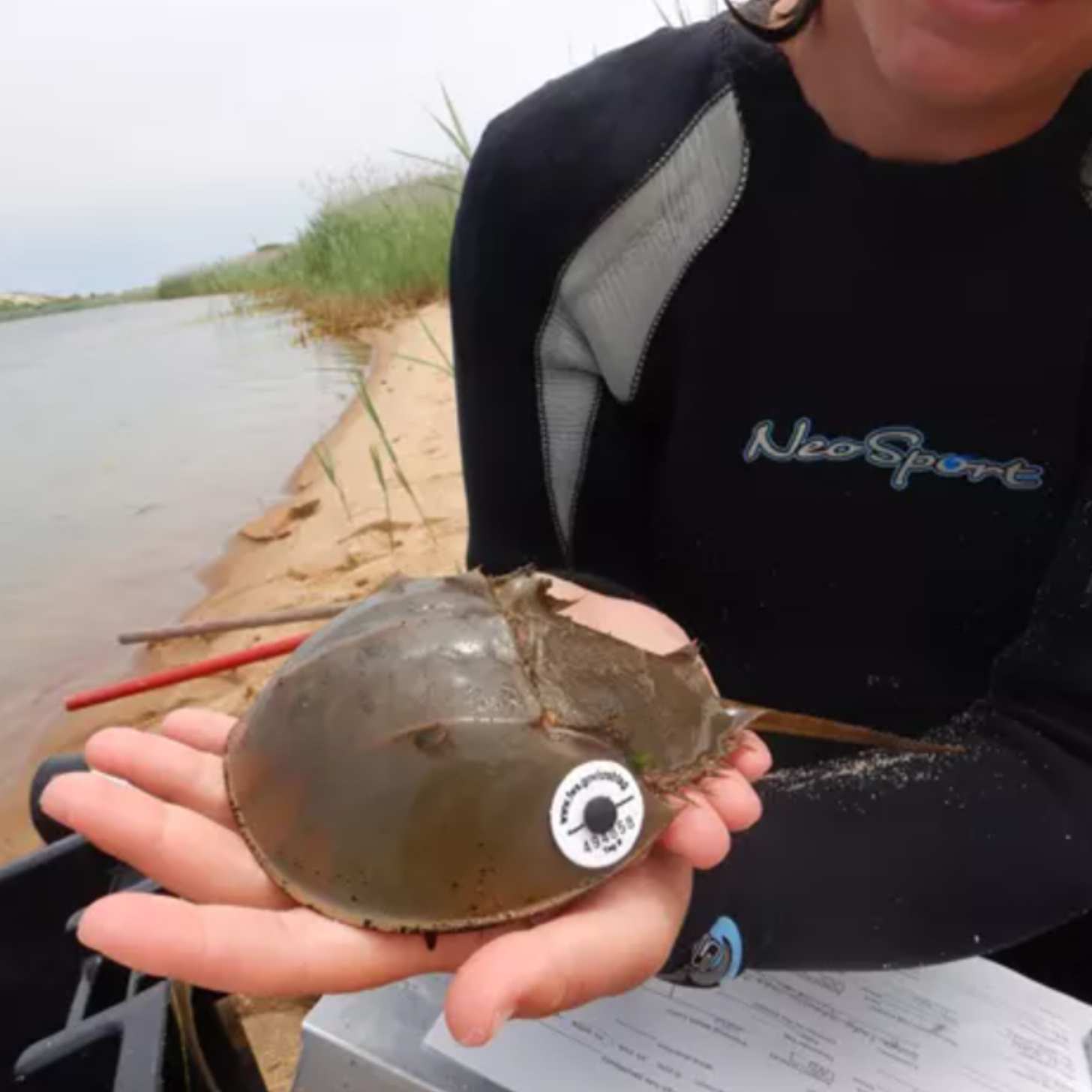
Today, horseshoe crabs — and clams, oysters, and quahogs — have rebounded in the thousands. Sophia Fox, an aquatic ecologist at Cape Cod National Seashore, estimated that many of the horseshoe crabs breeding today hatched in the same habitat over 12 years ago, making it a “true habitat.”
“This is what we call our happy story in the world of doom and gloom that we live in,” Fox said.
A version of this article originally appeared in the 2025 National Parks Edition of the Goodnewspaper.
Header image via the National Parks Conservation Association