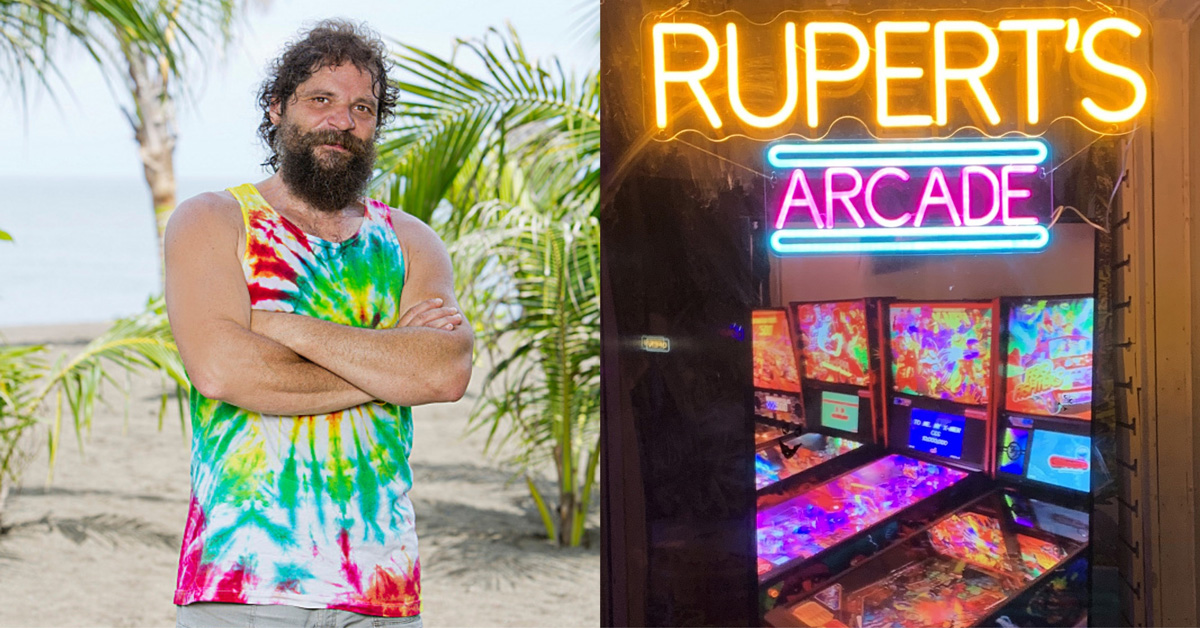
In 2003, a man named Rupert Boneham, often seen donning a signature rainbow tie-dye tank top and scruffy beard, first appeared on season seven of “Survivor.” He was such a hit that he returned to compete three more times, spending more than 100 days in the game.
While he did not win any of these rounds of competition, he became a million-dollar winner on “Survivor: America’s Tribal Council,” a special episode of “Survivor: All Stars,” where he accumulated 85% of a nationwide vote.
“They had 38 million votes in 72 hours,” Boneham reminisced to WFYI Public Media.

Though Boneham didn’t return to compete in the show’s 50th season, what he has done with his reality TV success has also made him an icon back home in Shelbyville, Indiana.
“I spent [the prize money] in three weeks,” he told WFYI, “getting myself and my family out of debt.”
Whatever was left, he let each member of his family split among charities of their choice.
That spirit of giving then blossomed into Rupert’s Kids, Boneham’s nonprofit, which is a re-entry program serving both juveniles and adults who are getting back on their feet after being incarcerated or in juvenile detention.
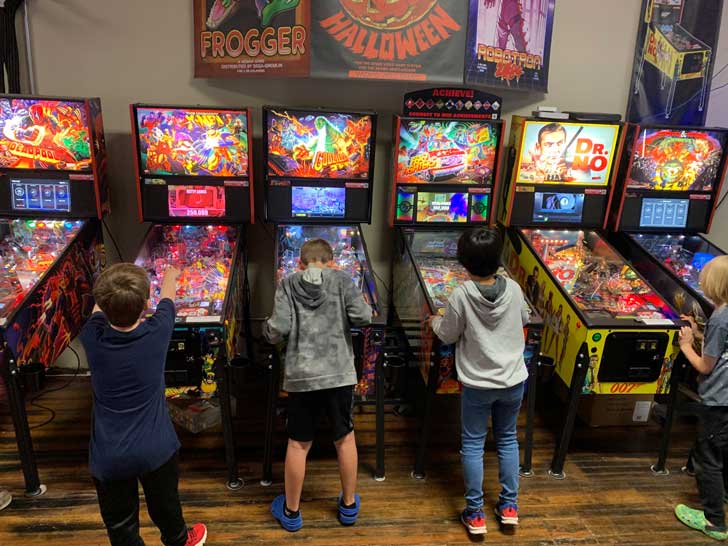
As part of this mission, Boneham opened the Rupert’s Kids Arcade, a pinball heaven he calls “a vocational training program cloaked in an arcade.” Here, formerly incarcerated individuals manage the arcade, which provides entry-level jobs and support as they find their footing. The proceeds from the arcade go directly to the charity to help more at-risk youth and adults.
Additionally, Rupert’s Kids owns The WhereHouse, a donated warehouse turned shelter that can house up to 12 men, giving them a drug- and alcohol-free place to live and a path to recovery. They also build life skills by working at the arcade, can take GED classes, and have access to life coaching and financial literacy training.
“We’ve created a space where you can get assistance paying your rent, having food … you can even pay for your services by work,” Boneham told WFYI, “so you can save your money.”
Initially, the program was dedicated to helping at-risk youth stay out of trouble or combat homelessness.
But now, men coming out of correctional facilities are taught “how to have a legal living, how to have that sense of self-worth and work ethic, how to get out there … and enjoy life,” Boneham told WFYI.

When the Arcade finally got up and running in 2017, Boneham saw a 90% success rate of the people he worked with. Of the 34 people he supported in that first year, 29 stayed out of jail.
“We have young men and women in our mentoring program ready to go out into the workforce, but I wanted to teach them that there’s more than just showing up and expecting a paycheck,” Boneham told Indianapolis Business Journal.
“At the same time, we’re bringing something to the community that is safe and secure and affordable.”
Boneham also hosts “community days,” where neighbors can come shop a makeshift store of donated items for just $5, which all goes back to the nonprofit’s services.
Now nearly 10 years later, Boneham still has his sights set on bigger things.
“Every community has an overcrowded detention center. Every community has abandoned warehouses, abandoned properties. Every city is struggling with re-entry programs and vocational training, a path as you’re coming out of the detention center where you're actually going to succeed,” Boneham writes on his nonprofit’s website.
“I see in the future, Rupert's Kids being nationwide. Who wouldn't want to take the program? Who wouldn’t want to make their community great?”
You may also like: Former 'Queer Eye' star behind new tiny house village for Wisconsin's homeless veterans
Header images: Monty Brinton - © 2013 CBS Broadcasting, Inc. and Rupert’s Kids