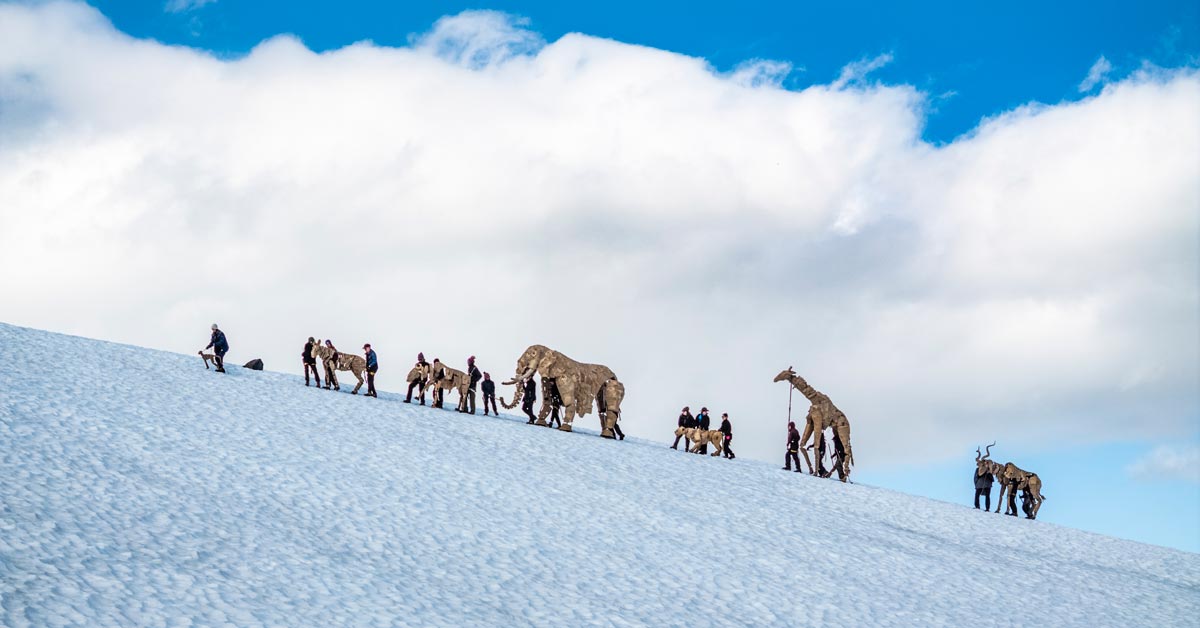
Earlier this year, a herd of giant, life-sized animal puppets went on a global journey to sound the alarm on climate change.
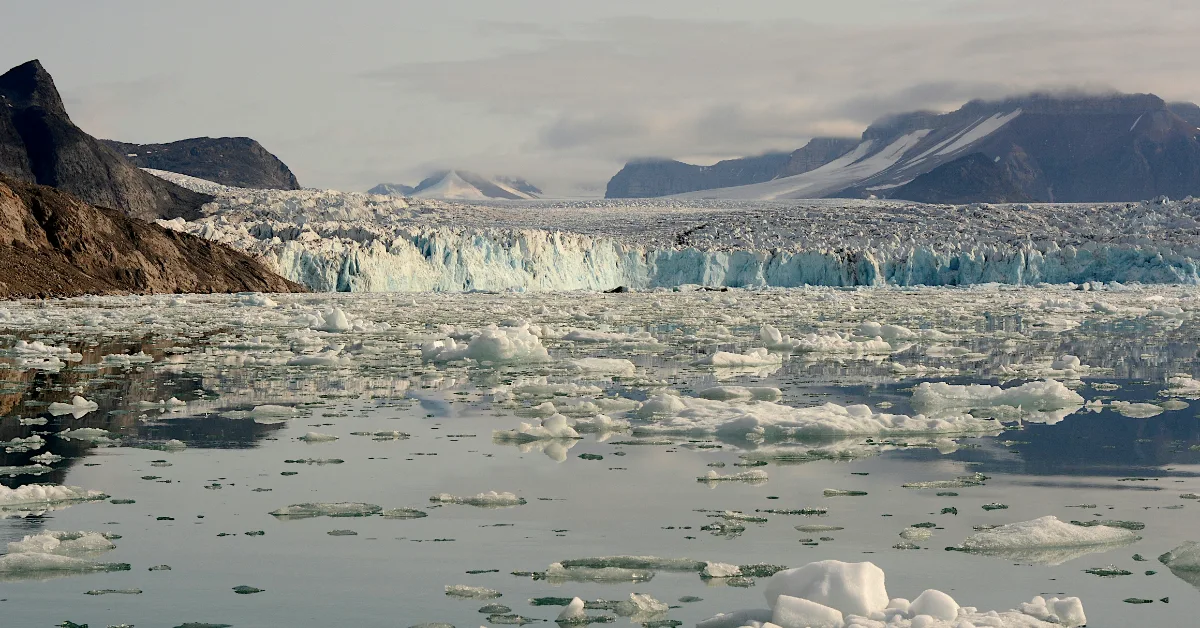
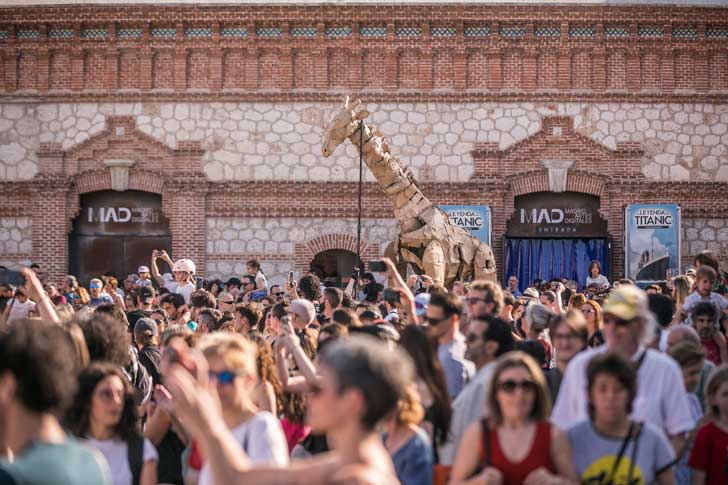
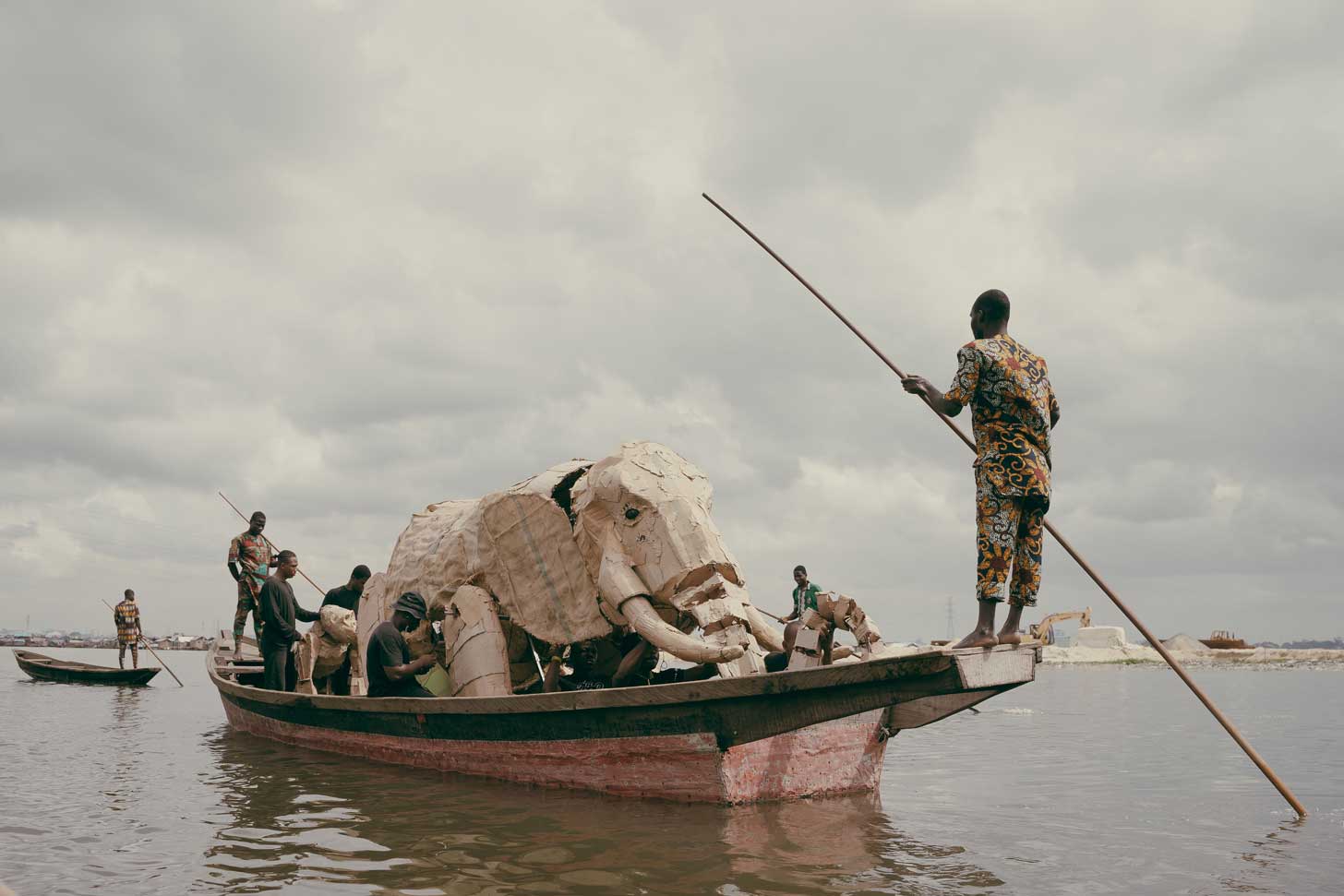
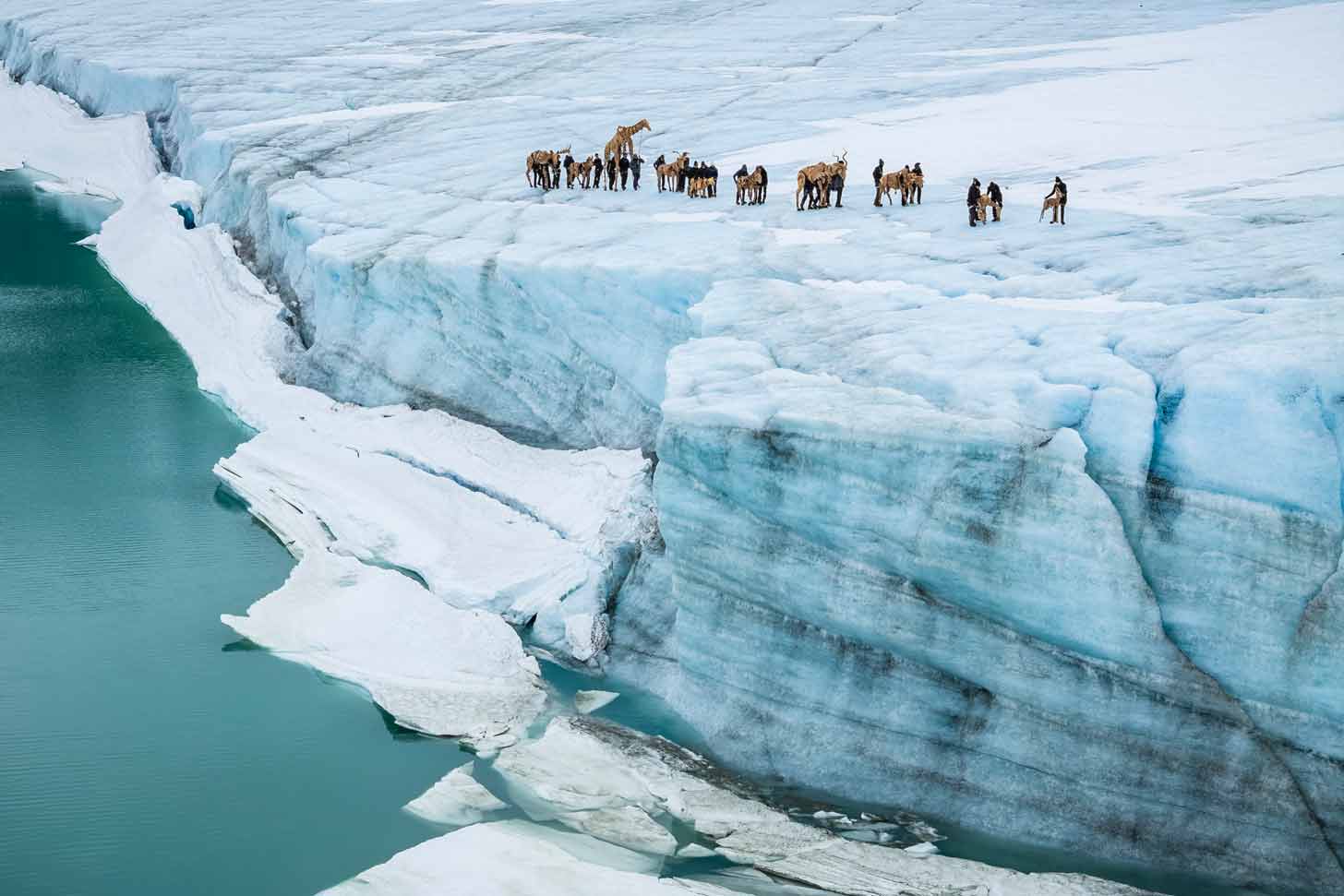
The puppets, made of recycled materials and shepherded by a troupe of about 60 puppeteers, began their journey in the Congo Basin and traveled 20,000 kilometers (or about 15,500 miles) to a melting glacier in the Arctic Circle.
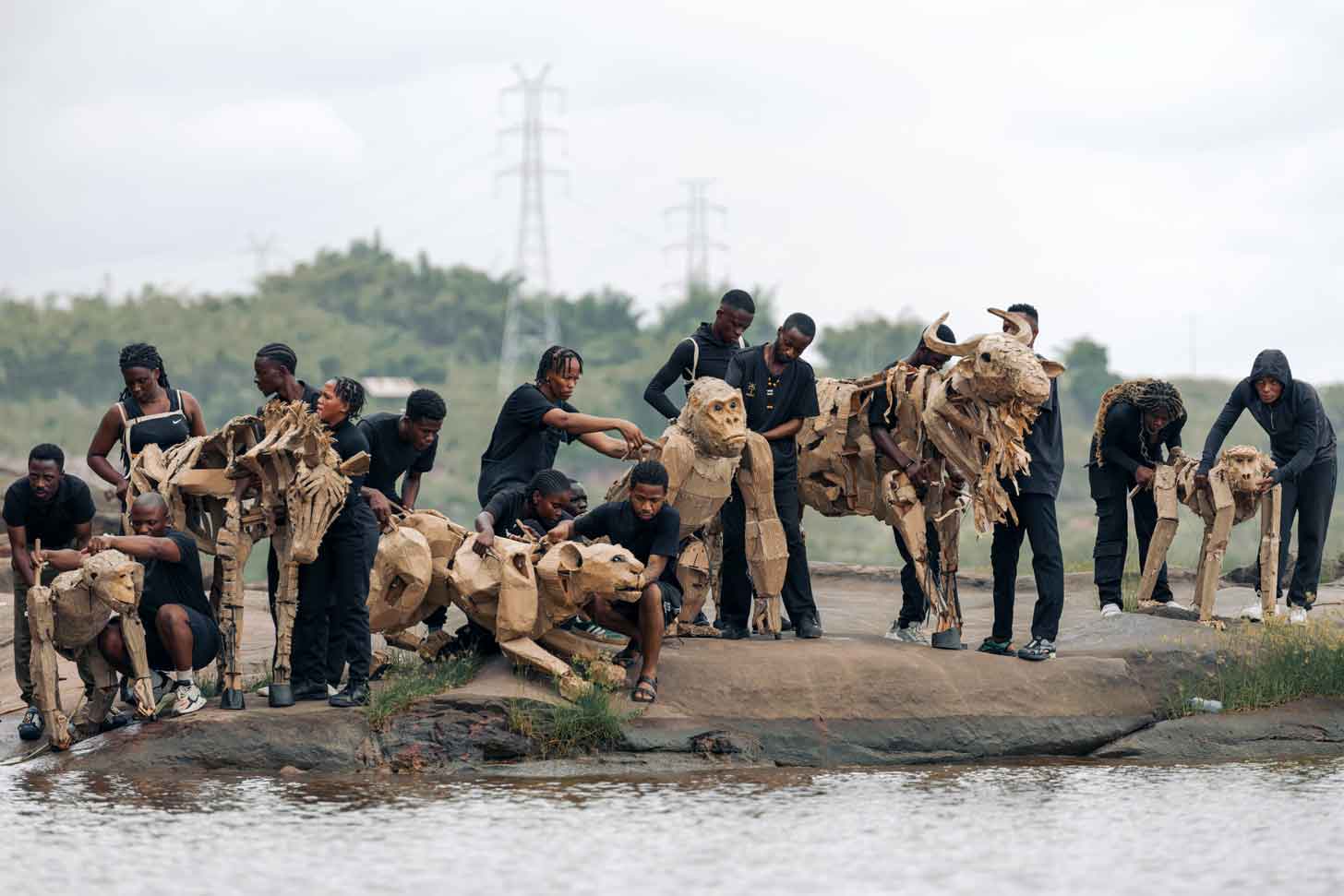
Behind the massive public art activation is The Walk Productions and an international network of producers, artists, and partners.
Together they create large-scale “participatory public art that brings people together in events of artistic excellence, challenging assumptions, rethinking narratives, and provoking change,” according to The Walk Productions website.
Prior to this production — called “The Herds” — the production team was responsible for Little Amal, a 12-foot puppet of a refugee girl who traveled from Turkey to the United Kingdom, interacting with 2 million people in 17 countries along the way.
Artistic director Amir Nizar Zuabi, a Palestinian theater director who has since taken his activism to the world stage, said The Herds came to be as he was touring the world with Little Amal.
“As a young boy, I used to go into the desert in my country, in Palestine, and watch one of nature’s most marvelous phenomenons: the great migration of birds from Africa to Europe and back,” Zuabi said in a 2024 TED Talk, announcing the animal-themed project.
“Twice a year, the sky would darken with millions of birds, herons, buzzards, kites, swifts, storks, all flying in breathtaking formations, all flying home. As I would lay there on the ground, looking up to the sky, these days were defining. They placed me in the world. They were inspiring and humbling. Here I am, one organism, and above me, thousands of other organisms flying for safety.”
He said that as he grew older, the flocks of birds grew smaller, their population dwindling.
“And whilst walking with Amal across Europe, I would often look up to the sky looking for birds. Somehow it felt connected. The migration of people, this misery all around us, felt connected to the migration of birds. Two mirror migrations, now both extremely vulnerable. A sign of a system collapsing,” Zuabi said.
“With that in mind, a nagging question started. Can we create a project that would deal with the climate crisis like Amal dealt with the refugee issue?”
It was then that The Herds was born, designed to tell a story of animals fleeing for safety, only to find themselves at the top of the world, where glaciers melt all around them.
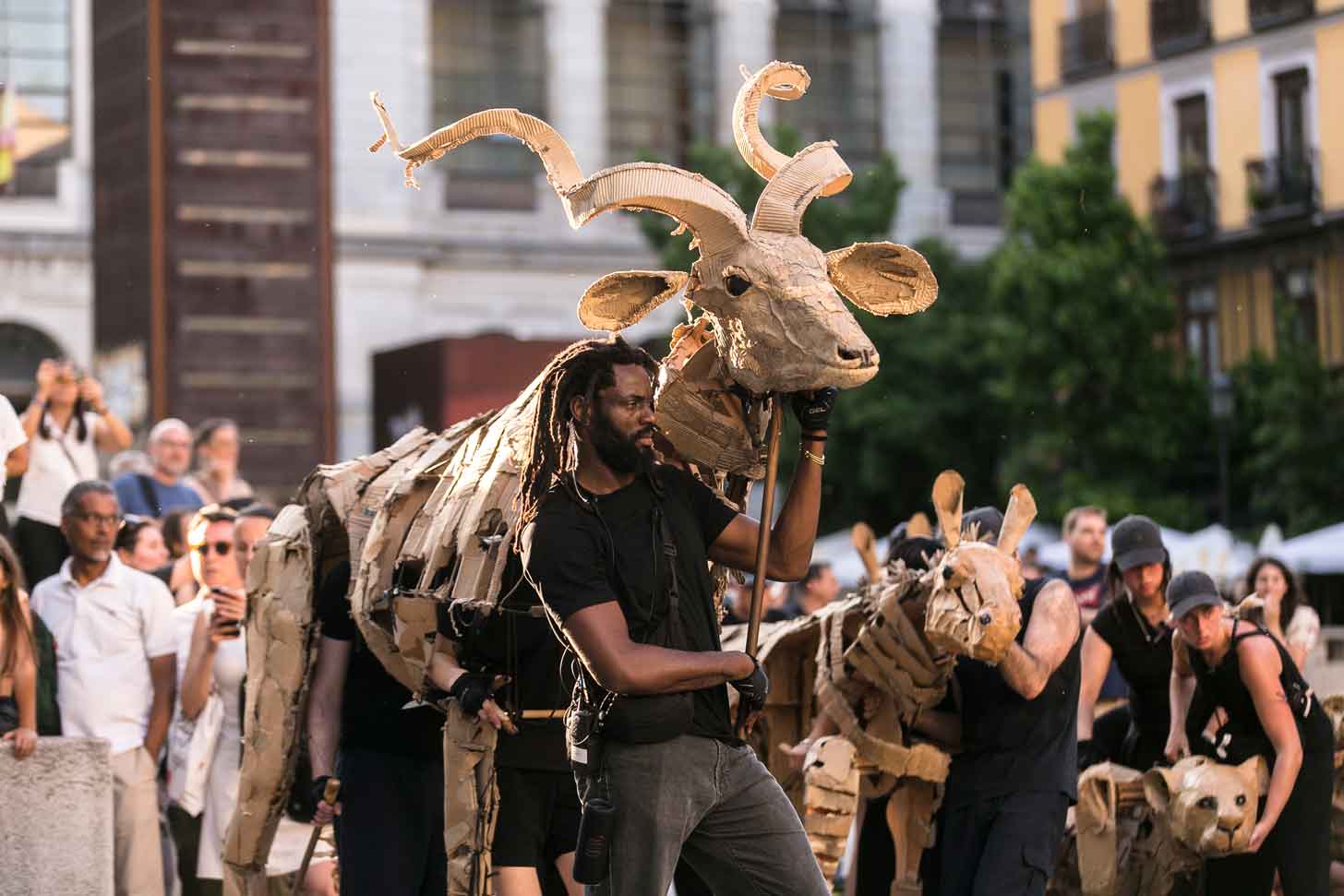
The first set of animal puppets in the troupe was created by Ukwanda Puppetry and Designs Art Collective in Cape Town, South Africa, but as the animals stopped in various locations on their journey, local volunteers were taught how to make their own puppets.
Over the course of the journey, 1,000 people were trained as puppeteers, bringing the creatures to life in 56 public events across 11 countries, according to Euro News.
“The idea is that we’re migrating with an ever-evolving, growing group of animals,” Zuabi told the Guardian.
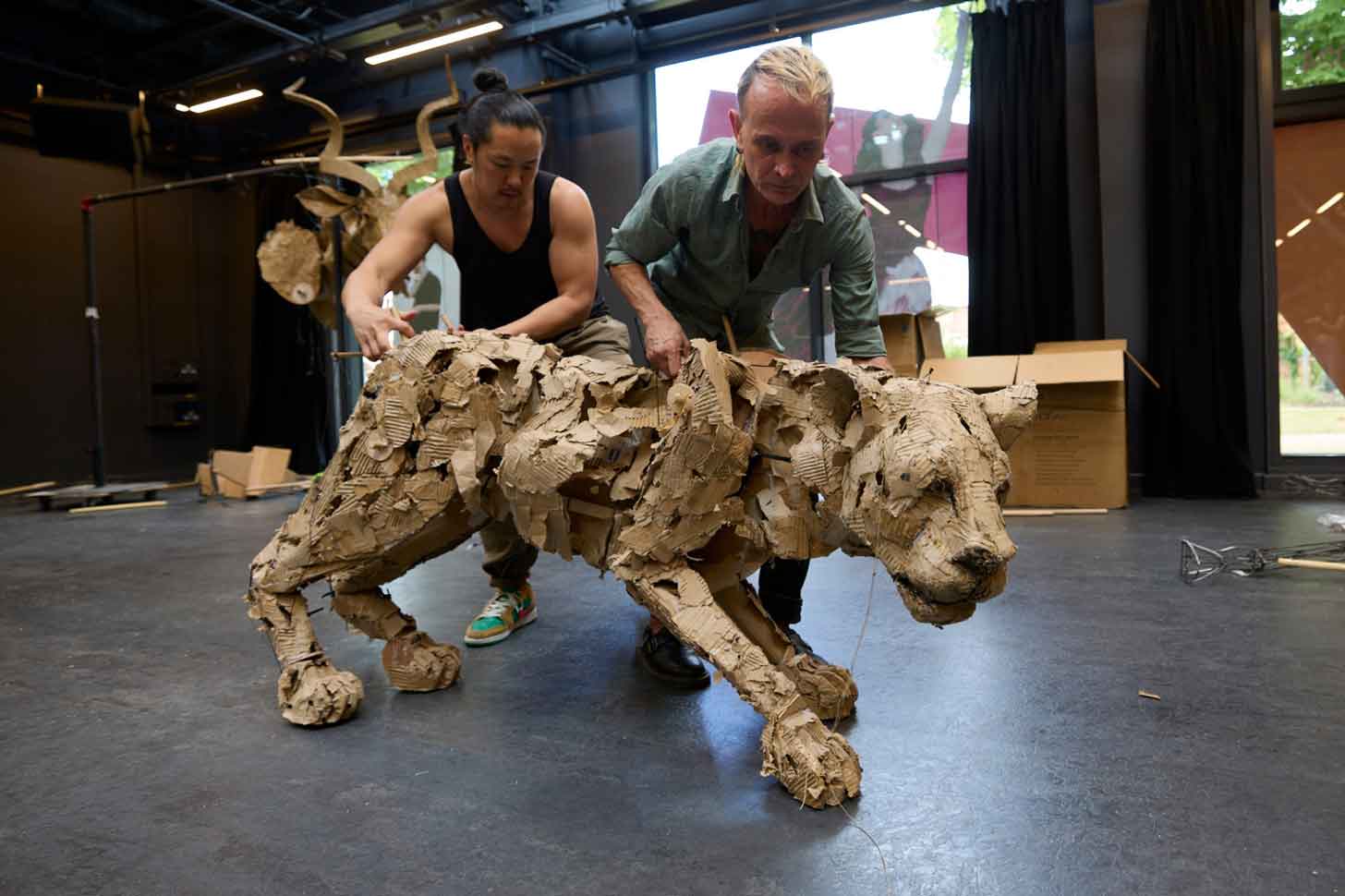
Puppeteers manipulating evocative animals like giraffes, hyenas, gorillas, zebras, and elephants, traveled by foot, by boat, by plane, and more, to reach people in real-life communities.
They began in the Congo Basin Rainforest, making it to the streets of London, and finally, to Jostedalsbreen National Park in Norway.
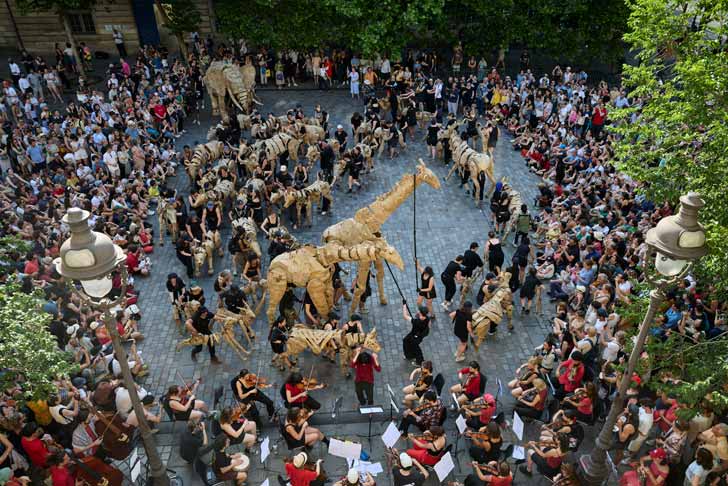
“The Herds will happen in our immediate surroundings, in our familiar. This is important. It needs to happen to us, not to someone else, somewhere far away,” Zuabi told Atmos in July. “It needs to happen where we feel safe, so we understand that we are not safe. They will be an alarm bell, impossible to ignore, a wake-up call, urging us to change our ways.”
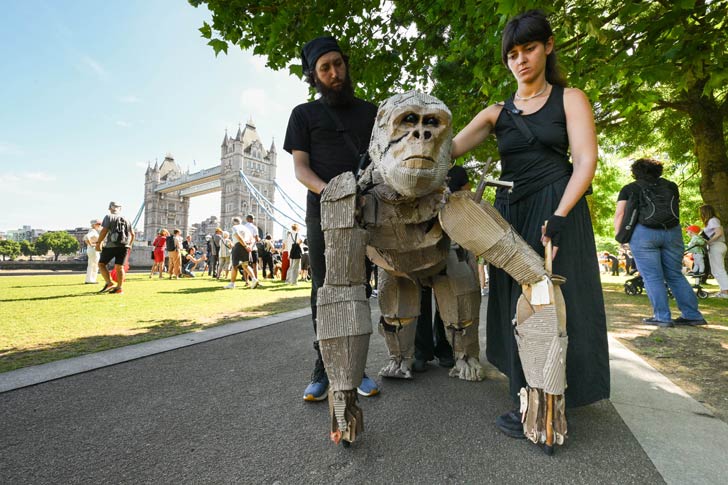
This concept mirrors how animals are often the first “early warning system of nature,” as Zuabi described in his TED Talk.
“Birds flocking before volcanic eruptions, herds fleeing before earthquakes. Although we live in a world with constant alarm bells and warnings, the urgency is not registering. We want to disturb this indifference,” he said.
“The Herds will happen to us, around us, on top of us, crashing through our metropolis cities where the effects of climate change are still largely ignored. And they will do that in order to remind us that underneath the layers of asphalt and concrete and vanity, there is nature. And it is wild, vivacious and uncontrollable.”
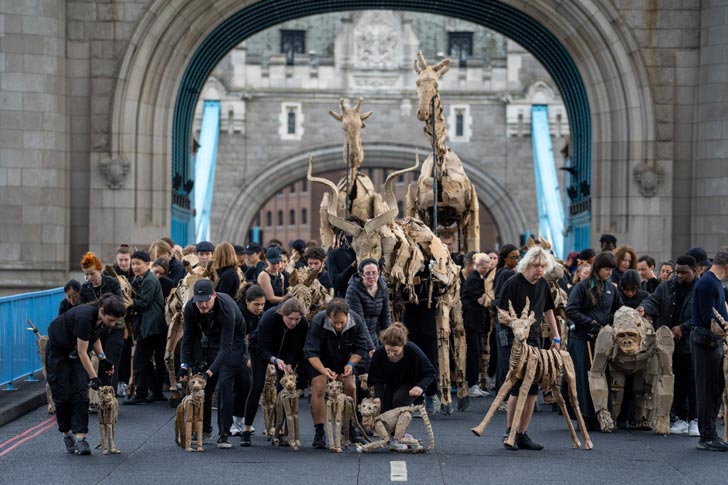
Ultimately, the goal of the project — which spanned from April to September 2025 — was to use art and emotion to conjure up real concern about the climate crisis.
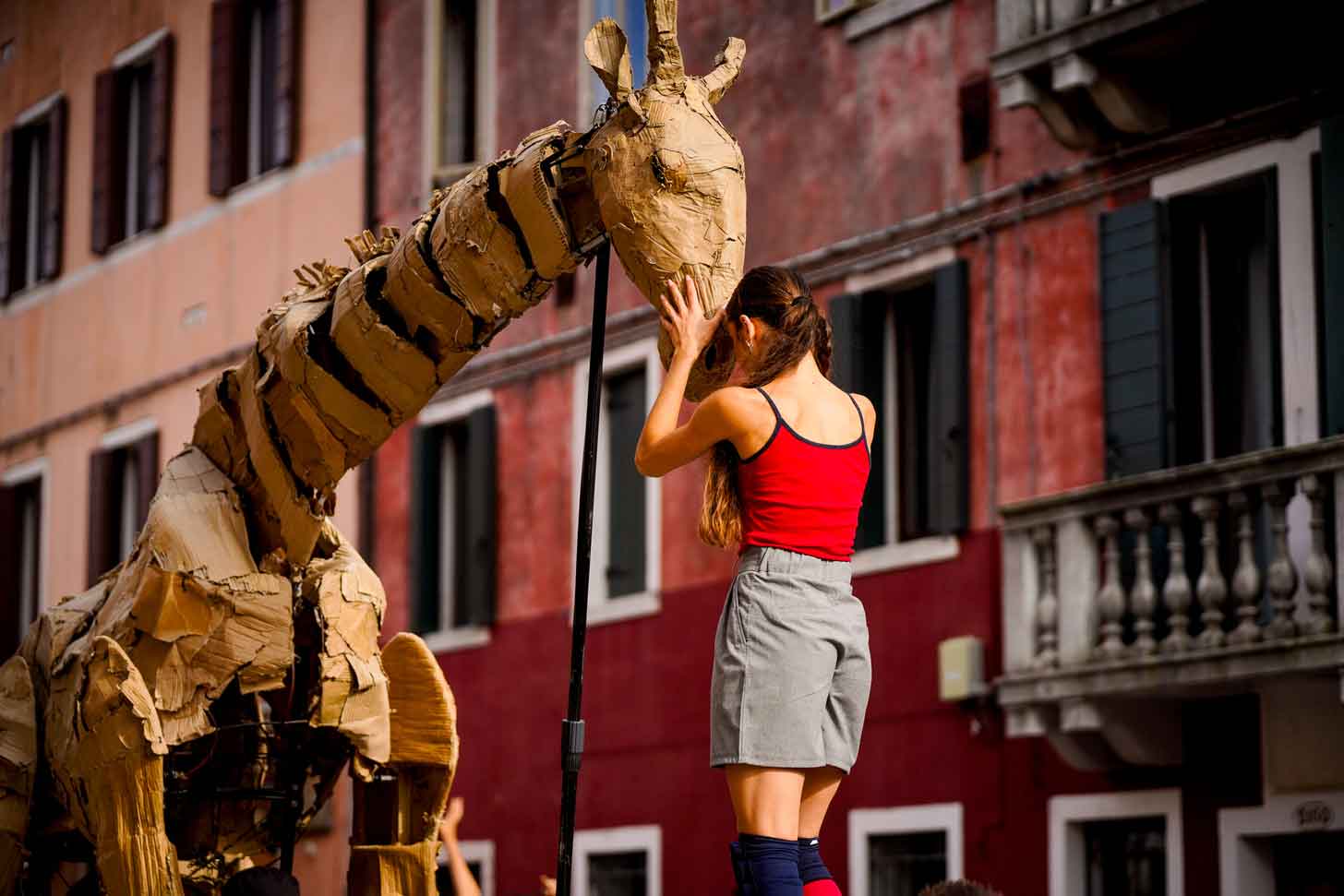
“I don’t think that we do these projects and the world immediately becomes better, but I want to believe that what we do matters.” Zuabi told Atmos.
“The way we’ve been talking about the climate crisis is through data, through these cold scientific words that don’t really mean a lot to us. That’s not to say they’re not real or important, but they don’t necessarily move us into action. Beauty does. Beauty will make you care.”
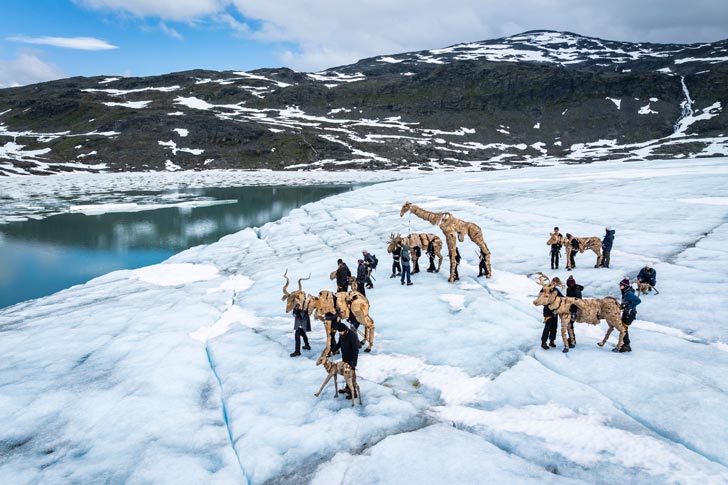
In his TED Talk, he summarized that the project’s intent was also to get people to understand their place in this story — one that, while depicted by fictional puppet characters, is indeed real.
“The minute you add beauty into the equation, it becomes personal, it becomes yours,” Zuabi said.
“And when lions and gazelles … zebras and hyenas … wolves and deer are running together — predator and prey running alongside one another — and they’re running away from us, they’re running away from a disaster that we have created, who are we in that story? What does it say about us?”
You may also like: Activists offer $1M to create first-ever Climate Nobel Prize: 'The funds are ready if the Nobel Committee agrees'
Header image by Vegard Aasen/The Walk Productions