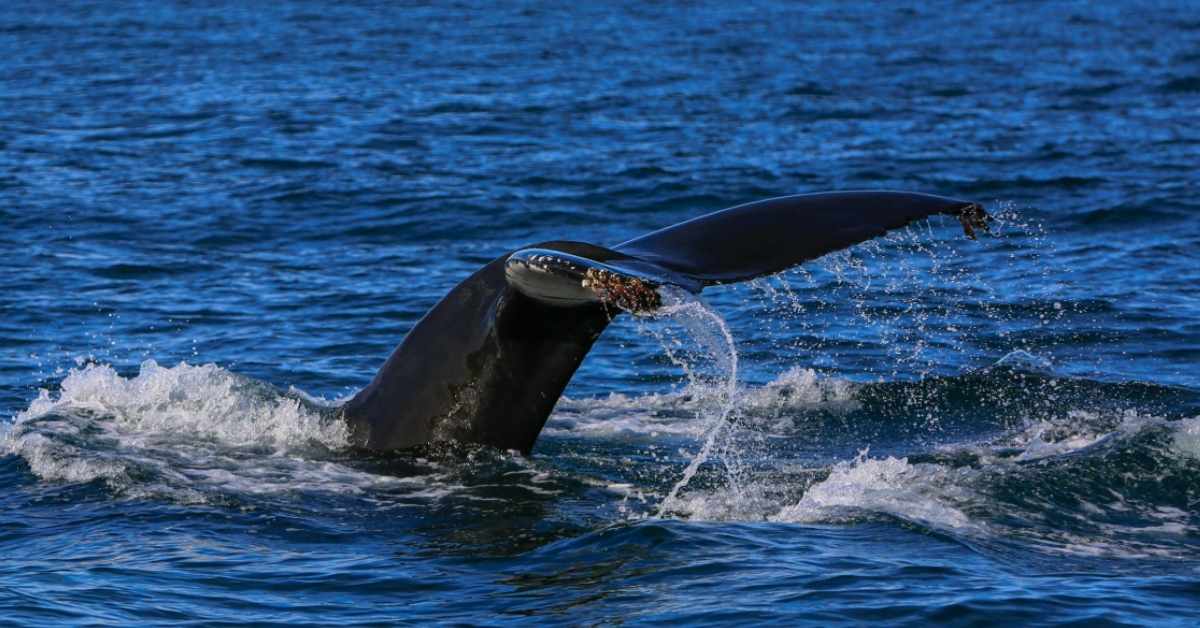
Whales eat a lot of food. In recent years, experts have estimated that the world’s biggest whales eat between 10 and 20 tons of food a day: the caloric equivalent of 70 to 80 thousand “Big Macs.”
“Decades of our eating is one day for them,” marine ecologist Matthew Savoca told NPR.
And all that food — fish, squid, krill, and zooplankton — has to go somewhere.
Luckily, Savoca said, tons and tons of whale poop isn’t harmful to the environment: It actually helps bloom phytoplankton. Those phytoplankton go on to feed krill, which feed countless marine animals, including penguins, seals — and again, whales.
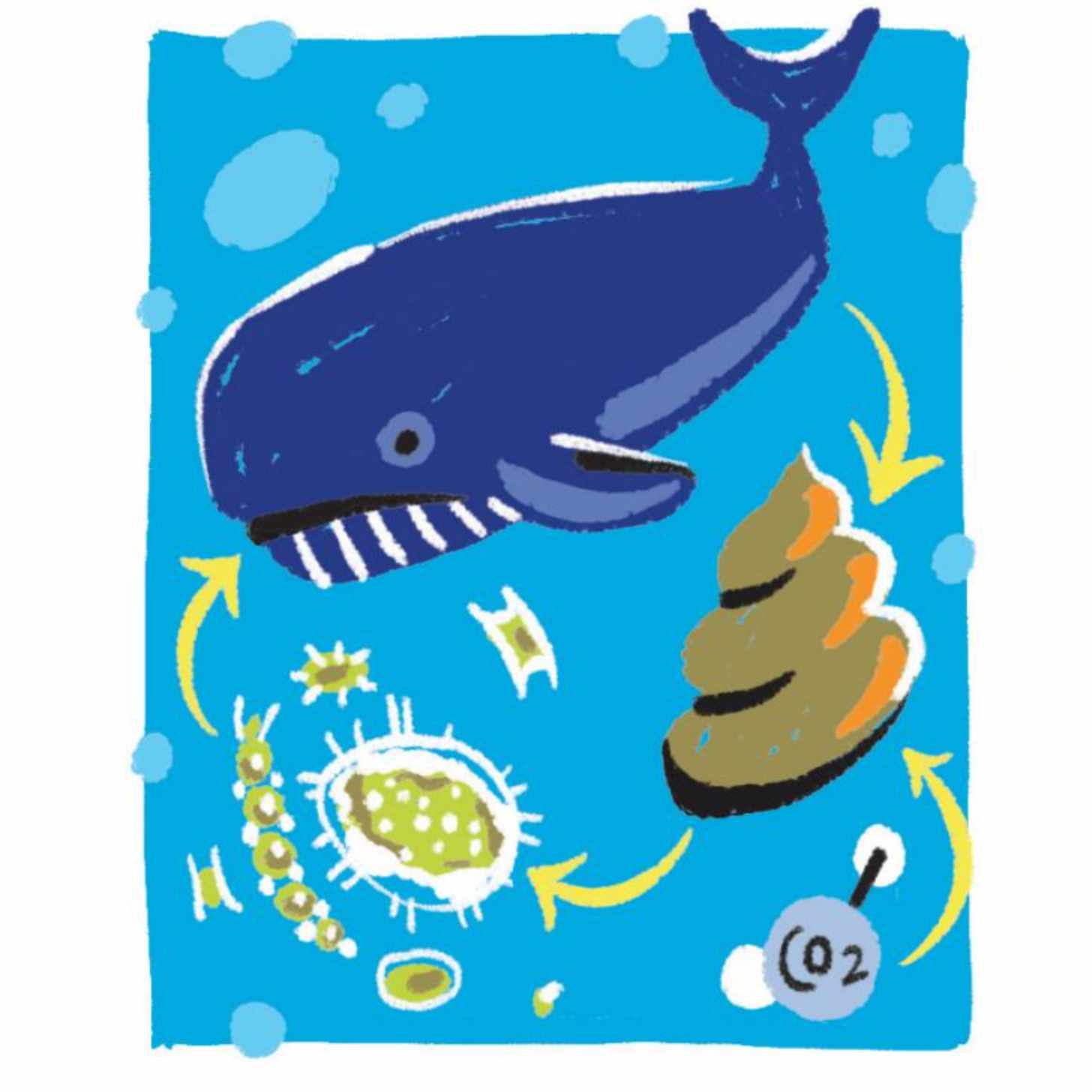
But those millions of tiny phytoplankton also serve a crucial role in climate change by absorbing carbon dioxide from the atmosphere.
“Whale poo has massive value,” CNN's chief climate correspondent Bill Weir said. “There’s a little over a million whales now, of all species, so the economists say if we get four million on the planet, we can really draw down as much as four Amazon rainforests [worth of carbon].”
A version of this article originally appeared in the 2024 Animals Edition of the Goodnewspaper.
Header image via DINOE XU / Pexels