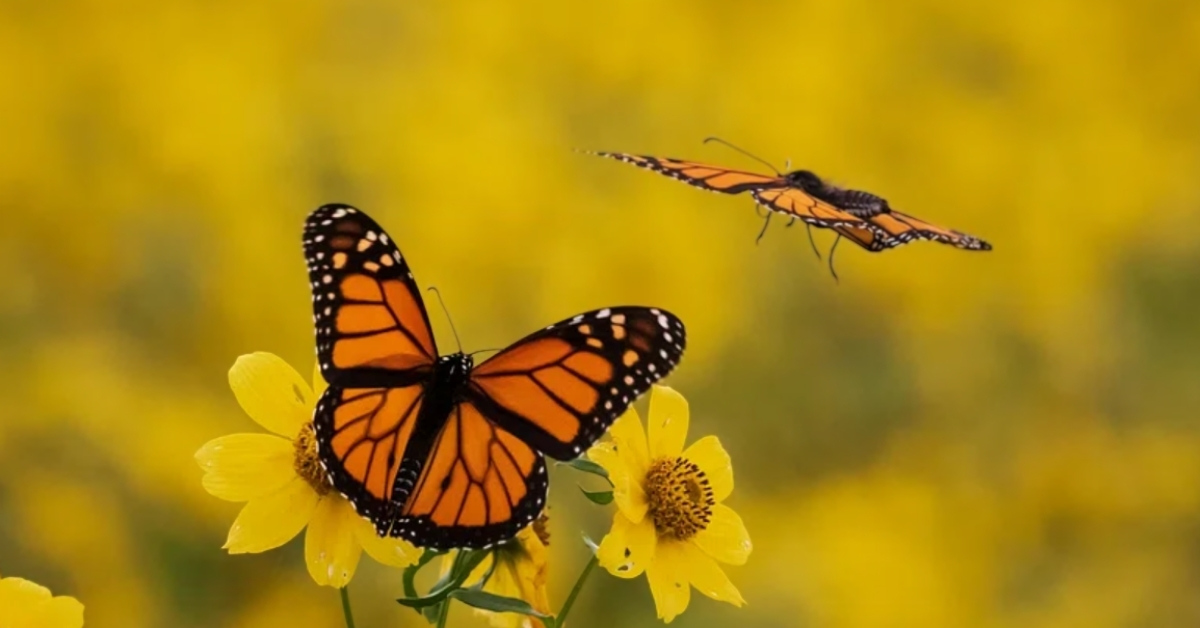
Every year, eastern monarch butterflies travel nearly 3,000 miles from Canada and the United States to a forest reserve 62 miles north of Mexico City.
For two decades, the World Wildlife Fund of Mexico has been tracking data on the generations of butterflies that have wintered in Mexico’s Monarch Butterfly Biosphere Reserve — the only place where they congregate by the millions.
And experts noticed a worrying trend: Migratory monarchs have declined by more than 80% since the 1990s.
“Monarchs need our help, and we need monarchs because they are spectacular and irreplaceable,” Tierra Curry, the endangered species co-director at the Center for Biological Diversity, said in a recent press release.
Decades ago, monarch butterflies began facing mounting threats on multiple fronts, including mass deforestation and the widespread loss of their only food source — milkweed — due to glyphosate use in farming. Additionally, flowering plants that adult butterflies rely on for nectar have been greatly reduced by the use of pesticides.
Climate change has only exacerbated these challenges, as extreme weather increasingly disrupts their breeding and migration patterns.
However, WWF-Mexico recently shared two new reports that offer a glimmer of hope for the monarchs. One, there’s been a significant reduction in forest degradation within their critical winter habitat.
And two, their population has increased by a staggering 64%.
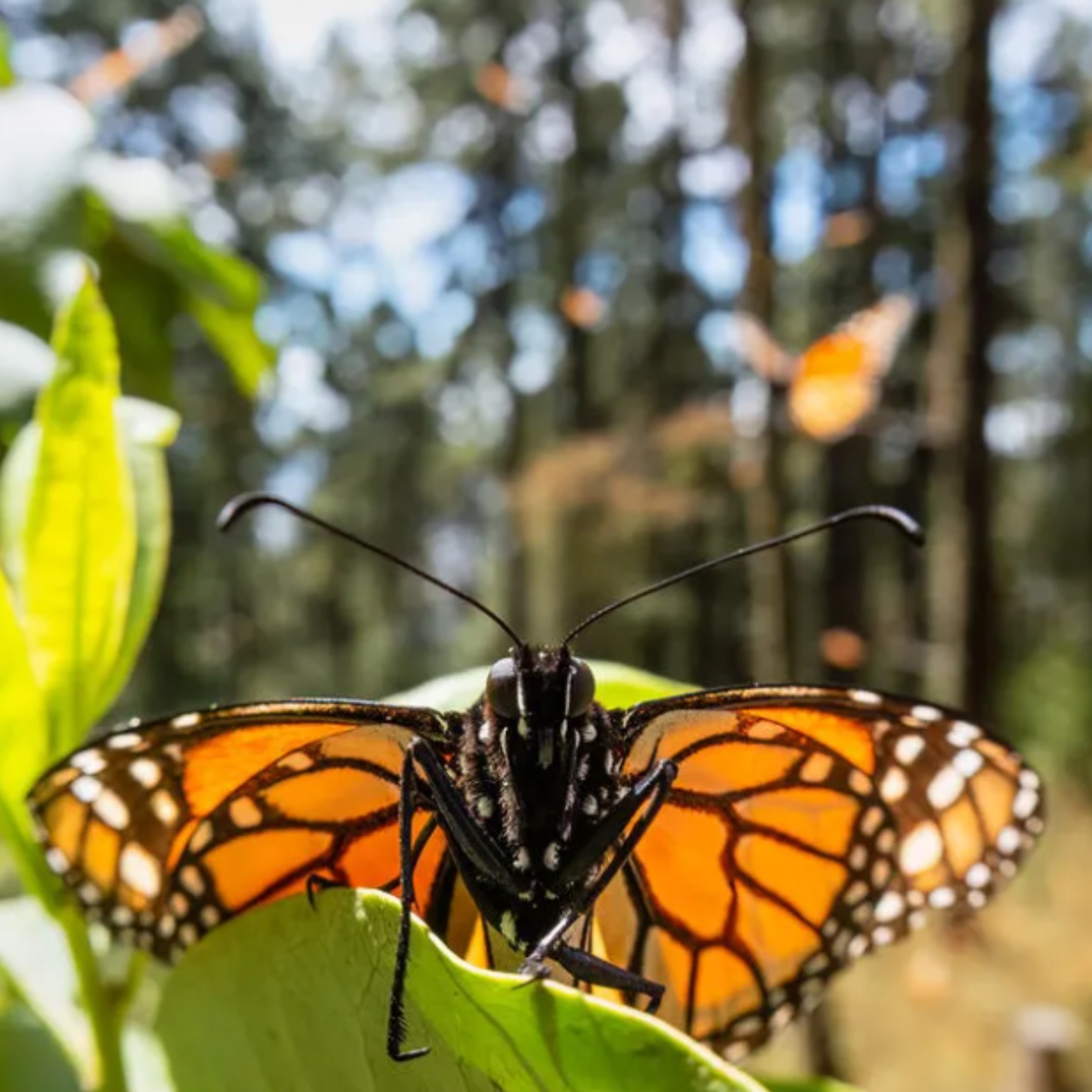
“Despite environmental challenges, today’s announcement shows promising signs of recovery for the migratory eastern monarch butterfly population,” said Maria Jose Villanueva, the director general of WWF-Mexico. “These reports indicate conservation measures are going in the right direction.”
“We also need to remain vigilant and not forget that this unique migration continues to face many challenges. WWF will continue to work together with local partners, the Mexican government, and especially with the local communities who are most critical to this success.”
The news isn’t just good for the monarch butterflies — it’s good for the planet. As a keystone species, they act as a “canary in the coal mine” when it comes to environmental decline. Falling monarch populations indicate broader issues affecting pollinators and ecosystems overall.
And because pollinators are crucial to food production and biodiversity, monarch declines highlight risks to both natural systems and human food supplies.
When it comes to WWF-Mexico’s latest data, Karen Oberhauser — one of the nation’s leading monarch experts — told Vox that entomologists should celebrate the win while still acknowledging that there’s a lot of work to be done.
“We are in a period of relative stability where the population has stopped declining,” said Oberhauser, a professor emeritus at the University of Wisconsin-Madison. “Our efforts can make a difference.”
You may also like: This critically endangered parrot is making a comeback. Experts think berries are the reason for the baby boom
Header image via U.S. Fish and Wildlife Service