The “Zero Suicide Model” is an approach developed in 2001, in which hospitals and health systems work with people contemplating suicide to reduce their access to lethal means, such as firearms, before following up with mental health treatment.
The first hospital system that implemented the model, Henry Ford Health in Detroit, Michigan, saw no suicides for an entire year.
In a different hospital system, three of four locations saw suicides and suicide attempts fall up to 25%, according to a study from April 2025.
The fourth location maintained low rates of suicides and attempts.
“Over the course of the year, that’s up to 165 to 170 suicide attempts that were prevented at these participating health care systems,” the study’s lead author, Brian Ahmedani, of Henry Ford Health, told The Associated Press.
The model involves a screening at any standard medical visit, designed to be “completed in 15 minutes,” according to the American Medical Association.
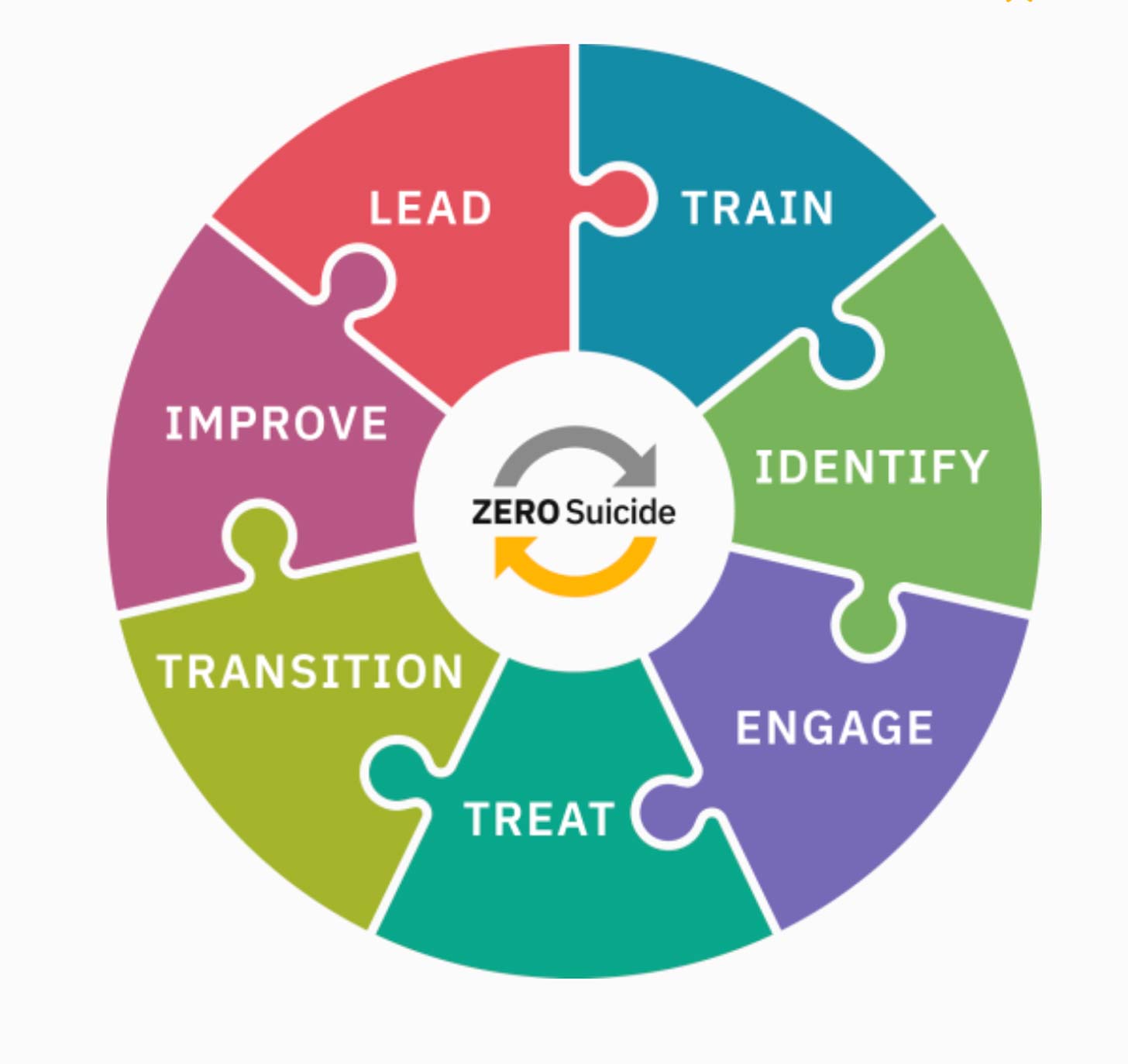
Patients determined to be at risk for suicide see a psychiatrist for a full evaluation, and a social worker or a nurse-practitioner care coordinator completes a safety plan.
At Doernbecher Children’s Hospital in Oregon, for example, the injury prevention program connected to the pediatric hospital’s psychiatric crisis center began providing consultation for patients seen for mental health crises as part of implementing Zero Suicide training.
Among the eligible patients who received tools like medication lockboxes or safe firearm storage devices, 98% said they felt their child was safer at home as a result.
“Getting the medication lockbox helped me feel like I was doing something to keep my child safe,” one participant said in a case study.
“I wish all families had access to these safety resources,” another added.
Since its development, the Zero Suicide Model has been adopted in over 25 other countries.
“People are struggling all across America, and now we have an option that’s feasible, practical, and with plenty of data to show that it works,” Ahmedani told the AMA. “We are working every day to refine this model, bring it to more places, and save even more lives.”
You may also like: England's new '10-minute clinics' treat emergency mental health crises and ease burden on hospitals
A version of this article was originally published in The 2026 Mental Health Edition of the Goodnewspaper.
Header image by Mikhail Nilov via Pexels