For most adults, nothing will ever beat fresh vegetables from a local farmer’s market, cooked and seasoned to perfection. But for kids, getting them to choke down a carrot or broccoli can feel like an impossible feat.
This, in addition to a myriad of other reasons, is why Ali Ubeyitogullari, an assistant professor of food engineering at the University of Arkansas, has dedicated his research to 3D-printed food.
“We work at the intersection of food engineering and human health to improve people's diets,” Ubeyitogullari told the university in a press release.
His team at the university’s Food Science and Biological and Agricultural Engineering departments has been studying how to best usher in the next era of food science.
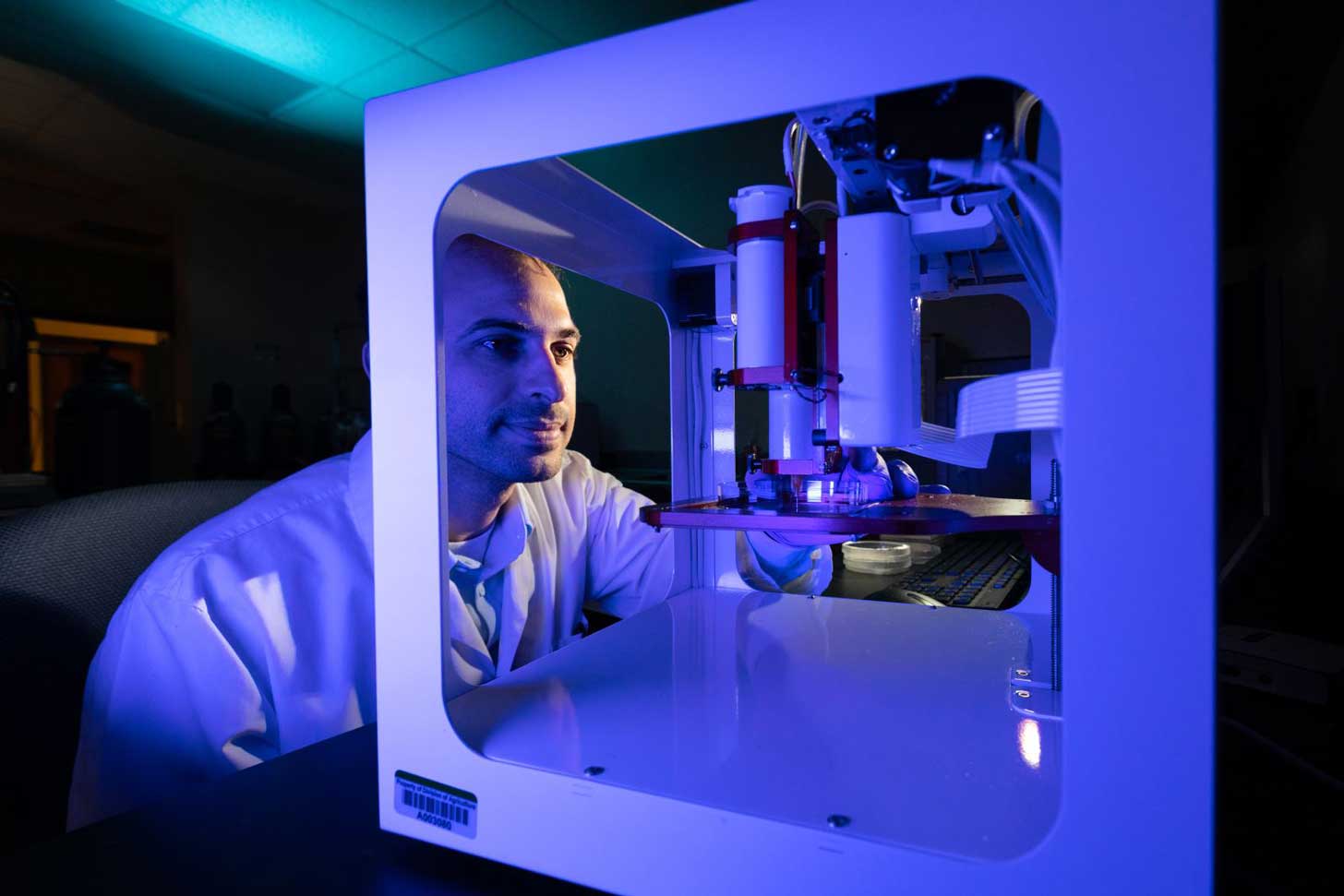
In his lab, Ubeyitogullari has been printing cookie doughs and flours, but he has also been experimenting with food waste — which makes up 30-40% of the food supply in the United States.
“Say you have an imperfect carrot — it forks at one end or is too long to sell in a bundle or it just looks funny,” the university’s press release explains. “Most shoppers avoid buying imperfect produce. There may be other products that can claim these misfit veggies, such as soups, purees or dog foods, but there may not be.”
3D printing provides another solution.
According to Ubeyitogullari, imperfect foods like carrots or broccoli can be freeze dried, pulped into a slurry, or dehydrated. These processes make it possible to convert them into a “bioink” that gets squirted through a 3D printer’s nozzle, usually along with some liquid to help it flow.
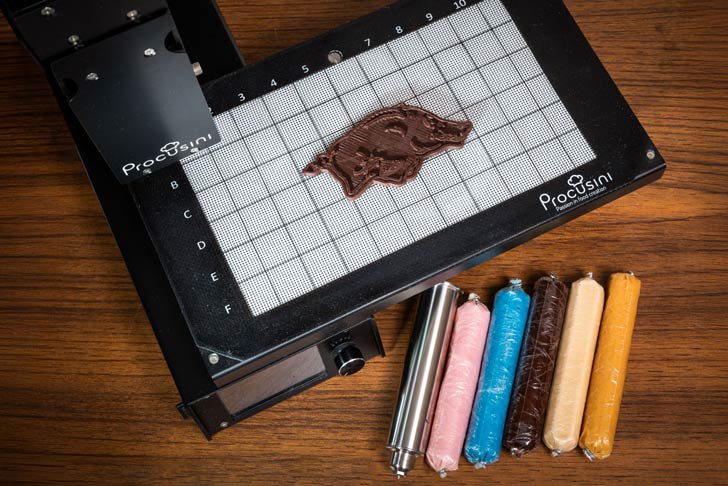
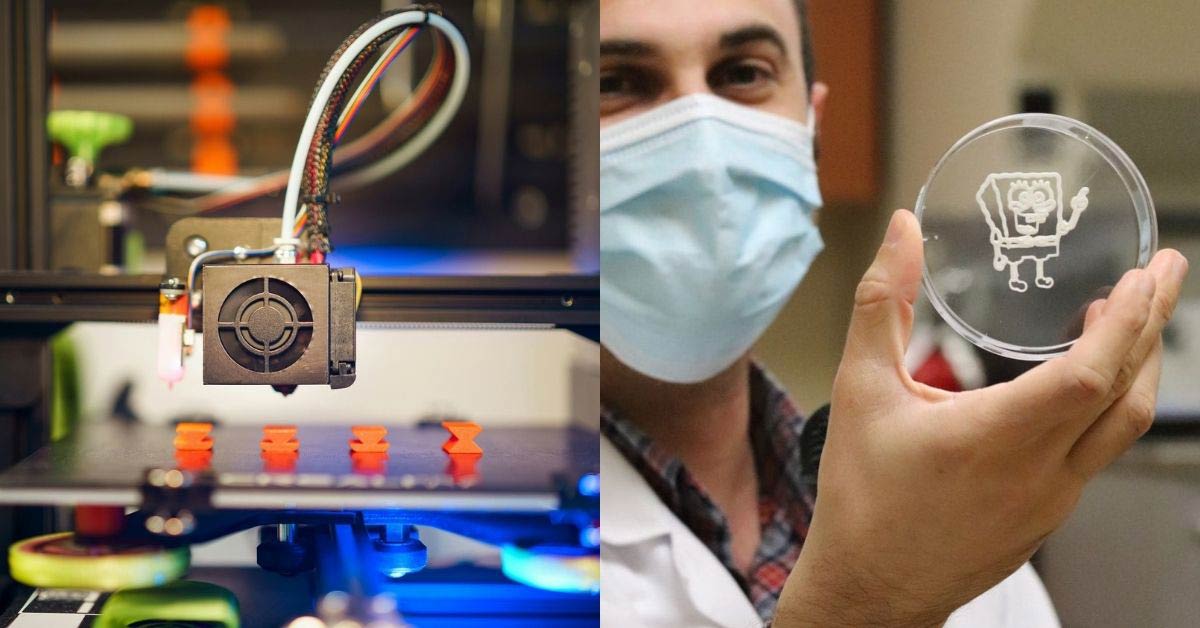
From there, the bioink can be easily printed into “entertaining forms” and fun shapes that kids would be eager to eat.
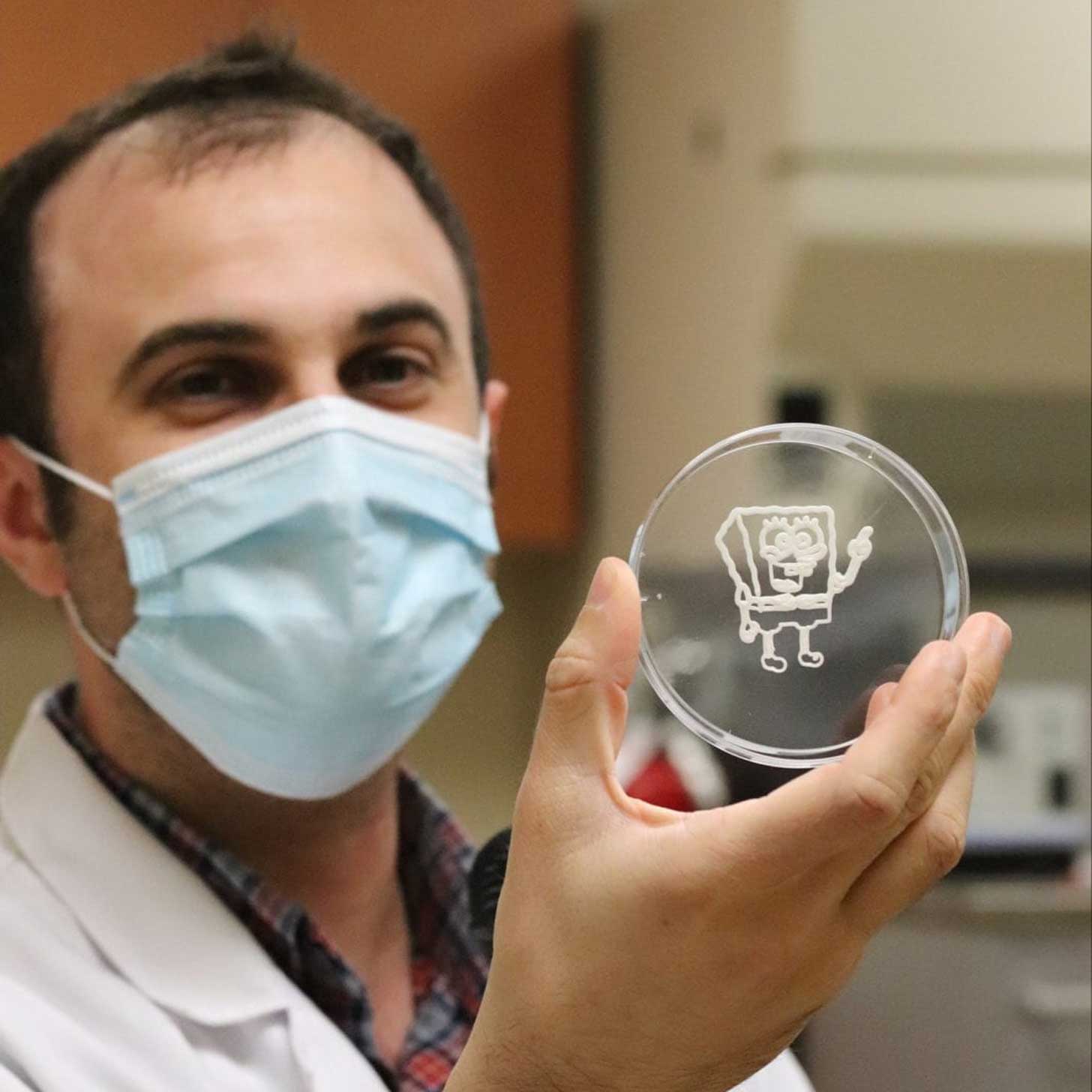
Ubeyitogullari has turned broccoli and carrot bioink into Spongebob SquarePants, as well as chocolate ink into the university's Razorback mascot.
In addition to making mealtime fun, there are more serious elements to this work.
Considering that over 17% of people across the United States live in food deserts, meaning they don’t have access to nutritious food at affordable prices, getting nutritious food in the hands of people who need it is vital.
The 3D printing process could be customized to address specific dietary needs, customizing food to make it more nutritious for someone suffering from malnutrition, for instance. The food science lab is researching how to improve the bioavailability of “bioactive compounds” in food.
These are naturally occurring chemicals in things like fruit, nuts, seeds, and vegetables that contribute to health by reducing risks of diabetes, cancer, or cardiovascular disorders. The trouble is that some of those bioactive compounds disintegrate too quickly in the body to have a maximum effect.
So, the idea is to inject stronger compounds into 3D-printed foods.
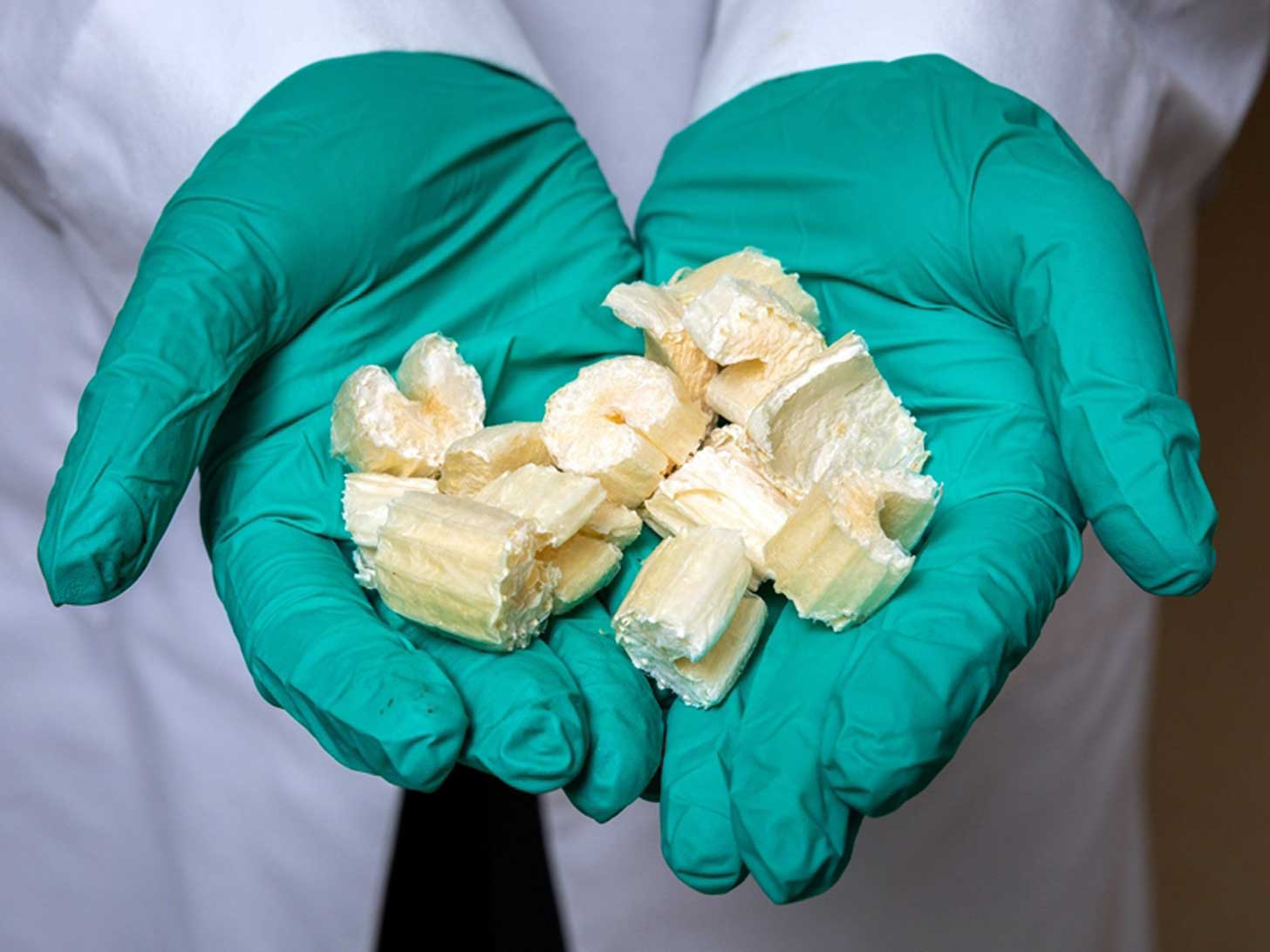
Ubeyitogullari’s team uses food ingredients found in everyday kitchens, like starch, to form a gel with a porous structure that is conducive to being loaded with bioactive compounds in a process called encapsulation.
“When you do that encapsulation, you reduce the size of the compound, but also you physically protect it from the environment,” Ubeyitogullari explained.
“You can combine that with 3D printing to be able to precisely control where those bioactive compounds are going in the food matrix.”
This concept can also be replicated easily, since 3D printing infrastructure already exists. Ubeyitogullari believes it would be relatively easy to port 3D printing assemblies to environmental disaster sites, humanitarian aid stations, or even aboard space stations.
Another use for this technology could be helping people with dysphagia, a medical condition that makes swallowing difficult for about 300,000-700,000 Americans every year. Older adults are most susceptible to the condition, who are often restricted to soft foods.
Instead of pureeing bland foods for people with this condition, 3D printing could help foods retain an original look and shape, but with consistencies that are easier to swallow. Making food more enjoyable for these individuals, Ubeyitogullari said, could also help reduce unintentional weight loss.
All in all, 3D printed food might not seem exactly appetizing, or could be perceived as the most “ultra-processed” food on earth. But Ubeyitogullari believes in its potential.
“It is a very valid discussion from a consumer perception standpoint. But there have been similar examples in the past, and I think with maybe more knowledge and examples we will overcome that,” he said, of the initial discomfort some may have with 3D-printed food.
“The same thing happened with the microwave. People thought the microwave was making Frankenstein food, radioactive, this and that. But now every home has a microwave. I think people will see that a 3D printer is just another kitchen tool to process food.”
You may also like: South Korea recycles 98% of its food waste. Here's how they do it
Header images courtesy of Jakub Żerdzicki via Unsplash and Ali Ubeyitogullari