The mayor of Aurora, Colorado, Mike Coffman, recently admitted something to his constituents: He’s been sleeping in the city’s homeless shelters since February.
But it’s not because he needs a place to sleep. It’s because he wants to make sure the Aurora Regional Navigation Center is “a model program for serving the needs of the area’s homeless.”
According to the 2026 Point-in-Time Count Survey from the Metro Denver Homelessness Initiative, there are 832 people experiencing homelessness in Aurora. While the ARNC opened its doors in November 2025, the city is still short a few hundred beds for the people who need them.
Additionally, a few months after opening, the ARNC came under fire for bad plumbing, noxious odors, sickness, and maintenance issues, as reported by the Aurora Sentinel in February.
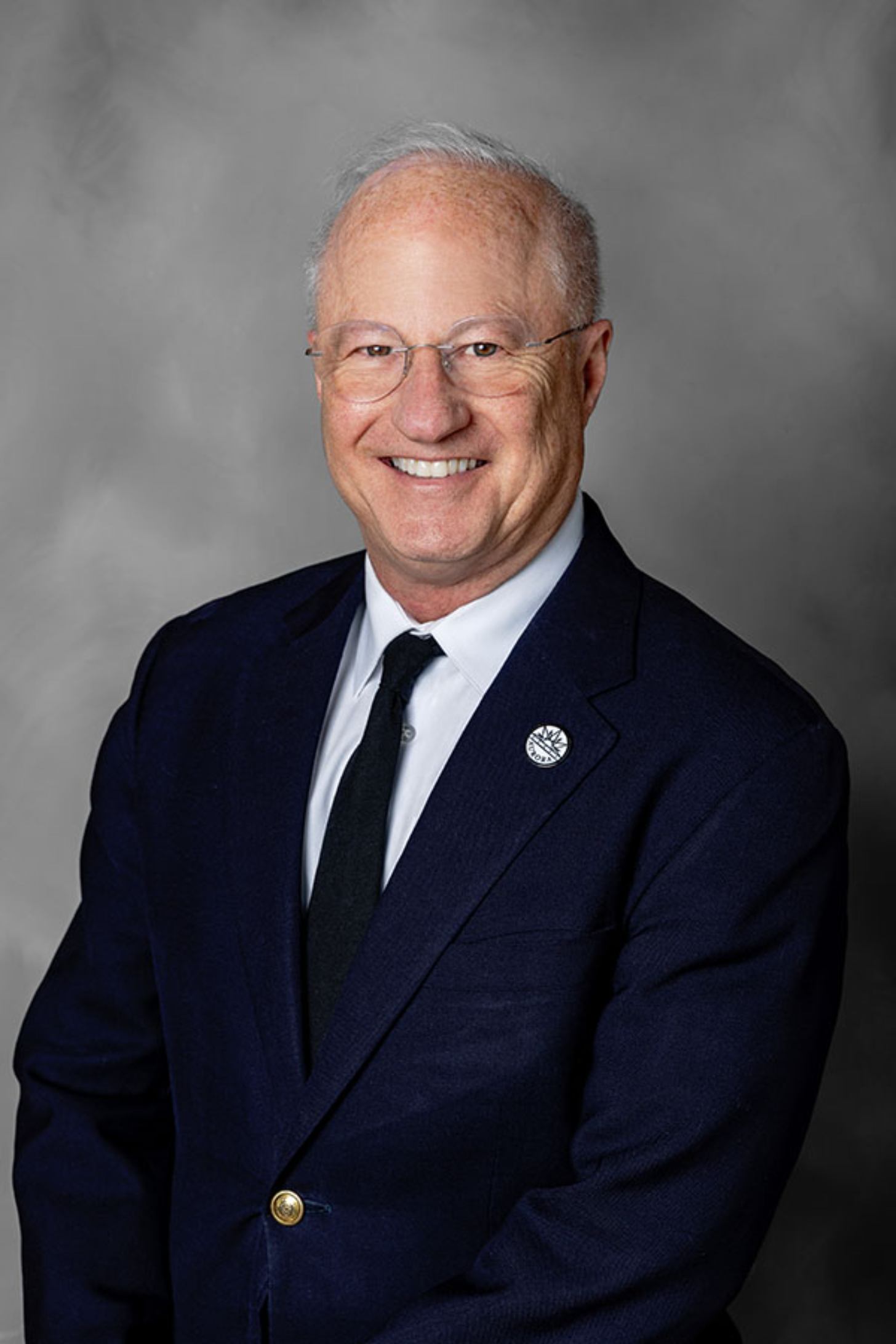
In addition to being the mayor, 71-year-old Coffman is also a board member for Advance Pathways, the nonprofit partner that operates the ARNC.
So, he has embedded himself in the program to understand how it works, where there might be snags like the ones reported early on, and how he can leverage opportunities to improve the city’s housing services even more.
On June 17, Coffman revealed on Facebook that he had been sleeping at ARNC every Friday night since late February, meeting residents in the men’s entry-level dorm, and helping to serve breakfast on Saturday mornings.
“It’s definitely a humbling experience being there,” Coffman told Axios.

Staff were aware of the arrangement from the start, according to Axios, but some residents are now starting to recognize him as the mayor. It seems he hasn’t been trying to go fully undercover, but he also wasn’t trying to draw attention to himself.
Coffman shared in the Facebook post that he gives his business cards to people in the shelter in case they need to contact him during the week.
“Consistency is important so that they know that I will be there every Friday,” he wrote on Facebook, “and as I've become more familiar to them, they have become more relaxed and open about talking to me about their challenges and expectations for their future.”
The ARNC program has three separate tiers. Tier I is an “austere” option for those who are newly homeless or recently coming in from sleeping on the streets. Tier II includes addiction recovery, mental health, and job training support, with more private accommodations and storage for belongings. Tier III includes individual rooms that were part of a former hotel and acts as more of a transitional housing approach for those who are working full-time and seeking their own accommodations.

Every Friday afternoon, Coffman said, he leaves his office and goes directly to the ARNC.
He added that he has brought construction ear protection to try to snuff out extra noise.
“We are one of the few shelters that allow dogs, and the dogs are with them,” Coffman told Denverite about the shelter residents. “And so if one dog starts barking, they all start barking. And then the lights are completely on until 10 o'clock. I'm used to going to bed a little earlier than that.”
But, he ultimately said, the discomfort is worth upholding a value he has held since his days in the military.
“Never order somebody to do something you yourself would not do,” he told Denverite.

On Facebook, Coffman said he would continue to stay in the shelter every Friday night “until the program is everything that I believe it can be.”
His goal is to make it a model “not just for Colorado, but for the country.”
“The experience has enabled me to better understand [the residents’] unique and complex challenges,” he concluded, “and it has helped me to see them with compassion, as individuals, and not through a lens of condescension or contempt.”
You may also like: A public library in Oklahoma is offering housing right upstairs. It’s a statewide first
Header images courtesy of Mike Coffman/City of Aurora