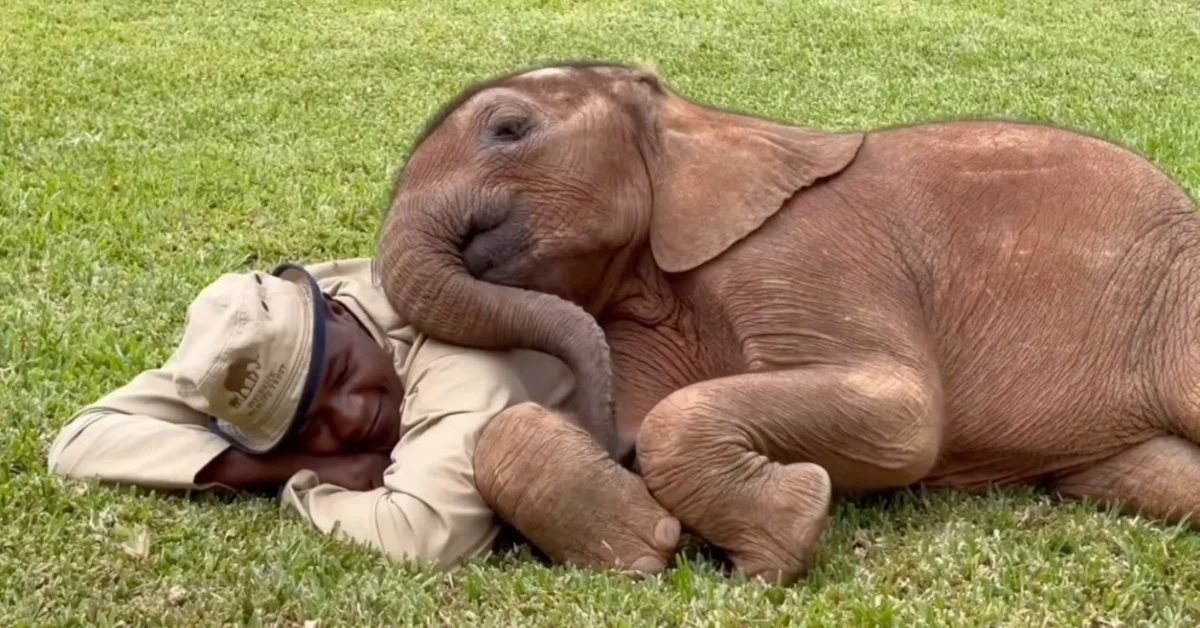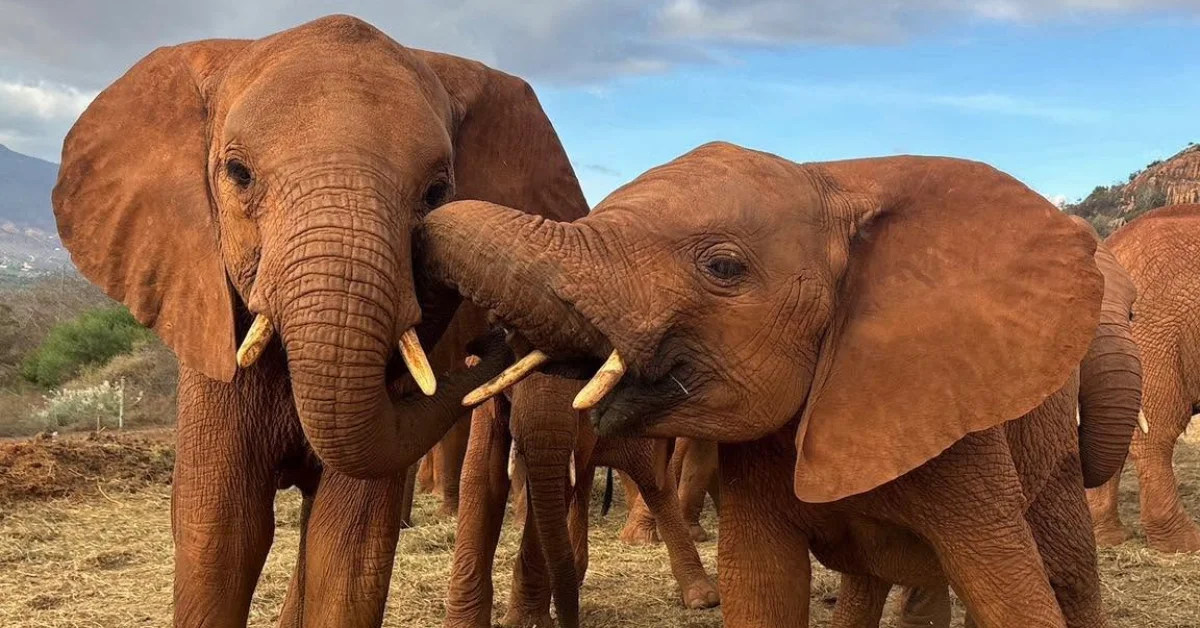
It would be an understatement to say that Bungalu the African elephant has been through a lot. Today, the 16-month-old calf is in safe hands at the Sheldrick Wildlife Trust, a conservation organization that raises and rehabilitates orphaned elephants.
But 6 short months ago, Bungalu narrowly escaped death.
In February 2026, the Kenya Wildlife Service received reports of a baby elephant wandering alone in Bungule, near the foothills of Mount Kasiagau. Despite frequent patrols, the calf remained hidden.
On February 27, after locals spotted the calf again, the Sheldrick Wildlife Trust raced to the scene via helicopter, only for him to flee again out of fear.,
As February neared its end, the Tsavo area was rocked by lightning storms and extreme rain.
“It was a miracle that the calf had lasted for as long as he did without his mother’s milk or the protection of his herd,” the nonprofit stated on its website. “Now, it seemed too much to hope that he had survived such a storm.”
On March 1, locals from the Maasai tribe had seen the elephant and corralled it to a tree until help could arrive.
But it wasn’t until the Sheldrick Wildlife Trust rangers transported the calf back to their Kaluku Unit sanctuary that they realized the full extent of its injuries.
“His back was laced with deep claw marks. The wounds had scarred over, but he had clearly been pursued by lions — and based on the number of claw marks, he was very lucky to have survived the attack,” the Sheldrick Wildlife Trust recounted. “It seems probable that this is how he initially came to be separated from his herd.”
Additionally, Bungalu was “riddled with parasites,” which the veterinary care team linked to his lack of nutrients at such a young age.
“He was skin-and-bones and really struggled to put on weight, even as the keepers plied him with milk bottles and healthy greens,” the nonprofit explained.
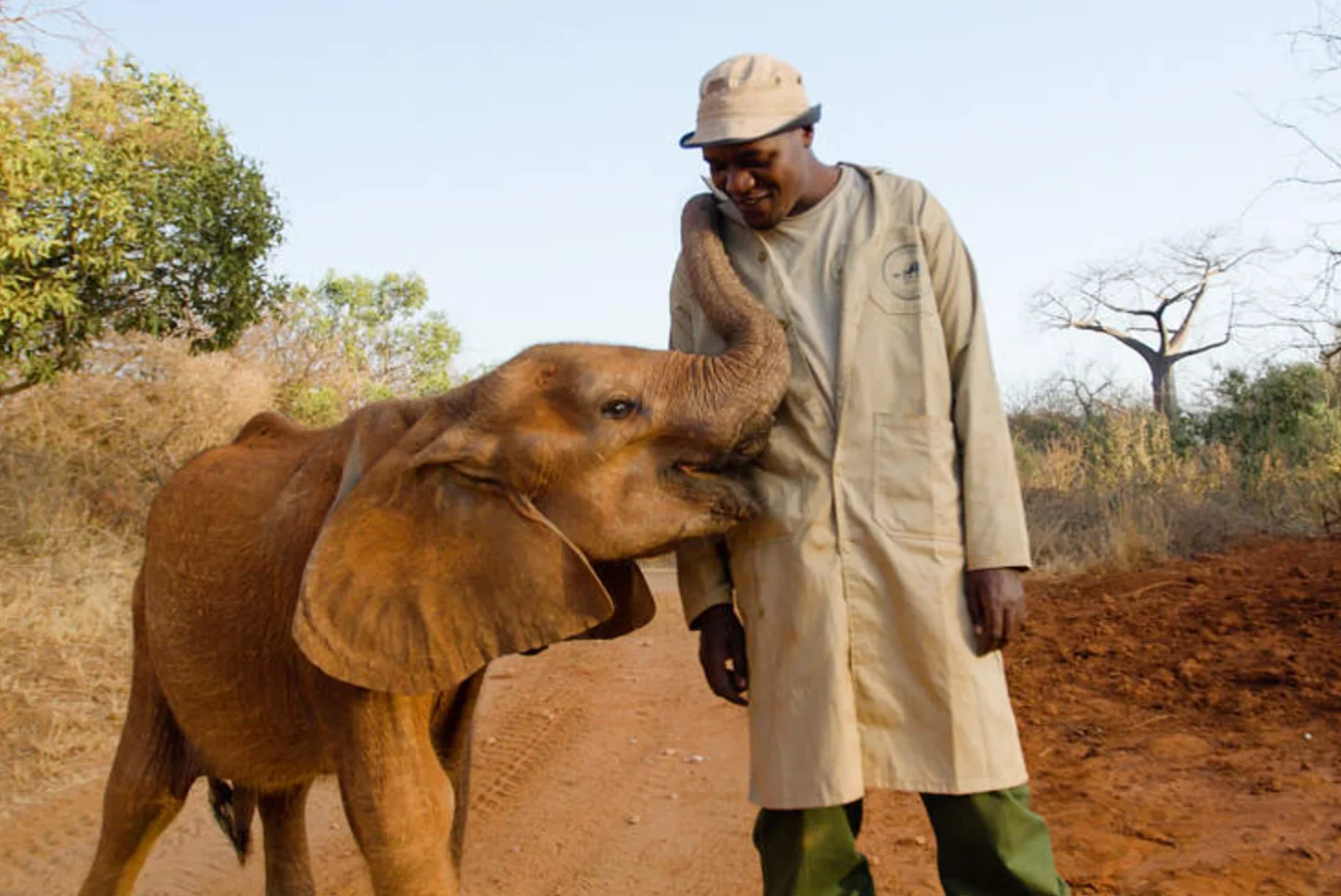
“After all he experienced, one might have expected Bungalu to be withdrawn or even aggressive, but he embraced his keepers from the outset,” the account continued. “As we have seen with other orphans, he had spent so long on his own that he was just relieved to be cocooned amongst a family once more.”
“There was very little settling-in period; by the first night, he was bottle-feeding and suckling his keepers’ fingers.”
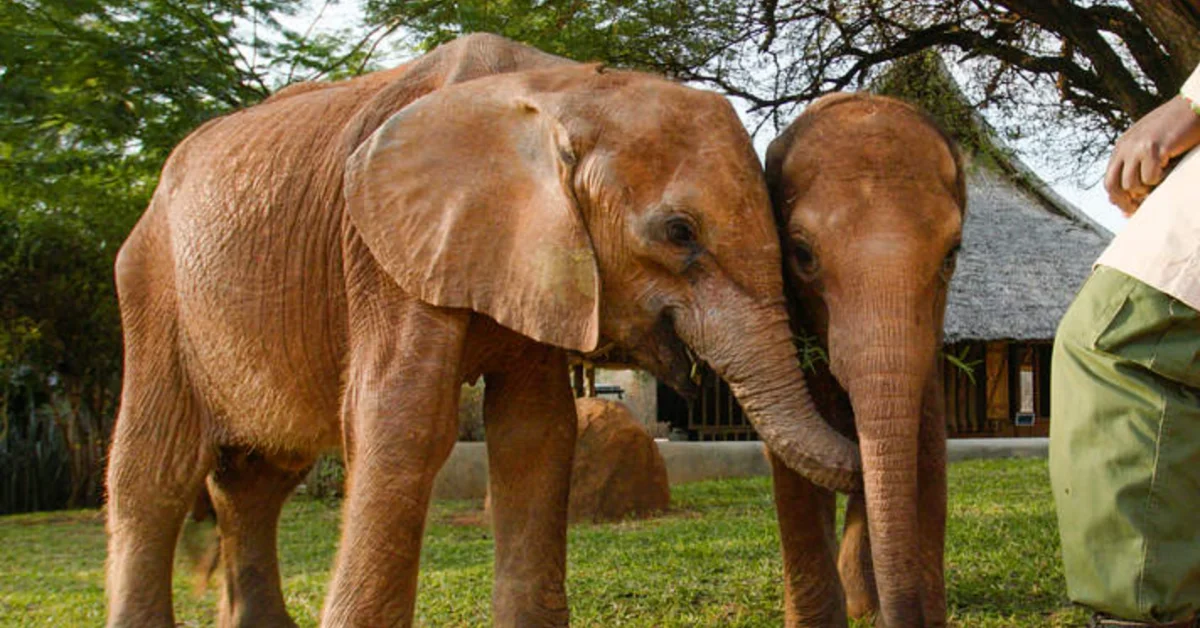
Bungalu also found an elephant companion in Kaikai, another calf who was orphaned at just a few days old.
“Bungalu and Kaikai make for a wonderful, odd couple. As hyper as she is, he is staid. While she dashes ahead, he happily lopes behind. Bungalu is content to follow Kaikai's lead — which is fortunate, because she wouldn't have it any other way!”
Kaikai, who has three keepers tending to her care, has been affectionately called a “princess” at the sanctuary.
“Sometimes, when her bossiness gets a bit out of hand, he keeps her in check with a firm headbutt, but he mostly lets her continue her little reign uncontested,” the nonprofit added.
On September 14, the Sheldrick Wildlife Trust shared a video update of Bungalu on Instagram.
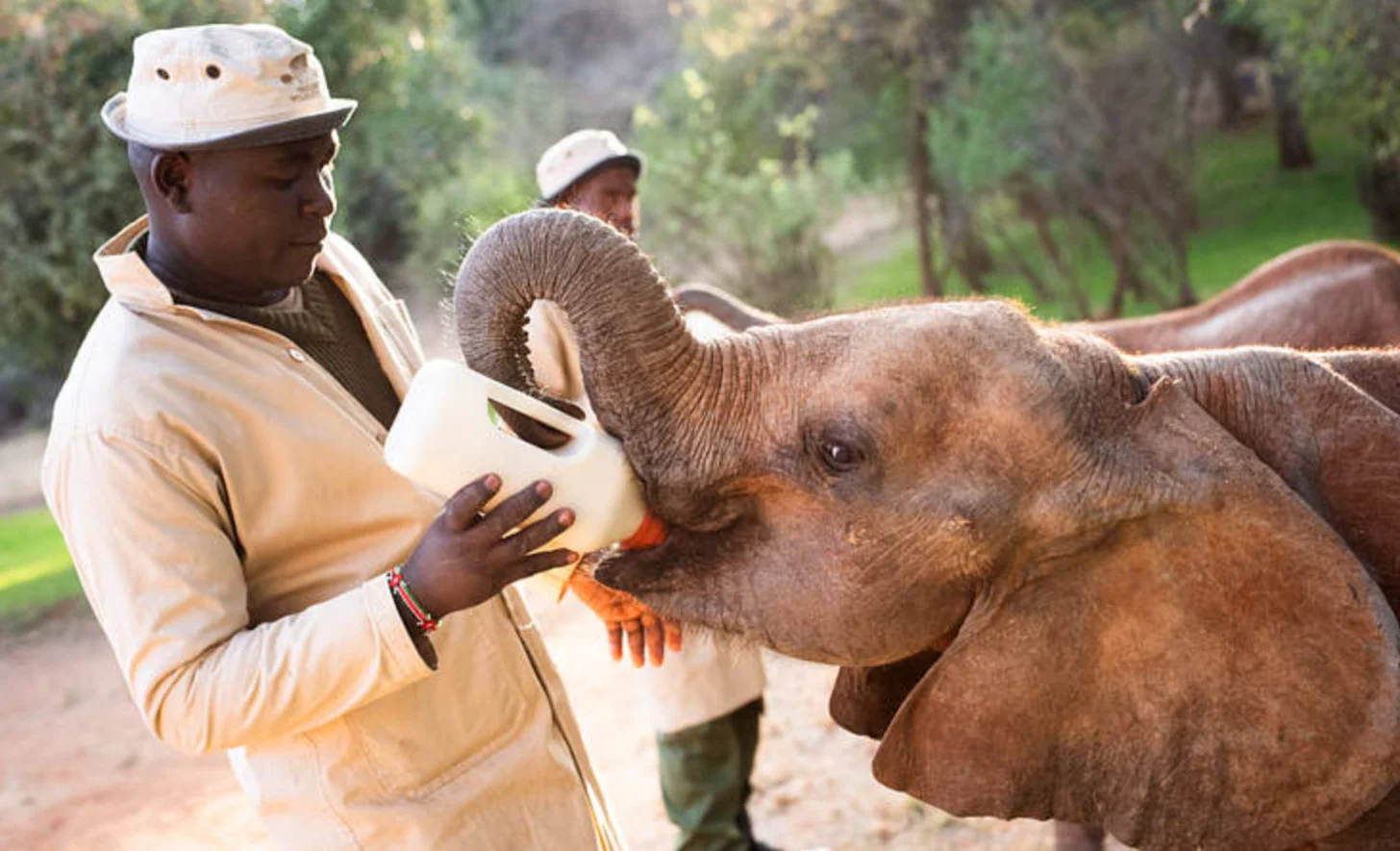
“Bungalu has an adorable little habit: When he’s drinking his bottle, he delicately grasps the handle with his two trunk fingers,” the caption read. “He’s not strong enough yet to hold the whole bottle, but he wants to pull his weight!”
The nonprofit added that Bungalu’s ability to use his trunk as “fingers” is a trait unique to African elephants.
“They have two prehensile ‘fingers’ on the end of their trunk, which give them the dexterity to pick up the tiniest pebble, the thinnest blade of grass — or the tubular handle of a milk bottle!”
You may also like: This baby elephant was orphaned just days after she was born. Now 3 rangers 'share custody' of her: 'She knows us as her parents'
Featured Image: Screenshot via Sheldrick Wildlife Trust/YouTube