In 1905, the Point Defiance Zoo & Aquarium opened in Tacoma, Washington. Over the last century, the zoo has grown to house more than 9,000 specimens representing 367 animal species.
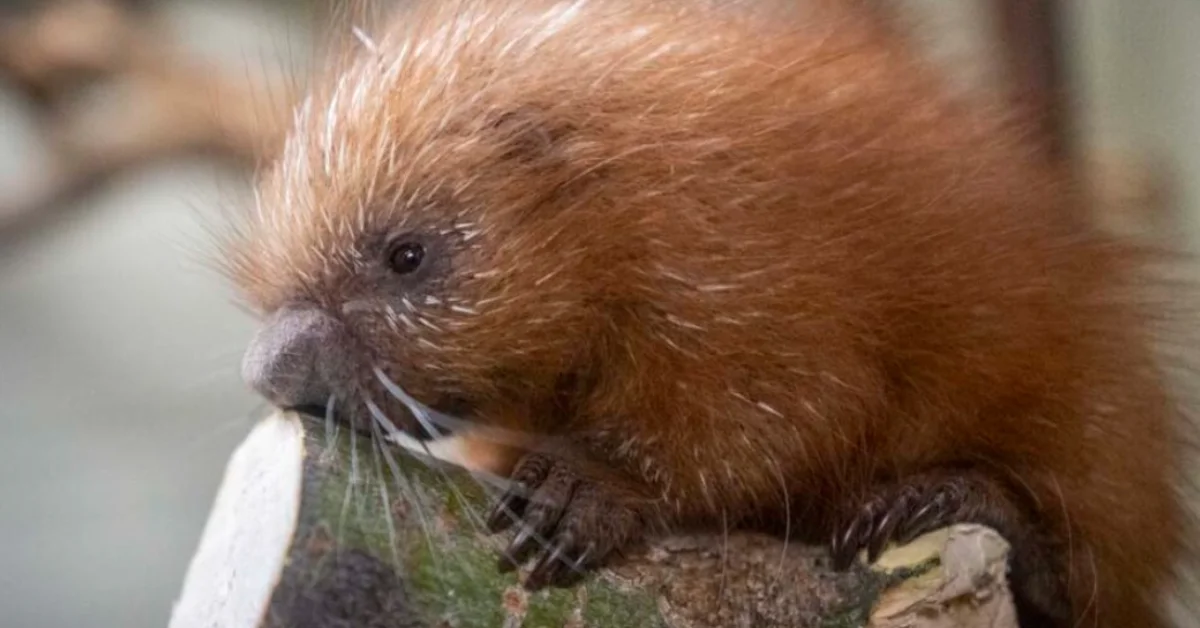
And on August 17, the PDZA welcomed a prehensile-tailed porcupine baby for the first time in the zoo’s 121-year history.
The “porcupette,” who has yet to be named, was born to parents Nigel and Quillow. On August 27, the PDZA posted a TikTok video of the new arrival getting a health exam.
The top commenter marvelled at its “emotional support log!”
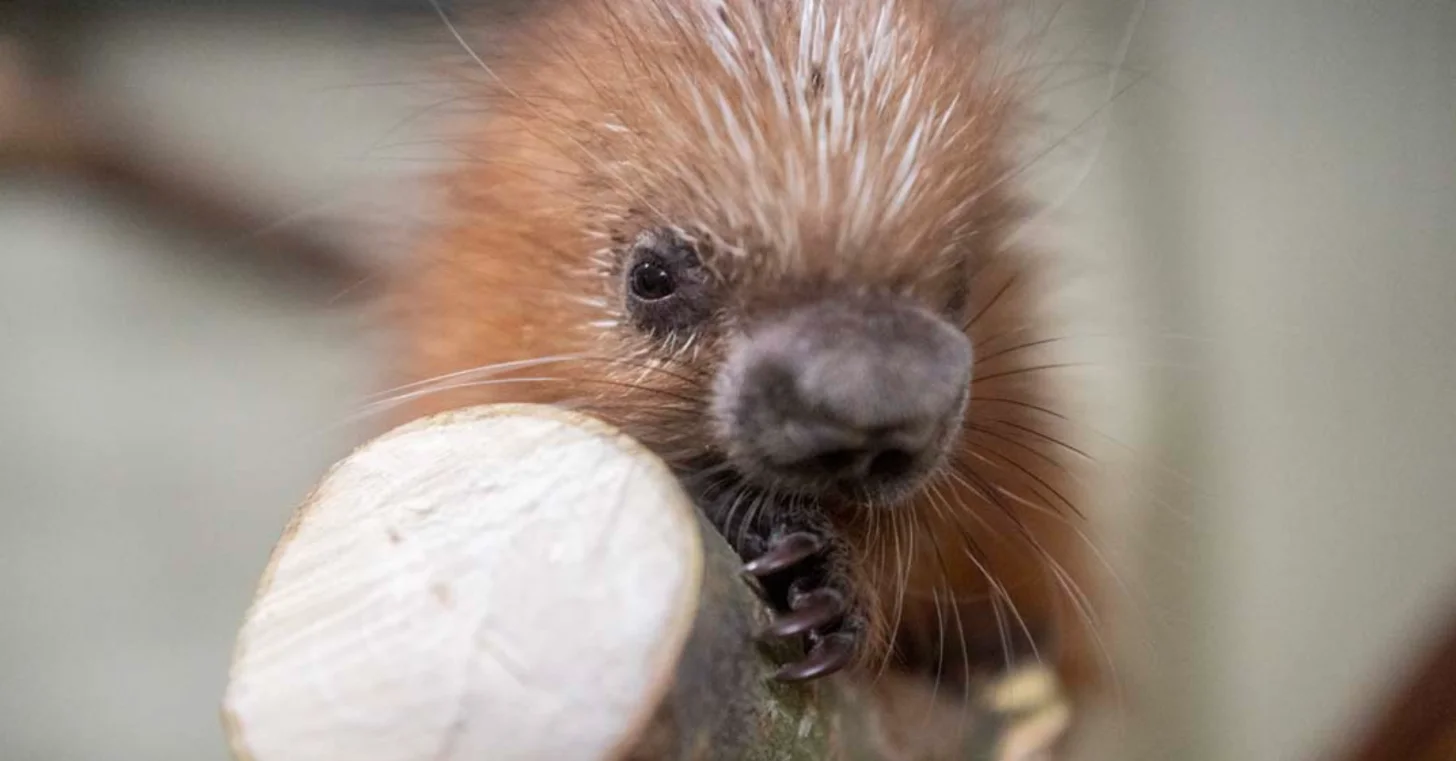
“It’s only two popcorns long,” another TikTok user commented.
“It’s so cruel and unfair that they’re called porcupettes but I can’t ‘pette’ them,” one person joked.
In a press release, the PDZA said that the birth was the result of the Association of Zoos and Aquariums’ Species Survival Plan, which recommends routine breeding programs to “maintain healthy, genetically diverse populations of animals in accredited zoos and aquariums.”
“At just one week old, the porcupette had a hands-on wellness exam with the zoo’s veterinary team,” the PDZA stated. “Head Veterinarian Dr. Karen Wolf listened to its heart and lungs, checked its eyes and mouth, and weighed the youngster.”
According to the zoo, the team also collected several quills for DNA analysis to determine whether the porcupette is male or female, since young porcupines have no external characteristics that indicate their sex.
Prehensile-tailed porcupines, which are also called coendous, live high in the treetops of tropical forests across Central and South America.
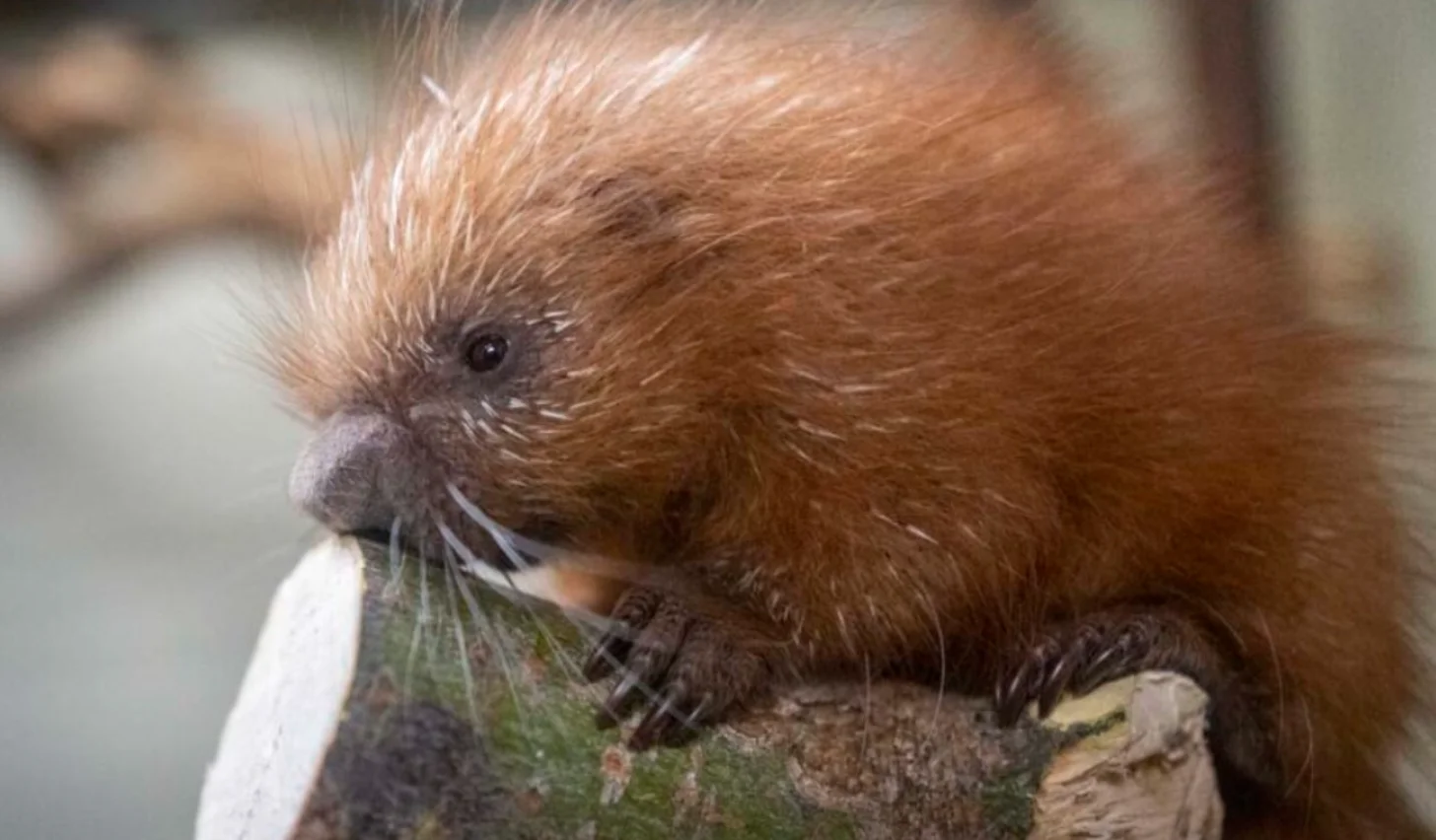
“Their prehensile tails help them balance and climb, while the bare soles of their feet give them a firm grip on branches,” the PDZA explained. “Their quills provide their best defense, with many being semi-hollow and barbed at the tips. They also have soft, velvety noses and long whiskers that help them navigate their surroundings.”
As the herbivores move through the treetops, they feed on leaves, shoots, flowers, and tree bark, naturally thinning the forest canopies. Light gaps in the treetops allow sunlight to reach the forest floor, providing food and sunlight for the creatures below.
As it continues growing, the baby will receive regular health checks from the veterinary staff. When it's fully grown, the porcupine will weigh between four and 11 pounds.
“Prehensile-tailed porcupines are born with bright reddish-orange hair to provide camouflage and protection for their soft quills,” the PDZA explained on Threads. “As the baby grows, it'll shed its hair, revealing spiny black-and-white quills.”
For now, the porcupette will remain behind the scenes, with first-time parents Nigel and Quillow, at the zoo’s Wild Wonders Outdoor Theater.
You may also like: Two of Africa's rarest birds broke a dry spell after the dad finally stepped in to raise his eggs, a first in 95 years
Featured Image: Point Defiance Zoo & Aquarium