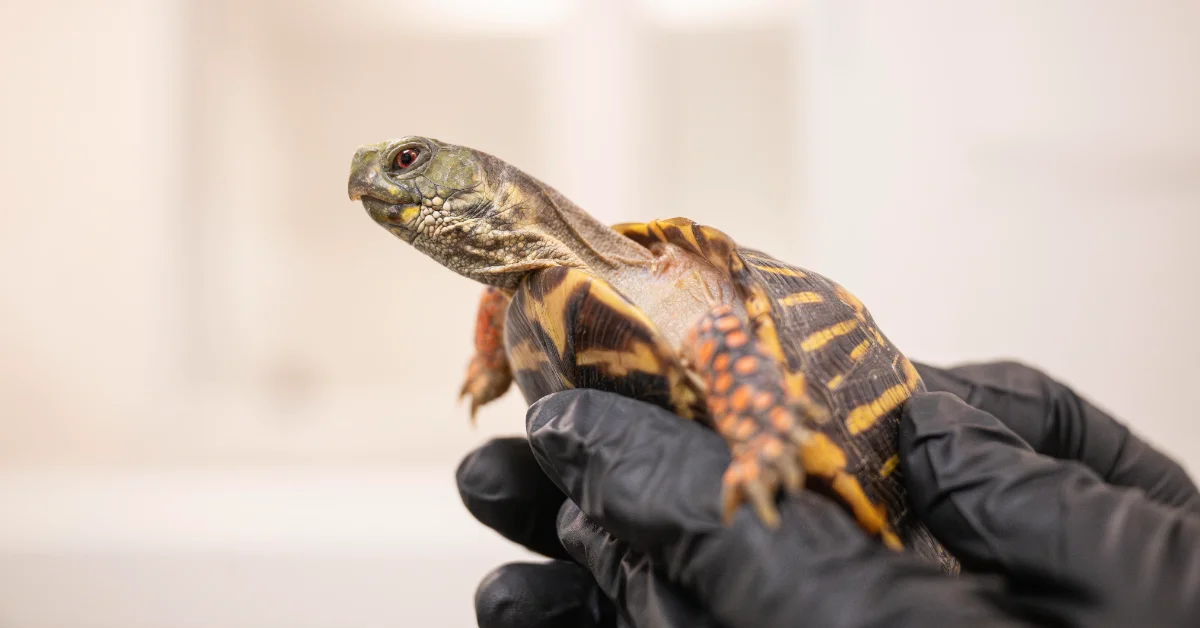
The Wildlife Conservation Society’s Bronx Zoo has just announced a major milestone: Since 2024, the zoo has officially helped rescue and rehabilitate more than 800 North American box turtles saved from the illegal wildlife trade.
In partnership with the United States Fish and Wildlife Service, the zoo has been a vital lifeline for the endangered turtles since October 2024, in what officials are calling “an unprecedented surge in turtle trafficking.”
Most of the turtles are believed to have been collected from the wild for the international wildlife pet trade, but when the turtles are confiscated from traffickers in New York-area airports, the reptiles are brought to the Bronx Zoo for help.
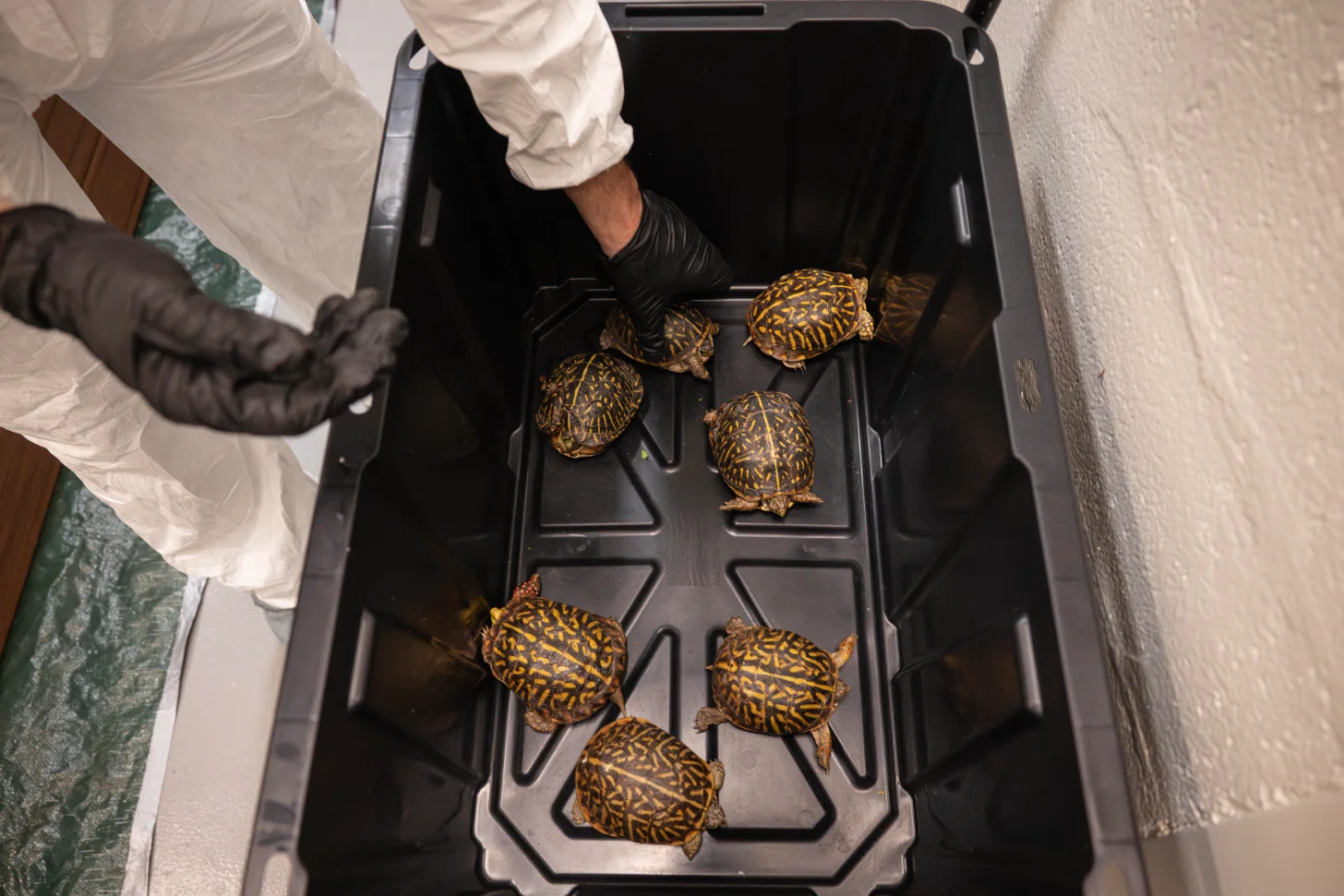
“The Wildlife Conservation Society’s Bronx Zoo plays a critical role in combating the illegal wildlife trade by partnering with law enforcement agencies to provide triage, quarantine, veterinary care, rehabilitation, and placement for confiscated turtles and tortoises,” Kevin Torregrosa, WCS Bronx Zoo curator of herpetology, said in a press release.
Many of the turtles arrive at the zoo severely dehydrated, emaciated, injured, or suffering from disease after rough handling and enduring poor transport and holding conditions.
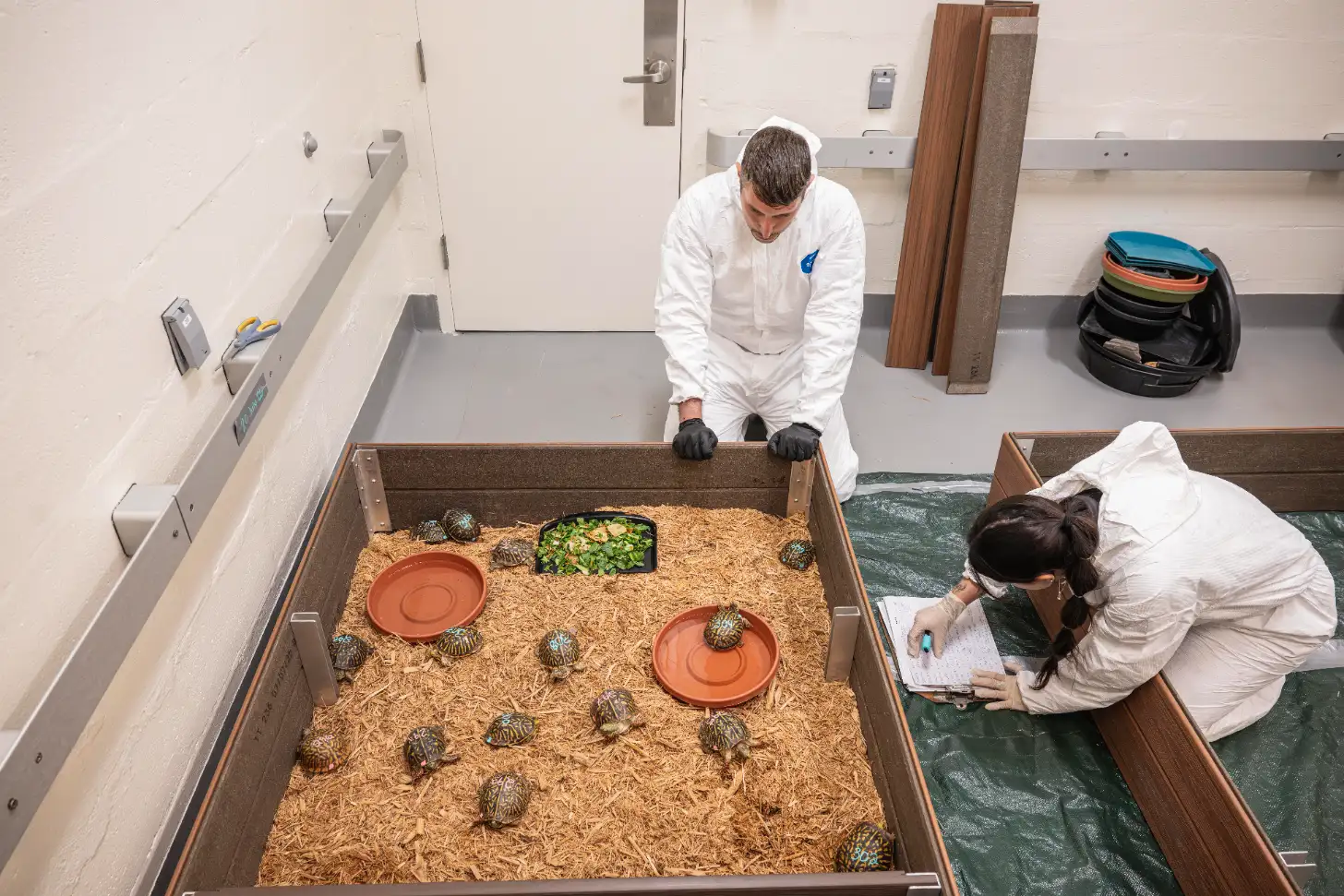
“Our expertise allows us to stabilize and care for these animals while supporting ongoing investigations and helping ensure they ultimately have the best possible future,” Torregrosa said.
In the past two years, the majority of turtles rescued by the zoo are North American box turtles, particularly eastern box turtles, three-toed box turtles, ornate box turtles, and Florida box turtles. A handful of other species intercepted from trafficking include Gulf Coast box turtles, spotted turtles, and diamondback terrapins.
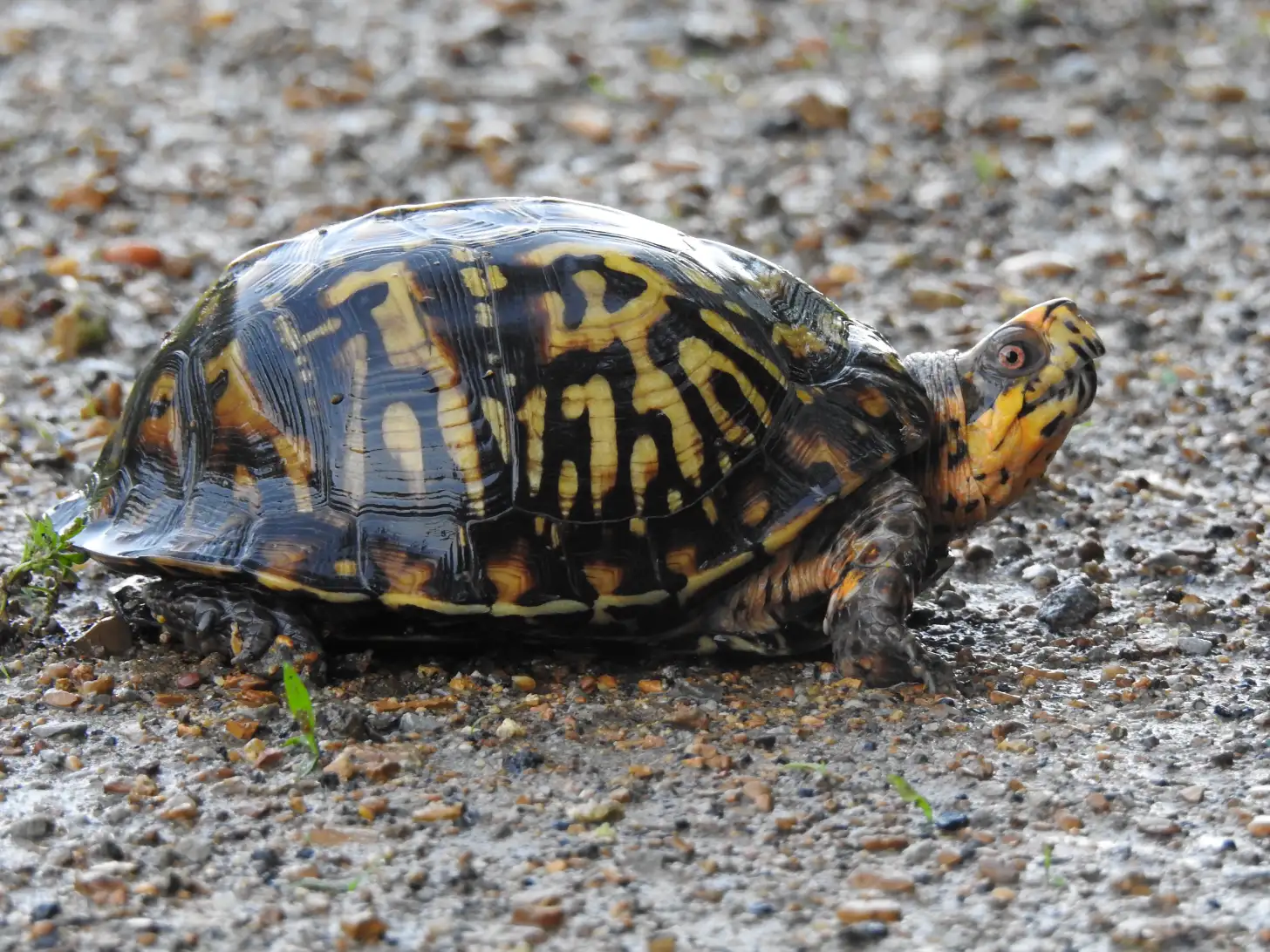
Many of the confiscated turtles are protected under the Convention International Trade in Endangered Species of Wild Fauna and Flora, while others are protected by state laws. For example, it is illegal to collect or possess Eastern box turtles in New York and New Jersey.
Individual box turtles are not the only ones who suffer; but their species as a whole. The species is a “long-lived” animal, which means they mature slowly and have low reproductive rates. Wild populations struggle to replace adults that are trafficked and taken out of their natural environments.
“Removing large numbers of breeding adults from the wild can devastate local populations,” Torregrosa said. “It may take decades — or even generations — for those populations to recover, if they recover at all.”
But, experts at the zoo are there to give these turtles the best possible chance to recover.
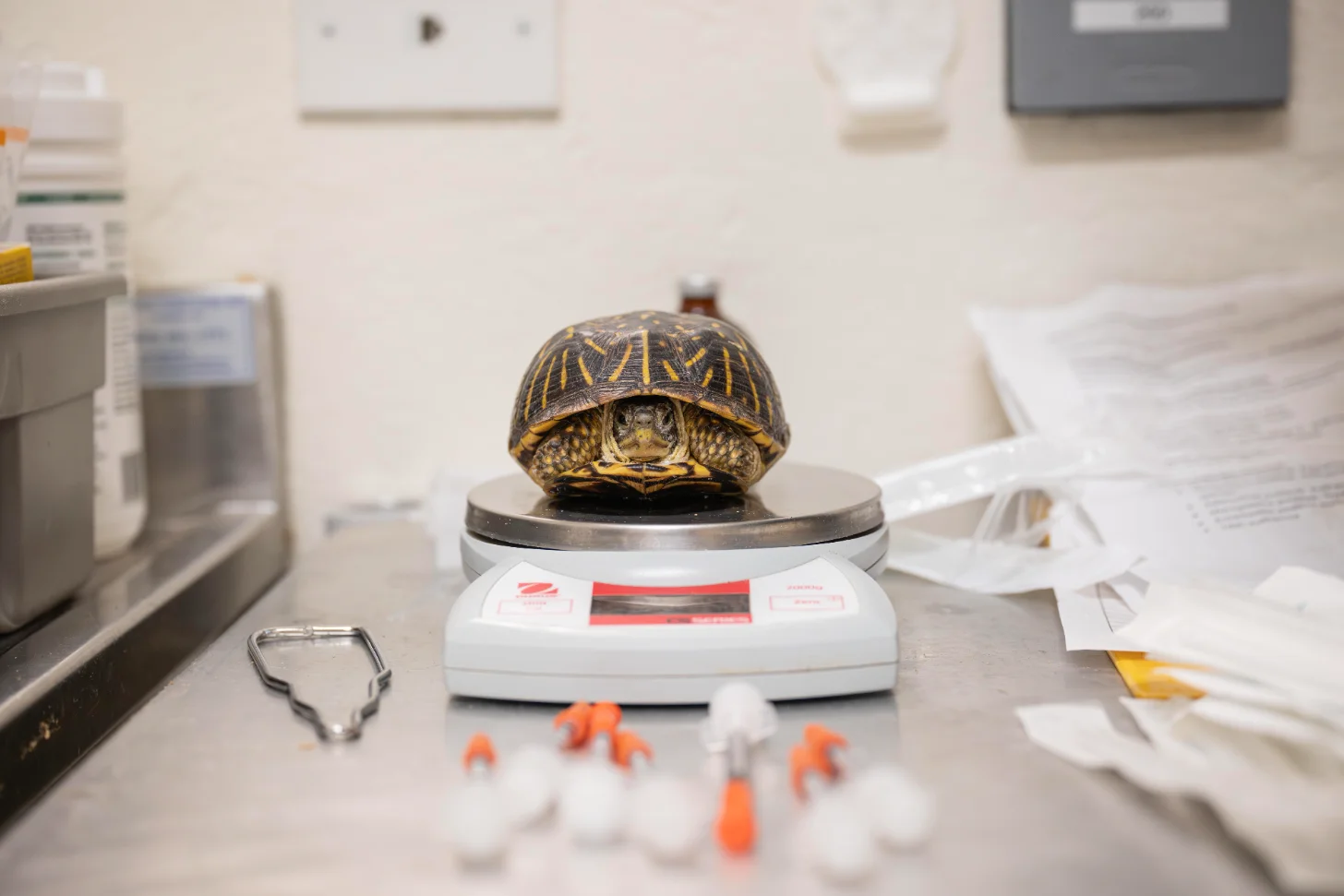
When a new turtle arrives, they undergo a comprehensive intake exam, as veterinarian teams assess their condition, administer fluids and medical treatments, document injuries, test for disease, and record basics like weight, species, and sex. Then, the turtle is appropriately placed into quarantine or rehabilitation.
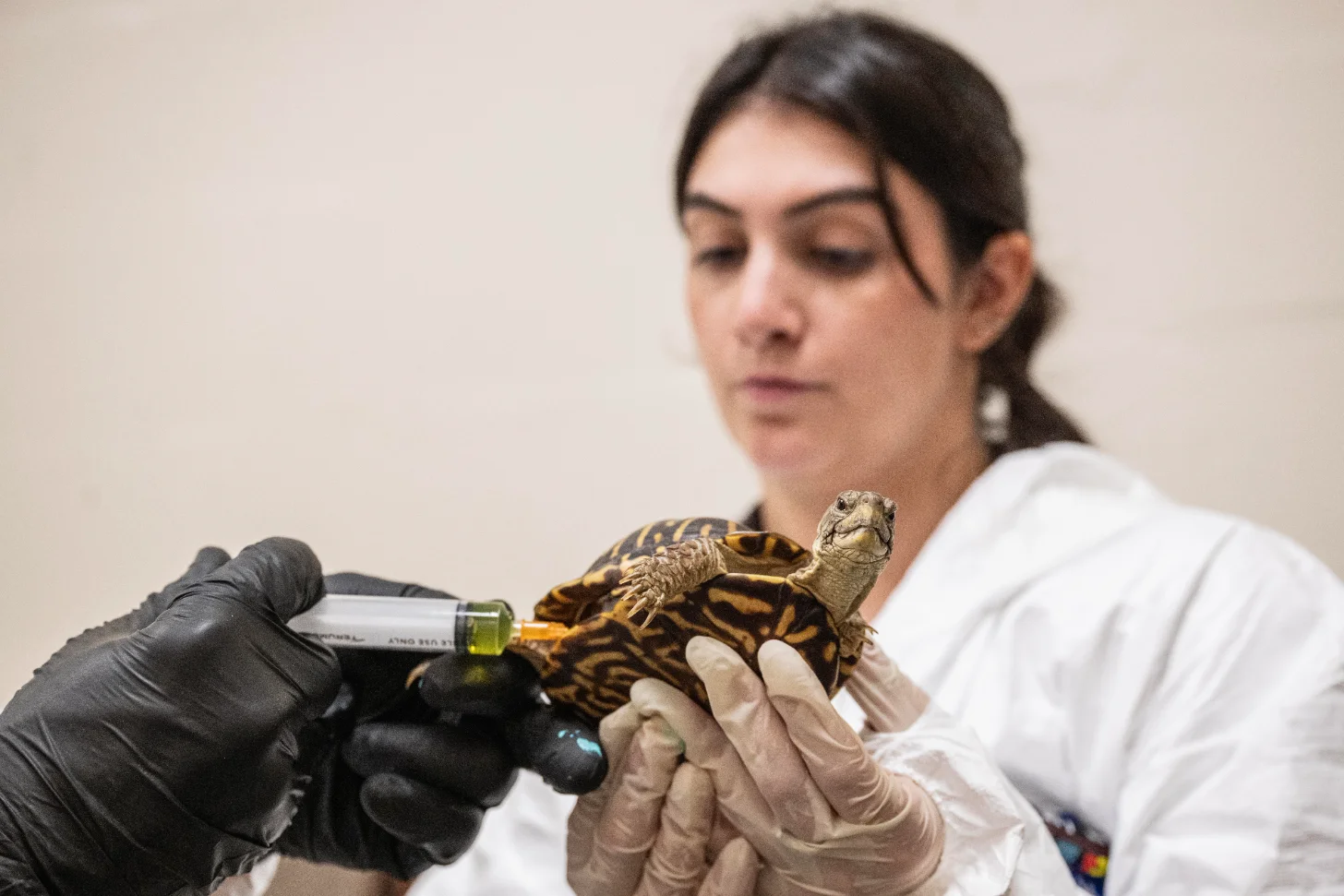
Not all turtles survive, but many do recover with the help of expert care. Once rehabilitated turtles are healthy, they are transferred according to USFWS.
“Depending on the species, health status, circumstances of the case, and legal requirements, animals may be placed with accredited zoological institutions or conservation organizations or, when appropriate and permitted, returned to protected habitat in the wild,” a press release from WCS explained.
“These efforts not only rescue individual animals but also contribute to broader efforts to combat wildlife trafficking, protect threatened and endangered species, and safeguard wild turtle and tortoise populations,” Torregrosa added.
You may also like: This 'turtle-sniffing dog' searches miles of New York woods to save endangered species
Featured Image: Terria Clay/Wildlife Conservation Society