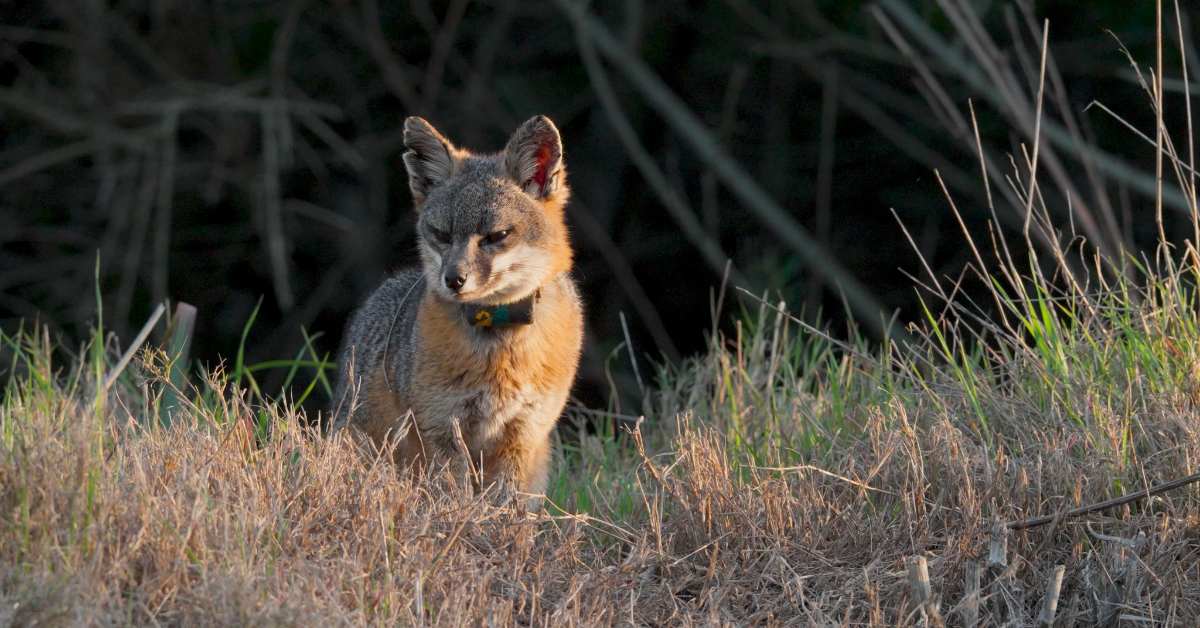
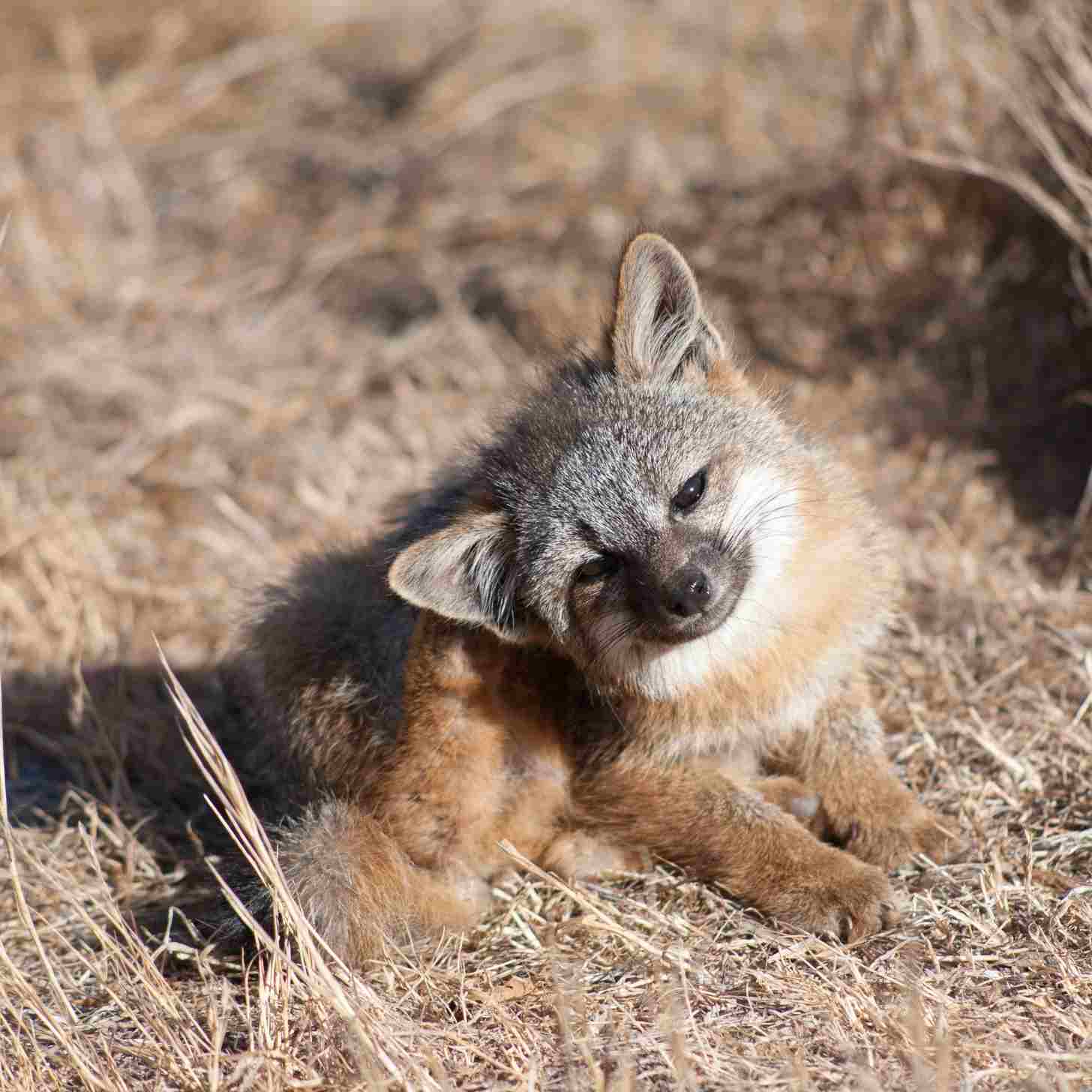
The Santa Catalina Island fox is found nowhere on earth other than Los Angeles’ Catalina Island.
But in 1999, the species was almost wiped out entirely from the face of the earth.
During that year, a canine distemper virus swept through Catalina and reduced the fox population by more than 90% in about a single year.
“The … population crashed from around 1,300 animals to just 100,” a Facebook post from Catalina Island Conservancy recently stated. “It could have been the end. But it wasn't.”
The virus was likely introduced by a raccoon that arrived by boat, an indicator of how easy it is for mainland diseases to reach the island and drastically impact its endemic species.
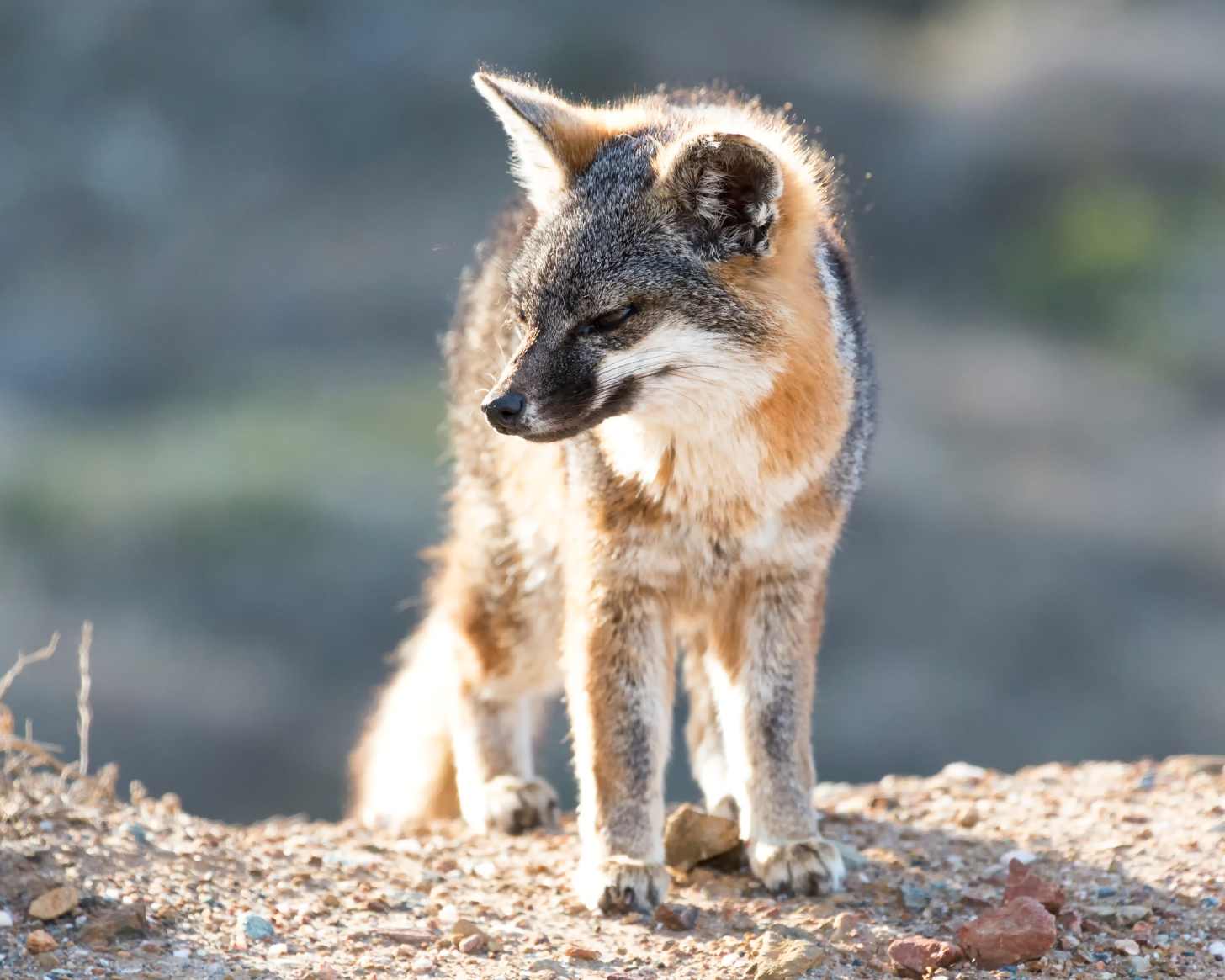
But this tiny fox — typically weighing just 4 to 6 pounds — was too important not to save. As the island’s largest native land predator, the Catalina Island fox controls prey and disperses native seeds, keeping the ecosystem healthy.
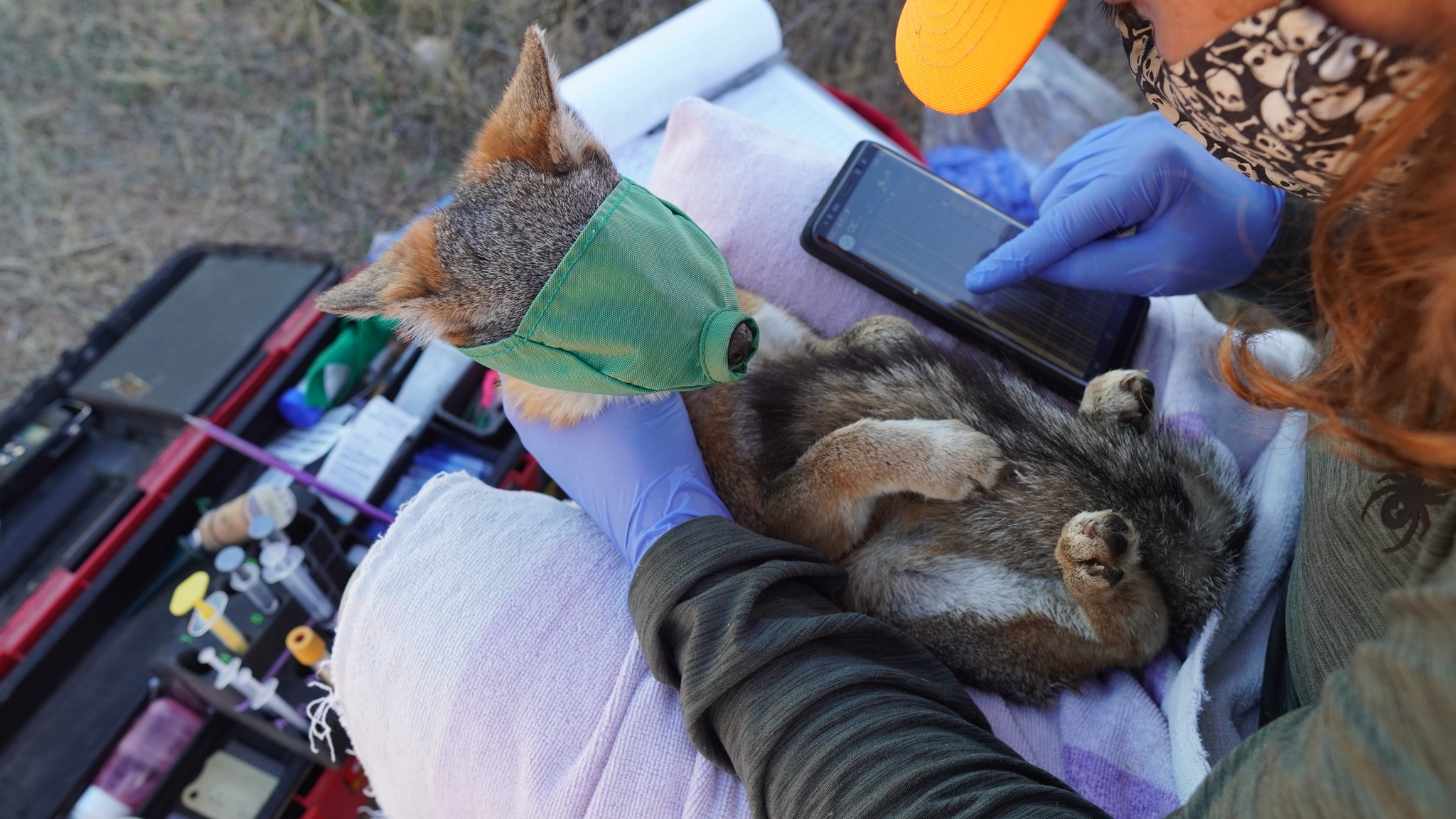
So, conservationists at the Conservancy and the Institute for Wildlife Studies got to work in the early aughts, using tools like captive breeding, vaccinating, and monitoring the wildlife population to steady the species’ decline.
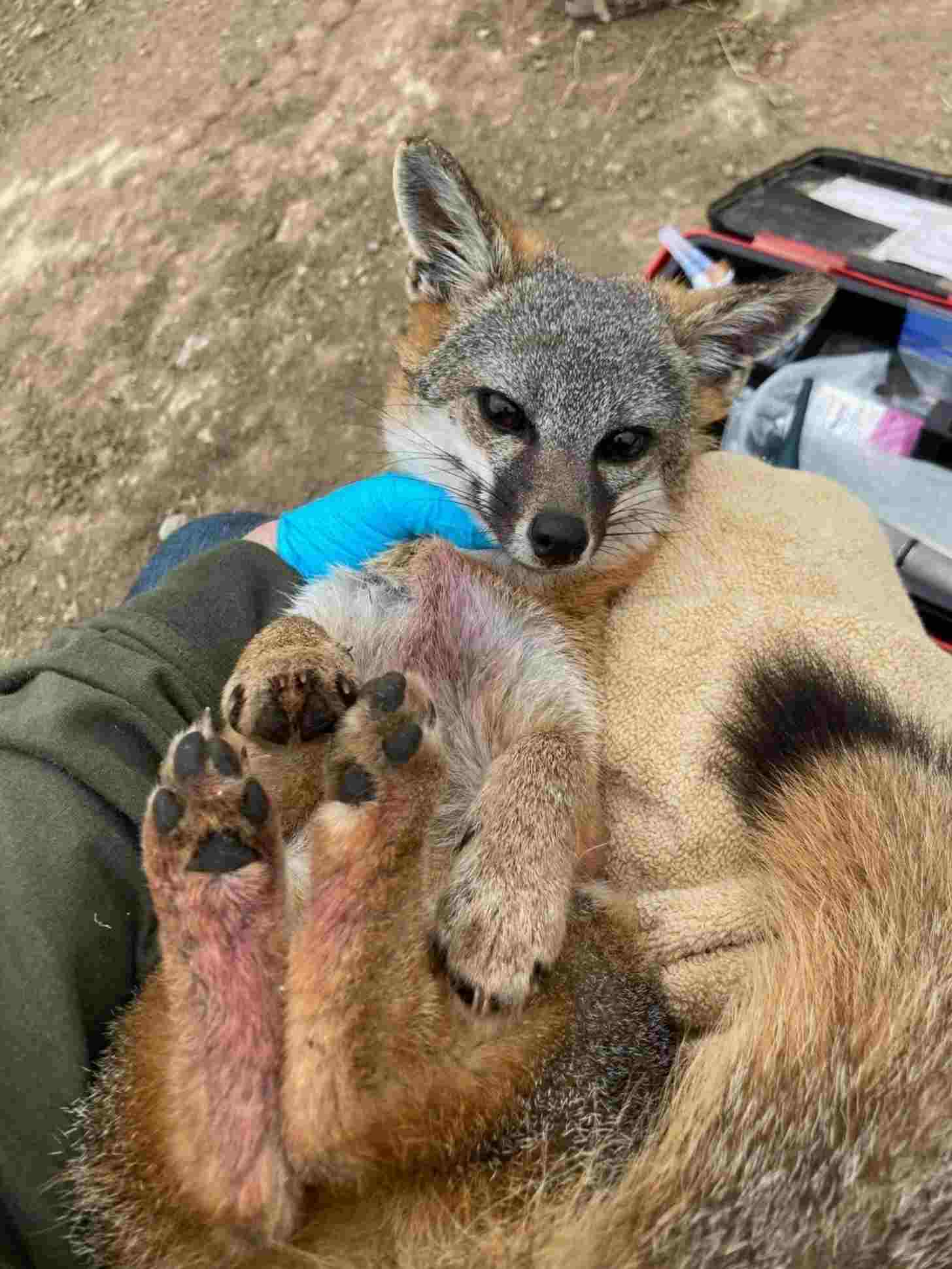
By 2004, the fox population had tripled.
By 2016, the species was downlisted from endangered to threatened, hailed as the fastest mammal recovery in the history of the Endangered Species Act.
While the dramatic recovery of the Catalina Island fox is certainly inspiring, the species is still considered threatened due to risks of disease, ear mites, and vehicle strikes, according to the Conservancy.
But every year, experts continue their work, monitoring hundreds of native foxes on the island, performing health checks, and ensuring they are vaccinated against canine distemper and rabies. Volunteer pilots also team up with telemetry teams to track the animals from the air and on the ground, getting a clear picture of the species’ overall growth.
“Our community stays vigilant, too. It was Avalon residents who first alerted staff to sick foxes in 1999,” Catalina Island Conservancy shared on Facebook.
It is that love for the species that has made it the ideal ambassador for the island as a whole. An illustrated version of the Catalina Island fox is even the mascot for the area’s wildfire safety public information campaign.
“In conservation, we often have a charismatic species to represent the entire ecosystem that we have here, and the island fox is a great one for that,” Dr. Lauren Dennhardt, the senior director of conservation at the Conservancy, said in a video.
Dennhardt added that the fox species is one of 60 plant and animal species that are entirely unique to Catalina Island.
“Having something tangible that people can understand and relate to and want to save really helps us with our other conservation efforts,” she concluded.
The fox also serves as a reminder of what can be accomplished in conservation, she said, when financial support is prioritized.
“[The fox’s recovery] is a great marker for the conservancy on what it can accomplish when we have a dedicated team focused on conservation efforts to really change the course of the island,” Dennhardt said. “Conservation is hard. It’s a long path, and it takes a lot of dedication.”
But, based on this little fox alone, it’s proof that the work is worth doing.
“The Island fox is still here,” the Conservancy concluded on Facebook. “That's not luck. That's what conservation looks like.”
You may also like: This real-life 'good news' story inspired Pixar animators to make 'Hoppers'
Header image courtesy of Catalina Island Conservancy