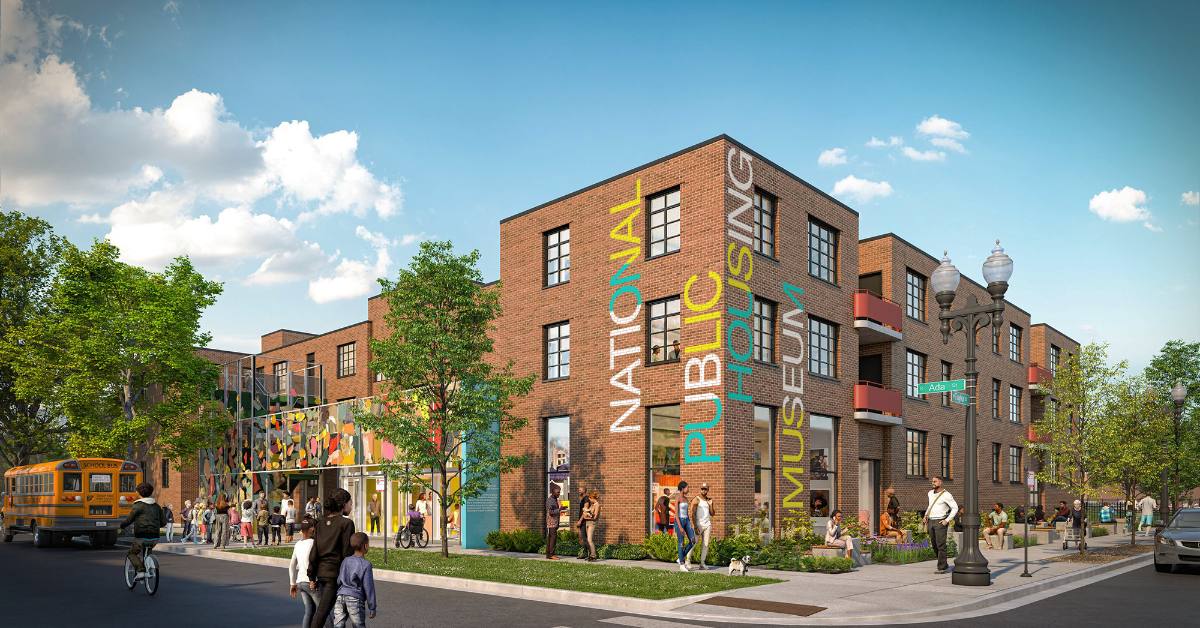
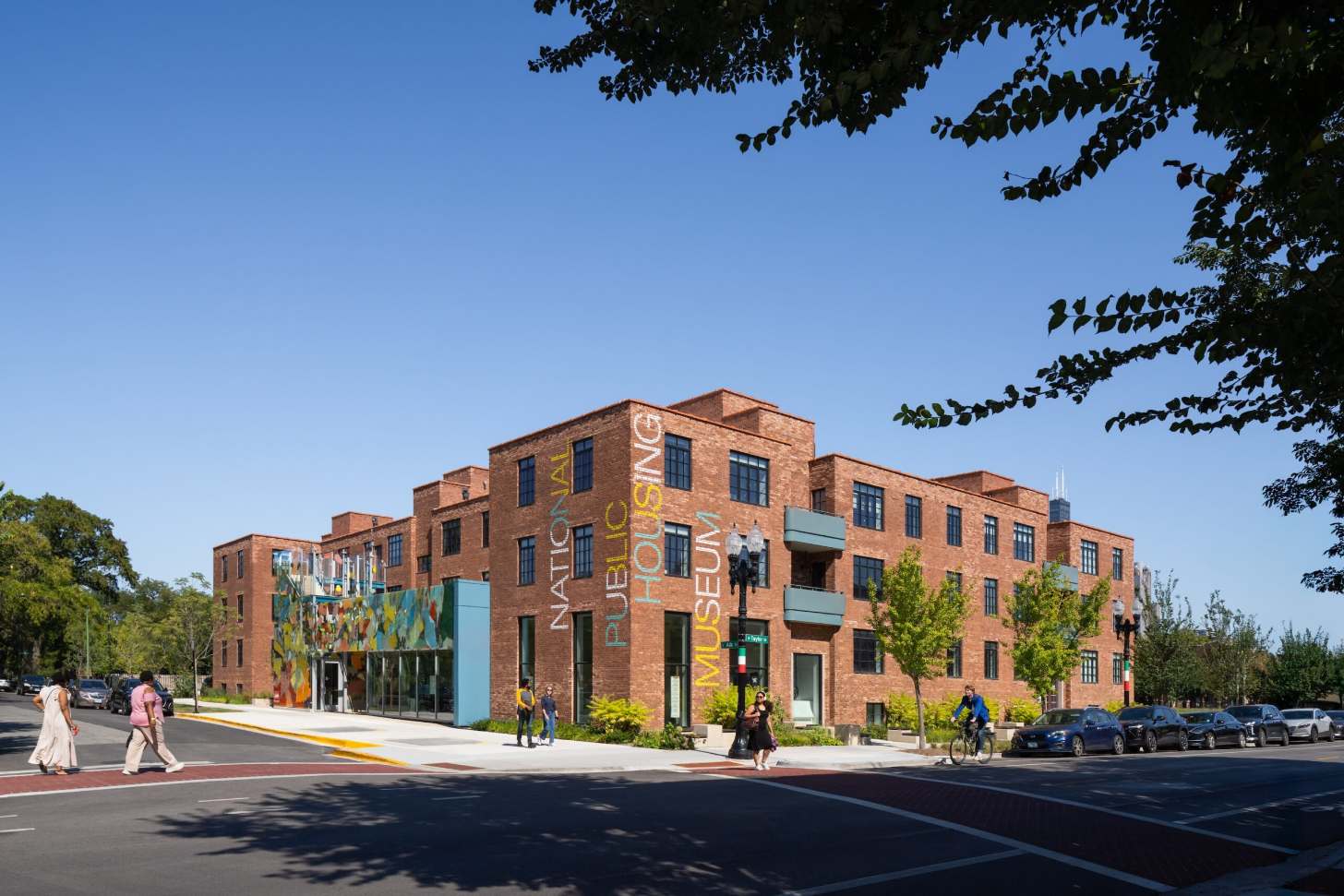
A three-story red brick building in Chicago’s South Side, formerly a component of the publicly-funded Jane Addams Homes built in 1938, is now the National Public Housing Museum, a first-in-the-nation museum dedicated to sharing the storied history of public housing in the United States.
Many public housing projects in the area were left vacant and in disrepair following an onslaught of crime, poverty, and segregation in the 1960s and 70s, though activists hoped to preserve these buildings and the stories they held.
In 1999, the Chicago Housing Authority introduced the Plan for Transformation, which ultimately led to bulldozing 11 public housing developments, forcibly relocating tens of thousands of families without any guarantee of affordable housing replacement.
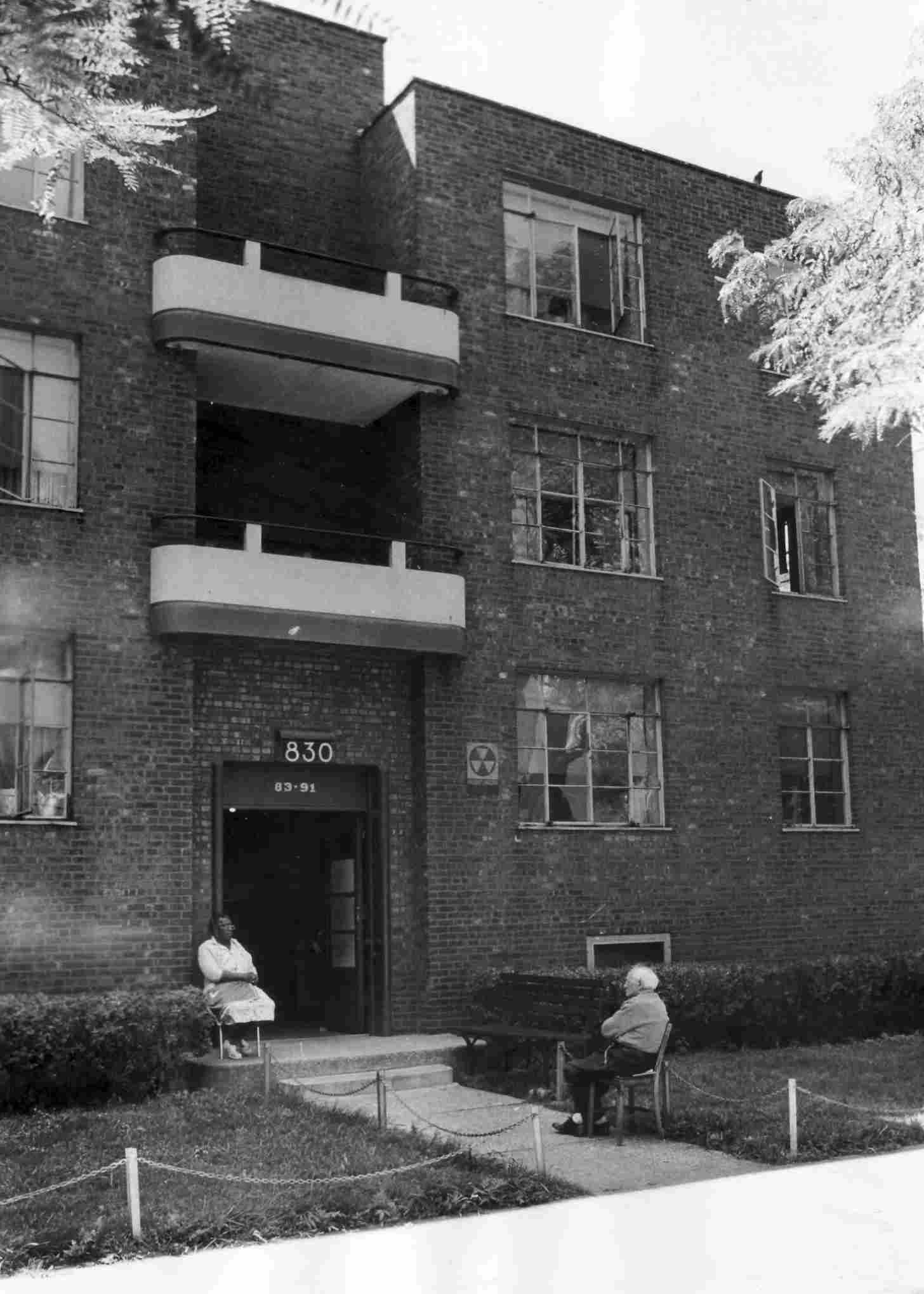
“This demolition was the largest net loss of affordable housing in the history of the United States,” the museum’s website states.
In the wake of this plan, Deverra Beverly, a local commissioner of housing, organized with residents of the Jane Addams Homes to create a public housing museum.
“Residents profoundly understood the power of place and memory in the struggle for self-determination,” the museum’s website writes. “The museum would preserve and share the stories of public housing residents and serve as a site for resistance against erasure and forgetting.”
It wasn’t until 2025 that this vision was realized — 12 years after Beverly’s death.

Now, her legacy, and the stories of Chicago’s public housing, have a place to live on.
The museum, designed by architect Peter Landon, includes large murals, posters from the 1930s advocating for public housing, wallpaper and ephemera salvaged from the original building, apartments furnished like the ones that once stood there, and even a “Rec Room,” where visitors can listen to records of oral history shared by people who lived in public housing.
Museum curators hope that the new museum will be a place for those working in housing today to better understand the past and more intentionally create the future.
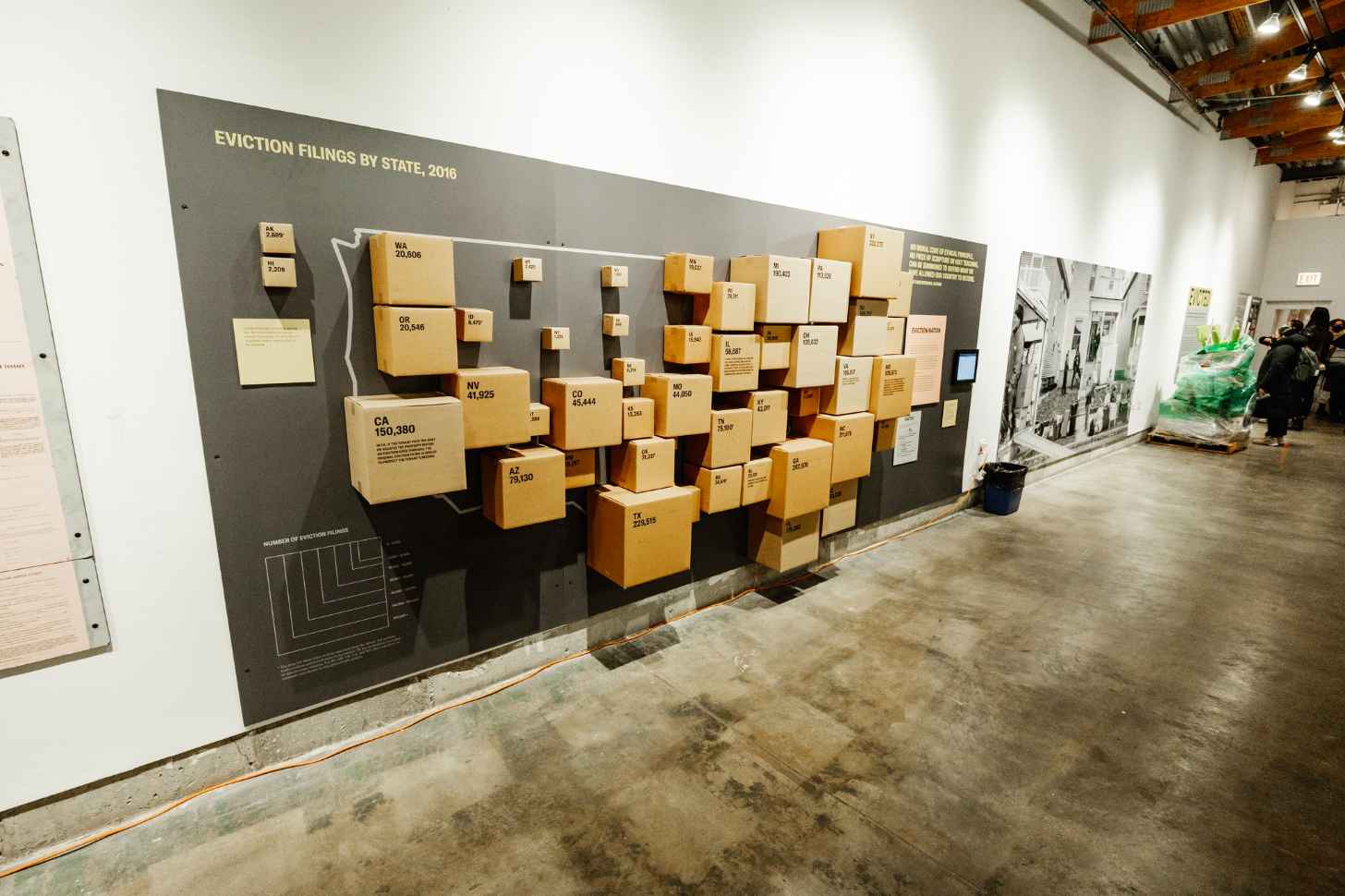
“We need to house millions of people,” Sunny Fischer, the museum’s board chair, told NPR. “So what can we learn from all the good things that happened in public housing and all the bad things that happened?”
“We believe that in order to preserve history, you have to make it relevant to the most critical social justice issues of today,” the museum’s executive director, Lisa Yun Lee, added.
“There is no way that we can actually address any of the social issues that we want to unless we go back in time and ask, ‘What have we not yet learned from history?’”
A version of this article was originally published in The 2026 Home Edition of the Goodnewspaper.
You may also like: Church to demolish existing worship space, creating 110 units of affordable housing
Header image courtesy of National Public Housing Museum