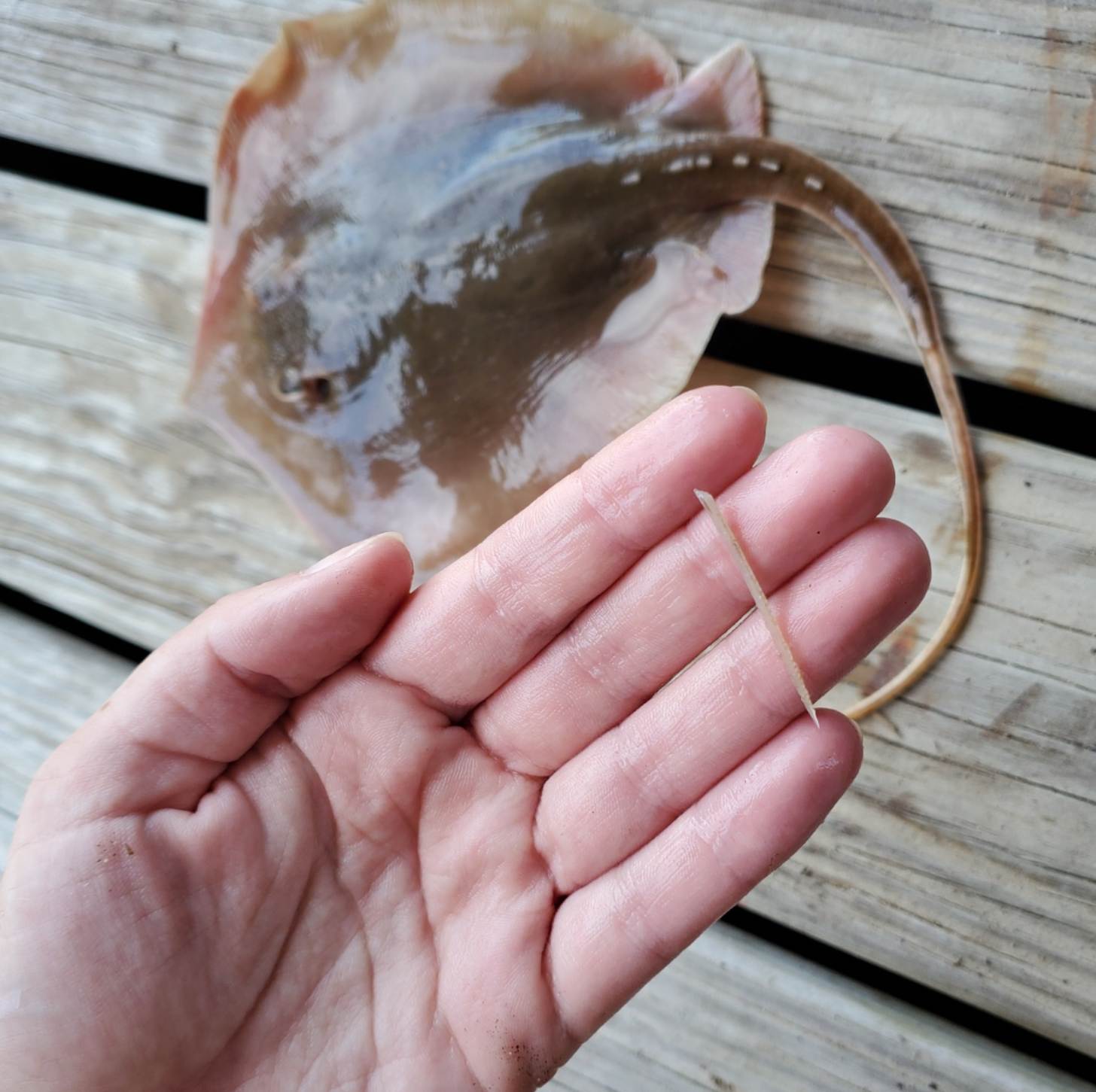
On September 9, 2025, an endangered loggerhead sea turtle washed ashore on the Virginia Beach Oceanfront with a stingray barb lodged in his tongue.
When the Virginia Aquarium's Stranding Response Team first responded to the call, they weren’t sure if he was going to make it.
“He had a low heart rate and no observable respirations, but was responsive to stimulus,” Claire, an assistant stranding technician at the Virginia Aquarium’s Darden Marine Animal Conservation Center, shared in a Facebook video.
“After two rounds of ER medications, Diamond [the loggerhead] made attempts to breathe, but was unable to have air pump in and out, so they rushed to intubate and discovered that his trachea was full of sand, water, and mucus.”
During intubation, the care team suctioned out over 1.5 liters of “that sand, water, and mucus mixture.”

After the stingray barb was removed and his trachea cleared, the marine biologists at the Darden Marine Animal Conservation Center hoped that Diamond would have an easier road towards recovery.
But even though he could breathe again, Diamond was still struggling to swim and eat.
“For about two months, he was inappetent, so we would offer food and he didn't eat,” Claire explained. “So we provided supportive care during that time, other than antibiotics and fluids.”
In addition to steady medical treatment, the team performed physical therapy on his jaw.
By the end of November, when he still wasn’t eating, the vet team and rehab team tried a “scatter only” method. Instead of trying to feed Diamond by hand, caretakers tossed the food — such as fish and squid — throughout his water tank.
And it worked.
“We provide for our animals here,” Claire emphasized. “Without our intervention, Diamond would have washed up and, unfortunately, suffocated and perished.”
“It's really wild, because he started out as thin, inappetent, unable to breathe, unable to control buoyancy, to a diagnostically healthy turtle performing normal behaviors and being able to be on his own.”
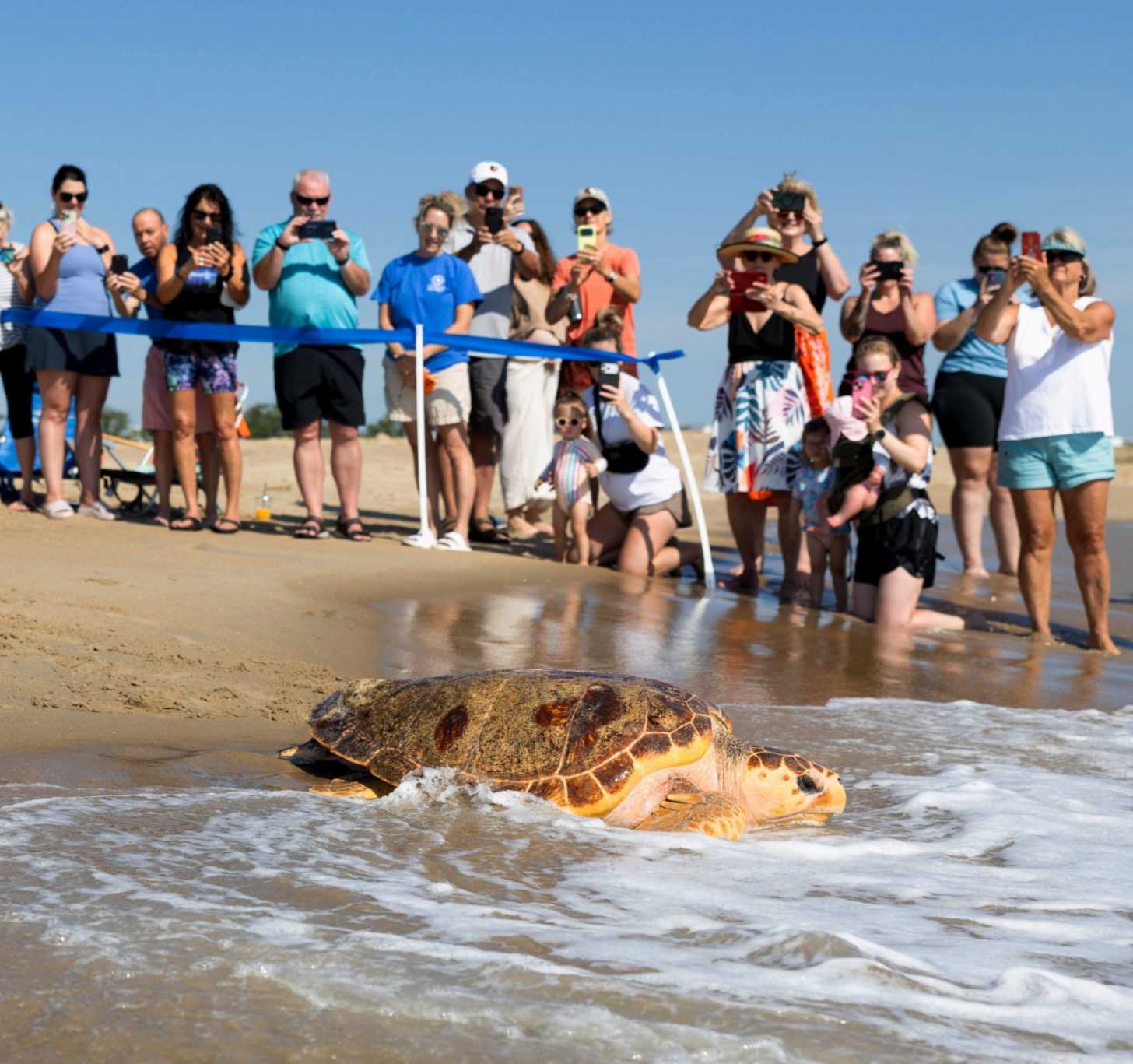
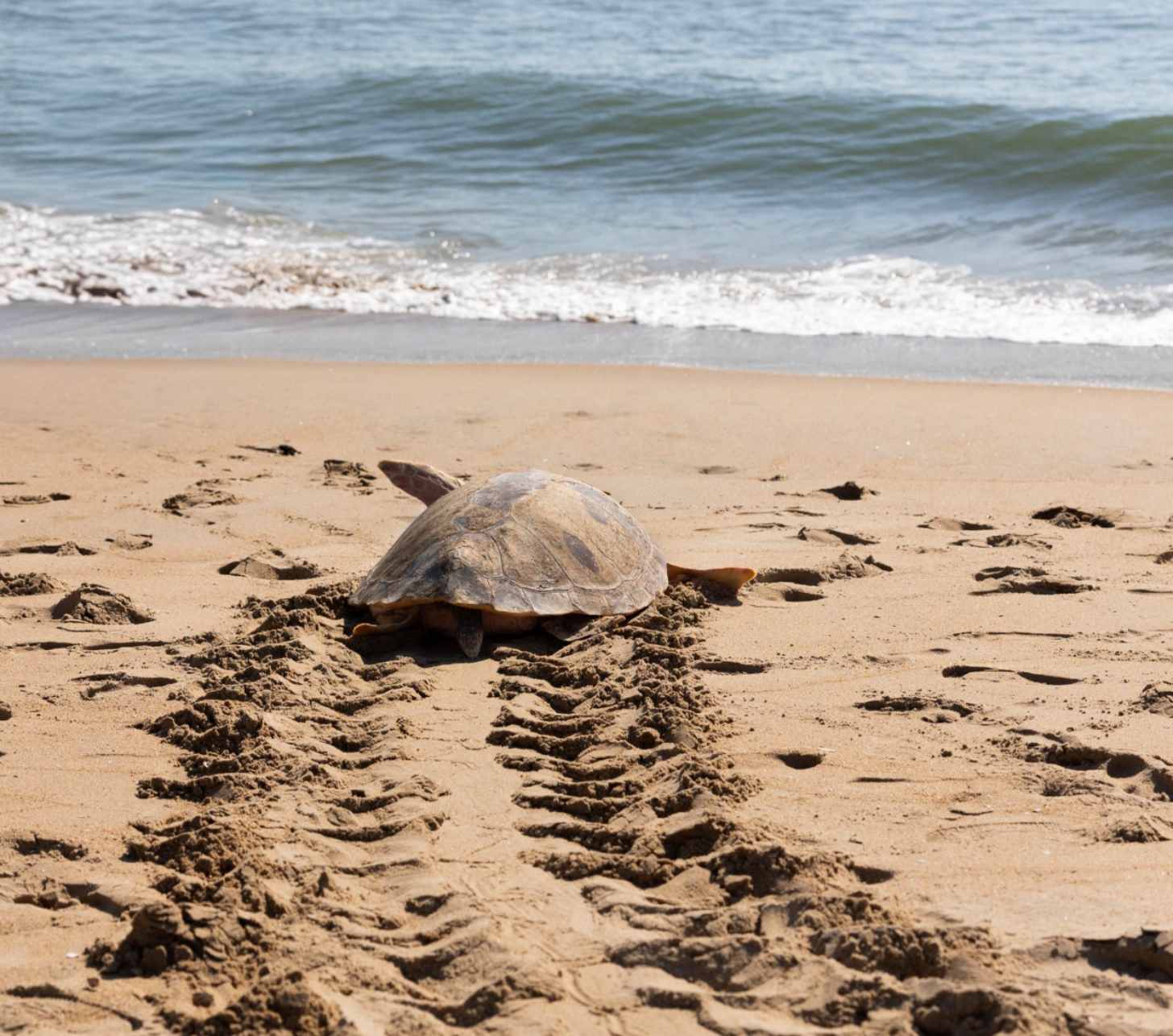
On May 24, after eight months of rehabilitation, the Stranding Response Team gathered to cheer him on as he made his way back to the ocean.
Claire explained that cases like Diamond’s wouldn’t be possible without an “all hands on deck” approach.
“We're very grateful for our callers, our volunteers, our staff, and any and all support,” she said. “We could not do it without our local population of people who care about these animals as much as we do.”
You may also like: This sea turtle hatchling was barely a pound when he was rescued. 6 years later, the 220-pound loggerhead is ready to swim free
Header image via the Virginia Aquarium & Marine Science Center