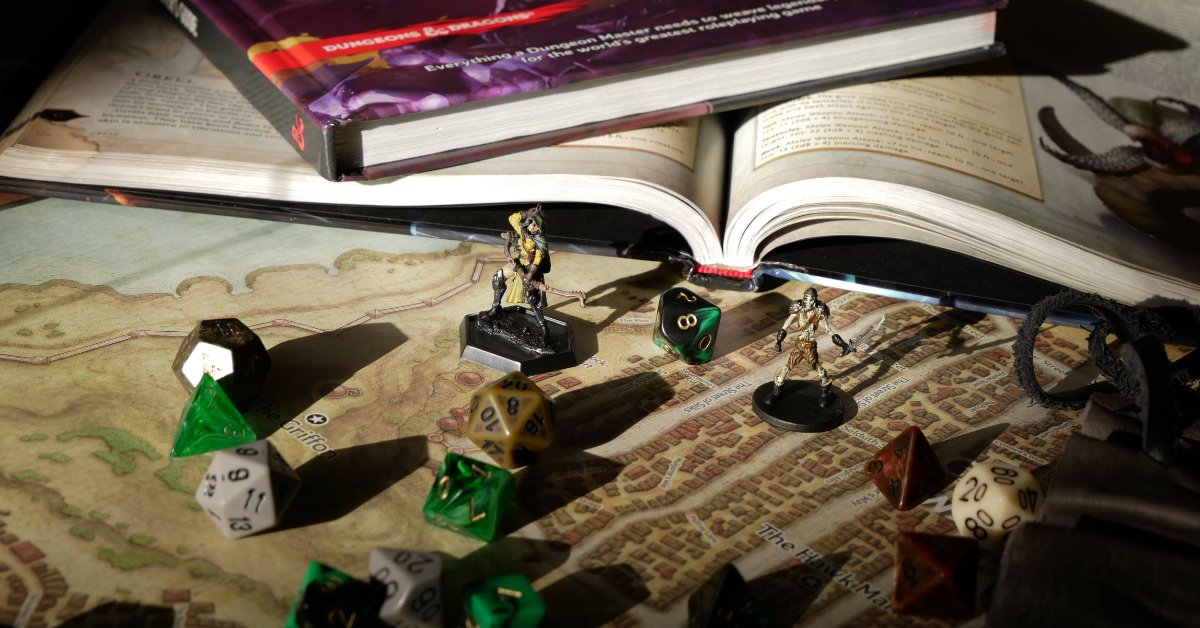
Dungeons & Dragons, a table-top roleplaying game beloved by many since 1974 — and made especially popular by shows like “Stranger Things” and “Critical Role” in recent years — may be more than just a hobby.
A growing group of therapists and mental health providers is turning to the game as a tool to facilitate group therapy sessions, combining fantastical storylines and role-playing with topics like grief, procrastination, surviving trauma, and more.
One such practitioner is Victoria Smith, a licensed clinical social worker at DePaul University, who leads a group of six students in D&D therapy sessions.
“I wanted to create more unique ways for students to access group therapy,” Smith told the university.
“D&D therapy can feel more approachable than traditional therapy groups, providing a space where students can work on personal issues, develop skills and — most importantly — have fun.”
Smith and her colleague Nathaly Shammo, a social work intern, call their group sessions “Game to Grow.” Students develop their own characters, with goals and motivations, and then the facilitators lead the group through storytelling.
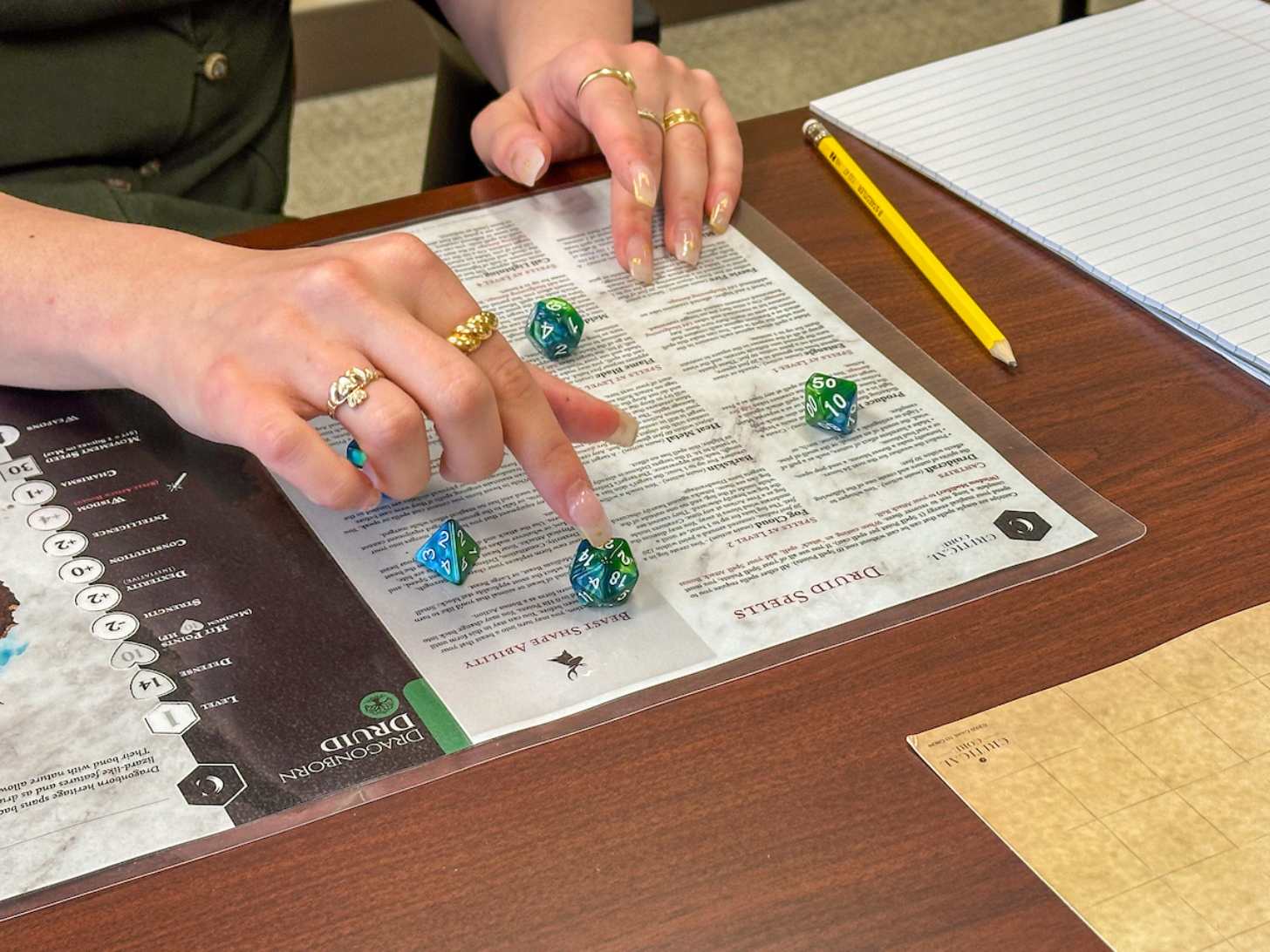
In addition to the fire-breathing dragons and sword fights often characteristic of D&D, the students role-play through real-life scenarios that might be impacting the students’ real-world mental health.
“Through storytelling and play, students are empowered to uplift each other and seek personal growth in a unique, memorable way,” Shammo said. “It encourages confidence building, problem solving, socialization and handling unexpected situations head-on.”
Recent studies have also found that D&D promotes identity-building and connection, especially for adults who don’t otherwise have an outlet for this kind of social exploration. In other words: The game is good for mental health.
“The idea of being able to use leisure to structure your time and gain some wins lets you see a positive return on what you’re dedicating your time to, and building on that and seeing your skill sets grow,” Florida International University’s Emily Messina said.
“That’s going to turn into self-determination. You’re going to be more motivated to build on your own skill sets and have a sense of autonomy.”
A version of this article was originally published in The 2026 Storytelling Edition of the Goodnewspaper.
You may also like: New study: Doing leisure activities — with high intensity — is good for well-being
Header image by Stephen Hardy via Pexels