While many of us might imagine death as our final mark on the earth, the environmental impacts of conventional burial methods leave behind a legacy most of us wouldn’t be too proud of.
For instance, non-renewable resources like lumber, plastic, steel, and other metals are used for caskets or vaults. Plus, embalming fluids contain toxic chemicals like formaldehyde that pollute soil and water as they seep from burial sites.
Traditional cemeteries also require a lot of land use without much opportunity for natural degradation.
Additionally, cremation has a precarious environmental impact, releasing anywhere from 400 to 535 pounds of carbon dioxide per body, along with other air pollutants like mercury, nitrogen oxides, and particulates.
So, when it comes to end-of-life options, people are considering what it looks like to leave the earth with more care and intentionality. And it’s taking off.
The green burial industry is expected to surpass $1 billion by the end of 2030, and a consumer survey by the National Funeral Directors Association found that more than 60% of people would be interested in exploring green alternatives to traditional burials.
The following three concepts are among many “green burials” that people are using to make their peace with the planet we call home.
Making new life through artificial reefs
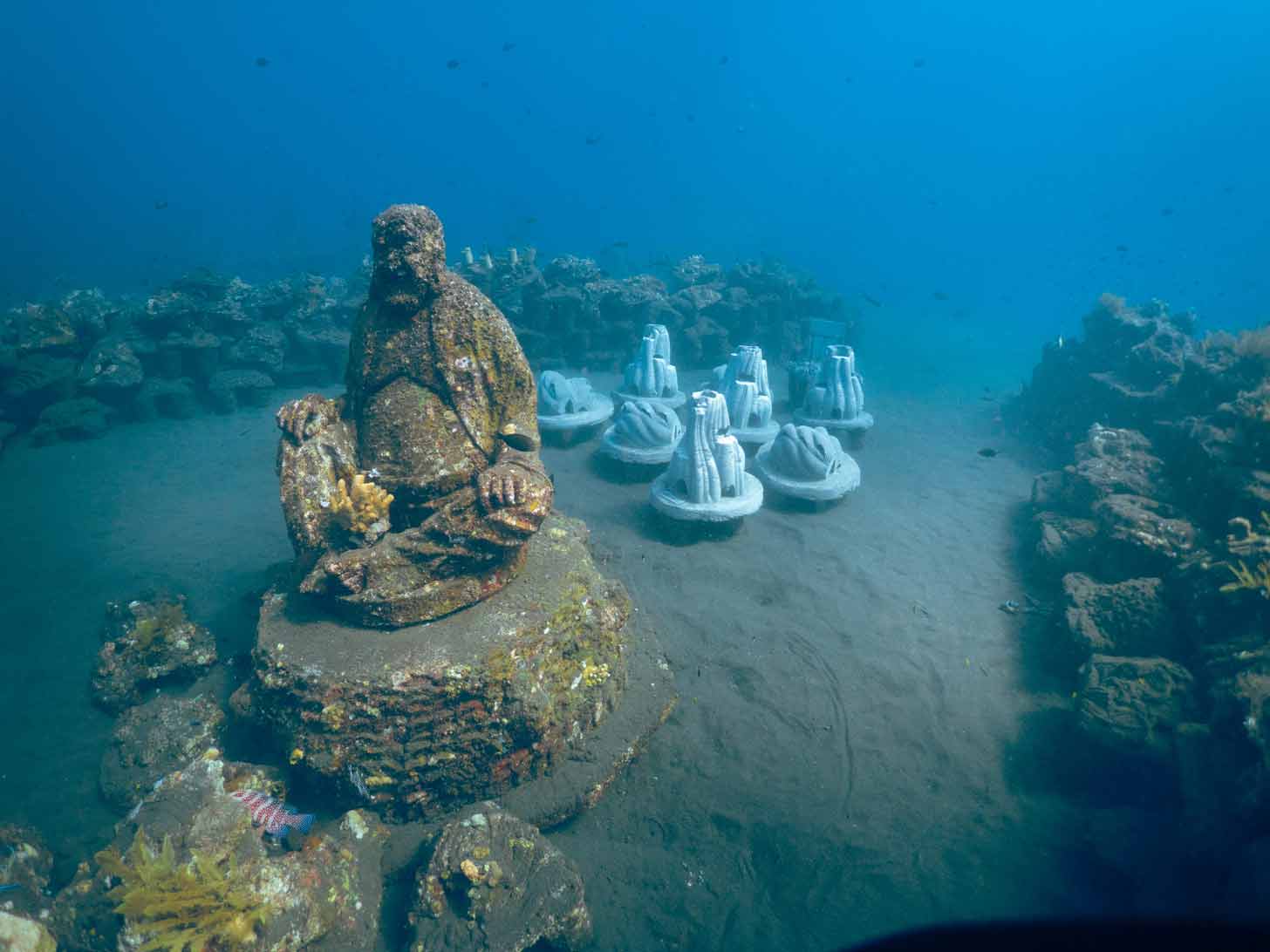
United Kingdom-based startup Resting Reef turns the ashes of a loved one into an artificial reef that improves marine biodiversity and restores coral reefs.
Using any cremated remains, the startup combines remains with crushed oyster shells and concrete, and then molds it into reef structures, which are placed underwater for fish species to thrive.
They can now do this with both human and pet remains. They are also now offering a new service called the 'Plan Ahead Club,' which allows people to choose in advance to become a Memorial Reef as their end-of-life wish while they are still alive.
Those who express interest in planning ahead in this way can then formally sign a letter of wishes to become a reef, and can also visit existing Resting Reef sites at a discounted rate. They can also help make decisions about where future reefs will be developed.
Resting Reef has placed 24 memorial reefs in a site in Bali, Indonesia thus far. After tracking its progress, it found that the reefs attracted 84 fish species and achieved fish diversity “14 times greater than nearby degraded areas.”
“Cemeteries should be places that reconnect us with nature and remind us that we’re part of a larger ecosystem,” Resting Reef co-founder Aura Murillo Pérez told The Guardian.
“It’s time for the death industry to change: we want to shift the industry from focusing on death to life and regenerate growth.”
Renewing rest in a mushroom casket
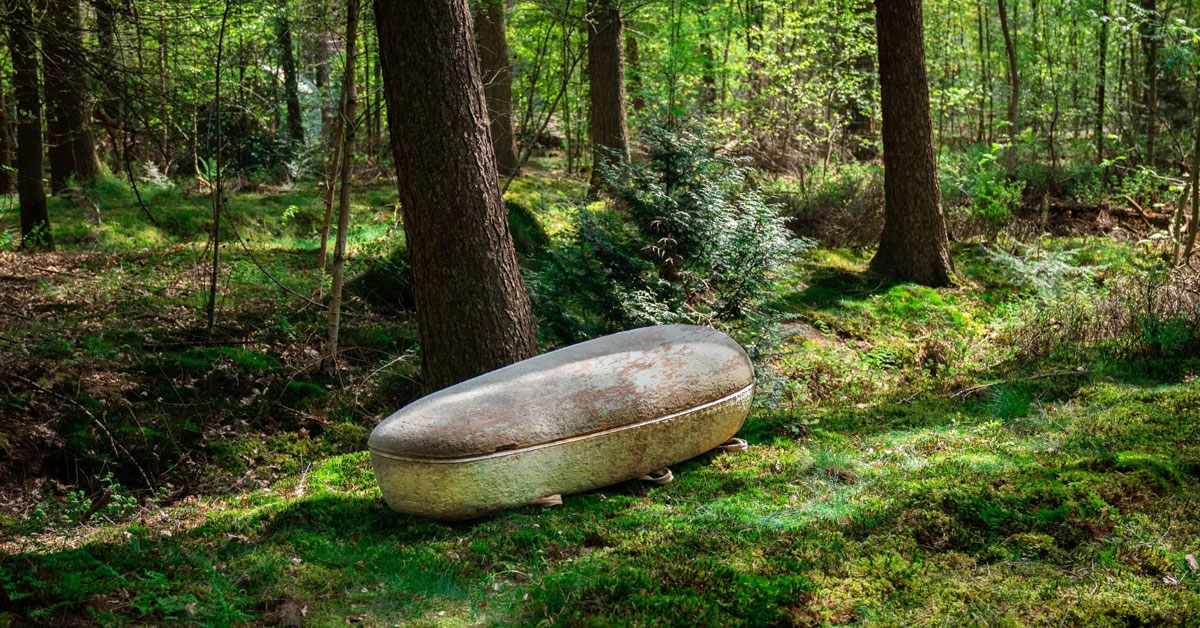
Based in the Netherlands, startup Loop Biotech is transforming fungi into a final resting place. Its mushroom caskets are made from mycelium, or living fungal fibers, that grow in the shape of a pod in just seven days.
Then, a person is placed on a bed of green moss inside the pod and buried. While it’s unclear how long it takes for the body to decompose in this vessel, the mushroom coffin itself decomposes in just 45 days. The pod and human remains also enrich the surrounding soil as they decompose.
Since 2021, Loop Biotech has facilitated more than 2,500 burials using mushroom caskets all over Europe, and recently had its first service in North America.
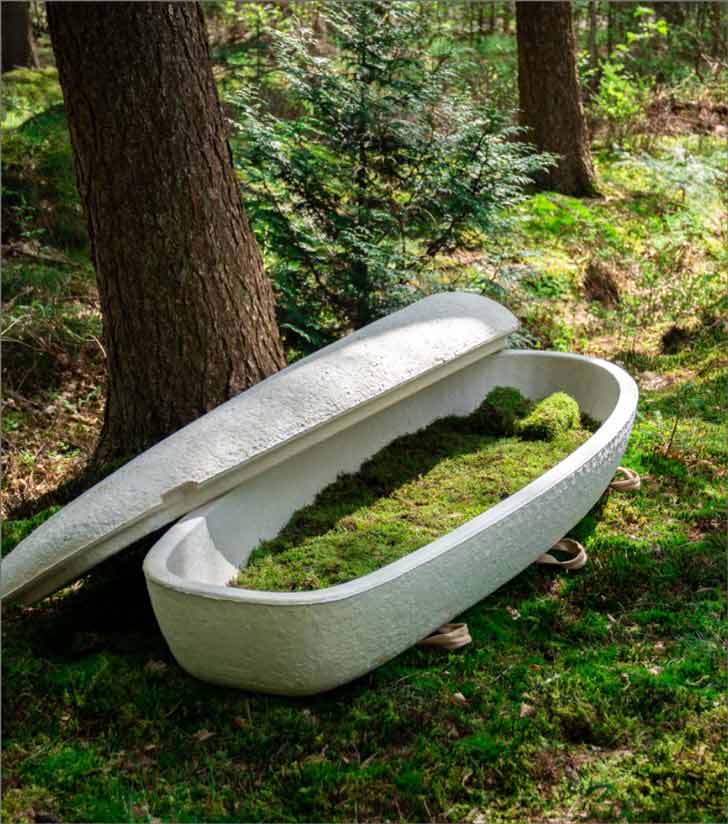
“I wanted to create a product that would enrich our planet instead of polluting it,” CEO and founder of Loop Biotech, Bob Hendrikx, told Maine Public Radio.
“I don’t understand how we can put all these chemicals in the soil, the same soil we hopefully someday have our grandchildren feed themselves from.”
Returning to earth through human composting
In 2017, Katrina Spade founded Recompose, which calls itself the world’s first human composting company.
Human composting is a process in which human remains are turned into soil through a process that uses organic material like wood chips, alfalfa, and straw to break down the body over several weeks. Nitrogen, oxygen, and carbon decompose the remains like food composting might, and the process can be sped up with moisture, heat, and vessel rotation.
From there, contents are left to cure for several weeks until all that’s left is nutrient-rich soil. There is no need for toxic embalming chemicals, so the soil can be used like any other soil.
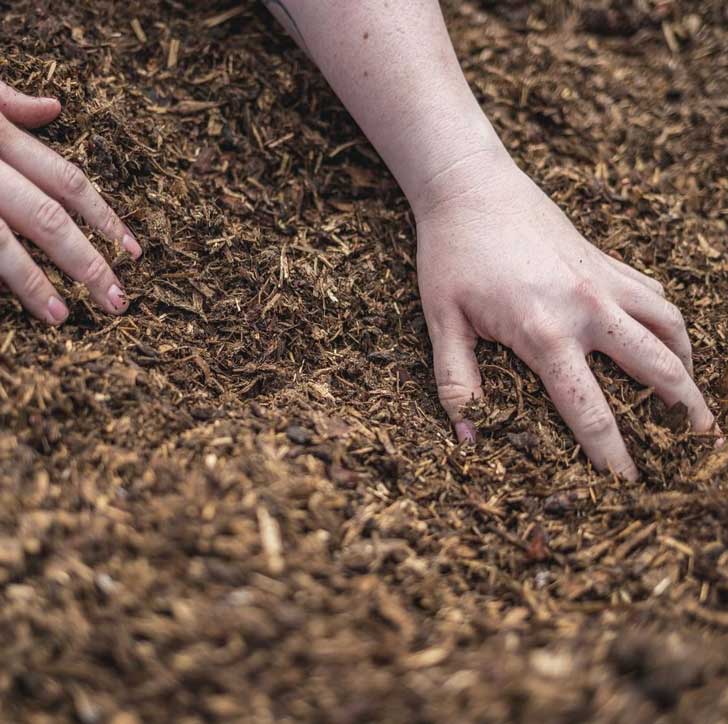
Some families may choose to use it to plant flowers or trees in honor of their lost loved one. About 14 states across the country have legalized human composting, with regulations and resources allocated to local mortuaries.
Spade said she is “thrilled to see so many states legalizing the process, and so many people embracing the process.”
“There’s this interest in choosing something that feels more meaningful, and so it’s not only folks who are concerned about the environment,” she told State House News. “It’s also people who love the idea of returning to nature in some way.”
A version of this article was originally published in The 2026 Environment Edition of the Goodnewspaper.
You may also like: What can you, as an individual, actually do about climate change? Meet the woman who will help you figure it out
Header image courtesy of Loop Biotech