North Carolina’s population of red wolves, the most endangered wolf species in the world, is growing.
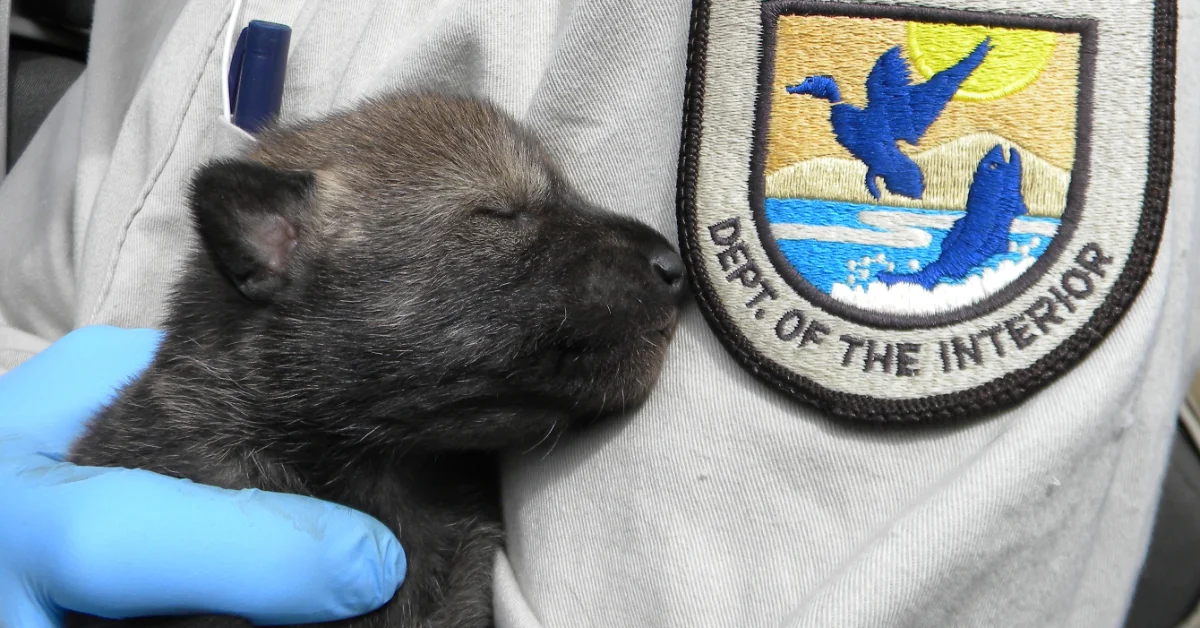
Four litters of red wolf pups have been born in the Tar Heel State so far this year, according to an announcement from the U.S. Fish and Wildlife Service’s Red Wolf Recovery Program.
Between 12 and 16 pups survived their first few months. One of the litters was born on private land owned by a member of the Prey for the Pack Program, which financially helps landowners for allowing red wolves on their property. The other three litters were born in the wild.
“It’s inspiring to see these underdogs making another incredible comeback,” Will Harlan, Southeast director at the Center for Biological Diversity, said in a statement. “These pups provide real hope for the future of red wolves.”
In 1967, lawmakers classified the red wolf as “threatened with extinction” under the Endangered Species Preservation Act of 1966.
The species was hunted nearly to extinction in the 1970s, but began making a recovery through the federal Endangered Species Act, the Red Wolf Recovery Program, and the Saving Animals from Extinction Program.
Conservationists reintroduced red wolves to eastern North Carolina in 1987, marking the first-ever carnivorous species declared extinct to be successfully reintroduced. By 2011, at least 130 red wolves roamed the wild.
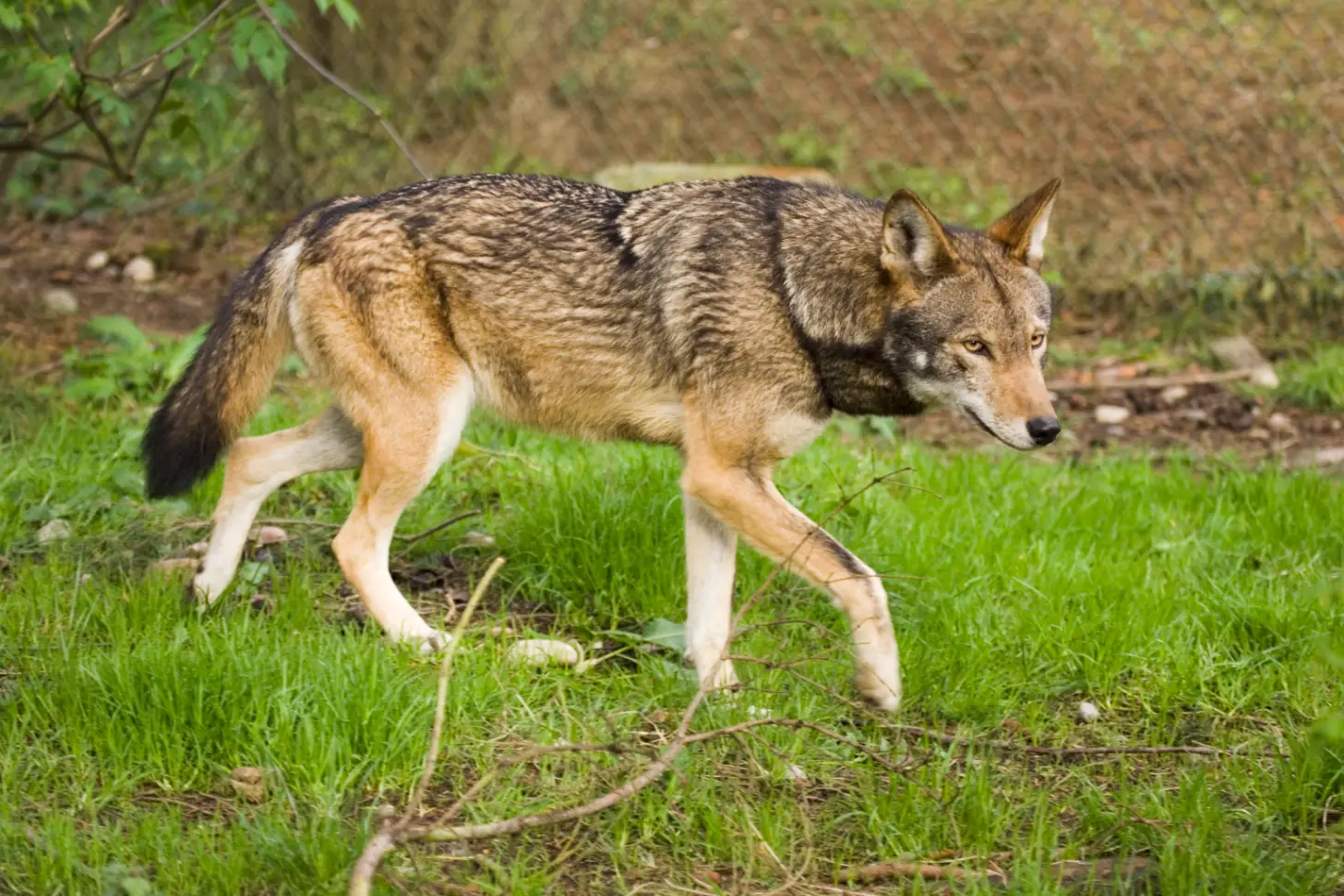
There are 22 known wild red wolves as of July in eastern North Carolina’s Alligator River and Pocosin Lakes National Wildlife Refuges and surrounding private lands, according to the Fish and Wildlife Service. The agency works with the Association of Zoos and Aquariums to manage 295 captive red wolves.
Since 2020, the species’ leading cause of death has been vehicle collisions, with eight red wolves dying by vehicle strikes in the past six years. Nearly all road fatalities take place along Highway 64, which runs through the red wolves’ refuges.
North Carolina Gov. Josh Stein signed a long-overdue state budget last week which allocates $10.2 million every two years to build wildlife crossings under major highways.
The state has also raised $31.25 million in federal and state grants and private donations specifically for crossings underneath U.S. Route 64 to protect species like red wolves, black bears, river otters, and spotted turtles.
In August 2025, North Carolina Democratic Rep. Valerie Foushee and Republican Rep. Greg Murphy filed a resolution in Congress to back red wolf repopulation and recovery efforts.
This article was written by Christine Zhu and was originally published by NC Newsline.
Featured Image: Courtesy of USFWS