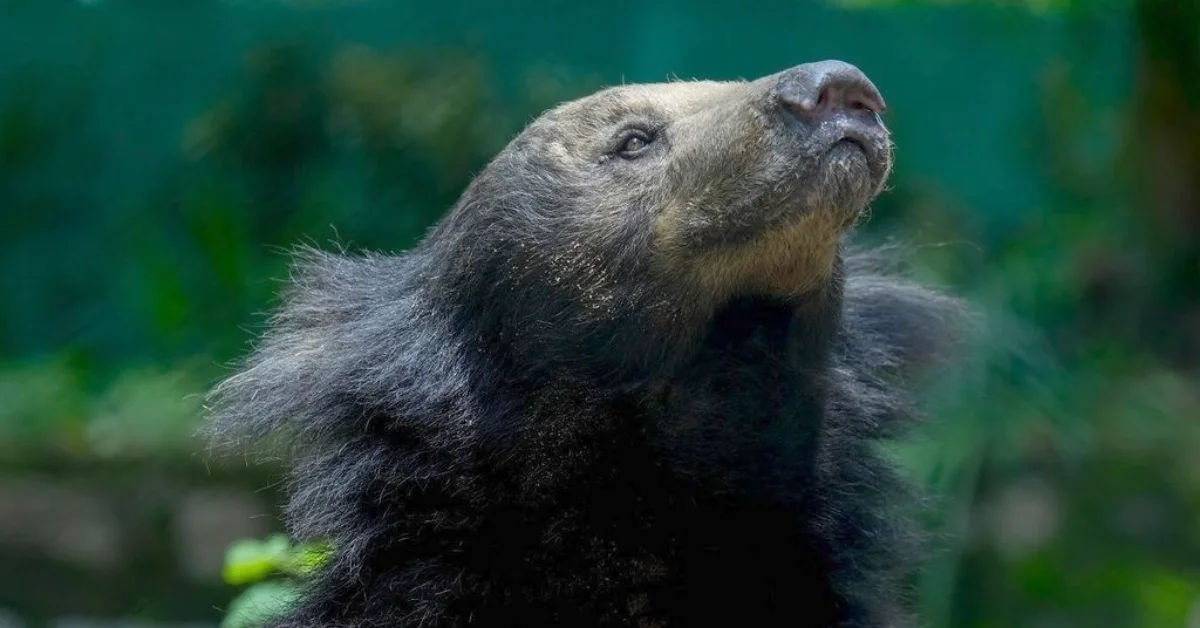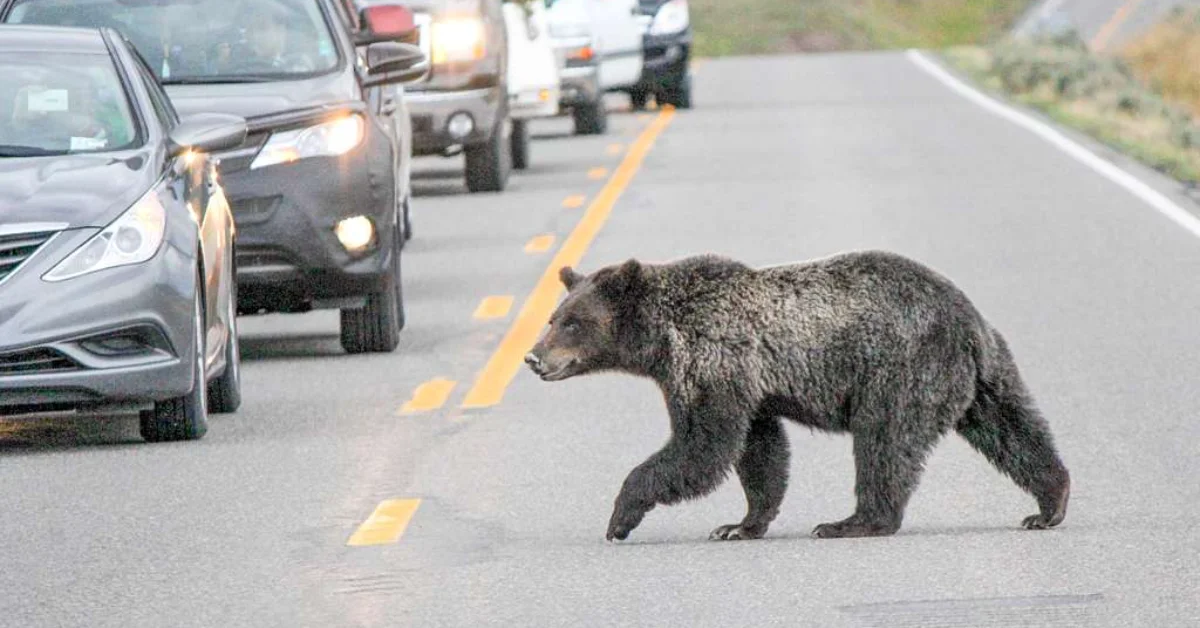
North Carolina has recently made headlines for its new $10.2 million investment in wildlife corridors, structures that connect wildlife habitats and reduce costly vehicle collisions by up to 90%.
This investment will fund future wildlife overpasses and underpasses near and within the Great Smoky Mountains, but one historic project is already nearly complete.
For the first time in state history, the North Carolina Department of Transportation and the North Carolina Wildlife Resource Commission are constructing a land bridge in the mountains, along NC-143, where Steocach Gap meets the Appalachian Trail.
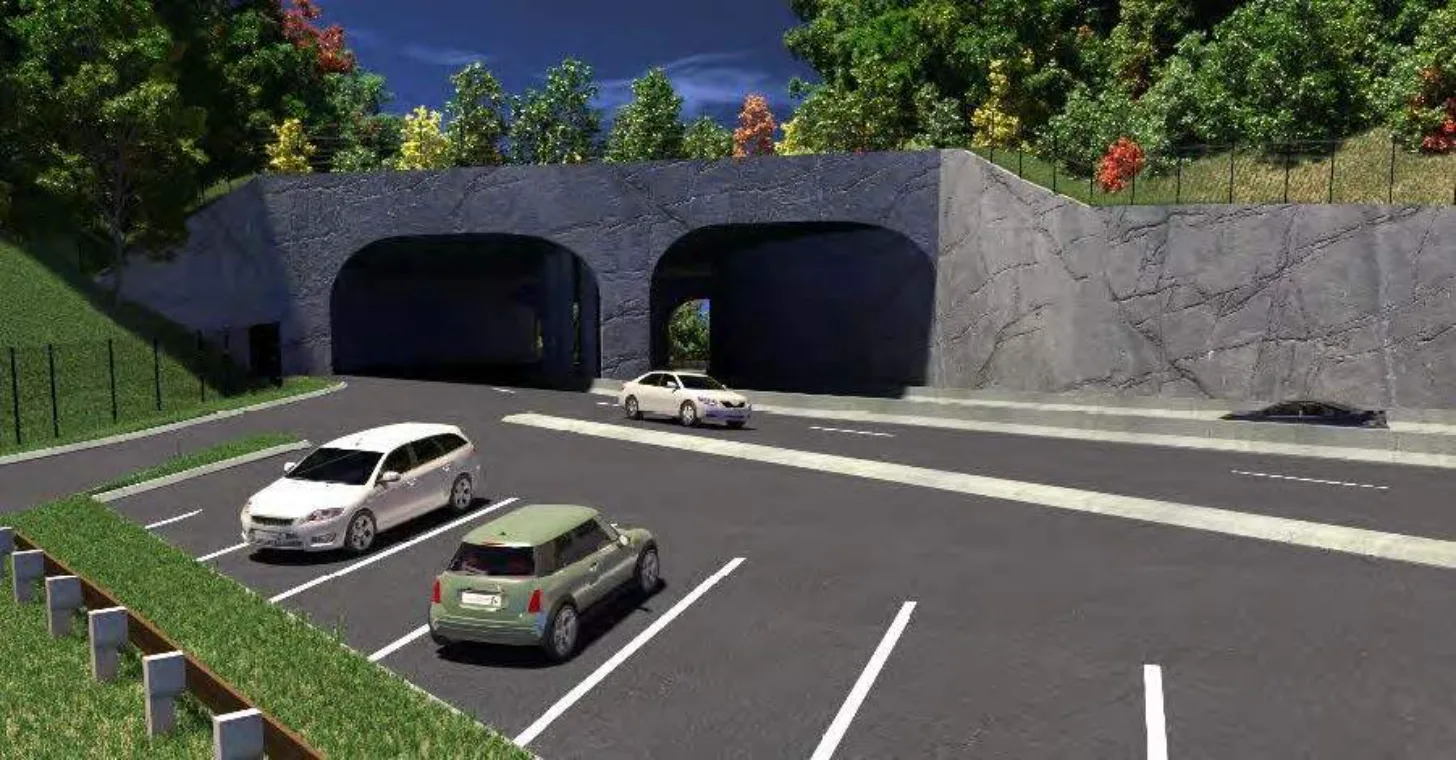
The project is years in the making. Construction broke ground in October 2022, and officials say the bridge should be completed by the end of 2026.
The bridge is designed for both human hikers and wildlife, designed to transport travelers from one side of the Appalachian Trail to the other.
“We’ve never done something like this before, and it’s been interesting to see these walls and this land bridge constructed,” Adam Dockery, Division 14 resident engineer, told WLOS News.
But how will people be able to safely cross a bridge that is also designed for black bears and rattlesnakes? It will have a mirrored design, with one side equipped with fencing that funnels animals to the land bridge, and another blocked off solely for hikers.
“The way it's designed with the dirt there, the landscaping that’s going to be put up here, you’ll have a flat side of dirt, and then you’ll have a mound in the middle where it kind of separates two passages,” Dockery explained in a video to WLOS.
There is a pre-cast concrete arch that is about 206 feet long, with a central mound that separates human foot traffic from local wildlife.
In addition to bridging the passage for wildlife to reconnect with their natural habitat, the idea is to cut down on vehicle collisions and make it easier for pedestrians to navigate the area.
“There’s always people walking the Appalachian Trail and having encounters with bears or other wildlife,” one hiker, Jacob Popperwill, told WLOS. “This just leaves them a route to be able to traverse together.”
The land bridge is part of a larger $681 million NCDOT “Corridor K” upgrade. As of February 4 of this year, construction company Neel-Schaffer had shared that Phase 1 of the project was complete, mostly including the concrete foundation of the land bridge.
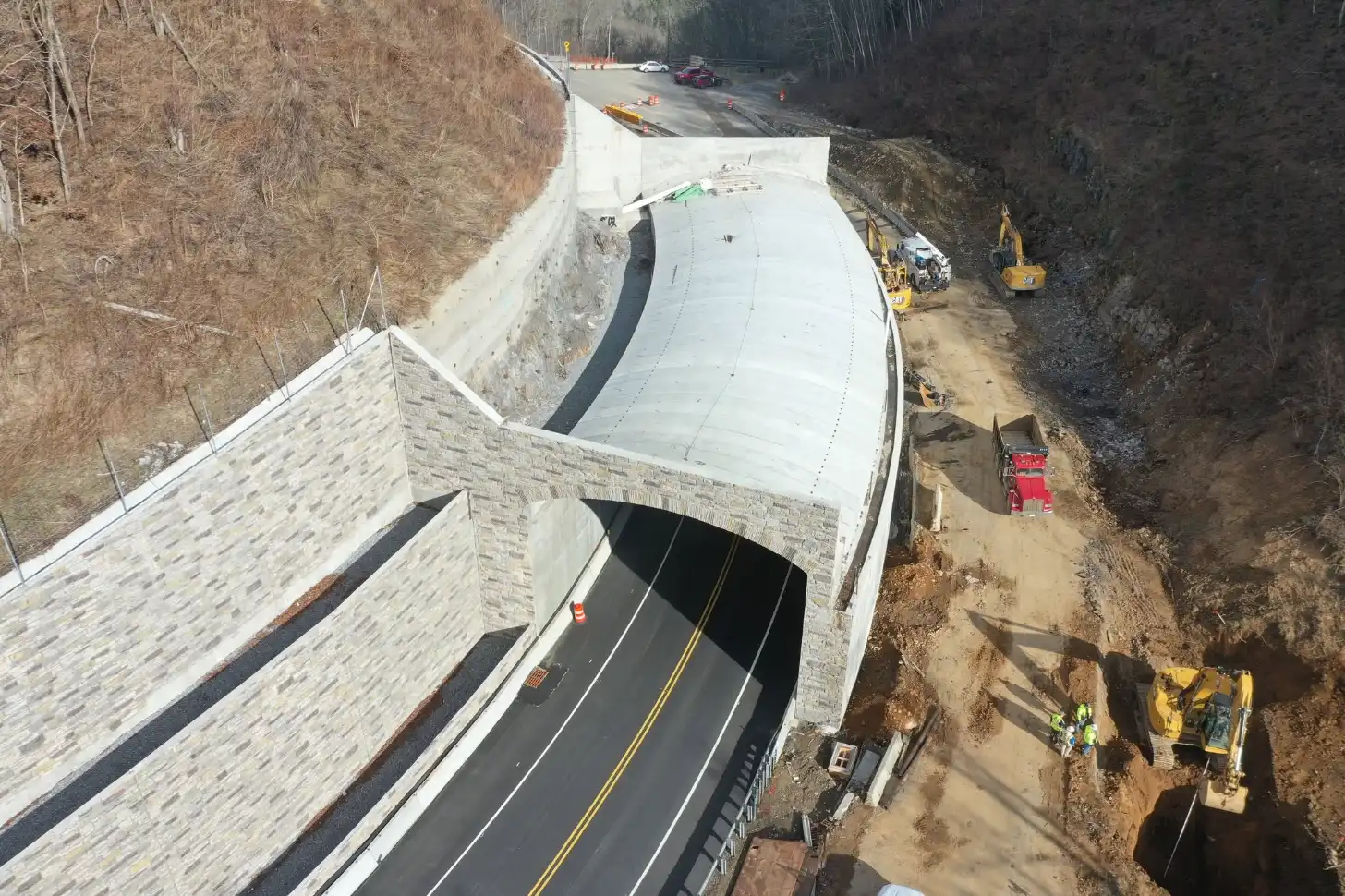
“The project is designed to blend naturally into the surrounding landscape, create a safer passage, and preserve the area’s natural character,” the construction company wrote in a social media update.
“It’s exciting to see this project taking shape and to be part of a team improving safety and connectivity in such a beautiful part of North Carolina.”
You may also like: This first-of-its-kind wildlife overpass crosses a 6-lane highway. People can walk across it, too
Featured Image: Courtesy of NPS