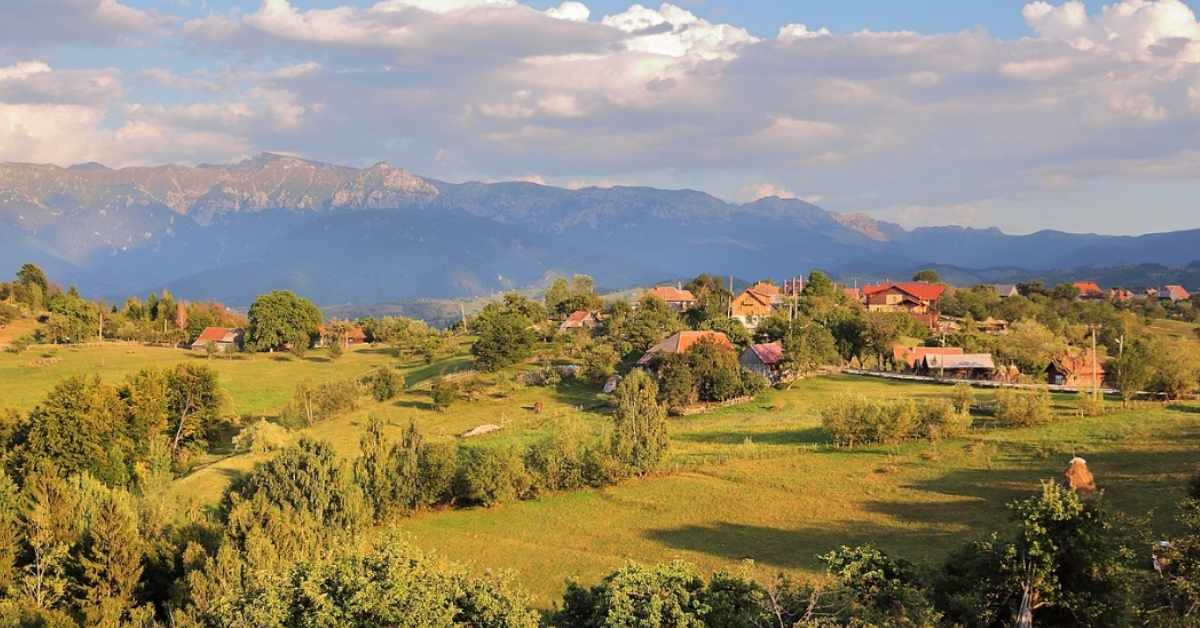
In North America, it’s not unheard of to stumble across a moose in the forest. But in Romania, the towering mammal has been locally extinct for centuries.
That’s why scientists were blown away by a recent moose sighting in Transylvania this winter — a sighting confirmed by Rewilding Romania, a conservation group that is part of the larger Rewilding Europe initiative.
“We are officially announcing an important discovery for Romania's wildlife: the confirmation of the presence of moose (Alces alces) in Hunedoara County,” Rewilding Romania wrote in a Facebook post dated December 10.
“This confirmation comes as a result of a report received the other day from Andreea Vasilescu regarding the observation of this species. The images received at that time did not have the necessary quality to confirm the species with certainty.”
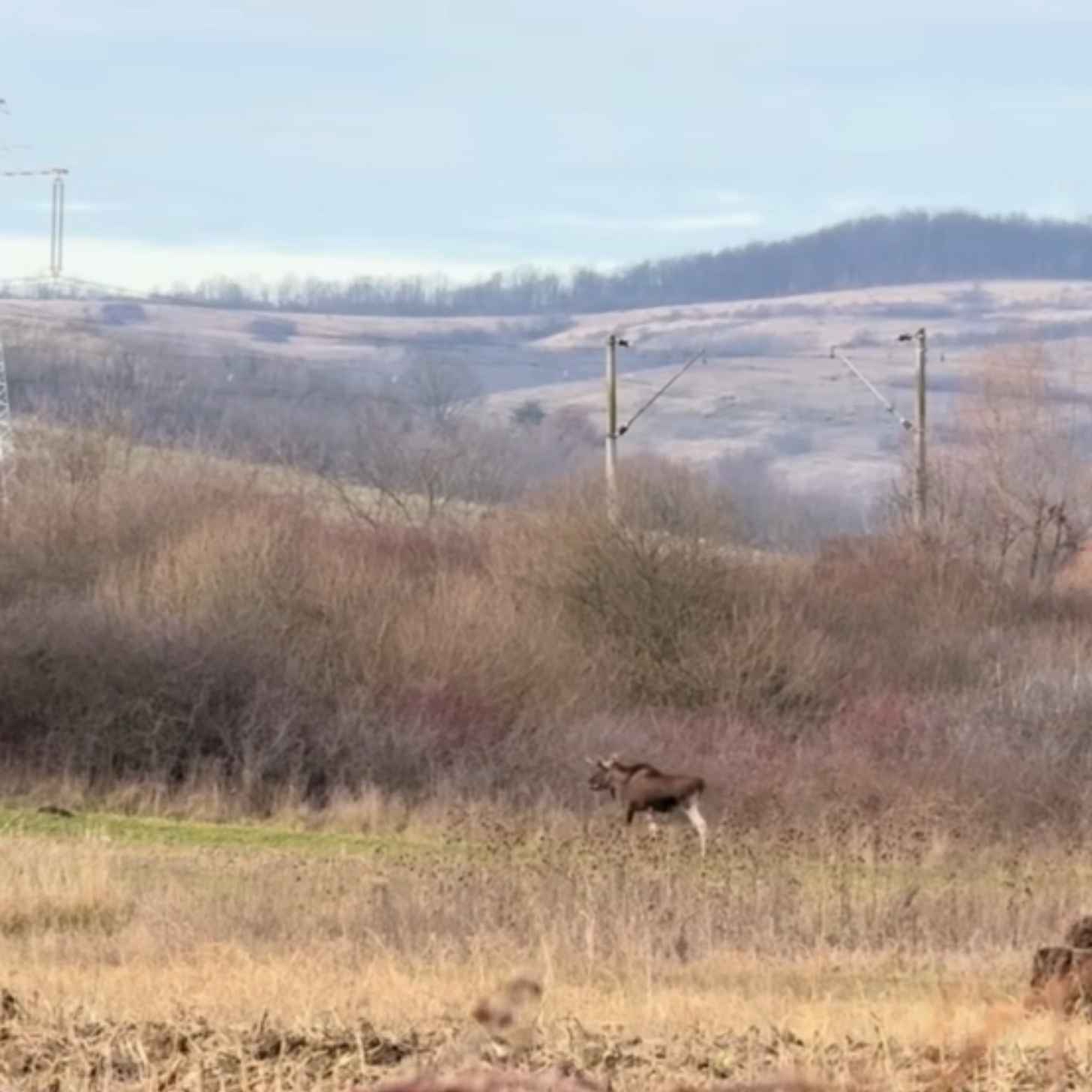
“As a result, today, our field team was mobilized to verify and document the presence of the species,” the post continued, beside video footage of a moose walking in a field. “Colleagues managed to locate and confirm the presence of the moose through direct observation and filming.”
Moose — which are one of the largest land mammals in North America, second only to bison — can be highly influential on their surrounding habitat.
By feeding on young saplings like willows and birch, they can clear the way for other plant species to grow, which encourages biodiversity.
“Moose are an ecosystem engineer in the forest ecosystem, and strongly impact everything from the species composition and nutrient availability in the forest,” Gunnar Austrheim, an ecologist at the NTNU University Museum, told Phys.org.
When it comes to the surprise sighting in Transylvania, Rewilding Romania promised to work with local authorities to ensure the protection of the moose as they continued monitoring the area.
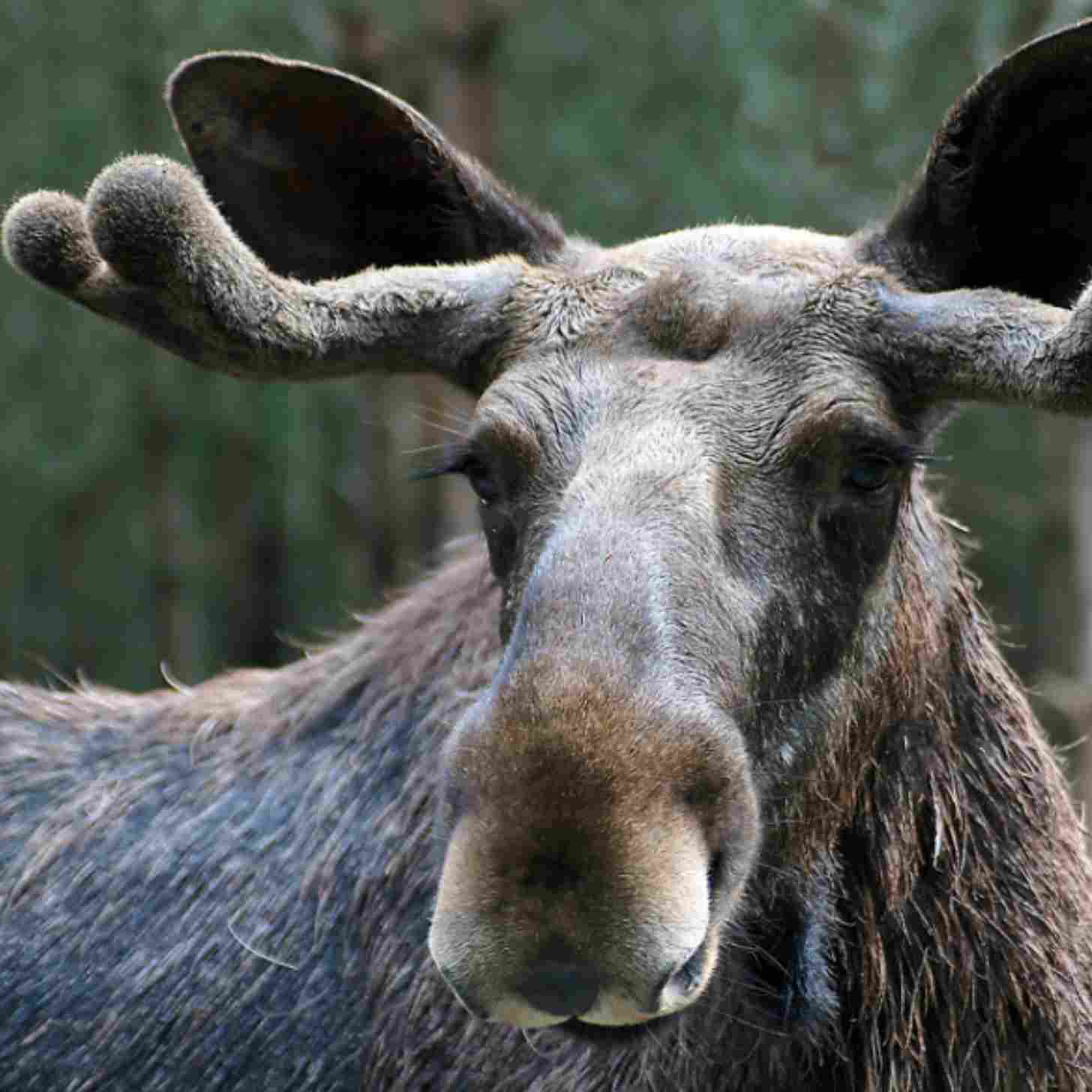
“Although it is currently unknown where it came from, it is known that there are stable moose populations in Ukraine and Poland,” the organization said.
“Also knowing that moose can cover great distances and that they tend to disperse, there is a possibility that this specimen comes from one of the 2 countries, being only in transit in this area.”
“In the past, there were stable populations in several countries in Europe, including Romania, being a species native to our country, but which disappeared over time,” Rewilding Romania explained. “In this context, it is gratifying that we see the natural return of a species to an area where it once lived.”
You may also like: This mammal vanished from Ohio nearly 200 years ago. Trail cameras just captured footage of it
Header image via Marek Ślusarczyk (Creative Commons Attribution 3.0 Unported)