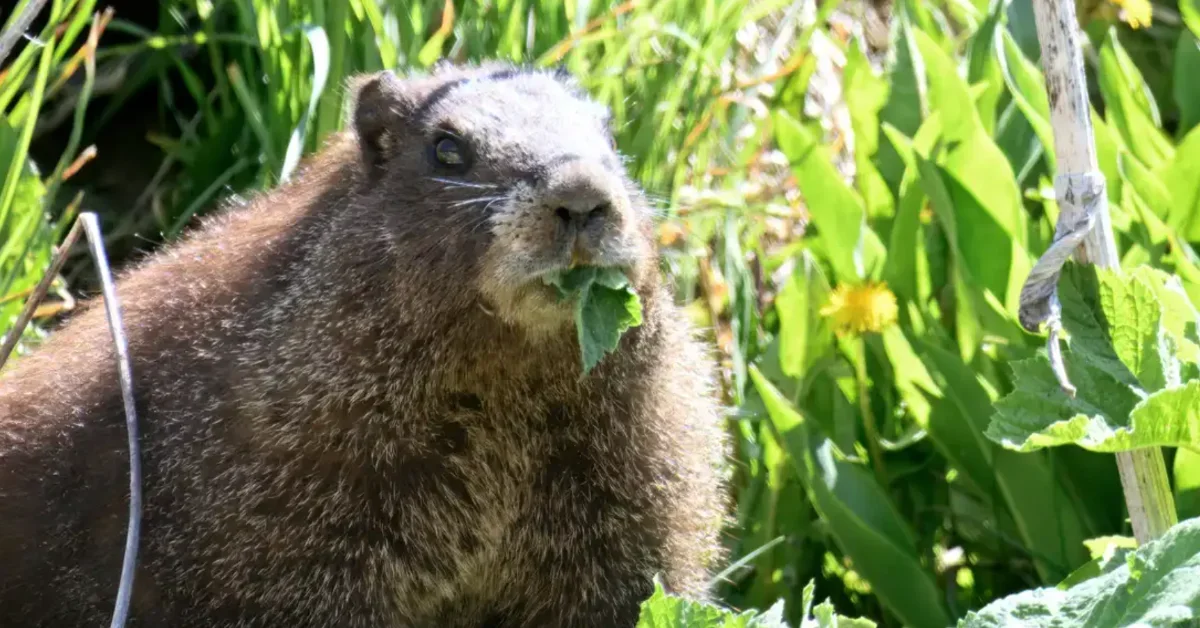
Daniel Blumstein, a UCLA ecology and evolutionary biology professor, has been running the marmot research project at the Rocky Mountain Biological Laboratory in Colorado for 25 years — and he has never seen such a profound funding freeze.
For years, the lab has largely been funded by the National Science Foundation. However, since the president took office for a second time, the Trump administration has cut more than $700 million in NSF grants. After three attempts — and failures — to renew his grant through the NSF, Blumstein and his colleagues turned to alternative methods of fundraising.
The first step? Setting up a G-rated OnlyFans for their yellow-bellied marmots, called “OnlyMarms,” a creative move that has garnered global attention.
To keep the momentum going, The Rocky Mountain Biological Laboratory also announced that they were hosting the first-ever “Fat Marmot Week,” an online tournament that pays homage to the annual “Fat Bear Week” in Alaska.
“The largest of the true hibernators, marmots bulk up all summer to survive the winter,” the RMBL researchers explained on the official Fat Marmot Week website.
“Fat Marmot Week is an opportunity to get folks excited about yellow-bellied marmots, one of our favorite alpine residents, and to share the science behind their weight gain,” they continued. “The Marmot Project at RMBL is hosting the event, and we'll share insights into the marmots we study while we root for them to get fat!”
To track the marmots for their research, scientists at RMBL use non-toxic fur dye to paint distinct shapes on their backs: marks that give them their distinctive names.
They also give them small, numbered metal ear tags that they call “earrings.”
By differentiating the marmots, the researchers are able to better monitor and analyze the rodents’ behaviors and relationships.
The 58 years of data have culminated in one of the world’s longest-running studies of free-living mammals, second only to Jane Goodall’s research on chimpanzees.
Voting for Fat Marmot Week starts on August 24, but potential voters can start studying up for the election by meeting the contenders: Dan’s Hat, Open Kite, and Citroen.
Meet the contenders for Fat Marmot Week
Open Kite
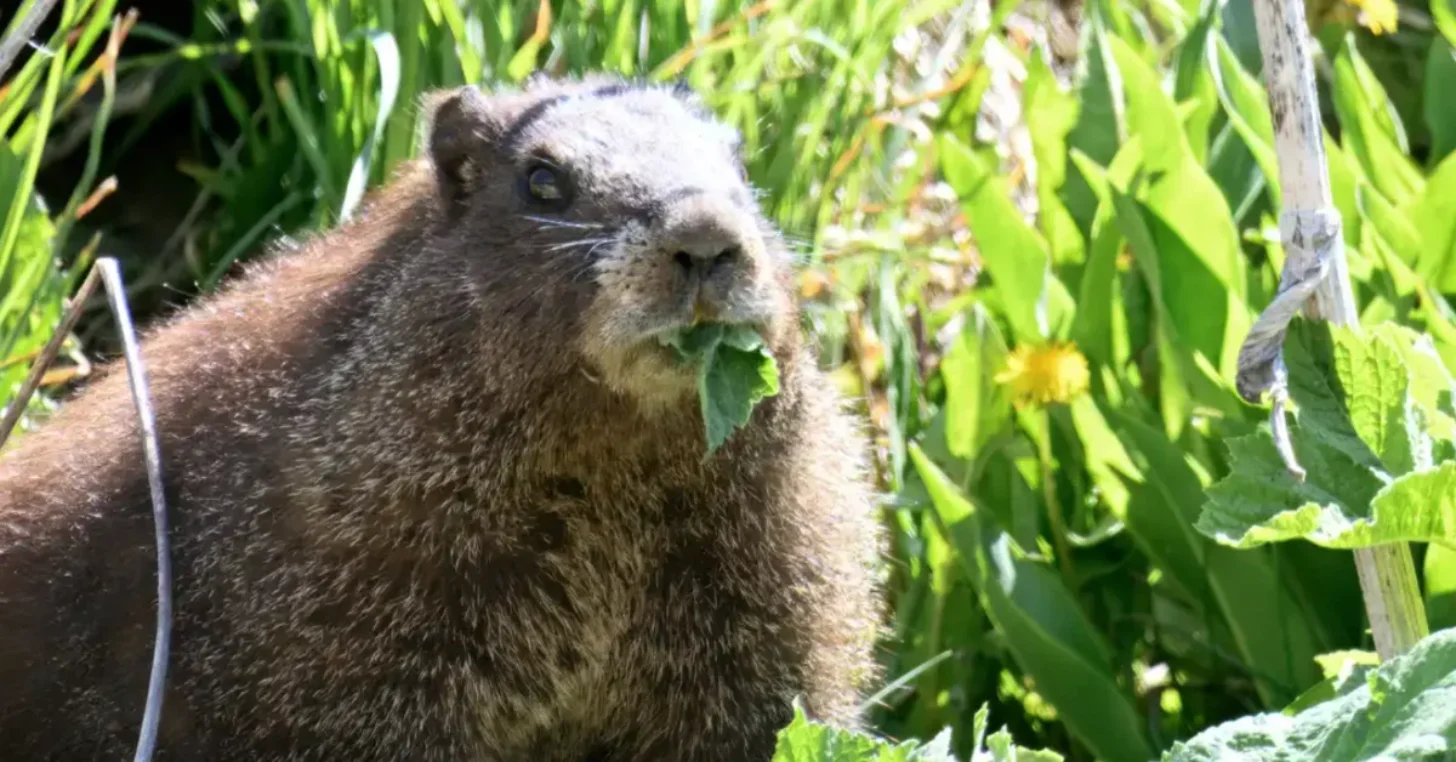
According to researchers, Open Kite is a “girl boss who runs the RMBL townsite!”
“With no male to mate with, she was able to allocate all of her energy to self-maintenance,” they explained. “While we’re proud of her mass gain, she’s declined to weigh in for our contest this year! We’ll keep trying.”
Dan’s Hat
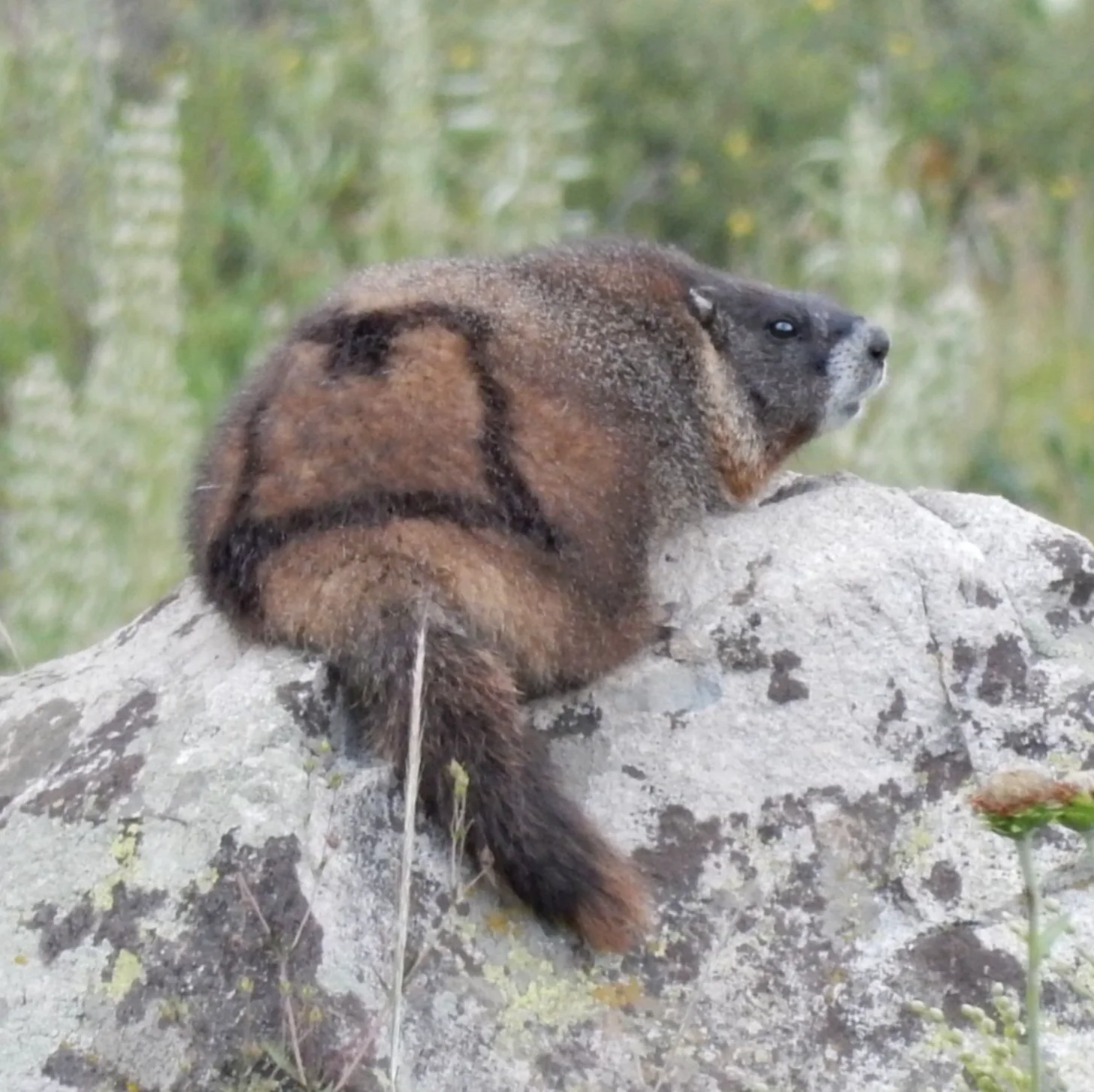
Dan’s Hat is described by researchers as the “cool aunt who’s part of Stonehenge’s matriline,” which are groups that form when adult females let their daughters stay in their social group instead of sending them off on their own.
“She didn’t breed this year and was hoping to be an aunt until a badger ate all of her nieces and nephews,” RMBL darkly observed.
Citroen
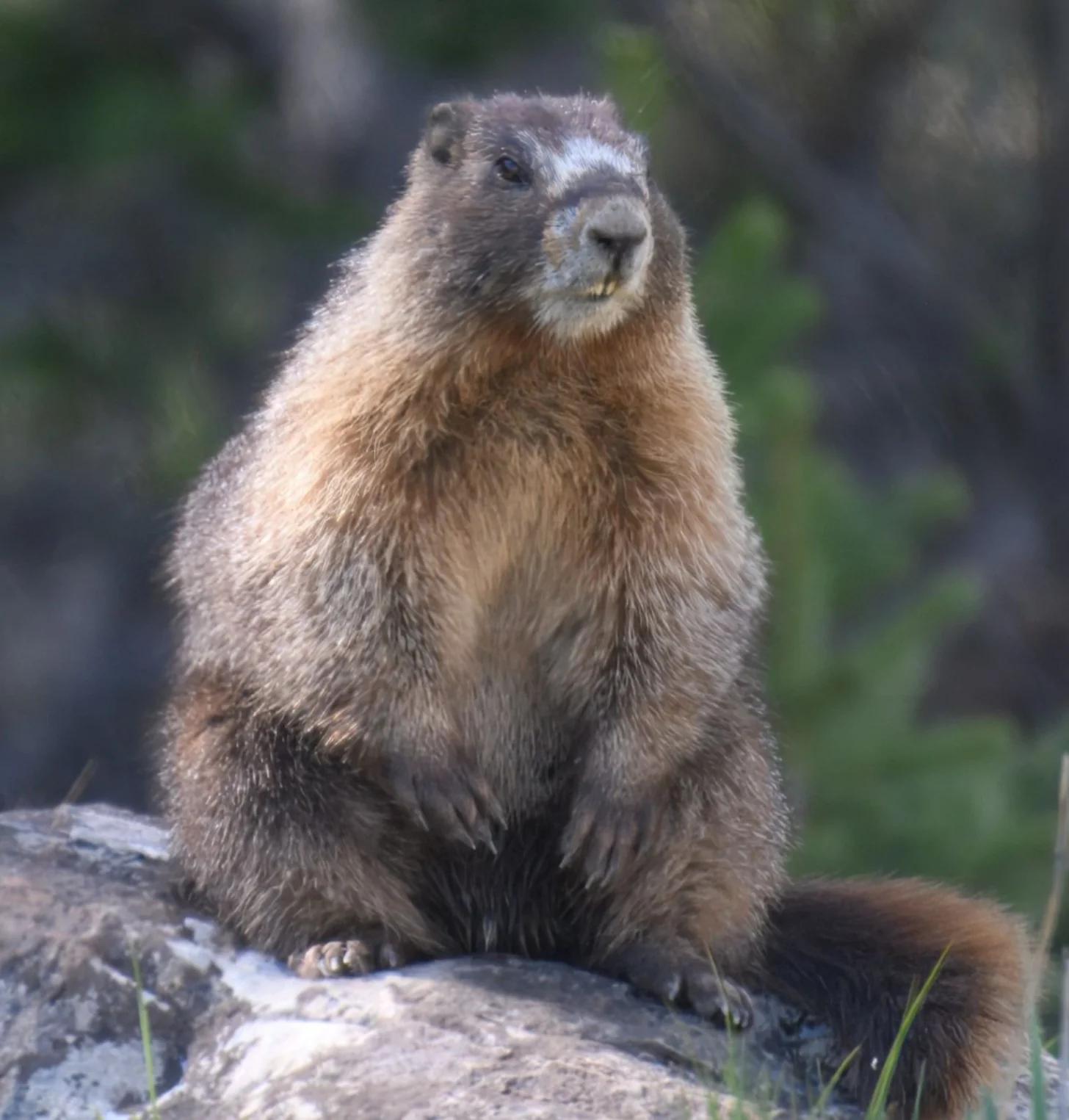
Citroen is one of the newest additions to the RMBL marmot family, having been spotted in late May.
“As Open Kite’s new man, Citroen has taken his role as stepdad to last year's pups very seriously,” the researchers wrote. “We are excited to see just how chunky this boy can get!”
You may also like: The 'BearID Project' is using facial recognition to monitor and conserve bear species. Here's how it works
Featured Image: The Rocky Mountain Biological Laboratory Marmot Project