At 18 years old, Kerwin Pittman was sent to prison to serve his time for conspiracy to commit murder. He spent 11 and a half years incarcerated, with over a year of that time in solitary confinement.
It has been eight years since his release.
Now, he says he’s the first former inmate to purchase a prison in United States history.
After his release, Pittman turned to social justice advocacy work, founding his nonprofit Recidivism Reduction Educational Program Services, Inc., or RREPS. Serving the Goldsboro, North Carolina community, RREPS supports formerly incarcerated individuals to lower re-offending rates.
Over the years, Pittman has built a robust slate of offerings, including an anti-recidivism hotline, mentorship programming, and a mobile recidivism reduction center: A revamped bus that travels to people in need and provides an array of resources to help them find housing, jobs, mental health care, and more.
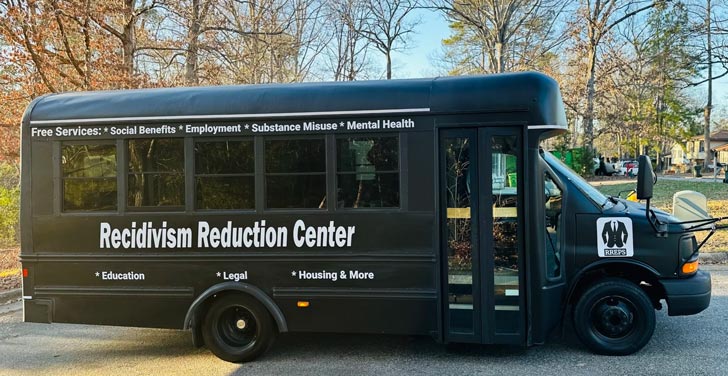
Now, he is working to build the Recidivism Reduction Campus, a housing and job training facility for formerly incarcerated folks on the grounds of the former Wayne County Correctional Center.
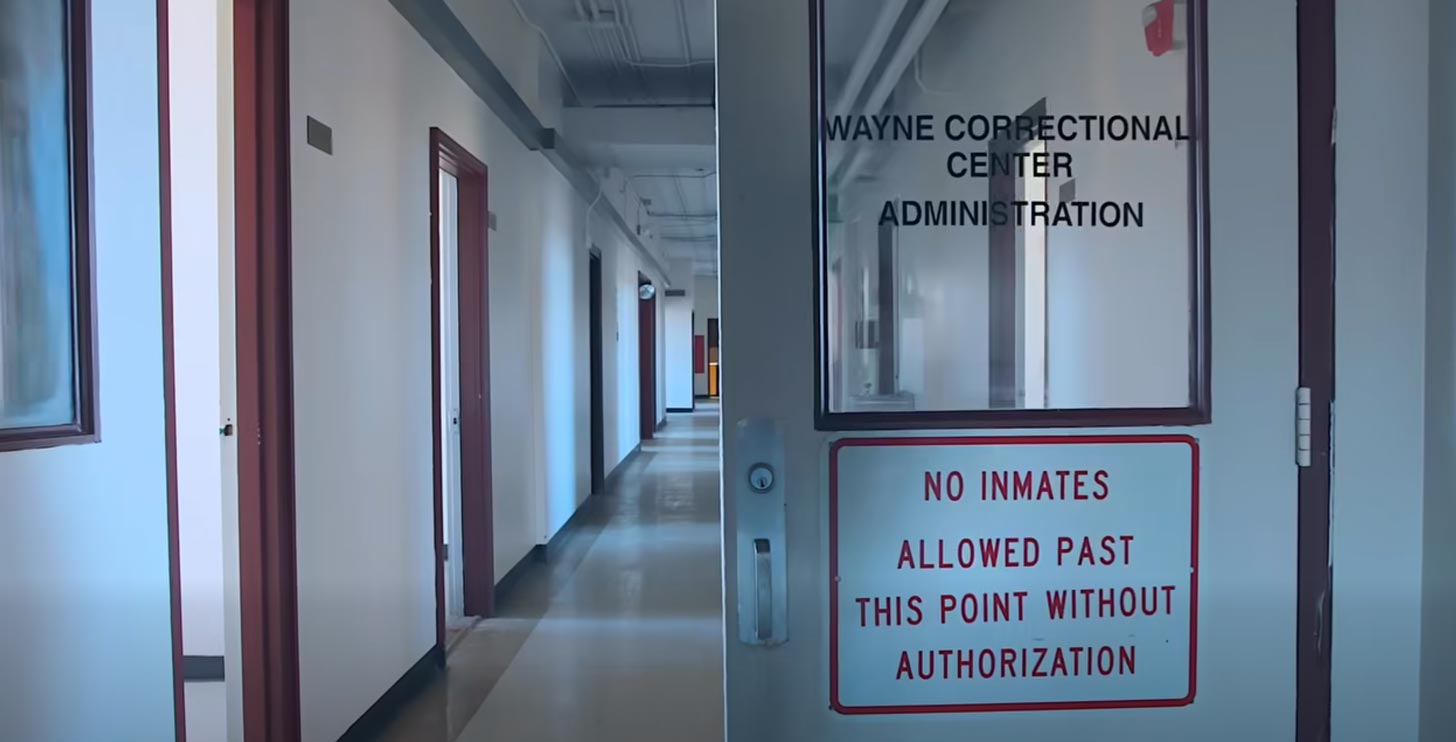
Closed since 2013, the former jail has sat vacant for over a decade. Pittman purchased the property for $275,000 in November 2025. It will take about $2 million to refurbish the space, Pittman said, and the project will rely heavily on private donations, though local, state, or federal funding avenues may also be pursued.
“This effort is not about continuing incarceration,” Pittman told WRAL News. “It is a blueprint for transformation, led by those who have lived it. It represents a powerful redefinition of justice in America, from incarceration to ownership, from punishment to purpose.”
According to reporting from North Carolina Health News, of the 13,000 people released from North Carolina state prisons in 2021, 44% were re-arrested within two years. Stopping that cycle is what motivates Pittman.
The campus is not yet under construction, and Pittman estimates it will take about two years to get the whole operation up and running.
Once complete, the center will include transitional housing, mental health support, workforce training, life skills resources, case management, and more.
“The campus would be like a stabilization phase for guys coming out of jail or prison, to give them a six-month pause so they can get their life back on track,” Pittman told NC Newsline.
After his own release, Pittman said he had family support. However, many of his friends didn’t have a place to go — or found themselves faced with a time limit on where they could stay.
The Recidivism Reduction Campus aims to house as many as 300 residents at a time, where they would complete a six-month program, including industry certifications for trade jobs in high demand.
While job-training programs for inmates and justice-impacted populations aren’t a new concept, building a dedicated operation on the grounds of a former correctional facility is.

“Once a site of confinement, the former Wayne Correctional Prison is now being transformed into … the first campus in the United States purchased and repurposed by a formerly incarcerated person to serve as a hub for reentry, healing, and opportunity,” the RREPS website stated.
To transform the facility, RREPS will make intentional redesigns, starting with the removal of barbed-wire fences, prison bars, and signs that say things like, “No inmates allowed past this point.” Instead of open dormitories, residents will have private rooms, and windows into bathrooms will be covered.
The space will be more like a college dorm, he said, rather than the cells he himself knows too well.
“Me going into the system young, getting in trouble and being able to come out on the other side of that — and to be honest, just following my spirit and God leading the way,” Pittman told North Carolina Health News, “it made me want to be able to help other people.”
Beyond his own motivations, the Recidivism Reduction Center represents a poetic new era for people who have been caught in the offender cycle without a hand to offer them a way out.
“This moment isn’t just about me. It’s about every person who has been counted out, every family waiting for their loved one to come home whole, and every community that deserves healing,” Pittman shared on Facebook upon announcing the new project.
“It’s about showing this country that when we invest in people, especially those closest to the pain, real change happens.”
You may also like: Instead of a new jail, LA built a shipping container housing complex for homeless residents
Header image courtesy of Kerwin Pittman/RREPS