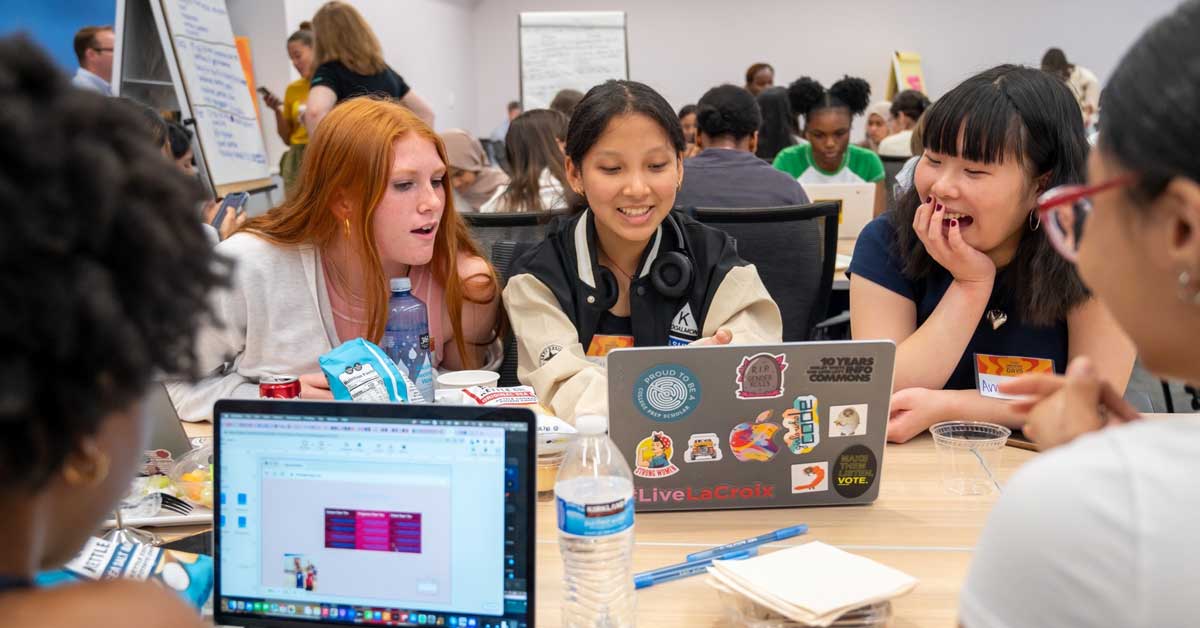
The nonprofit Girls Who Code was founded in 2011 with the intention to close the gender gap in technology jobs.
Through in-person courses, clubs, summer camps, college opportunities, and more, the nonprofit has served approximately 760,000 young women and nonbinary students in middle and high school — with 50% of them from historically under-represented groups.
Of that number, 218,000 are now college or career-aged alumni, continuing to reshape the future of technology.
And now, the organization says it's on track to close the gender gap in new entry-level tech jobs by 2030.
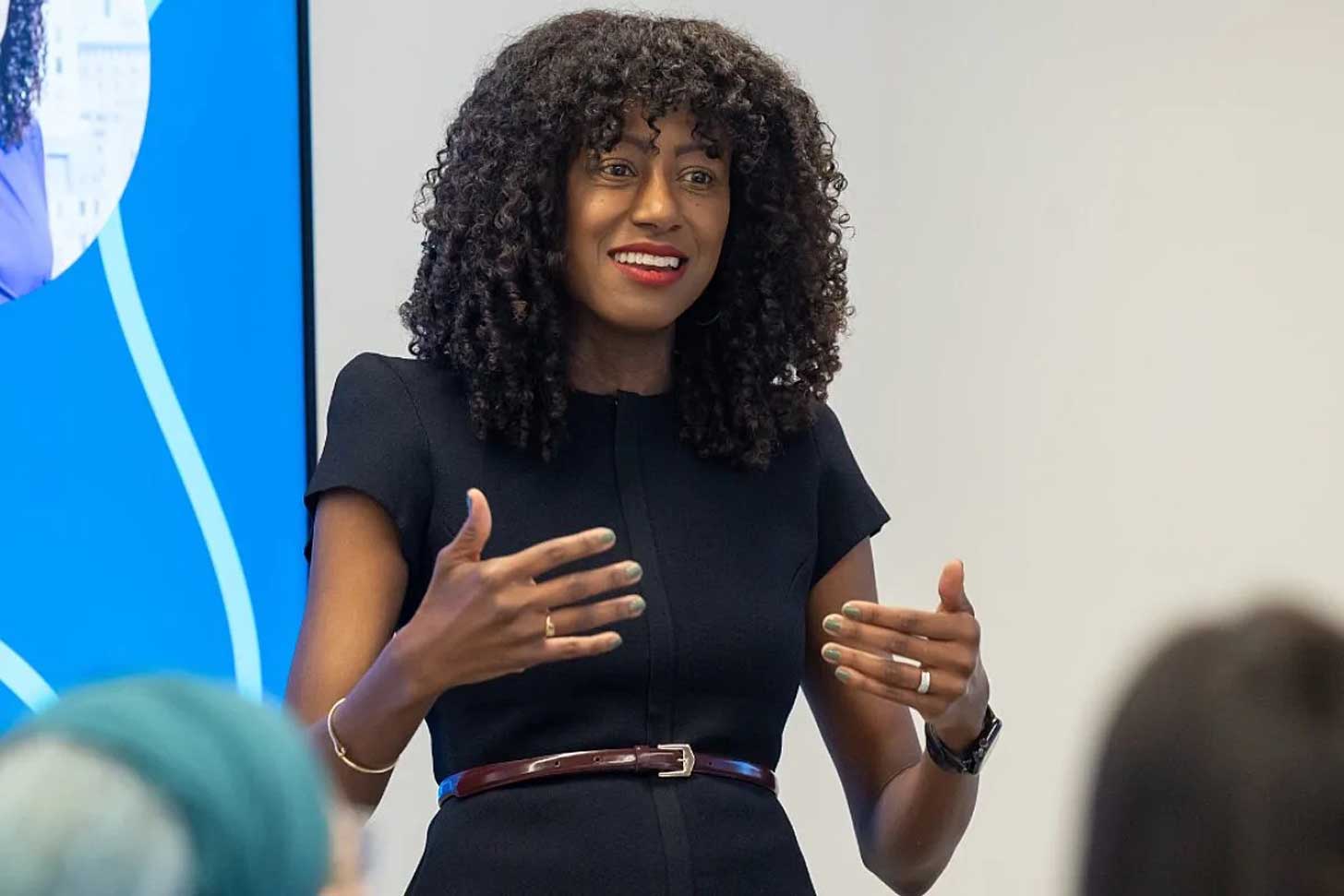
“At Girls Who Code, not only do we immediately connect with our girls through direct programming, teaching them to code,” Dr. Tarika Barrett, CEO of Girls Who Code, said in an interview with the podcast CXOTalk, “but it's also moving hearts and minds and changing the image of what a computer scientist looks like and does.”
Through its latest “Five by Five” initiative, Girls Who Code will expand its programming for younger students, extend summer high school immersion programs to be year-long, build regional chapters with alumni leaders, and help support technical projects of college students.
The aim is to reach 5 million girls, young women, and nonbinary individuals over the next five years.
“This is a pivotal moment for both the tech industry and Girls Who Code. As the skills required to thrive in tech evolve, we are more determined than ever to meet the needs of the next generation, helping them not just thrive, but lead,” Barrett said in a statement.
“Five by Five isn’t just about hitting a number. It’s about laying the groundwork for a new kind of workforce — one that embraces change, thrives on innovation, and leads the charge into the future.”
You may also like: Scientists study 'breast-cancer-detecting bra' in space: '10 years of tumor growth can occur in 10 days'
A version of this article was originally published in The 2025 Technology Edition of the Goodnewspaper.
Header image courtesy of Girls Who Code