An average of 1,000 marine animals are found stranded on Pacific Northwest coastlines every year, according to Sealife Response, Rehabilitation & Research, or SR3, a wildlife rescue organization in Washington state.
Of those stranded marine animals, many include whales, sea turtles, and even baby harbor seals.
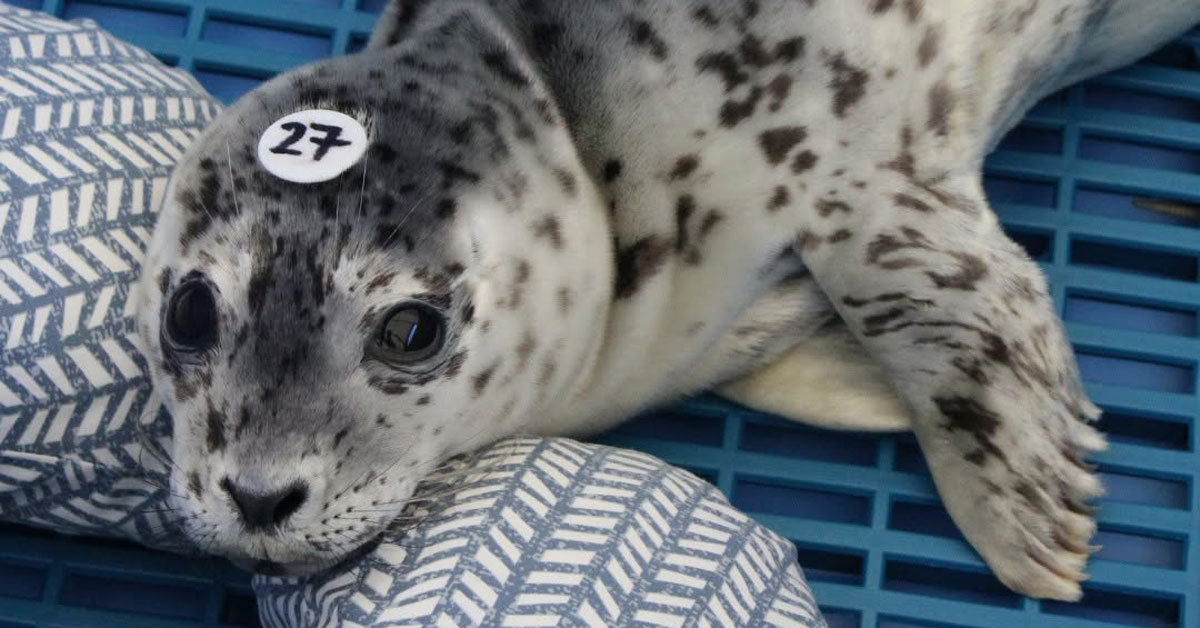
And recently, SR3 shared its new crop of harbor seal pups to the internet.
“The harbor seal pups we have at the SR3 Rescue Center are all cases of maternal abandonment,” a narrator said in a TikTok video. “They were found on busy beaches on the outer coast of Washington … Many of them were impacted by humans getting too close.”
When people get too close to harbor seals, it causes the animals severe stress and interrupts nursing. Oftentimes, if people get too close to a skittish harbor seal mother, the mammal will flee the area and will not return to nurse her newborns if she senses danger in the area.
Many of the seal pups rescued by SR3 are too young to manage on their own, making the organization’s rescue efforts crucial to their survival.
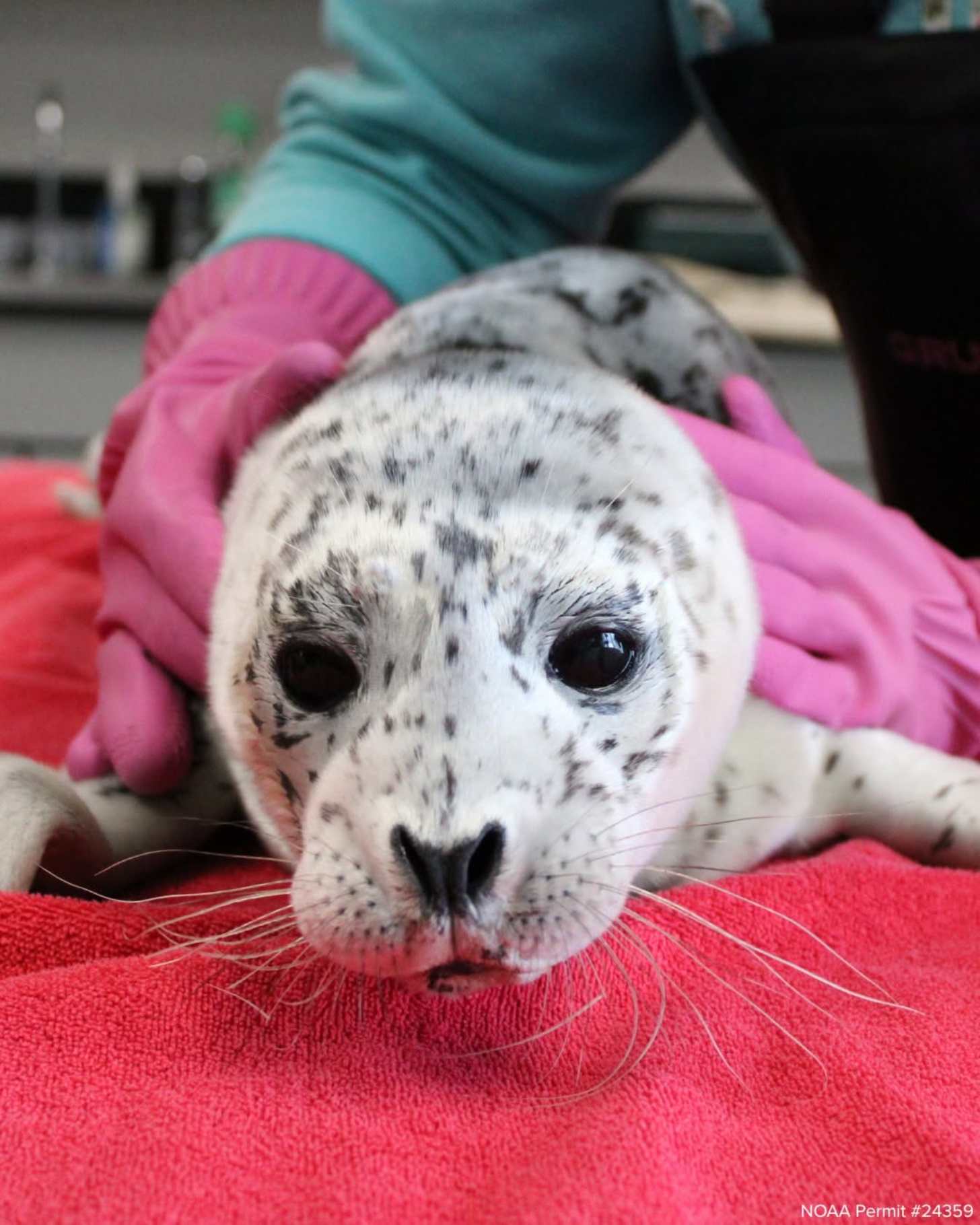
The new group of pups in SR3’s care are fed four times a day and spend most of the rest of their time sleeping next to human nursing pillows to shore up energy as they recover.
In many rehabilitation centers, these u-shaped pillows, stuffed toys, heating pads, or other props act as a calming tool that mimics the shape and behavior of a mother seal.
During an incredibly vulnerable time, these pillows provide psychological comfort to the seal pups. They also require vast amounts of energy to grow and regulate their body temperatures, so comfort items like this make it easier for them to lean their heads on a resting place out of the water.
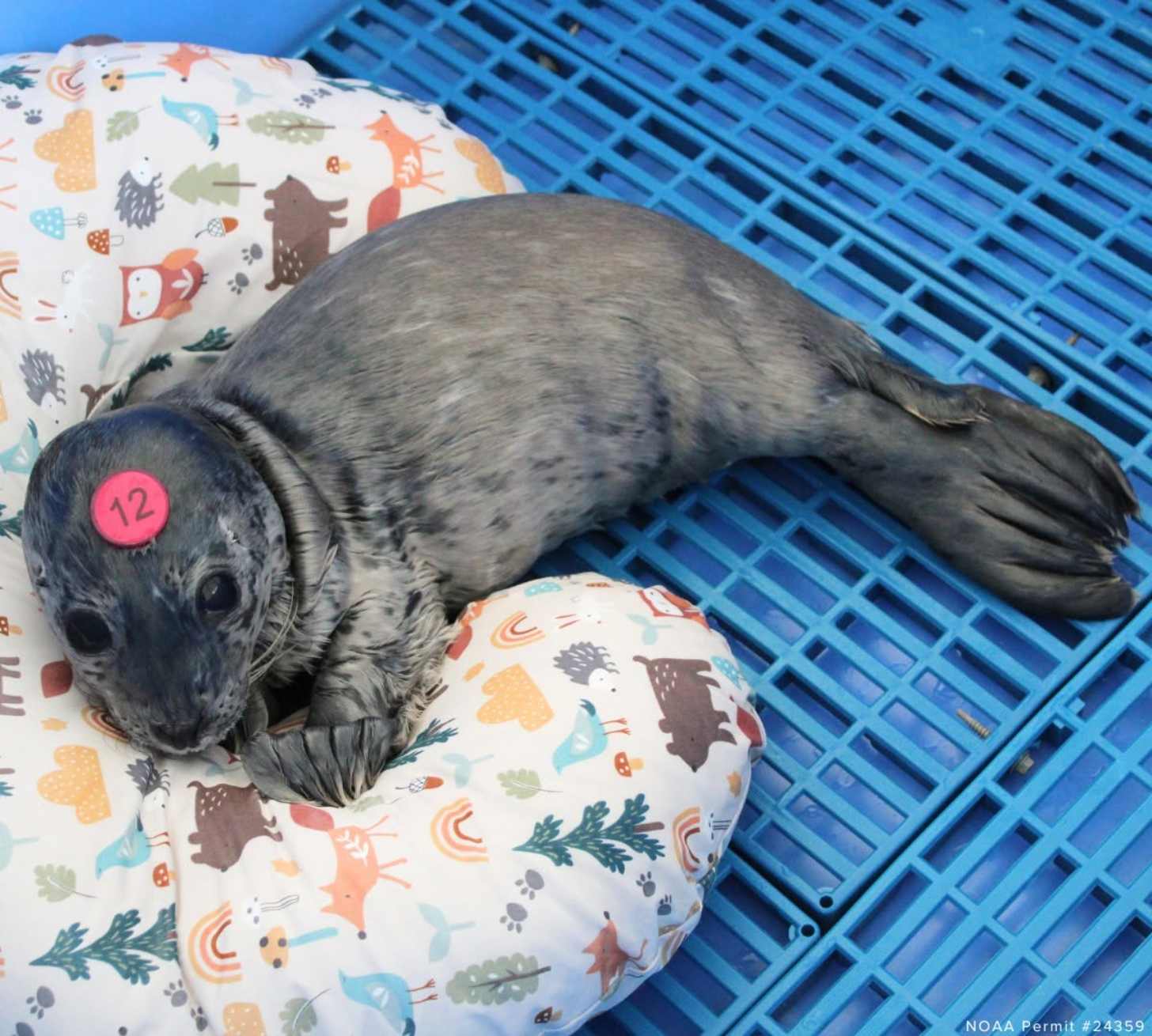
Several of the newly rescued pups at SR3 also have respiratory diseases, like pneumonia or bronchitis, the organization shared, so they have been receiving breathing treatments, too.
“To treat this, they are nebulized in a carrier twice a day, which allows them to breathe in an antibiotic along with medications that help reduce the fluids or inflammation in their lungs,” the video explained.
SR3 takes care of plenty of different marine animals native to the area, but right now, it’s “pupping season,” meaning they are on the lookout for harbor seals and sea lions who may be abandoned and in need of help.
The first harbor seal pup of the season arrived in late May, the organization shared on Facebook.
“The young pup was likely orphaned due to human disturbance after people were reportedly seen dragging him toward the water. Named Crumpet, he is now receiving treatment at SR3 for malnutrition and pneumonia,” the Facebook post shared.
“Please stay 100 yards away from marine mammals resting on beaches,” SR3 reminded followers. “While we can care for cases like this, it is always better for mom and pup to remain together in the wild.”

While it’s unclear how many animals will be helped this season, in 2025, SR3 admitted 56 patients to its Rescue Facility.
One success story from 2025 detailed the transformation of Ramen, a newborn harbor seal pup that was born underweight and abandoned quickly after.
“Through intensive care and a high-fat diet, Ramen steadily gained strength,” a blog post for SR3 shared. “Three months later, he returned to the ocean — a striking example of how science-based policy change and expanded capacity are transforming what’s possible for marine mammals in the Pacific Northwest.”
You may also like: See these ‘crusty green’ sea turtles after two months of rehabilitation: ‘The difference is remarkable’
Header image courtesy of Sealife Response, Rehabilitation & Research/Facebook