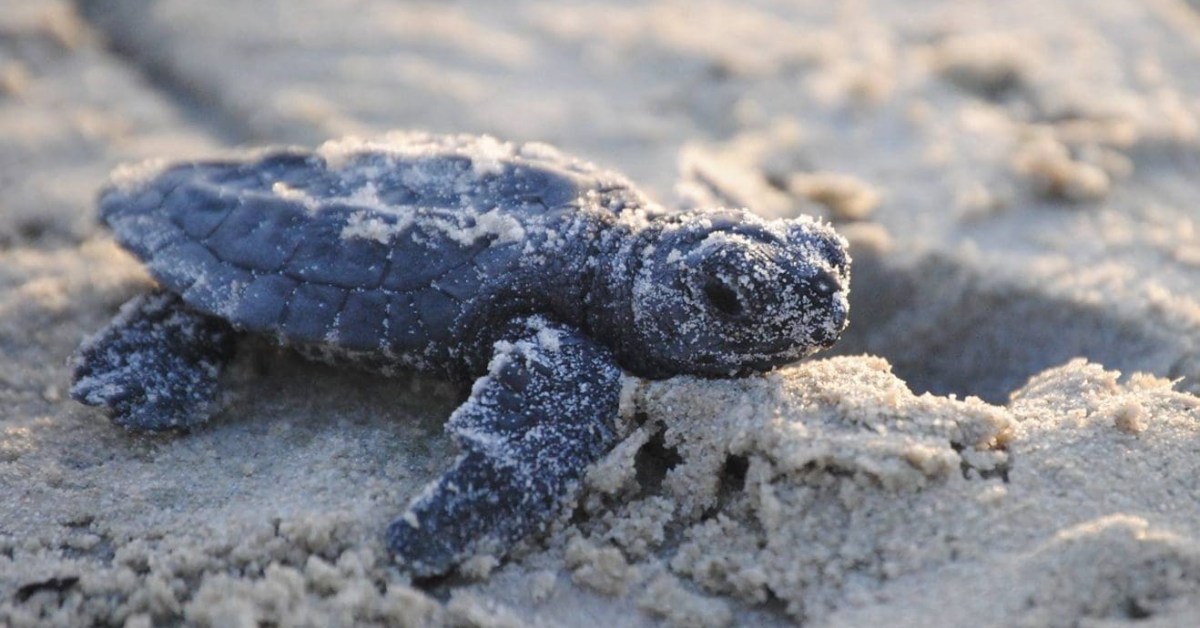
With sea turtle nesting season underway, conservationists are reminding visitors that small actions can make a big difference for these endangered animals.
Whether you’re spending a day at the shore or hoping to spot hatchlings making their journey to the sea, here’s how to enjoy the beach while helping protect sea turtles during one of the most important times of their life cycle.
When is sea turtle nesting season?
From late spring to early fall, beaches throughout the Americas become “a crucial nesting ground for sea turtles.”
“We must do everything possible to support their conservation by helping them nest and reproduce successfully,” Gulf State Park-Alabama shared in a Facebook post.
In the United States, sea turtles primarily nest along sandy coastal beaches in Florida, Georgia, South Carolina, North Carolina, Texas, Virginia, Alabama, and Hawaii.
Florida is home to the highest number of sea turtle nests and accounts for roughly 90% of nesting sites in the U.S.
Along the Atlantic coastline, the sea turtle nesting season generally runs from May 1 through October 31, with peak nesting occurring in June and July.
In Hawaii, the primary nesting season is much longer, running from mid-April through December, with a peak between August and November.
Sea turtle nesting season along the Gulf of Mexico (including the coasts of Texas and, in Mexico, Tamaulipas and Veracruz) spans from April through October, with peak nesting and hatching activity occurring from May through August.
Further south, in the broader Mexican Caribbean, sea turtle nesting season runs from May through early November.
What is sea turtle nesting season?
Sea turtle nesting season includes the mating, nesting, and hatching behaviors of sea turtles.
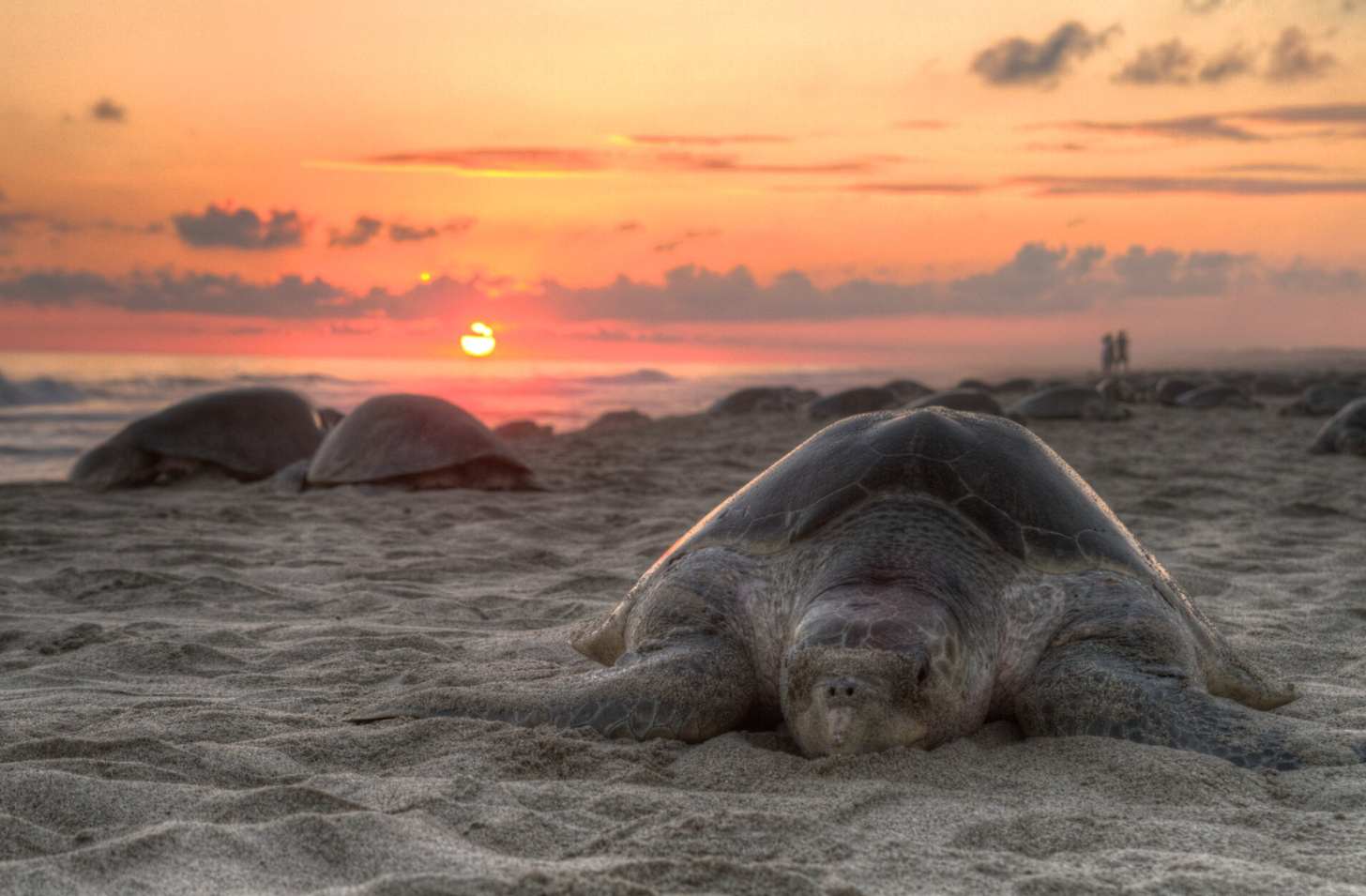
After producing and carrying their eggs internally, female sea turtles come ashore to nest within a few weeks of mating.
Upon digging a depression in the ground, the female lays between 50 and 200 eggs (depending on the species) and camouflages her nest — first with damp sand, then with dry sand.
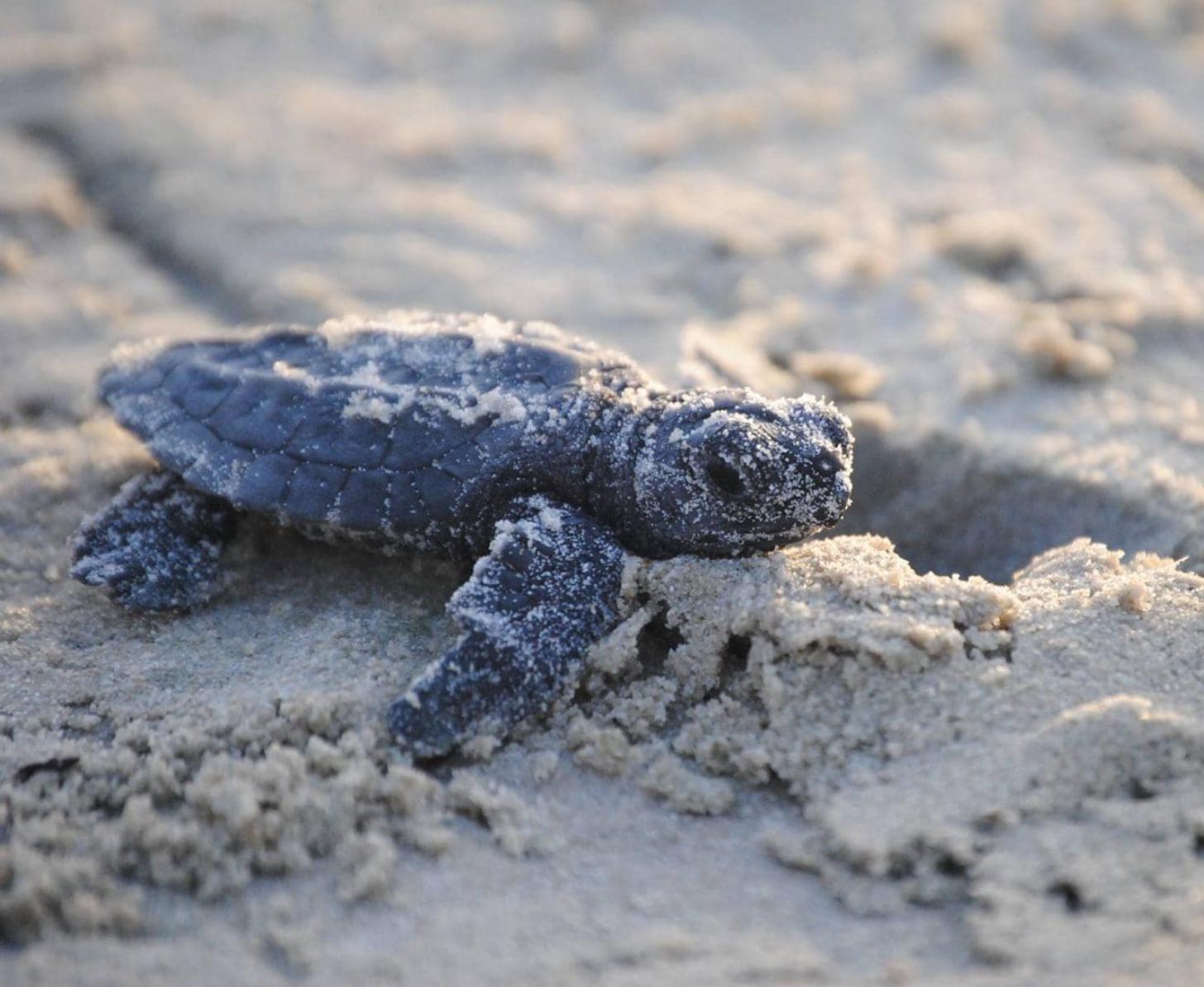
After the eggs have incubated in the sand for roughly 45-65 days, the sea turtle hatchlings use their beak to break through the shells. The hatchlings then slowly dig their way to the surface over several days and emerge together on the shore to race for the ocean.
For female sea turtles, this entire process — from mating to hatching — can happen up to 7 times in a single nesting season.
7 things to know during sea turtle nesting season
Leave the beach better than you found it
In the summer, the landscape of local beaches can change every day as people laze, play, and dig in the sand. Keep the National Park Service motto, “Leave No Trace,” in mind every time you visit a beach.
Dispose of trash, remove beach equipment, fill in holes, and yes, even knock down sandcastles. Obstacles or dramatic changes to the landscape can deter sea turtles from nesting or prevent hatchlings from reaching the water.
Know what to do if you come across a nest
Always stay at least 20 to 30 feet from nesting sea turtles and their marked nest areas. Stay quiet and eliminate any loud noises. When humans get too close, it can scare nesting mothers and cause them to abandon their eggs.
“If you see a nesting turtle or a nest, do not disturb them, and be sure to report it to local authorities so they can be properly protected and monitored,” North Carolina Aquariums advises.
Learn how to help a sea turtle in an emergency
If you see a sea turtle that appears injured, trapped, or struggling, immediately report it to local authorities or a marine conservation organization. Call 1-800-SEATURTLE or use the NOAA Fisheries Stranding Contact Page to find 24-hour hotlines for your region.
If a turtle is accidentally hooked by a fishing line, gently reel in the slack and keep it at the surface. Do not lift the turtle by the fishing line, as it can cause severe internal damage.
Do not touch or move a sea turtle
Under the Endangered Species Act, it is illegal to touch a sea turtle.
“Handling sea turtles without proper training and permits is illegal and can cause further harm to the animal,” the Loggerhead Marinelife Center cautions. “Turtles, especially those entangled in fishing gear or showing signs of illness, require professional care. Untrained handling can exacerbate their injuries or introduce infections.”
However, in extreme life-and-death circumstances, wildlife authorities may ask you to intervene on the sea turtle’s behalf. Listen to the guidance of experts when reporting an injured or distressed sea turtle.
Do not ‘help’ a sea turtle hatchling by moving it closer to the water
Although it may be difficult to see a sea turtle hatchling struggling and not intervene, crawling to the ocean is a critical step in their development — and it must be done alone.
“They must crawl into the ocean to develop essential muscle strength and correctly orient themselves,” The Loggerhead Marinelife Center explains. “This crawl is crucial for their survival, as it imprints vital cues into their memory that will guide them back to their natal beaches when it’s their turn to nest. Picking them up interrupts this process, making it harder for them to find their way back as adults.”
Where to learn about local sea turtle releases
Find sea turtle rescues, conservancies, and research stations near you by using the Love Thy Turtle location-based map. Once you find a local rescue, follow them on social media for updates on future sea turtle releases. While some releases may be private, many are advertised as community-wide events that foster opportunities for sea turtle education and conservation.
How to support sea turtles near you
In addition to donating to — or volunteering with — your local sea turtle rescue, you can take care of sea turtles in your region by taking care of your local beaches. Do your part in reducing noise and light pollution, pick up trash when you see it, and don’t release balloons — an unsuspecting sea turtle may mistake it for a snack.
You may also like: This woman refused to leave a sea turtle’s side until rescuers arrived. Thanks to her, it got a second chance at life
Header image via Padre Island National Seashore, Texas