Over the last century, the Chacabuco Valley of Chile has seen some dramatic changes.
In the early 20th century, wild grasslands became pastures and fenced farmlands, cutting through native plants and driving out imperiled species like the South Andean deer, or huemul, which was hunted to the brink of extinction.
And they weren’t exactly hard to catch.
“It is an extremely trusting animal that is not afraid of humans,” Sebastian Di Martino, conservation director at the Rewilding Argentina Foundation, once told Dialogue Earth.
While the cards were stacked against the species, Doug and Kris Tompkins of Tompkins Conservation bought up an area in the valley, setting the stage for what would become Patagonia National Park and Cerro Castillo National Park.
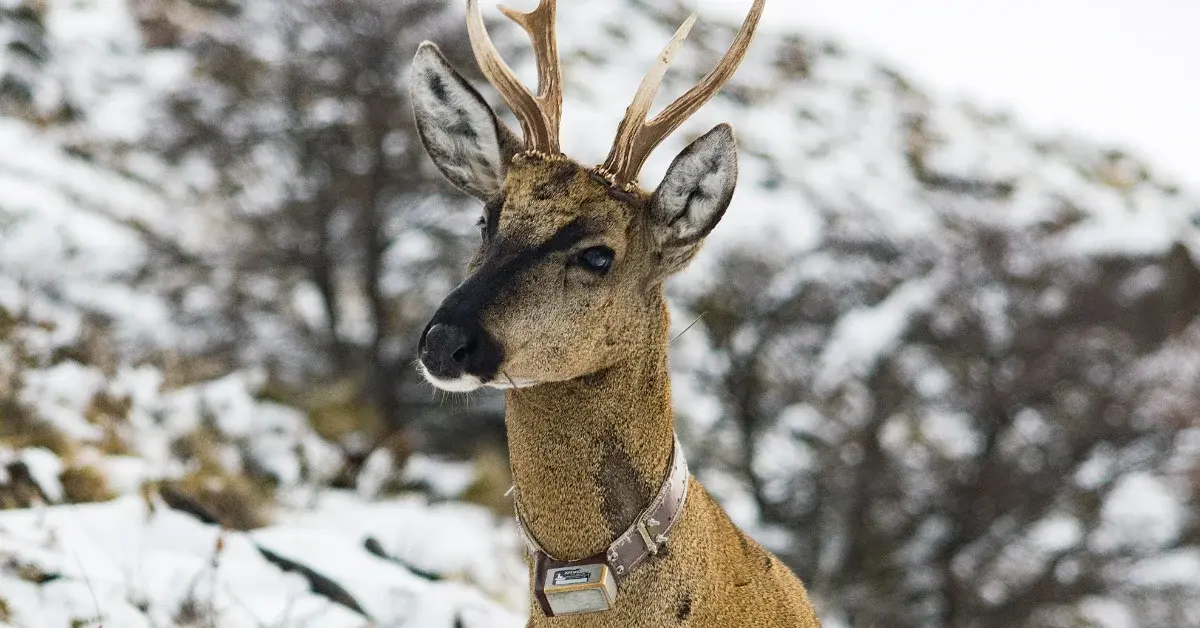
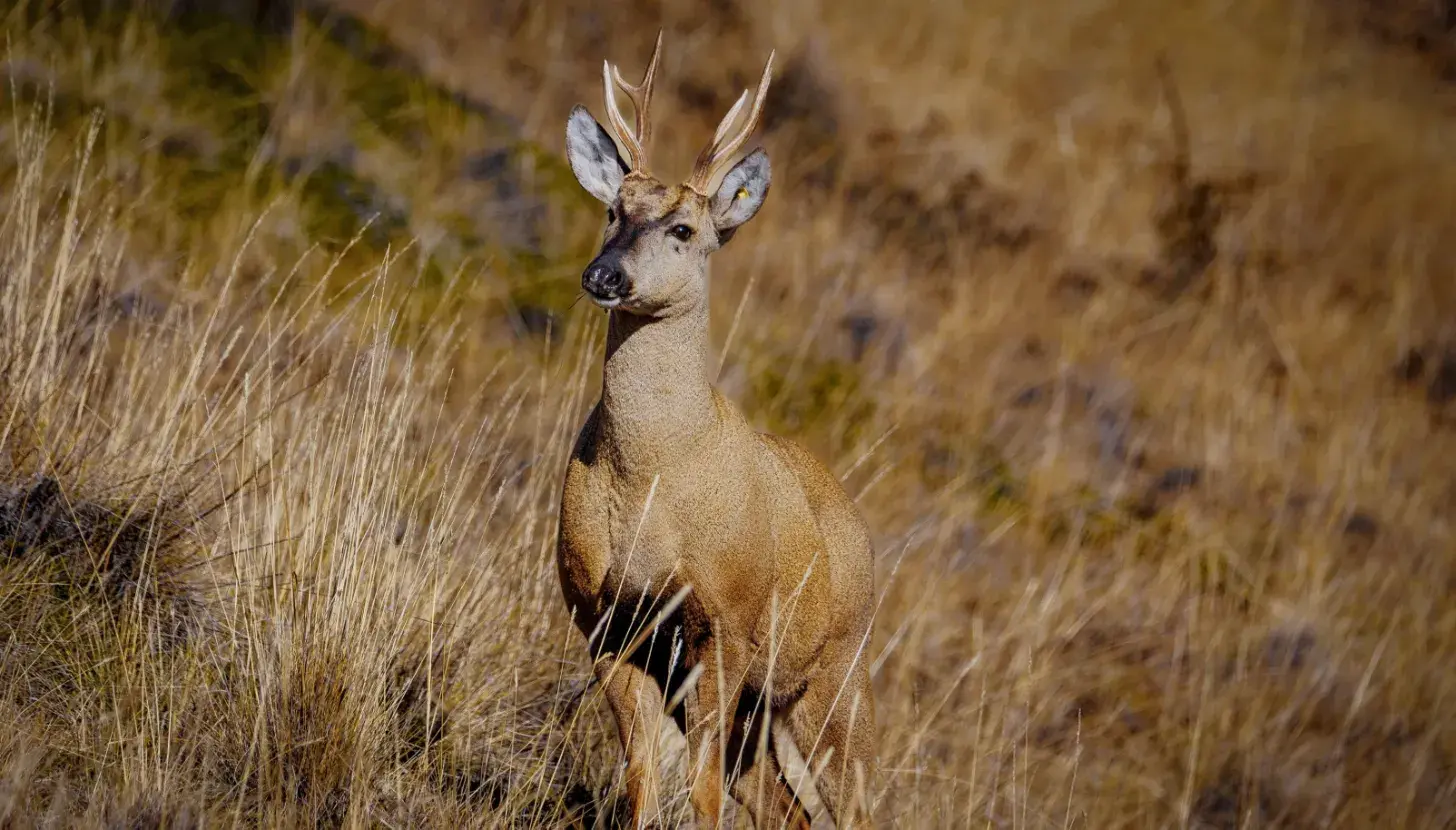
Thanks to tireless conservation work, the valley is once again home to the rare huemul deer — though it still remains one of the world’s most endangered species.
One of the threats the species faces today is the infectious bacterium Corynebacterium pseudotuberculosis. It was first diagnosed in 2015, though it likely predates this, spreading across Chile via domestic livestock.
The resulting infection, caseous lymphadenitis, is commonly called “cheesy gland.” The debilitating, and sometimes deadly, disease leads to abscesses in the lymph nodes and internal organs — and it was decimating wild huemuls who had already faced dramatic population declines.
Researchers were able to treat the disease with antibiotics, but it proved difficult to repeatedly capture and release afflicted animals.
To create a safer, and more effective, treatment plan for afflicted huemuls, Tompkins Conservation’s offshoot organization Rewilding Chile recently opened the Huemul Rescue and Rehabilitation Center, located adjacent to Cerro Castillo National Park.
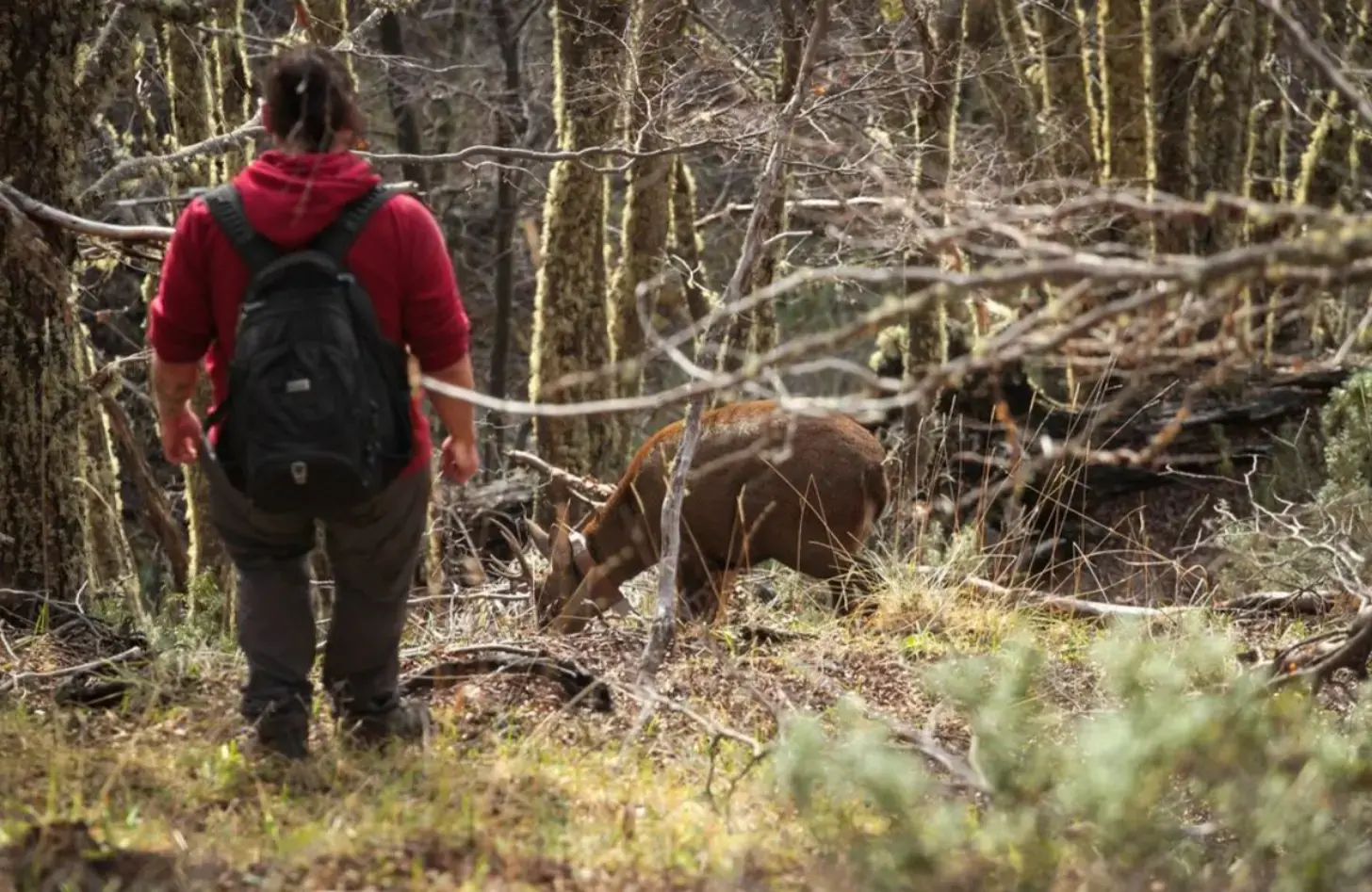
The center’s first patient is “Distraido,” a young stag who suffered from multiple large abscesses caused by the cheesy gland disease.
After a month of intensive treatment at the center, Distraido was given a clean bill of health and finally set free to rejoin his herd in the wild. To monitor his progress, wildlife rangers have continued tracking him via a high frequency transmitter.
“There’s very little knowledge of how to work with huemul deer in captivity,” Cristian Saucedo, wildlife director at Rewilding Chile, said in a press statement. “So we can actually say that the successful treatment and release of Distraido marks a before and after in huemul conservation.”
Distraido may be the first patient at the center, but he is far from the last. The center’s veterinary staff and wildlife rangers are already seeing further progress as they continue taking on new captures and transfers of sick huemuls.
“Without these interventions, the huemul deer would surely be lost to history,” said Kristine Tompkins, the president of Tompkins Conservation.
“It’s not only a symbol of Chile, but a keystone species restoring its ecosystems. By helping the huemul thrive, the work started here can reverberate for generations.”
Editor's note: An earlier version of this story inaccurately connected the huemul deer population to a proposed dam project in Patagonia. The article has been changed to remove that detail, and to clarify where the huemul deer reside. Information regarding the timeline of the Corynebacterium pseudotuberculosis outbreak has been clarified, as well.
You may also like: Funding for scientific research is at an all-time low. So conservationists turned to OnlyFans to save their marmot study
Featured Image: Fotogalilea/Wikimedia Commons (CC BY-SA 4.0)