On April 14, the National Highways Authority of India officially opened the Delhi-Dehradun Expressway, a six-lane highway connecting the national capital of India to Dehradun, near the Himalayan foothills.
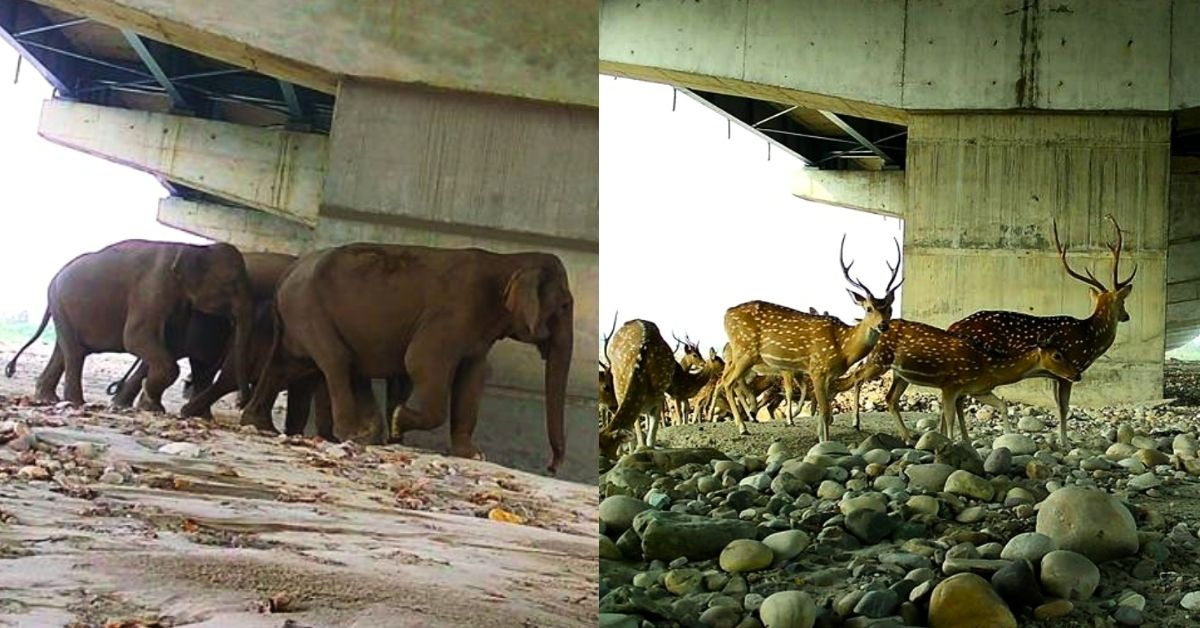
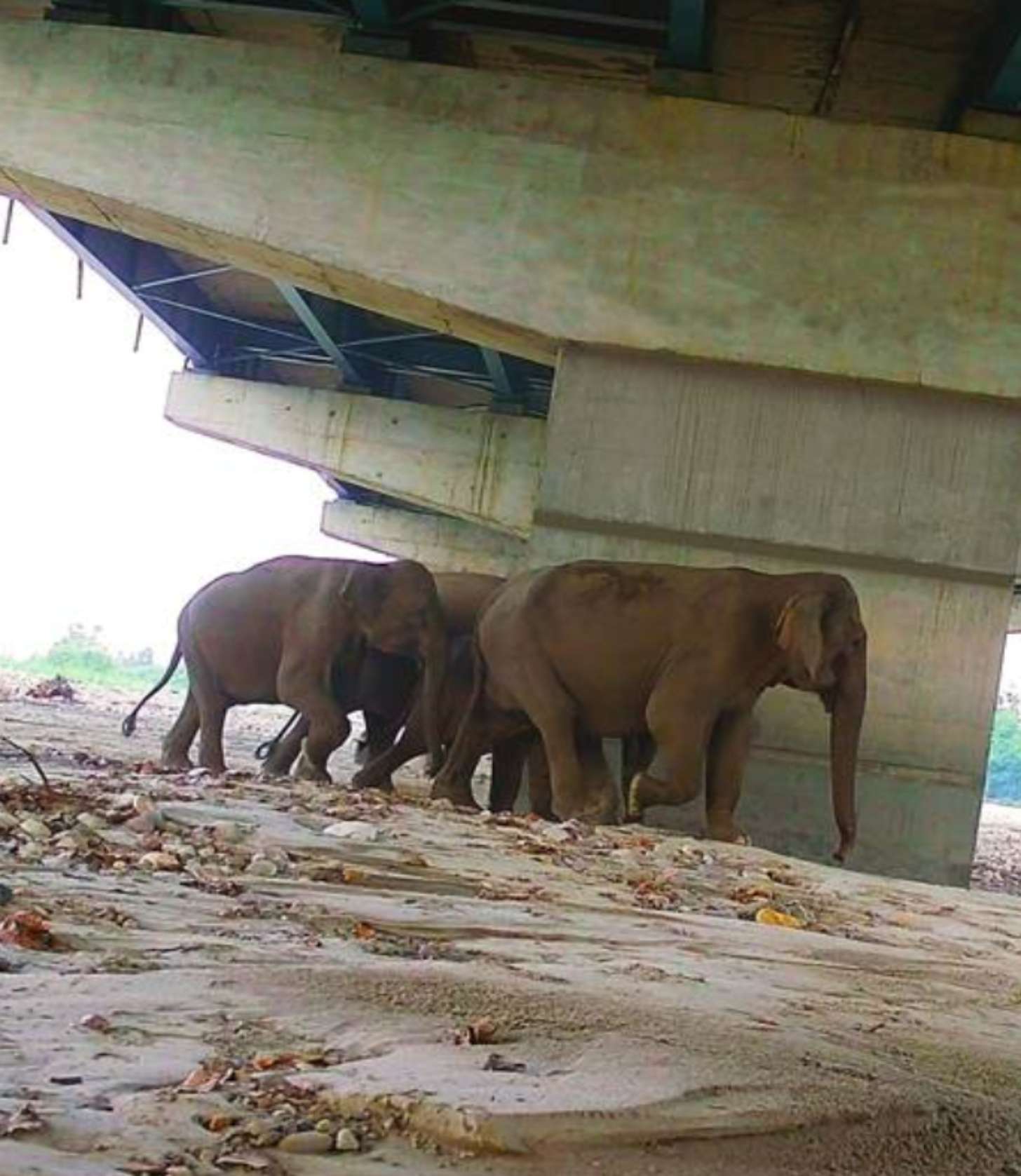
The expressway was designed so that wildlife could cross beneath it by way of a 6.8-mile corridor underneath the overpass.
“The corridor marks a significant milestone in the development of sustainable infrastructure, demonstrating that National Highway development can coexist with the preservation of ecologically sensitive areas,” the Wildlife Institute of India and the National Highways Authority of India said in a joint press release.
According to the agencies, the neighboring forest regions of Asharodi and Ganeshpur are home to some of the world’s most endangered species, including tigers, elephants, greater hornbills, and king cobras.
“The 20 kilometer-long stretch between Ganeshpur and Asharodi features a total of 10.97-kilometer long animal underpass designed specifically to facilitate unobstructed animal movement,” the agencies explained. “This engineering milestone includes one of Asia’s largest wildlife elevated corridors, standing at an average height of 6 to 7 meters to accommodate even the largest mammal.”
Although the roadway was officially completed in mid-April, local animals didn’t wait for permission to cross.
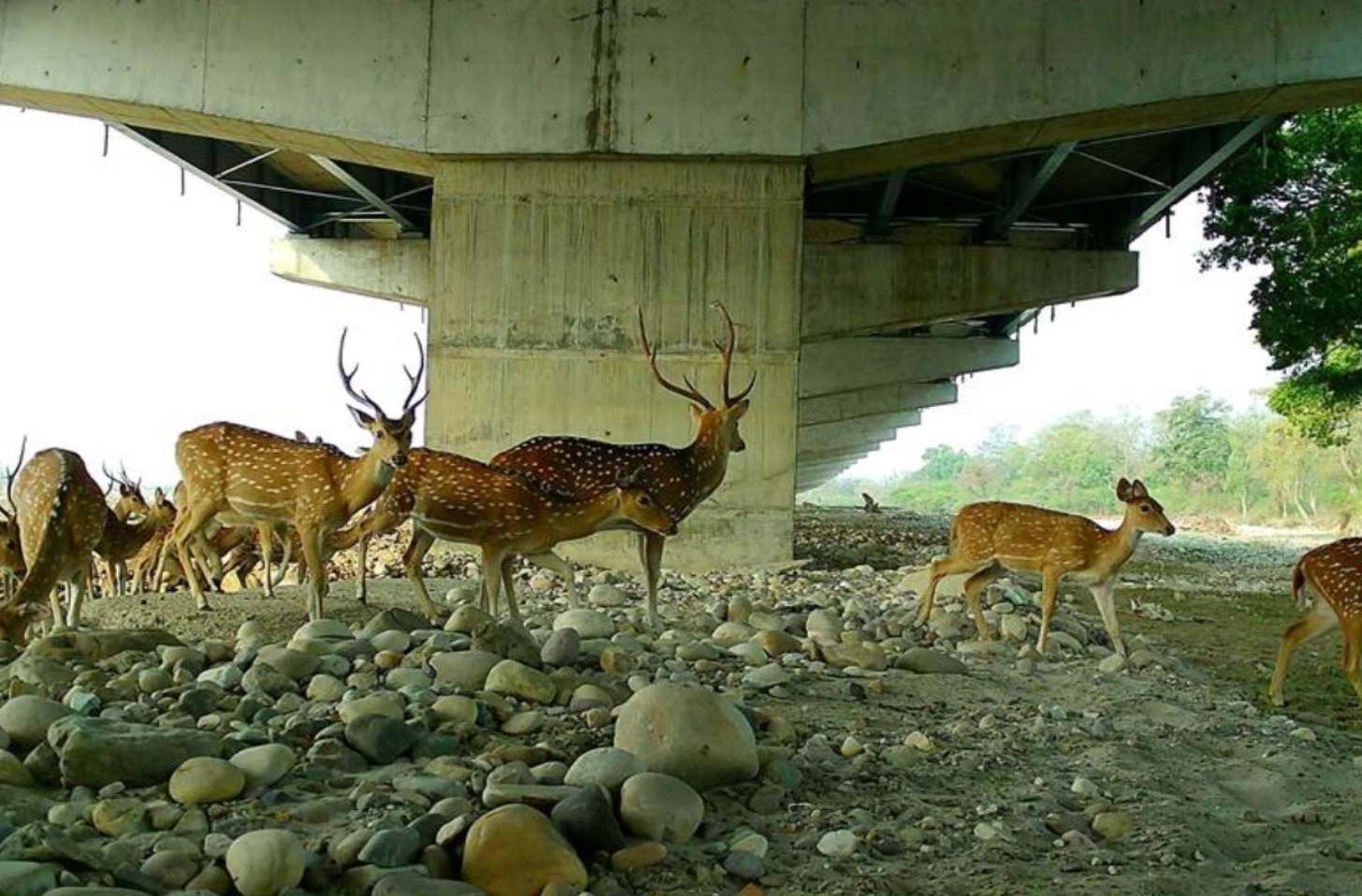
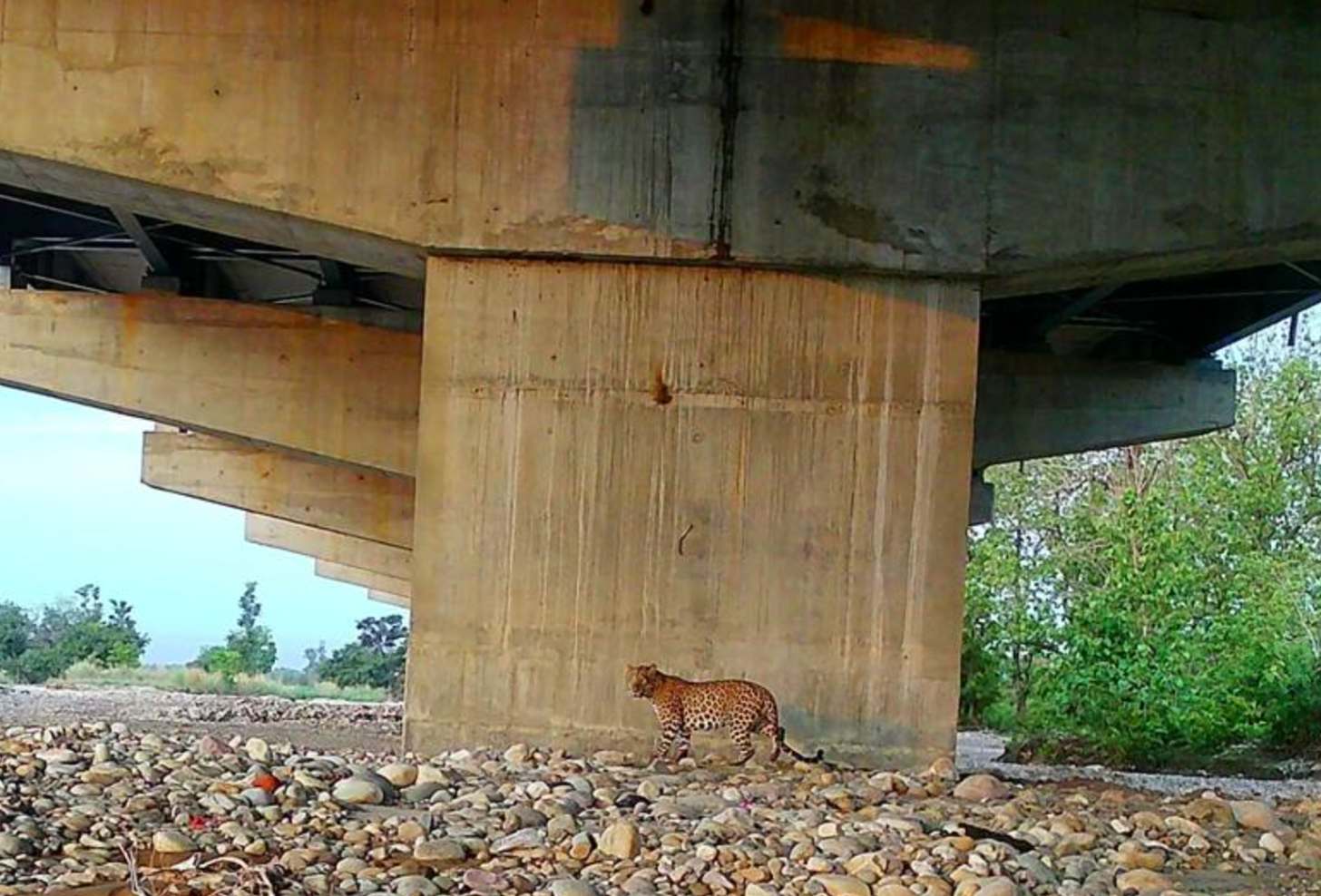
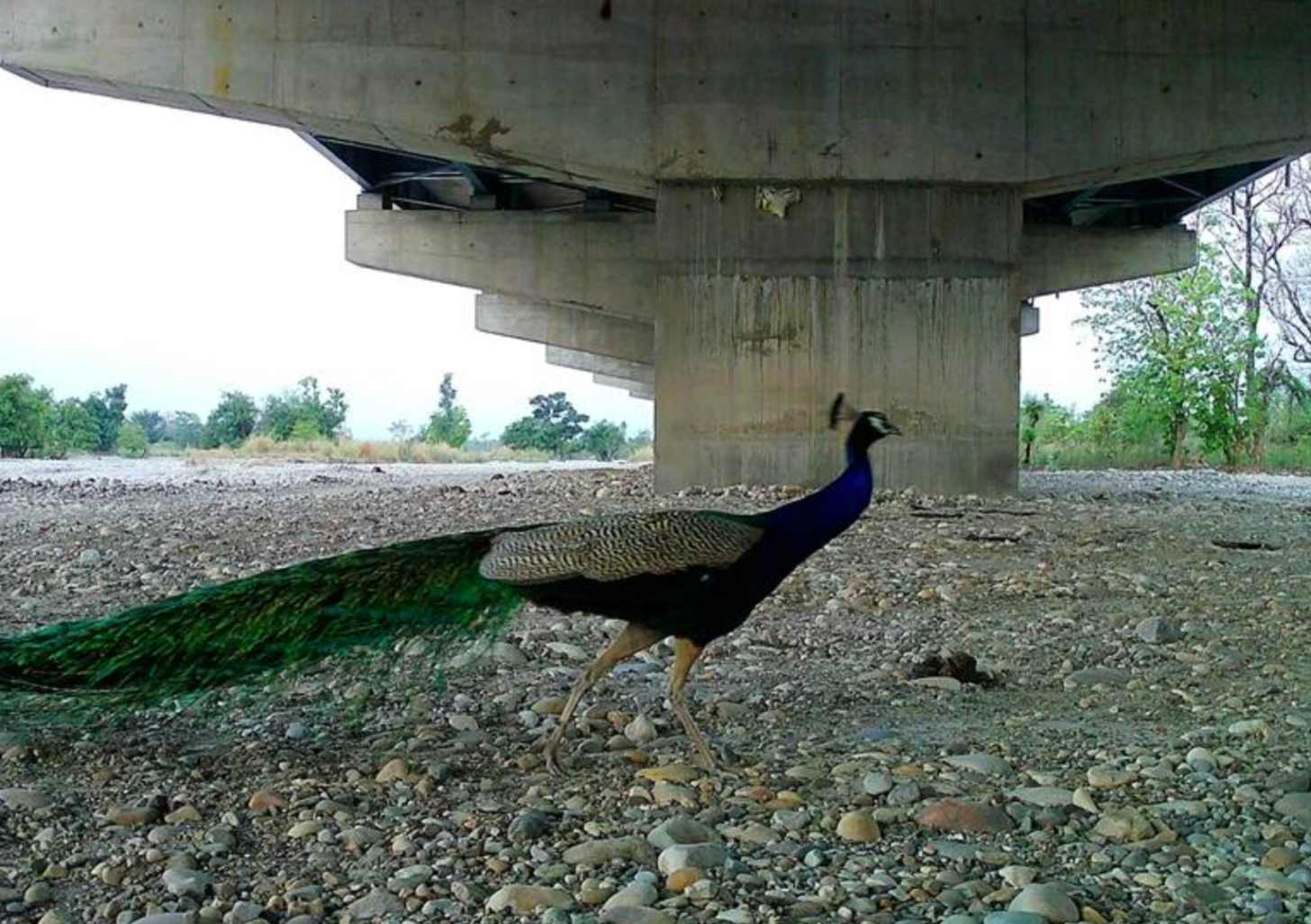
In fact, in a new study from the Wildlife Institute of India and the National Highways Authority of India on the effectiveness of wildlife corridors, researchers recorded over 40,000 images of animals using the crossing in the 40-day window before construction was completed.
“40,444 were attributed to 18 unique wild species utilising the underpass, including various carnivores, herbivores, ungulates, pheasants, and primates,” the agencies stated. “The golden jackal was the most frequently captured, followed closely by Nilgai, Sambar, and spotted deer. Smaller mammals, including the Indian hare, also showed consistent movement through the structures.”
“Notably,” they added, “the study also recorded 60 instances of the elephants safely utilising the corridors, establishing that even the largest wild animals can navigate the new infrastructure to maintain their natural migration patterns.”
India is home to approximately 22,446 wild elephants — roughly 60% of the world’s remaining Asian elephants.
Although Asian elephants are listed as endangered on the International Union for Conservation of Nature’s Red List, nonprofit groups like Wildlife SOS have achieved major conservation milestones in the region over the last decade.
Recent efforts include India’s first Humane Elephant Rescue Center, India’s first elephant hospital, and the implementation of an “elephant” ambulance custom-designed to save elephants in distress.
And now, the Delhi-Dehradun Economic Corridor is one more defense for elephants and other vulnerable species against the preventable violence of traffic collisions.
The agencies concluded their press release by stating: “NHAI remains committed to integrating environmental sustainability into National Highway development and will continue to adopt innovative mitigation strategies and measures, including data-driven approaches to balance infrastructure growth with ecological and biodiversity conservation.”
You may also like: The world’s largest wildlife overpass was specifically designed to help elk. Three finally braved the six-lane crossing
Header image Wildlife Institute of India, National Highways Authority of India