In Saltburn-by-the-Sea, England, a knitting circle has been saving animals in need for years through their favorite craft.
The “Knitting Nannas,” who are all in their seventies, eighties, and nineties, live at Hazelgrove Court Care Home.
In December 2024, the Knitting Nannas came together to make blankets for Hercules, a three-week-old rhino from South Africa that was recovering from a hyena attack over 5,000 miles away.
“I feel extremely proud that I have been part of this project,” Joyce Wooffindin, one of The Knitting Nannas, told Hillcare. “And to see Hercules wearing one of our blankets brought a tear to my eye.”

In May 2025, they made miniature sweaters for the Penguin Foundation, a penguin charity in Australia.
The sweaters went to Phillip Island, which is home to more than 40,000 penguins. In the event of an oil spill, the “rehabilitation jumpers” are placed on affected penguins until their feathers can be cleaned by wildlife experts. The short window in between can prove critical.
“I have knitted jumpers for both my children,” Joyce Baxtrem, 94, laughed, “but have never knit for a penguin.”
.jpg)
In December 2025, they made woollen toys and blankets for monkeys at the International Primate Rescue in South Africa just in time for Christmas.
“One of our residents, Judith, said she had heard monkeys like to play with toys just like children,” said Sharon Lewis, the activities coordinator at Hazelgrove Court Care Home. “Apparently, they are called enrichment toys. So we thought it would make a great next project for the Knitting Nannas.”
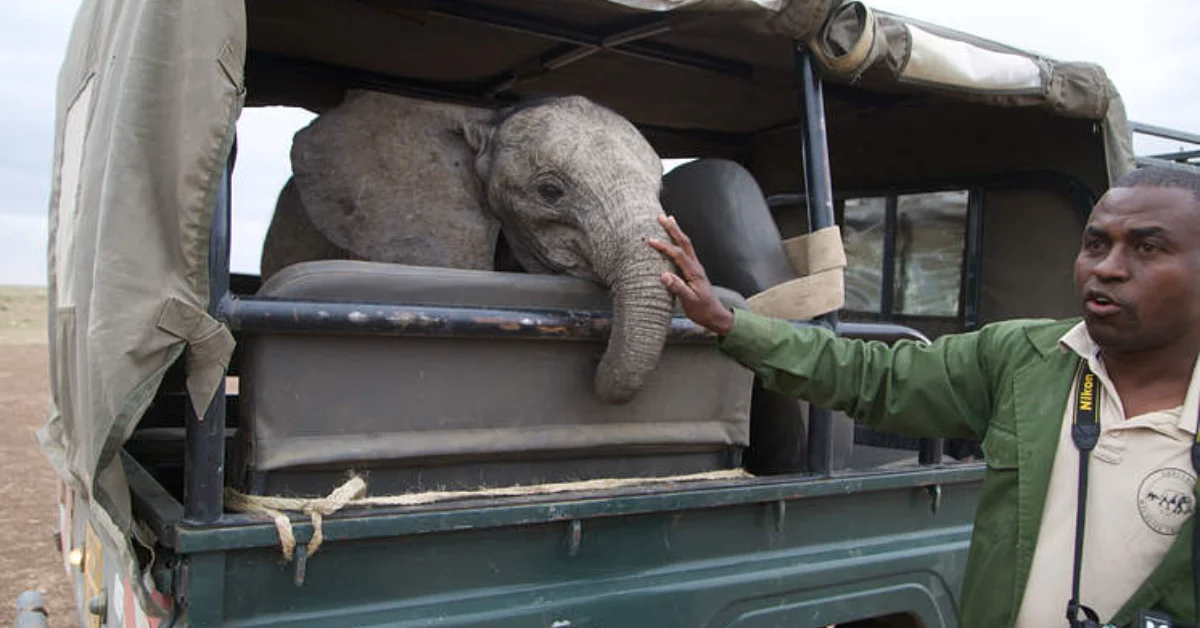
The next nonprofit on the docket was Wildlife SOS, an organization that cares for endangered and vulnerable species across South Asia. In addition to reuniting leopards with their cubs and rescuing “dancing” bears from inhumane practices, the nonprofit is also dedicated to saving elephants.
“Currently, we have a big focus on saving India’s elephants,” Nikki Sharp, the executive director of Wildlife SOS-USA, told Good Good Good recently.
“That includes efforts to protect elephants in the wild and to rescue all of India’s captive begging elephants,” she added, in reference to the outdated and cruel practice of forcing elephants to perform street tricks for money.
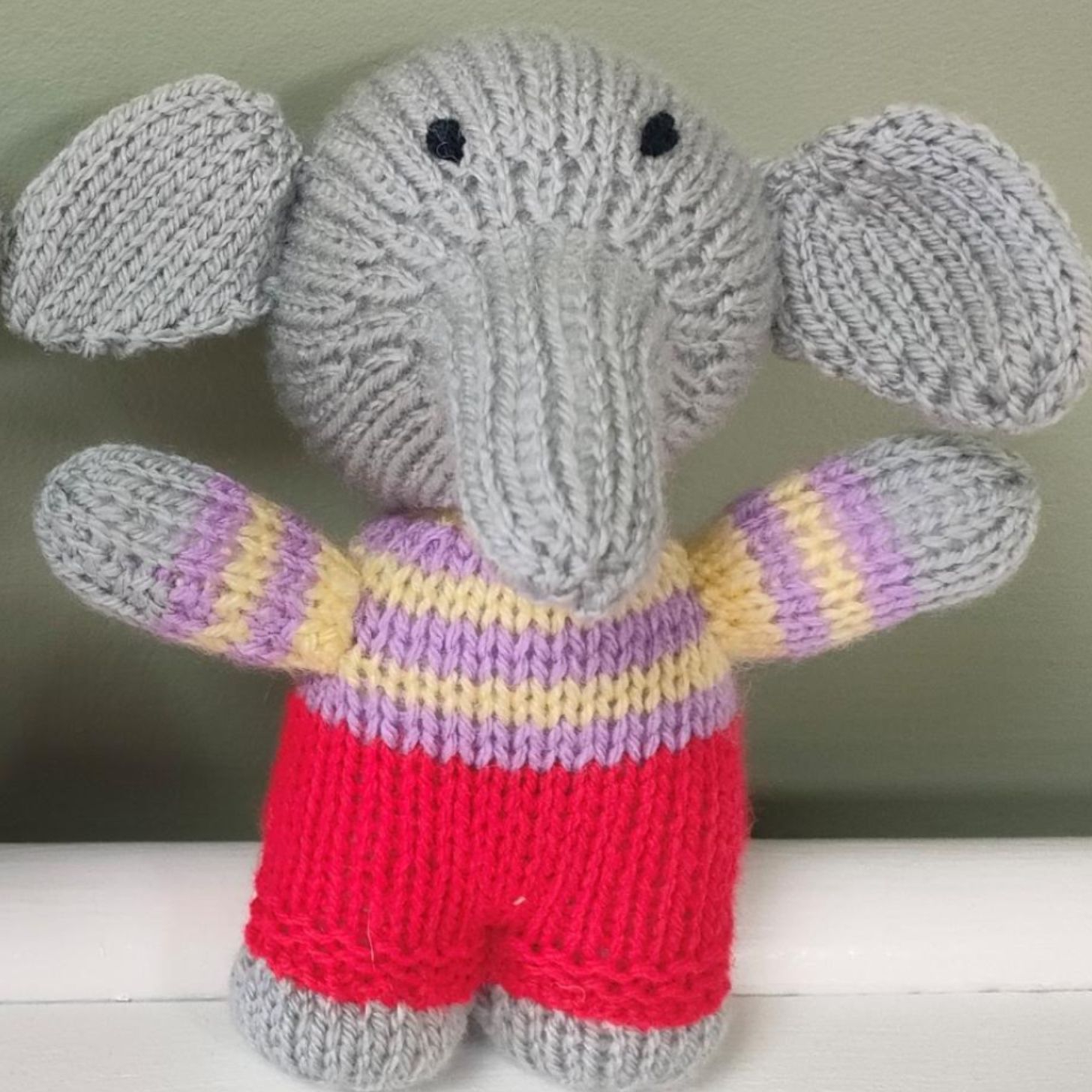
When the Knitting Nannas learned about Wildlife SOS’s mission to save begging elephants, they leapt at the opportunity to help. They began knitting countless handmade woollen elephant plushies, with all proceeds going to Wildlife SOS.
“The knitted elephants have been flying out,” Lewis said. “They sell straight away, and the residents are already busy making more.”
In the last decade and a half, Wildlife SOS has achieved major conservation milestones, including building India’s first Humane Elephant Rescue Center, opening India’s first elephant hospital, and even creating an “elephant” ambulance custom-designed to save elephants in distress.
On April 16, Save the Elephant Day, Hazelgrove Court Care Home residents joined a web call with Wildlife SOS to learn more about the cause from boots-on-the-ground experts.
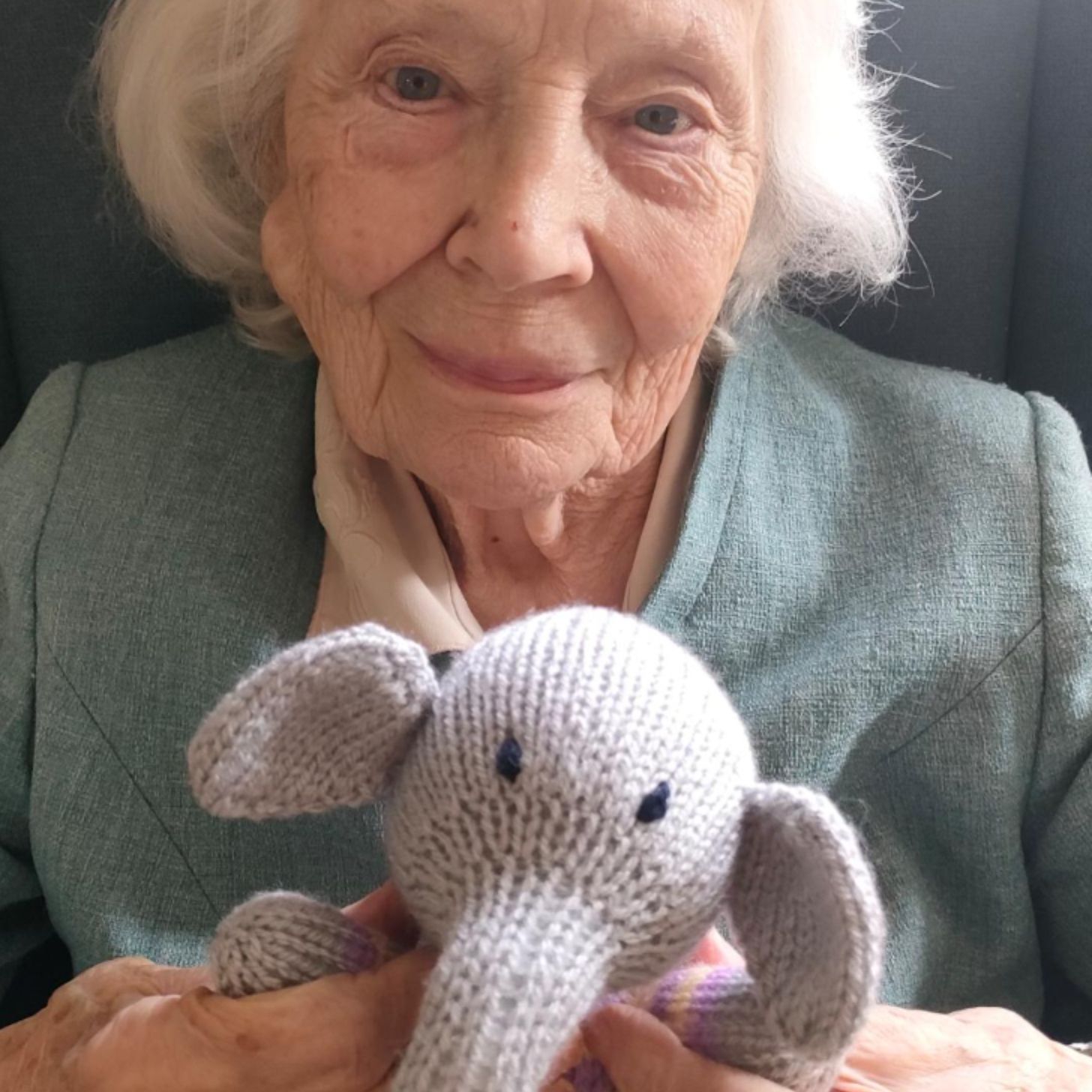
“It was wonderful to be invited to the webinar and see the amazing work the rescuers are doing,” 77-year-old resident Peter Rayson said.
“Elephants are my favorite animal, and it is heartbreaking to think people will take them from the wild and make them beg, breaking their spirit,” said 75-year-old Knitting Nana Tina Parker.
Wildlife SOS is thankful for the support.

“The entire team and I are sincerely touched by the creativity, thoughtfulness, and generosity of the residents of Hazelgrove Court Care Home,” said Linda Whiteley, Wildlife SOS’s U.K. manager.
“Knowing that they care so deeply about the once-captive elephants in our care highlights the global appreciation for these endangered keystone animals.”
Lewis acknowledged how special this experience has been for the senior residents, as well.
“The Knitting Nannas love knowing that something they have made with their own hands is helping animals on the other side of the world,” Lewis said. “It gives them a huge sense of achievement and has sparked lots of conversations with families and visitors about wildlife and conservation.”
You may also like: When leopard cubs get separated from their mother, these wildlife experts step in with 'overnight boxes.' They've saved over 100 cubs
Header image via Marian78ro (CC BY-SA 4.0)