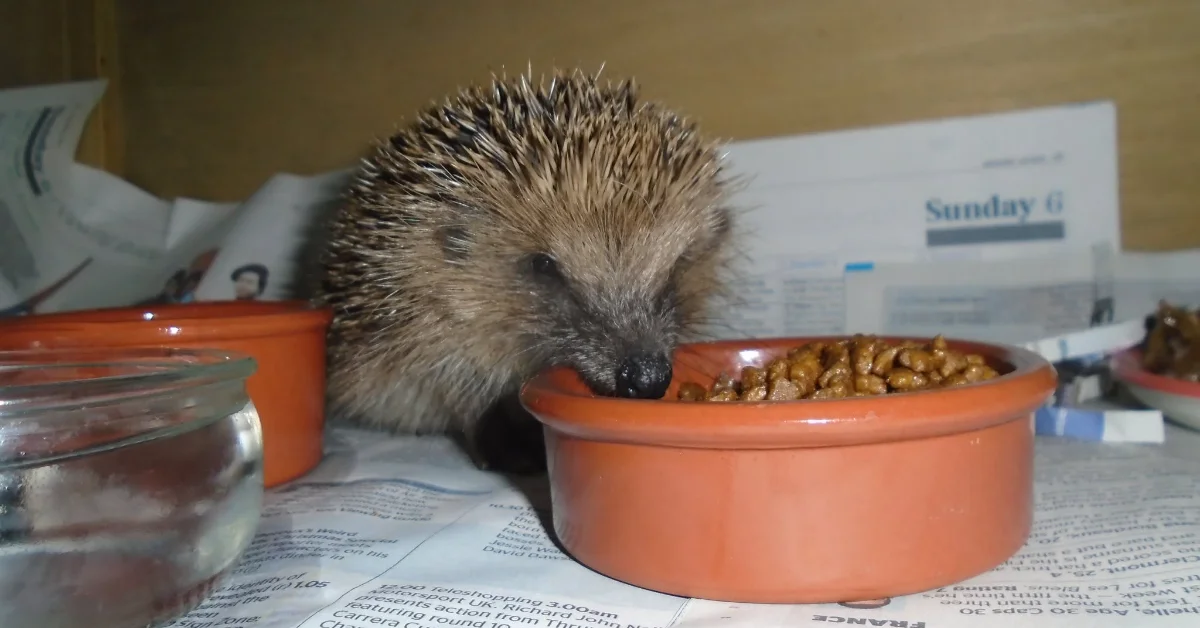
Incarcerated individuals at La Moye Prison in Jersey, United Kingdom have been hard at work helping some of the smallest members of the community.
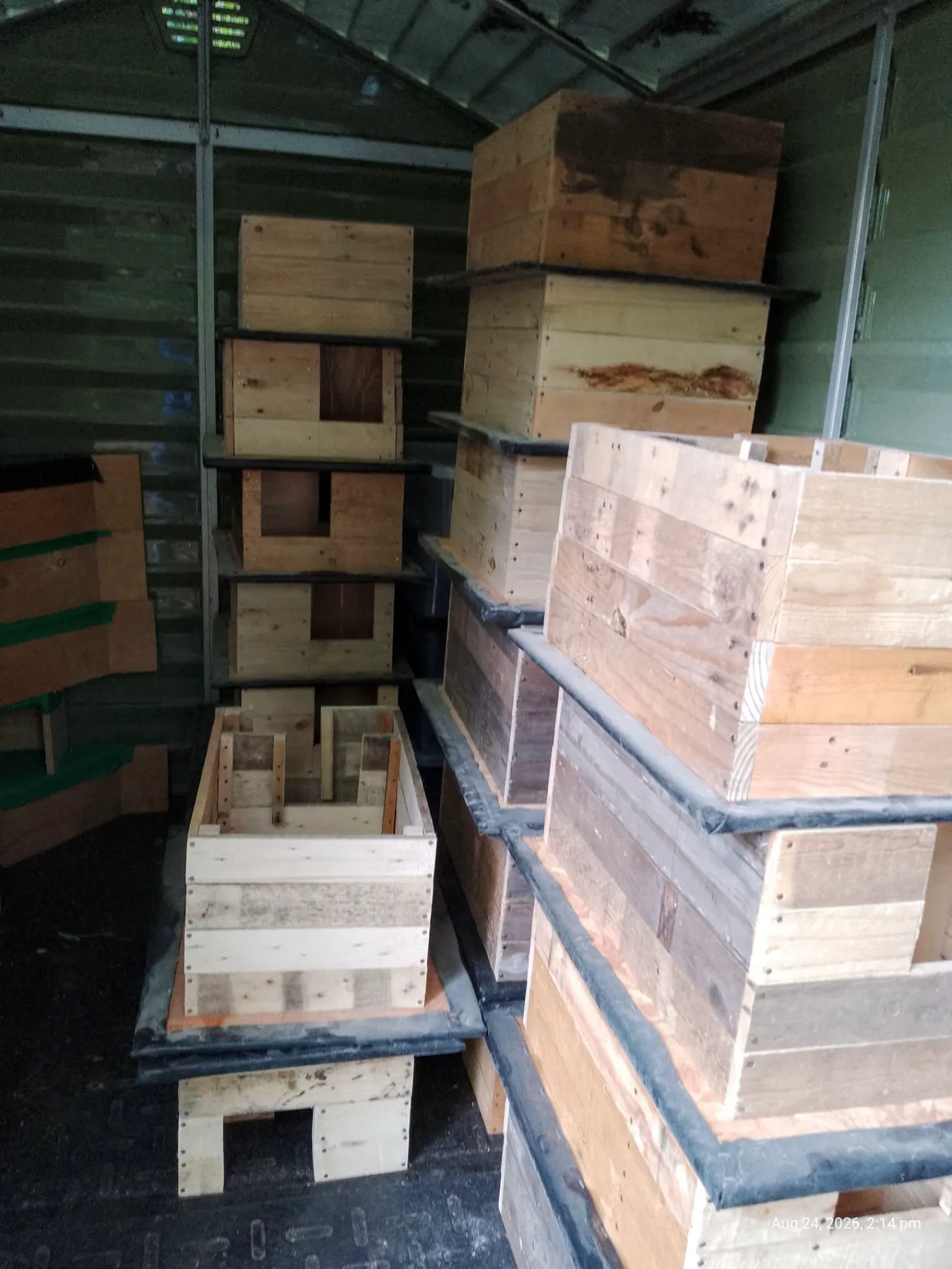
Inmates have given Jersey Hedgehog Preservation Group 20 feeding and nesting boxes made out of reclaimed pallet timber. It’s part of a vocational skills training program at the prison, which says it’s committed to “reducing reoffending and ensuring prisoners’ time at La Moye is used constructively,” the Jersey Prison Service writes on its website.
In addition to carpentry classes that led to this project, there are a variety of other educational courses, vocational qualification courses, gym and sport sessions, physical education courses, and group therapy work offered to inmates at the facility, the website continued.
According to the website, all prisoners meet with a member of the facility’s education department within two weeks of being incarcerated. In this time, individuals are asked about their education and work background, take literacy and numeracy tests, and are supported to find courses at the right level.
“For some, the project provides a valuable introduction to skills that could lead to recognized qualifications and careers in the construction industry,” Peter Gould, the prison’s vocational manager, told the BBC about the carpentry project.
He added that classes like this give inmates a “sense of purpose, achievement, and connection to the community,” which is “incredibly valuable.”
Those involved in the project are taught health and safety standards, as well as introductory knowledge of machinery and equipment. They have also worked on other community-oriented projects like refurbishing bikes for donation, restoring memorial benches, growing plants and vegetables for charity, and helping to create other wildlife habitats.
Their work is especially impactful for those working to protect area wildlife.
“If it helps with carpentry skills training, so much the better,” Dru Burdon from Jersey Hedgehog Preservation Group told the BBC. “These boxes are certainly saving hedgehogs' lives.”
Hedgehogs, native to the U.K., are often vulnerable to road traffic and garden hazards like lawnmowers or poisonous gardening products. The Jersey preservation group has extensive resources on how to practice hedgehog-safe gardening.
Giving them grass cuttings or dry leaves to make a winter nest is one option, but creating a “hedgehog box” out of wood is especially helpful to keep the spiky critters safe.
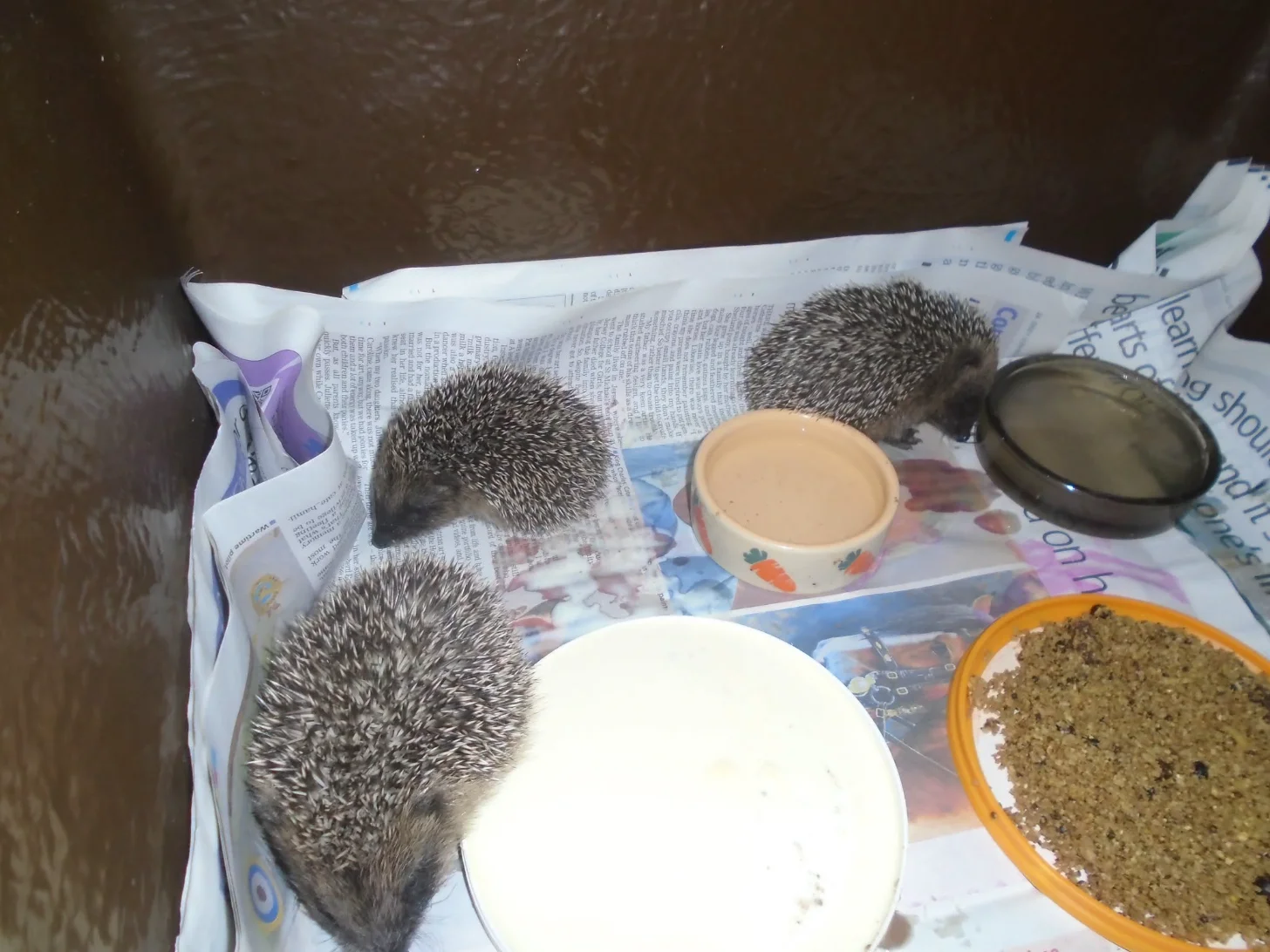
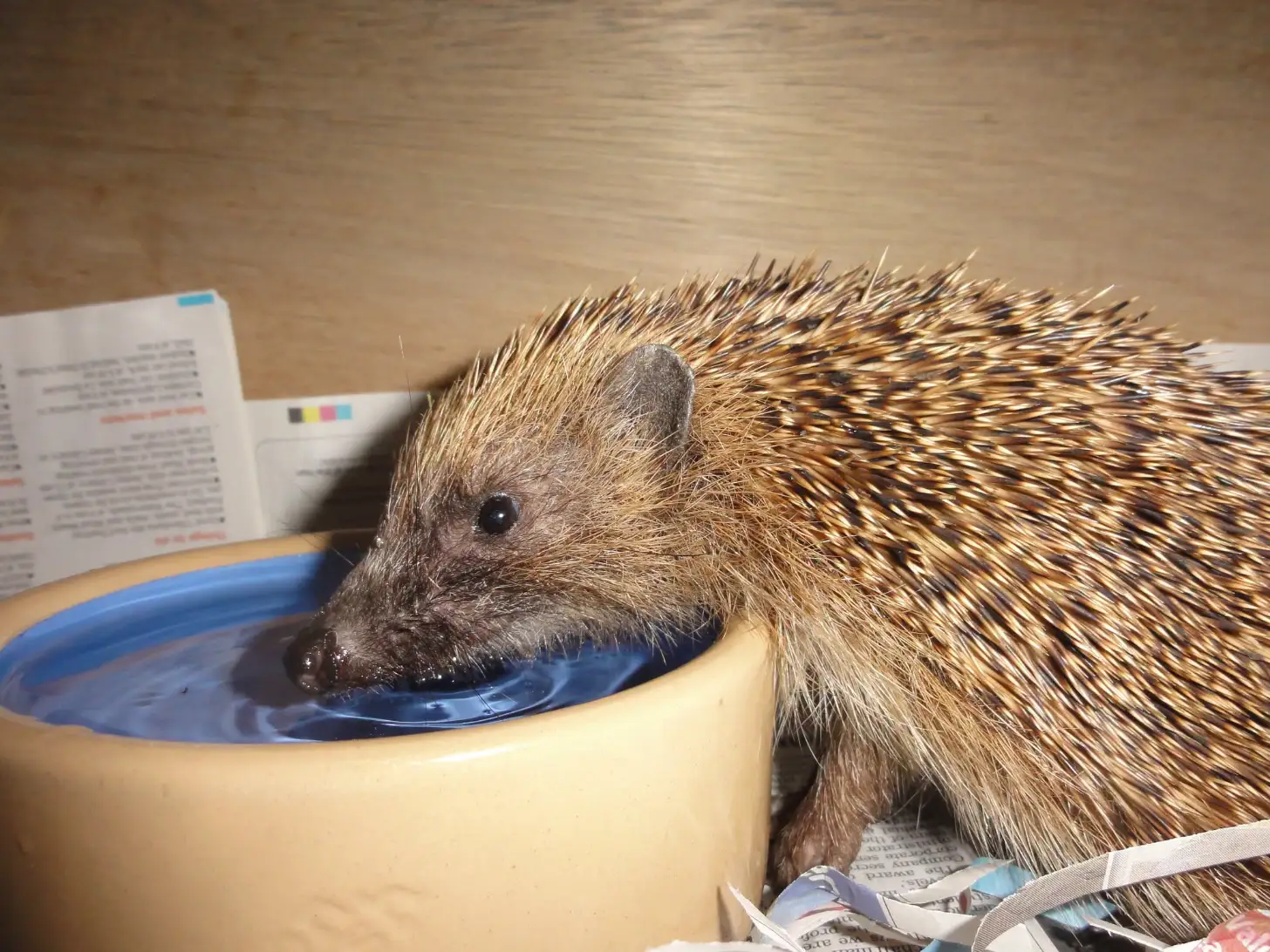
The boxes don’t have floors, so the hedgehogs are able to burrow in the soil and make a natural nest, while being protected up top. People can also line the boxes with newspapers and set out hedgehog-safe food and water.
The project with La Moye stemmed from a chance encounter, Burdon told the BBC, when she ran into a prison officer at the vet.
“He found a little hedgehog in need of care, and we got talking,” she said. “So the upshot was that I gave them the templates for both nesting and feeding boxes.”
The charity then sells the boxes to locals who are looking to keep local wildlife safe in their gardens and yards. Of the 20 that the prisoners made, all had sold out.
“The response from the public and our members has been terrific,” Burdon concluded.
You may also like: British neighbors are cutting holes in their backyard fences to create a 'hedgehog highway'
Featured Image: Jersey Hedgehog Preservation Group/Facebook