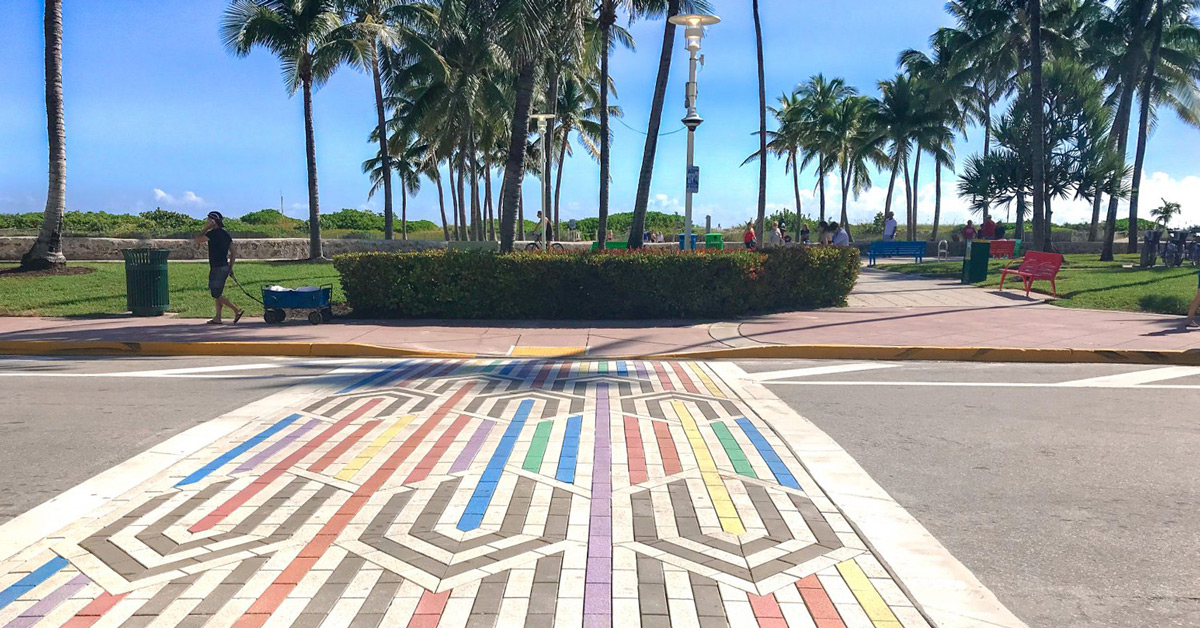
Last August, Florida Governor Ron DeSantis ordered the removal of about 400 “non-standard” pieces of street art — most of them rainbow, Pride-themed crosswalks and murals — even though they all had received state approval at the time they were installed.
He was following the directive of United States Transportation Secretary Sean Duffy, who issued a memo to governors in July 2025, urging them to “improve mobility and safety on roadways.”
The new policy in Florida came to an inflection point when the DeSantis administration painted over a rainbow-colored crosswalk outside of what used to be Orlando’s Pulse nightclub, where 49 people were killed in a 2016 shooting.
In response, community members repainted the tribute themselves. Many other cities have attempted to stand their ground and resist the removal of rainbow crosswalks from a legal standpoint, but with threats of removing state funding, most municipalities have ultimately complied.
Though most original Pride crosswalks have been removed, cities and businesses have gotten creative, installing rainbow bike racks, moving rainbow crosswalks to sidewalks, painting private parking lots with LGBTQ+-friendly murals, and even displaying rainbow laser beams in the night sky.
Miami Beach has now joined the list of creative resisters.
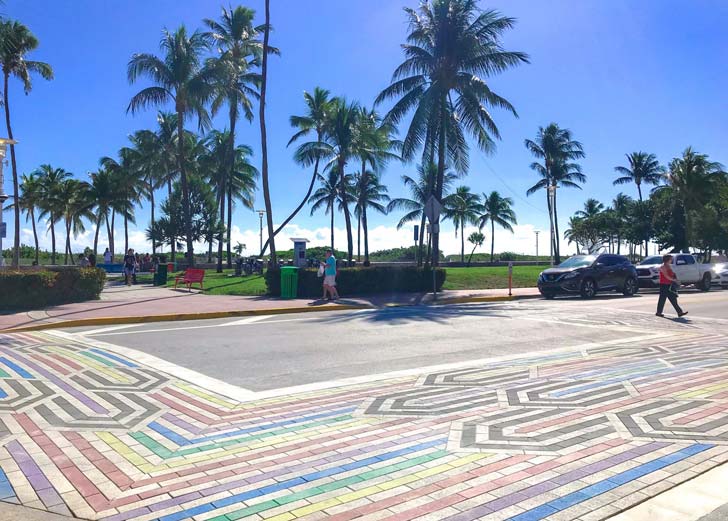
Five months after their original Pride crosswalk was ripped up by Florida Department of Transportation crews, a new version will be rebuilt in Lummus Park, near the original location on Ocean Drive and 12th Street.
The display is made up of 3,606 colorful pavers, designed by Savino Miller Design Studio, which will be placed brick-by-brick in the park, followed by an unveiling later this week.
“Ripping out a crosswalk that was emblematic of Miami Beach’s embrace of our LGBTQ+ residents and visitors, at what was literally the safest intersection of Ocean Drive, was a real slap in the face to our residents and visitors,” Commissioner Tanya Katzoff Bhatt said in a statement.
“It’s so important and gratifying to be able to rise above the manufactured culture wars to build something lasting, recognizing the struggle and celebrating the love that this new installation represents.”
The new park display is meant to be a permanent installation. In February, the Miami Beach city commission allocated up to $120,000 from the city’s 2025 year-end surplus to design and install the replica crosswalk in the park.

Local 10 News reported that the project is expected to cost about $100,000 and will use both the original pavers, along with new ones, to create the new rainbow sidewalk.
The city commission has also approved a plaque explaining the history of the display, and Commissioner Joe Magazine has pledged to donate benches to the park.
The reinstallation and unveiling will coincide with the city’s 18th annual Miami Beach Pride celebration in early April, which will also include a Pride flag-raising ceremony at City Hall and an annual Pride Parade along Ocean Drive, where the crosswalk once was.
“When the State forcibly removed this crosswalk, it was our straight allies on the Miami Beach City Commission who ensured our gay community would not be pushed into the shadows,” Commissioner Alex J. Fernandez, the only openly gay member of the city commission, said in a statement.
“I am deeply grateful to my straight colleagues for their leadership in upholding the uncompromising values of love, compassion, and equality. It is a powerful reminder that our allies will help us overcome this moment.”
You may also like: Florida banned Pride crosswalks, so a local chef filled her restaurant's parking lot with rainbows instead
Photo courtesy of Savino Miller Design Studio