Seventy miles east of Nassau lies Eleuthera — a skinny, 110-mile-long island that bears an uncanny resemblance to a seahorse when viewed from above.
It’s a fitting shape for the isle, which is now home to the world’s first seahorse national park at Sweetings Pond & Hatchet Bay Caves.
The new park spans 548 acres and protects Sweetings Pond, a landlocked saltwater pond teeming with marine life, and Hatchet Bay Cave, one of the longest dry cave systems in The Bahamas.
“Sweetings Pond is home to the largest known concentration of seahorses in the world and stands as one of the island’s most extraordinary natural treasures,” said The Cove Eleuthera — a local resort that offers guided tours of the pond.
“As we share its magic, we are equally committed to protecting this rare and fragile ecosystem for future generations.”
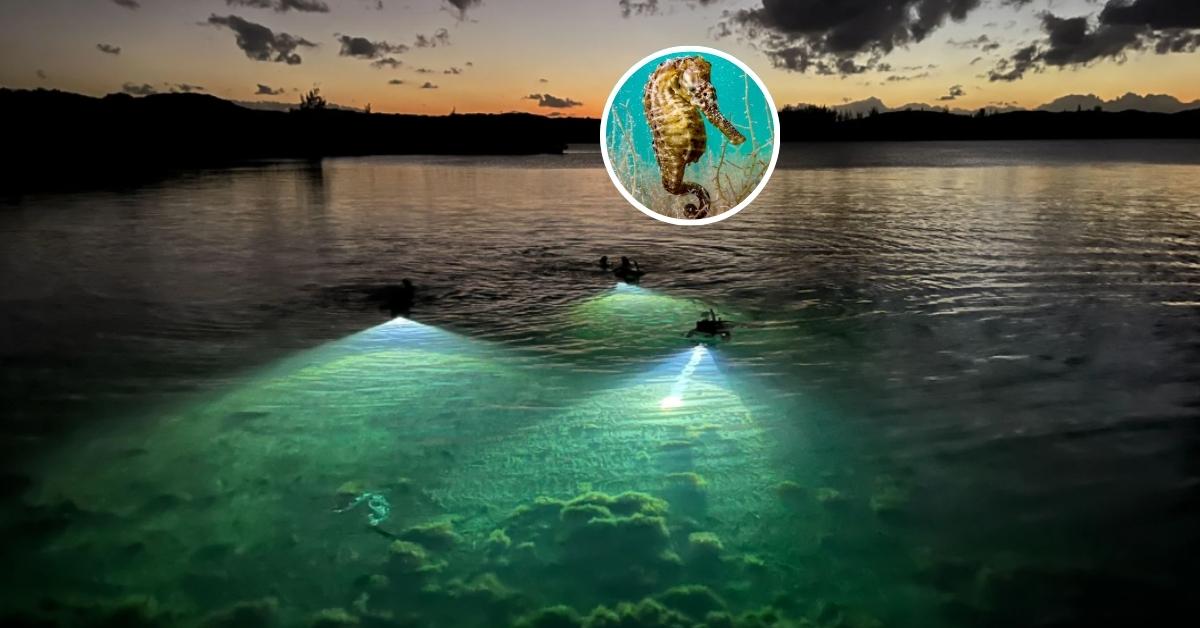
Through swimming excursions approved through the Bahamas National Trust, Heather Mason teaches guests about the importance of seahorse conservation as they swim in a bioluminescent lagoon.
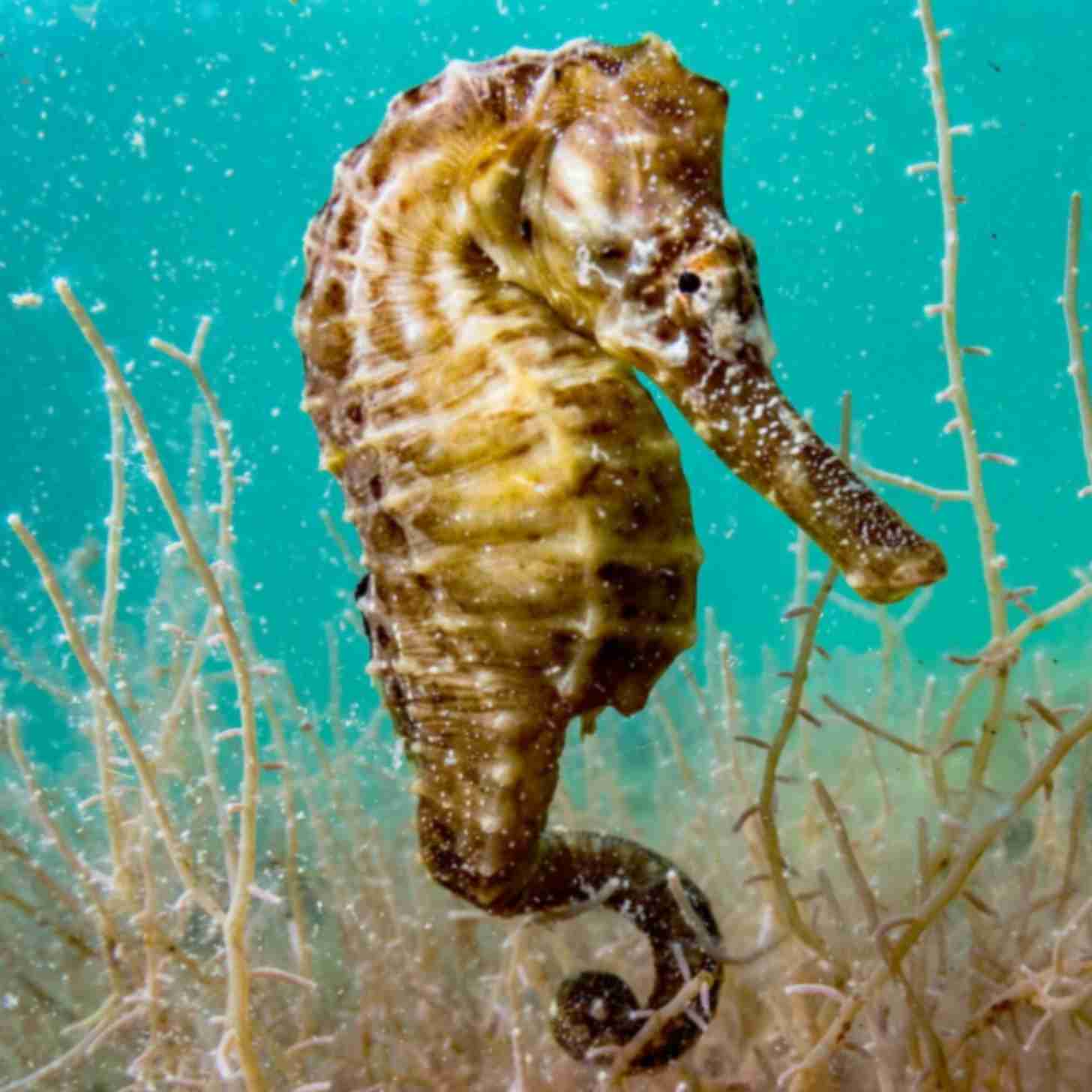
“Most of the time, you’re going to see just a tiny little piece of the seahorse,” the marine ecologist told AFAR. “You typically look around for tails wrapped around things or sometimes noses. They can change their color to match their background — they are masters of camouflage.”
In June 2026, the lagoon will be open to the public for the first time.
“During this four-day excursion, guests of The Cove will snorkel through serene, protected waters to observe one of nature’s most captivating creatures up close,” The Cove Eleuthera said in a statement.
“Learn about ongoing conservation efforts to preserve this fragile habitat while enjoying guided excursions, educational talks, and the natural beauty of Eleuthera.”
Lined seahorses — which can be found across the Western Atlantic Ocean from Nova Scotia down to Uruguay — are designated as a “vulnerable” species on the International Union for Conservation of Nature Red List of Threatened Species.
Due to their small size and slow movement, seahorses face multiple threats from human disturbances like pollution, construction, trawling, and coastal development. Their unique features and endearing appearance also leave them vulnerable to capture for illegal aquarium trade.
The national park came after more than a decade of research and advocacy from Mason and partners at the Bahamas National Trust.
“I think the fact we are now dedicating this area to a national park is so much in the spirit of what Eleuthera offers, in terms of all that nature brings,” philanthropist Oscar Tang said when the park was first announced. “It’s just wonderful to have this natural gift.”
In an article for AFAR, travel writer Vanita Salisbury described her experience doing an “after-sunset snorkel” with Mason’s research team.
“Everywhere my beam lands, seahorses sit perched upright like tiny sentinels, inch along stems, and sway in slow motion to music only they can hear,” Salisbury wrote.
“And it’s not just them who come alive,” she pointed out. “Maybe darkness emboldens would-be prey, but nighttime turns the pond into an underwater disco: octopuses shuffle between hiding places; crabs scuttle, abandoning meals mid-bite; and bioluminescence glows like submerged stars, reducing grown women to awestruck children — me included.”
You may also like: This 'no-walls, no-doors' rainforest resort in Bali doubles as a firefly conservatory and nursery
Header image via The Cove