Legislation to strengthen protections for reproductive and transgender healthcare providers and patients is poised for Gov. Mikie Sherrill’s approval following party-line votes by New Jersey lawmakers Tuesday.
The state Assembly approved the Democratic-sponsored measure to create a new crime of interfering with reproductive healthcare, which under the bill includes care for people who are transgender, by a vote of 55 to 23. The Senate also approved minor changes made by the Assembly by 25 to 15.
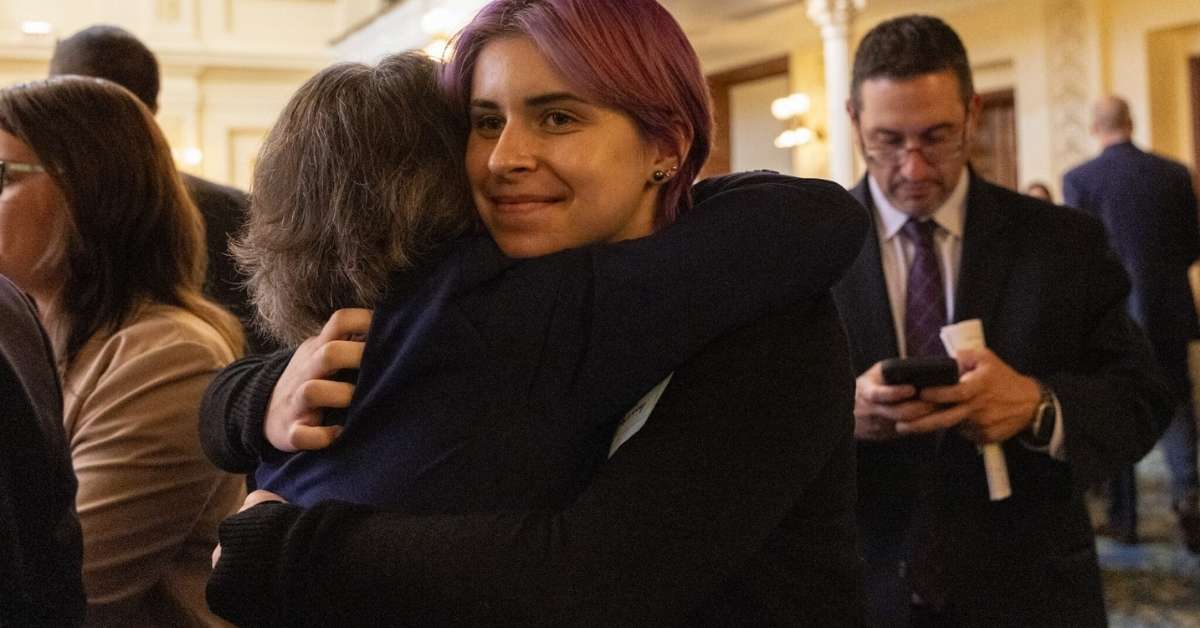
Jennifer Williams, a city council member in Trenton who is transgender, said she “could not be happier” with the outcome, given the years of advocacy by LGBTQ+ supporters.
“New Jersey is a great, liberty-loving state that will remain a safe haven for those who only want to live happy, productive lives while accessing medically necessary and proven medical care,” Williams told the New Jersey Monitor after the vote.
Supporters have said the protections are necessary as the Trump administration seeks to reduce access to abortion and care for gender dysphoria diagnoses, particularly among children. The administration has supported rollbacks to abortion access and has sought to withhold healthcare funding from hospitals that provide treatments to trans kids.
The measure first passed the Senate in late May — also along party lines — following multiple hearings that featured passionate testimony from parents whose transgender children have struggled to get care. Many said they have been told by doctors that treatment their kids were receiving would be terminated because of political pressure on their hospital systems.
“Healthcare decisions belong to patients and their providers,” bill sponsor Assemblywoman Shanique Speight (D-Essex) said in a statement.
Speight said every patient should have access to care without “fear, delay, or intimidation.”
Opponents of the bill said it could curb free speech and limit what anti-abortion advocates call “sidewalk counseling” of patients visiting reproductive healthcare facilities (a provision of the bill that some critics said could lead to criminal charges against journalists was removed in recent weeks). Republicans echoed those concerns and withheld their support.
Assemblyman Brian Rumpf (R-Ocean) claimed New Jersey was “turning the Constitution on its head” to address what he called the “highly inflammatory” issue of healthcare for people who are transgender.
Assemblywoman Dawn Fantasia (R-Sussex) said she supports access to healthcare for adults who are transgender, but worries the legislation does not do enough to protect children from getting treatments they may regret later in life.
“The bill does not differentiate between children and adults. That’s highly problematic. Adults can make adult decisions. Children — that’s different,” Fantasia said.
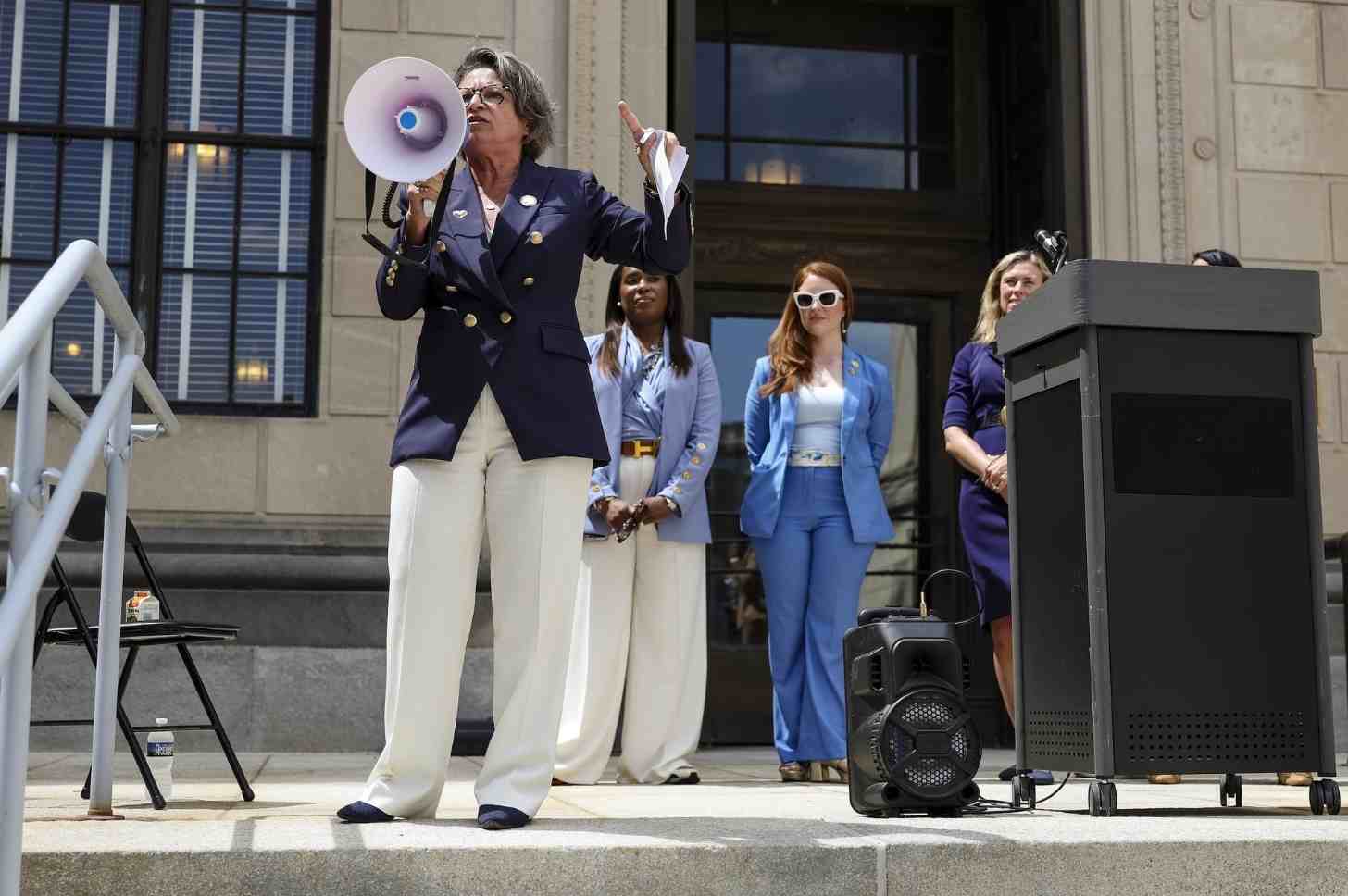
Lauren Albrecht, senior advocacy director at Garden State Equality, an LGBTQ+ organization that advocated for the bill, said the legislation protects access to evidence-based care.
Kaitlyn Wojtowicz, executive director of Planned Parenthood’s New Jersey political arm, said the measure will strengthen New Jersey’s existing protections around abortion, a critical step in the wake of the U.S. Supreme Court’s decision to end national protections for the procedure in 2022.
“This is a truly momentous day in New Jersey,” Wojtowicz said.
If signed into law, it would be a fourth-degree crime to harass or harm patients and healthcare providers, staff, or volunteers or block them from entering a facility that provides reproductive care, including services for trans people.
If someone is hurt during the interference, violators face ten years in prison and a fine of $150,000. It would also protect providers from extradition to other states that have chosen to criminalize their practice.
“This bill isn’t about trans individuals. This bill is about human rights,” said bill sponsor Assemblywoman Luanne Peterpaul (D-Monmouth), “and about women getting reproductive care.”
The votes in New Jersey came the same day the U.S. Supreme Court upheld bans Idaho and West Virginia created to prevent trans athletes from participating in women’s sports, a measure supporters say is needed to ensure fair competition for females. LGBTQ+ advocates said the ban is discriminatory.
This article was written by Lilo H. Stainton and originally published on New Jersey Monitor.
Header Image by Anne-Marie Caruso of New Jersey Monitor