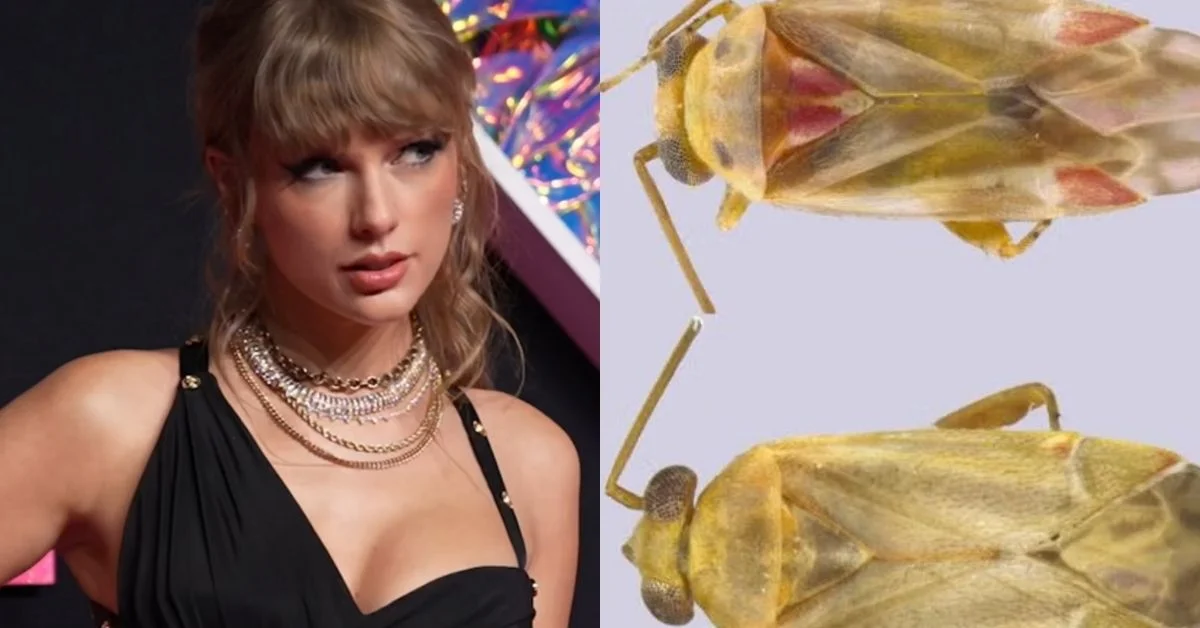
Sarah Schroeder, a doctoral student in entomology at the University of California, Riverside, wants to shine a spotlight on understudied insects.
What better way to do that than invoke the name of 14-time Grammy Award-winning artist Taylor Swift?
“It felt authentic to me as a lifelong Swiftie to honor Taylor in this way, as well as bring attention to the diversity of insects that has yet to be discovered,” Schroeder told the University of California, Riverside.
On September 9, Schroeder published a study in the academic journal Brill introducing 12 new insect species. In it, she named a genus of Australian plant-feeding insects after Taylor Swift — not just to garner attention — but as a nod to its physical characteristics.
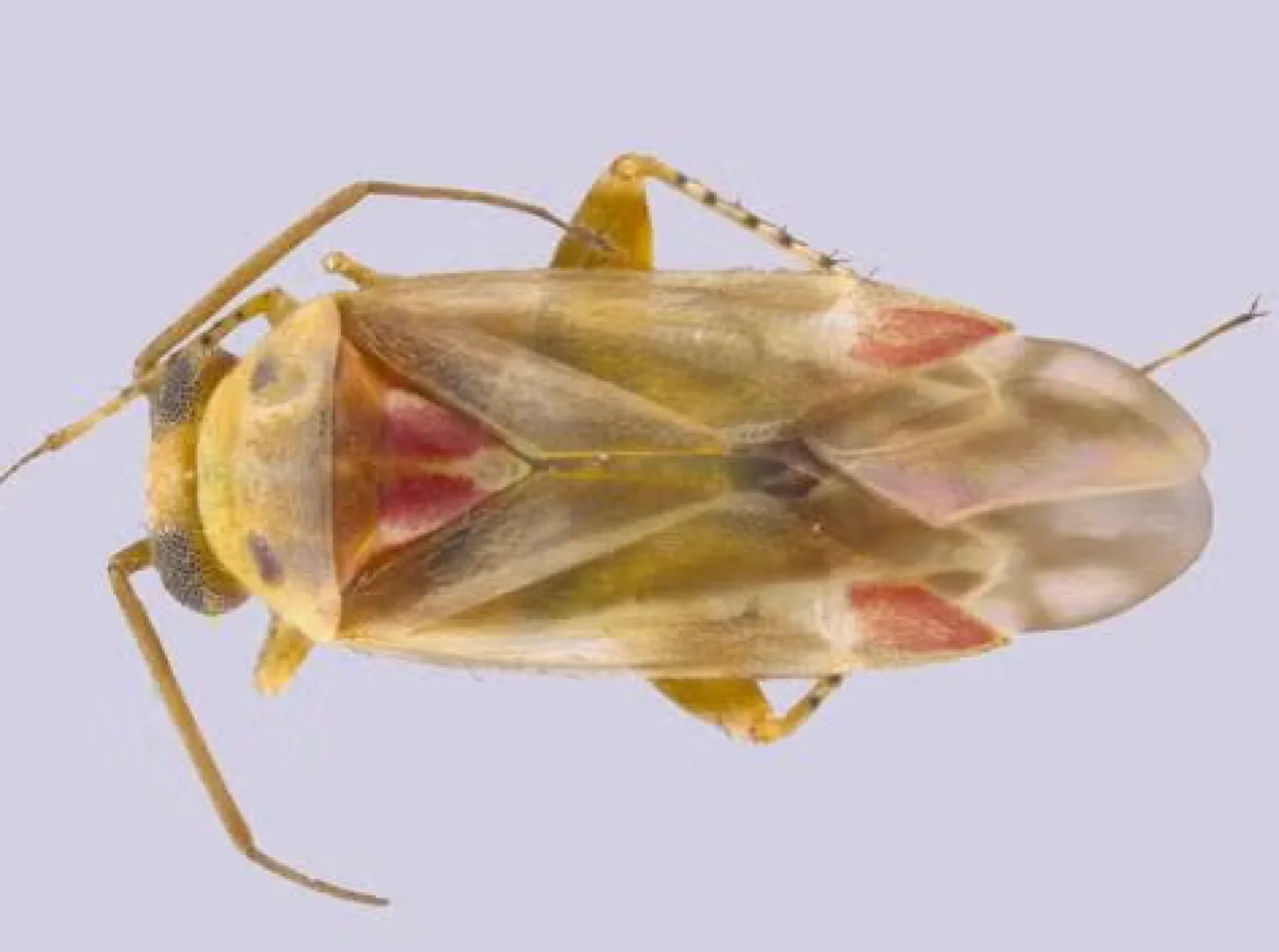
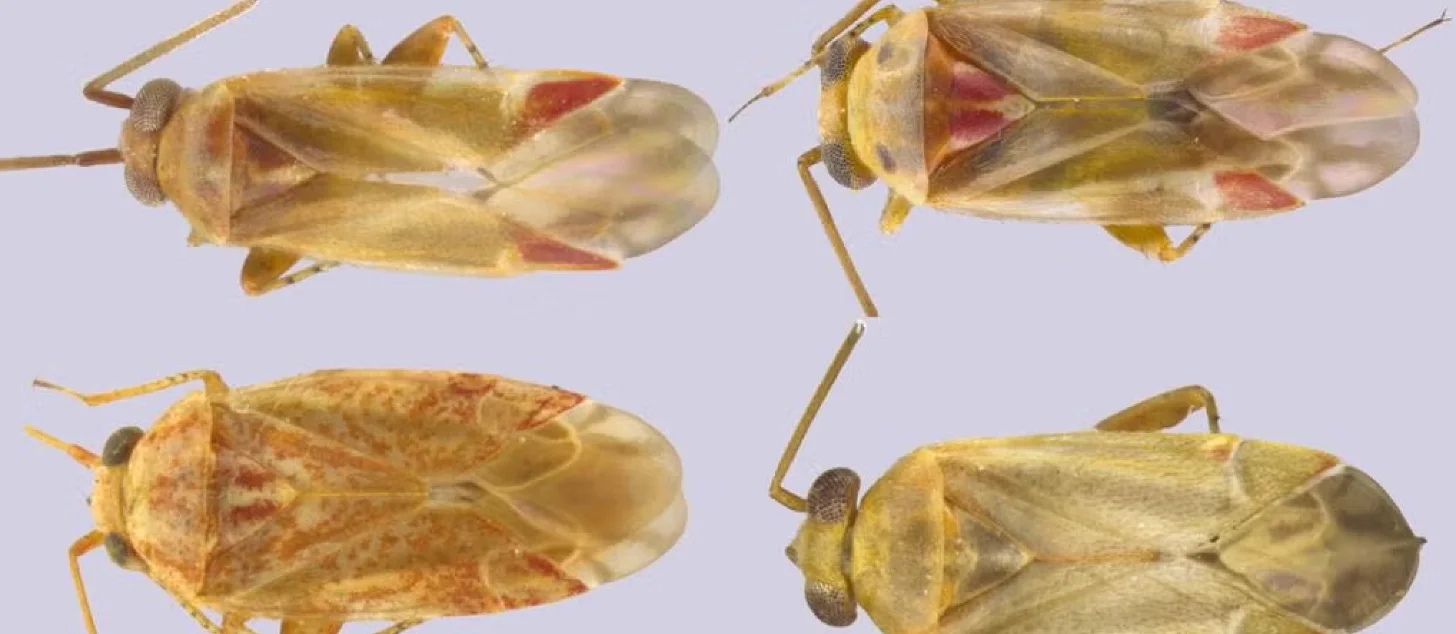
“Taylor Swift’s iconic look is her blonde hair and red lips. These insects are pale yellow with accents of red throughout,” Schroeder said. “In the paper I refer to them as blonde.”
The genus Swiftiephylus contains four species whose names are nods to Schroeder’s favorite singer: Swiftiephylus taylorae, Swiftiephylus amator, Swiftiephylus intrepidus, and Swiftiephylus poetorum — the Latin versions of Taylor, lover, fearless, and poets, respectively.

“Taxonomy is the cornerstone of conservation,” Schroeder said. “If we don’t describe species, we don’t know they exist and can’t conserve them. Honoring Taylor through naming these species after her is a way to honor conservation science and bring attention to all the unknown diversity.”
This isn’t the first time that pop culture has inspired the scientific community.
In August, scientists discovered a new species of horned lizard in Thailand and named it Acanthosaura syrax after Rhaenyra Targaryen’s dragon in “House of the Dragon.”
In 2025, a glossy black wolf snake, Lycodon irwini, was named after beloved “Crocodile Hunter” star Steve Irwin, nearly 20 years after his passing.
Not long before, a species of soft coral was named Iridogorgia chewbacca after the beloved Wookiee in the “Star Wars” franchise.
Back in 2023, renowned actor Harrison Ford inspired the name of a new species of snake, Tachymenoides harrisonfordi, discovered in Peru’s Andes Mountains.
He told the Hollywood Reporter that the discovery is humbling.
“It’s a reminder that there’s still so much to learn about our wild world — and that humans are one small part of an impossibly vast biosphere,” he said.
“On this planet, all fates are intertwined, and right now, one million species are teetering on the edge of oblivion. We have an existential mandate to mend our broken relationship with nature and protect the places that sustain life.”
You may also like: Taylor Swift and Travis Kelce kick off wedding weekend by donating $26M to charity
Featured Image: iHeartRadioCA (CC BY 3.0) and Sarah Schroeder/UCR