The Global Foodbanking Network is a nonprofit that supports food banks in more than 50 countries through food recovery and redistribution. In the fall of 2024, they released an annual impact report that broke down the year’s successes.
Their metrics showed that — in addition to providing over 1.7 billion meals to 40 million people in need globally — food banks also diverted an estimated 1.8 million metric tons of carbon dioxide.
By intercepting unspoiled food destined for the landfill, and redistributing food from local farms and wholesale produce markets, the 2023 report offered evidence that community-led solutions to addressing global hunger can also help protect the globe itself.
“Nearly a third of the world’s food is lost or wasted at the post-harvest, retail, and consumer levels, never reaching the people who need it,” the GFN team wrote in the report.
“Food loss and waste proves costly for producers, takes up space in landfills, and emits harmful greenhouse gases, intensifying climate change.”
Food waste occurs all the way down the supply chain: from unharvested crops to food that’s packaged and never eaten.
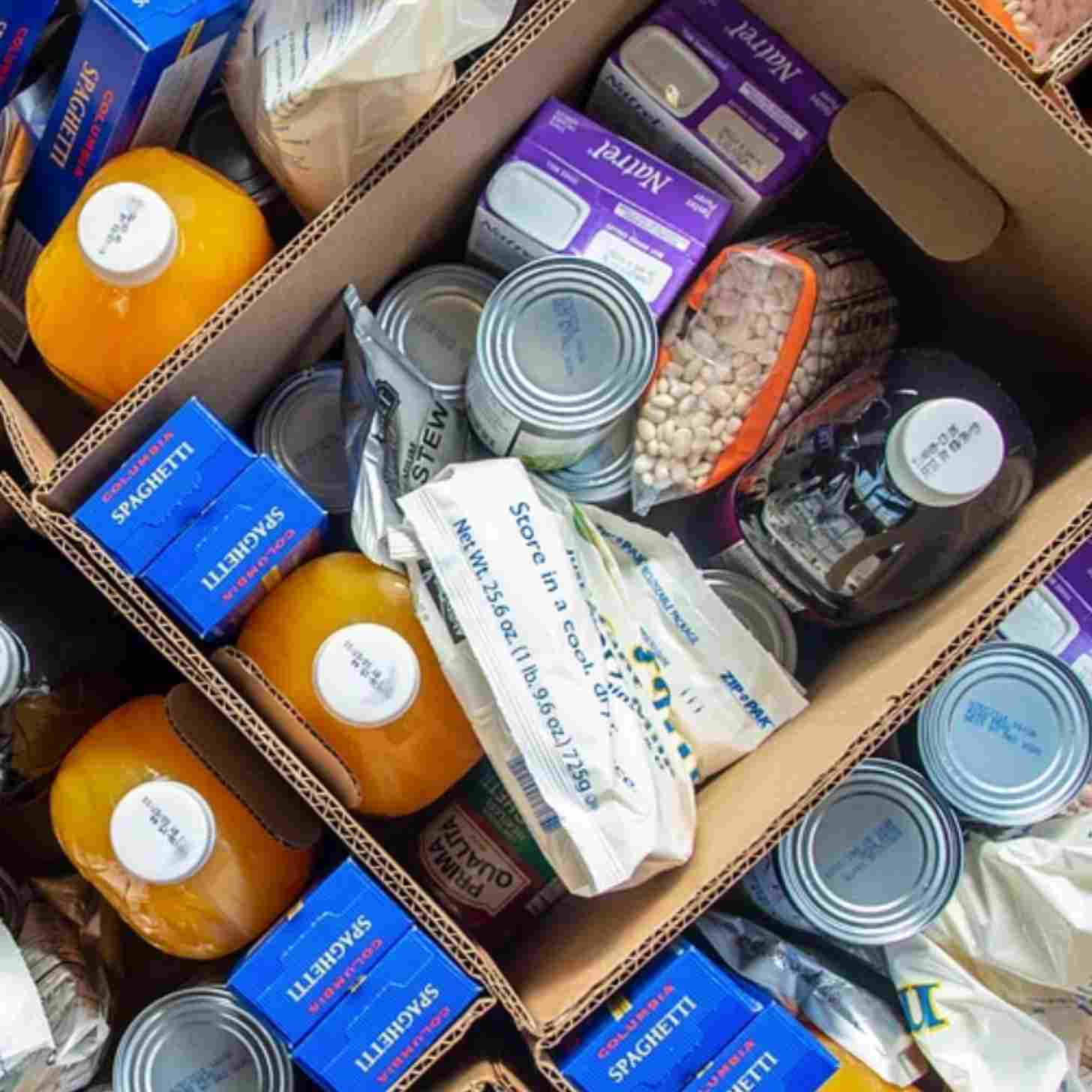
Supermarket chains are some of the worst offenders of food waste; habitually tossing imperfect food that’s deemed ugly, slightly damaged, or “nearly” expired — and sending it to landfills to rot and release methane.
“Food banks offer an effective solution to this problem,” the GFN report continued, “[by] partnering with producers and actors at all stages of the supply chain to recover wholesome surplus food and redirecting it to people facing hunger.”
A version of this article originally appeared in the 2025 Food Edition of the Goodnewspaper.
Header image via Julia M Cameron / Pexels